Peller and Jarvis Wedding Signals New Era for Digital Influencer Economy in Nigeria
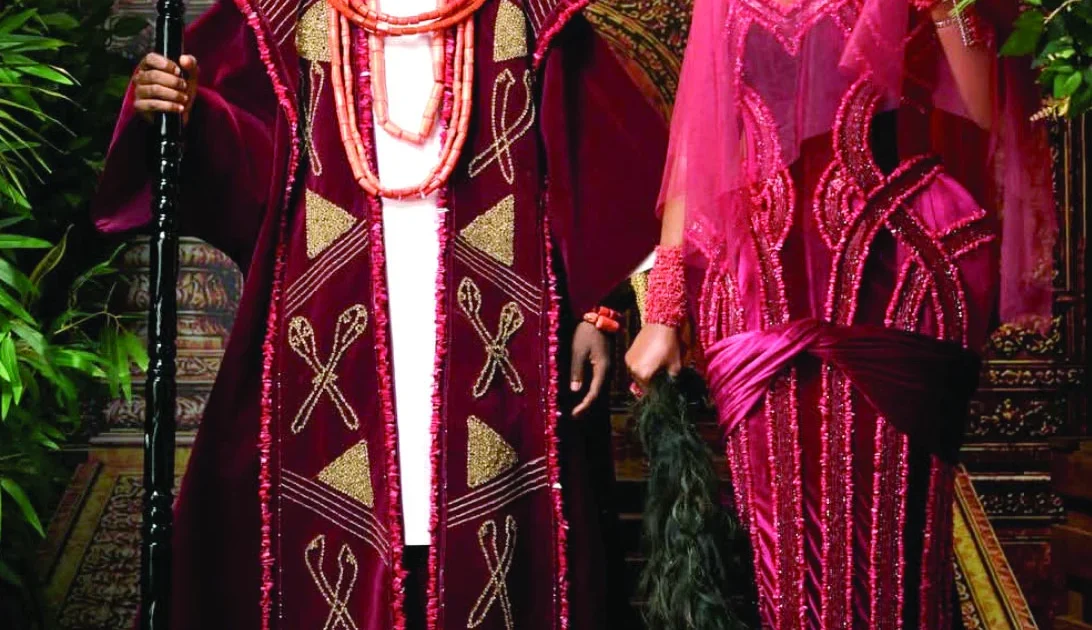
The union of Habeeb Hamzat, professionally known as Peller, and Elizabeth Amadou, widely recognized as Jarvis, has transcended the boundaries of traditional social media content to become a landmark event in Nigeria’s burgeoning digital entertainment landscape. On Saturday, in a ceremony held in Lagos that was dubbed #JP2026, the couple formalised a relationship that has been meticulously documented and cultivated in the public eye. The event, which drew an elite assembly of celebrities, industry influencers, and a global digital audience, served as a case study for the financial and social capital currently commanded by prominent internet personalities.
The Anatomy of an Influencer Wedding
The #JP2026 celebration was characterised by a scale of opulence that mirrors traditional high-society weddings, yet it was fundamentally rooted in the mechanics of the creator economy. The event served as a nexus where legacy media celebrities, such as actress Iyabo Ojo and singer Zinoleesky, converged with digital-native stars like Priscilla Ojo and Papaya Ex. The logistical complexity of the ceremony, which included a competitive element—a N5 million prize for the best-dressed guest—highlighted the transition of influencer events into structured, high-production spectacles.
Music legend Sule Alao Malaika provided the sonic backdrop for the festivities, reinforcing the intersection between Nigeria’s traditional entertainment industry and the new media frontier. For many attendees, the ceremony was not merely a social obligation but a strategic networking event, demonstrating how personal milestones for content creators now function as corporate-level branding exercises.
A Chronology of Extraordinary Generosity
The buildup to the wedding was marked by a series of high-profile financial endorsements that established a precedent for the scale of the event. The narrative of fiscal support began with socialite Pascal Okechukwu, known as Cubana Chief Priest, who committed N10 million toward the wedding costs. This initial gesture set a tone for the subsequent influx of gifts, which would eventually reach valuations exceeding half a billion naira.
The international dimension of the couple’s influence was underscored by the arrival of American entrepreneur and TikTok mega-gifter Gregory Pizarro Jr. Pizarro’s decision to travel to Lagos specifically for the ceremony, coupled with his surprise $20,000 cash gift presented at the couple’s hotel, highlighted the global reach of the Nigerian influencer market.
The most significant contributions, however, were concentrated in the real estate sector, a move that indicates a shift toward long-term asset accumulation for digital stars. Lawrence Emmanuel, CEO of Promiseland Estate, initiated this trend by gifting the couple a plot of land in Abuja valued at N150 million. This was eclipsed on the wedding day itself when King Ochacho, a notable real estate mogul, publicly pledged a fully furnished luxury mansion in the upscale Life Camp district of Abuja. With a reported market value of N400 million, the gift represents one of the largest single-item wedding presents ever recorded in the Nigerian entertainment space.
The Role of Digital Infrastructure
Central to the success and reach of the #JP2026 event was the couple’s commitment to real-time digital broadcasting. By leveraging platforms such as Twitch and YouTube, Peller and Jarvis successfully bypassed traditional media gatekeepers, bringing the ceremony directly to their global fan base. This strategy not only maximised engagement metrics but also provided a transparent look at the event’s production value.
Data from similar digital events suggests that the volume of concurrent viewership for such ceremonies can rival the ratings of major national televised programs. By controlling the livestream, the couple retained ownership of their narrative, effectively monetizing the event through platform-specific features, brand placements, and increased subscriber growth. This autonomy represents a fundamental shift in how celebrity life events are consumed and valued in the 21st century.
The Complexity of Public Relationships
The presence of Emmanuel Obruste, known as GehGeh, among the groomsmen served as a focal point for public discourse. His participation was particularly notable due to his history of vocal opposition to the union. Having previously argued that Peller was not prepared for the responsibilities of marriage, GehGeh’s presence—and his active participation in the wedding choreography—prompted widespread online scrutiny.
From an analytical perspective, this development illustrates the performative nature of the influencer industry. In the context of the creator economy, conflict and reconciliation are often integrated into the content cycle. GehGeh’s transition from a critic to a participant underscores the fluidity of social media alliances, where interpersonal disagreements are often repurposed to sustain narrative momentum and drive engagement. For the millions watching, the spectacle of the groomsmen’s dance became a viral asset, further amplifying the visibility of the wedding.
Economic and Social Implications
The #JP2026 wedding serves as a catalyst for broader discussions regarding the professionalisation of the influencer industry in Africa. With the collective value of the gifts received by the couple approaching the half-billion-naira mark, the event highlights the substantial financial backing available to creators who can effectively harness digital attention.
Industry observers note that this level of sponsorship and gift-giving signifies a maturing market. As traditional advertising budgets shift toward individual creators, the ability to command such high-value assets indicates that influencers are increasingly being treated as high-net-worth brands. Furthermore, the reliance on high-profile figures like King Ochacho and Lawrence Emmanuel suggests that traditional business sectors—specifically real estate—are actively seeking to align themselves with the influence exerted by digital personalities to reach younger, tech-savvy demographics.
However, the event also invites questions regarding the sustainability of such models. While the spectacle provides immense short-term visibility, it places a heavy burden of expectation on the couple to maintain their public profile. The integration of personal life with professional branding is a high-stakes strategy that requires constant engagement.
Cultural Synthesis and Future Outlook
The inclusion of diverse figures, from Aunty Ramota to international personalities, reflects a hybrid culture where traditional Nigerian societal expectations—such as the elaborate aso-ebi and the prestige of grand weddings—are fused with the ephemeral, fast-paced nature of TikTok trends. The presence of guests such as Juma Jux and Daddy Freeze confirms that this intersection of digital and legacy fame is now a permanent feature of the social calendar.
As the dust settles on the #JP2026 event, the long-term impact on the couple’s careers remains to be seen. If the past is any indication, the wedding will likely be leveraged as a foundational moment for future ventures, potentially branching into reality television, lifestyle endorsements, or formal business partnerships. The wedding was not simply a celebration of a union; it was a demonstration of a new economic paradigm where digital connectivity, combined with a robust personal brand, can unlock unprecedented levels of financial and social opportunity.
In conclusion, the marriage of Peller and Jarvis has set a new benchmark for digital celebrity in Nigeria. By successfully integrating real estate, international collaborations, and live-streaming technology, they have transformed their personal narrative into a significant cultural and economic event. As the influencer economy continues to evolve, the #JP2026 wedding will likely be cited as a pivotal moment where the lines between content creation and high-society life were effectively, and perhaps permanently, blurred.