Ottawa joins Global Combat Air Programme as an observer nation
The landscape of international defense cooperation underwent a significant recalibration this week as the Global Combat Air Programme (GCAP)—the ambitious trilateral initiative led by the United Kingdom, Japan, and Italy to field a sixth-generation stealth fighter by 2035—formally welcomed Canada into its inner circle as an observer nation. The announcement, made on Tuesday, July 21, 2026, represents a major milestone for the project, which seeks to integrate artificial intelligence, advanced sensors, and next-generation propulsion into a single combat platform.
This development follows months of quiet diplomatic maneuvering and comes at a time of significant political transition in London. Under the new administration of Prime Minister Andy Burnham, who assumed office just days prior, the British government is signaling a renewed emphasis on "reindustrialization" as a pillar of national security. The inclusion of Canada is viewed by defense analysts as a strategic effort to fortify the supply chains of "middle powers" against the backdrop of an increasingly volatile global security environment.
A New Chapter for the Global Combat Air Programme
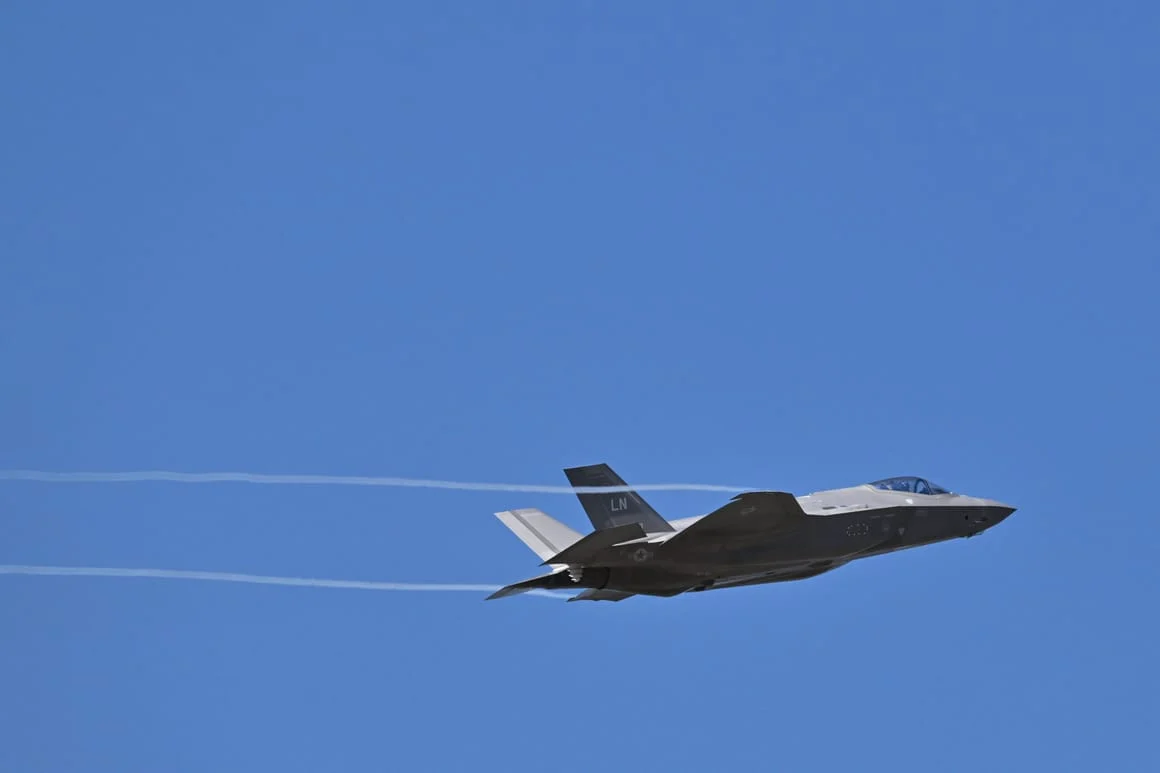
The GCAP, originally known as the Tempest project, is the cornerstone of the three nations’ efforts to maintain air superiority in an era of rapidly advancing anti-access and area-denial (A2/AD) capabilities. Unlike the multinational F-35 Joint Strike Fighter program, which is centered on American architecture, GCAP represents a sovereign, European-led attempt to develop a platform capable of commanding the battlespace of the mid-21st century.
For Canada, the observer status provides a seat at the table without the immediate fiscal burden of full program membership. According to officials, the arrangement offers Ottawa "privileged access" to capability development discussions and long-term industrial roadmaps. While the agreement does not mandate that Canada procure the final aircraft, it creates a formal pathway for the Canadian aerospace sector—already a world leader in specialized components and avionics—to contribute to the program’s technical evolution.
Chronology of the GCAP Evolution
The path to Canada’s involvement is the culmination of a multi-year effort to modernize Western air power.
- 2018: The U.K. unveils the "Tempest" concept at the Farnborough International Air Show, signaling its intent to develop a next-generation fighter.
- 2020: Italy formally joins the Tempest program, signaling a shift toward deeper European integration.
- 2022: Japan enters the fray, merging its indigenous F-X fighter project with the British-Italian effort to create the Global Combat Air Programme.
- 2023–2025: Intense technical collaboration ensues, with the three nations establishing the GCAP International Government Organization (GIGO) to oversee development.
- July 2026: Prime Minister Andy Burnham takes office in London; shortly thereafter, his government announces the formal inclusion of Canada as the first observer nation, expanding the geographic scope of the project.
Strategic Implications and Defense Spending
The British government has committed substantial financial resources to the program, earmarking £8.6 billion over the next four years as part of its wider Defence Investment Plan. This funding is not merely for research and development; it is an economic stimulus designed to bolster the domestic industrial base. Currently, the project supports 4,500 jobs across roughly 600 U.K. firms. Prime Minister Burnham has explicitly linked these investments to his broader economic agenda, stating that the project will transform lives by creating high-skilled jobs in communities across the country.
The economic logic is clear: by bringing in partners like Canada, the GCAP nations aim to create a larger, more stable market for the eventual aircraft, thereby reducing the unit cost and sharing the massive development risks inherent in sixth-generation technology.
Official Perspectives from the Ministerial Summit
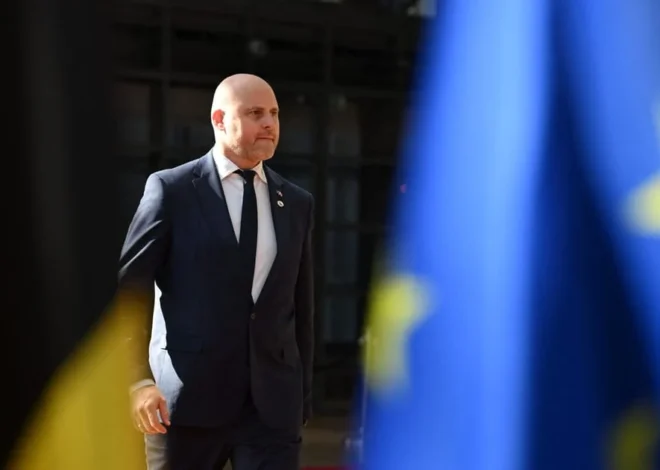
The announcement, held near Buckingham Palace, featured a rare assembly of defense leaders: Britain’s new Defence Secretary Wes Streeting, Japan’s Minister of Defense Shinjirō Koizumi, Italy’s Minister of Defence Guido Crosetto, and Canada’s Minister of National Defence David McGuinty.

Secretary Streeting emphasized that the program is about more than just a single airframe. "My focus is on maximizing our deterrence and ensuring that should deterrence fail, we’re ready to fight and win alongside allies," Streeting stated. He highlighted the necessity of rebuilding production capacity, noting that the goal is to "build and buy British" while fostering an international ecosystem that sustains the security of all partners.
For his part, Canadian Minister David McGuinty expressed readiness to integrate Canadian expertise. "Observer status will give Canada the opportunity to deepen its understanding of next-generation combat air capabilities, strengthen our industrial collaboration, and contribute more closely to the partnerships that will define the future of air power," McGuinty said.
The perspective from Japan, which has historically been cautious about international defense exports, reflects a changing geopolitical reality. Minister Koizumi noted that Canada’s position between the Indo-Pacific and the Euro-Atlantic is "inseparable" from the shared security concerns of all four nations, suggesting that the aircraft will be designed with the capability to operate across vast, diverse theaters of operation.
Analysis: Why Canada and Why Now?
The decision to invite Canada into the GCAP fold is rooted in the shifting nature of aerial warfare. Sixth-generation jets are defined by their ability to act as "quarterbacks" in the sky, controlling swarms of drones and processing massive amounts of data in real-time. Canada’s aerospace industry—notably firms like CAE and various specialized software developers—brings significant experience in training systems, flight simulation, and sensor integration, all of which are critical to the GCAP’s success.
Furthermore, the inclusion of an observer nation serves as a proof-of-concept for the GCAP’s "open architecture" model. By allowing partners to join in varying capacities, the program seeks to avoid the rigidity that has plagued previous multinational defense procurement projects.
However, observers note that challenges remain. The primary obstacle is the sheer complexity of the technology, which requires seamless integration of systems that are currently being developed in parallel. Moreover, maintaining a multi-national supply chain—which now spans North America, Europe, and Asia—will require a level of administrative coordination that has rarely been achieved in the history of military aviation.
The Road Ahead
As the project moves from the conceptual phase into full-scale prototype development, the role of observer nations like Canada may evolve. While current language stresses that there is "no commitment" to purchase the aircraft, the depth of industrial collaboration will likely dictate the long-term relationship. If Canadian firms secure key work packages within the GCAP supply chain, the political pressure to adopt the platform for the Royal Canadian Air Force will almost certainly increase.
For the British government, the project represents a litmus test for the Burnham administration. With £8.6 billion on the line, the government must balance the requirements of fiscal responsibility with the imperative to provide the Royal Air Force with a successor to the Typhoon fighter.
As the world looks toward 2035, the GCAP stands as a testament to the belief that in an era of shifting global alliances and rapid technological change, the most effective way to maintain security is through deep, integrated cooperation. The presence of Canada in London this week was not just a diplomatic gesture; it was a clear signal that the next generation of air power will be a collaborative endeavor, forged not just in the laboratory, but in the halls of international diplomacy.