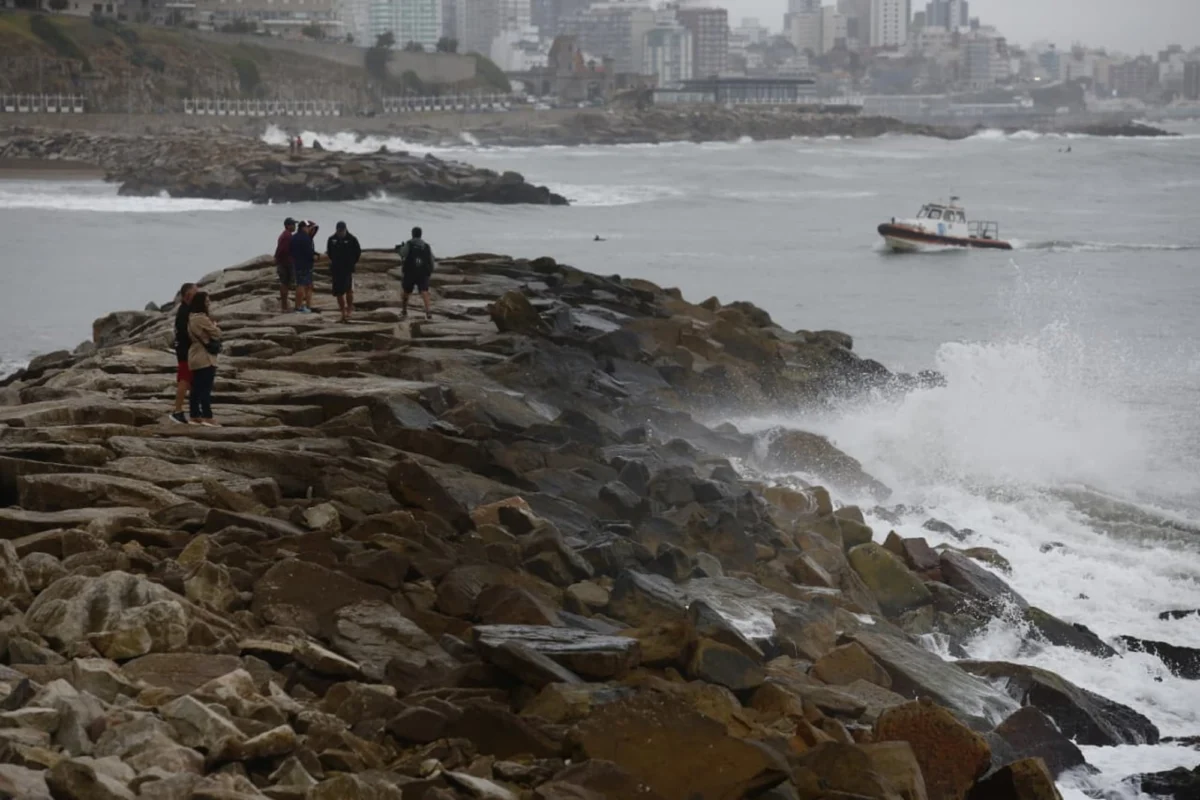
Orange Alert Issued as Mar del Plata and Surrounding Regions Brace for Intensified Storms, Leading to School Suspensions
MAR DEL PLATA – Anticipating a significant deterioration in weather conditions, the municipality of General Pueyrredón, encompassing Mar del Plata, has proactively suspended educational activities for Tuesday. This precautionary measure, initially slated for the morning session, extends to all levels of education across both public and private institutions. The decision follows a renewed meteorological orange alert, mirroring the severity of conditions experienced on Monday, and signals a heightened concern over potential impacts from the impending storms.
Escalating Weather Warnings and Proactive Measures
The forecast paints a stark picture of an approaching period of severe weather, characterized by substantial rainfall and the distinct possibility of strong winds. Authorities are particularly concerned about the increased risk of localized flooding (anegamientos) and the potential for hazards such as falling power lines and uprooted trees, common consequences of such meteorological phenomena in the region.
Rodrigo Goncálvez, the municipal Secretary of Security, underscored the gravity of the situation in a late-night announcement on Monday. "The reports and models we have received regarding what is coming indicate a potential adversity that may be more profound than what we have experienced thus far," Goncálvez stated, explaining the rationale behind the early and comprehensive decision to suspend classes. This proactive stance aims to safeguard students, educators, and school staff from the anticipated hazards.
A Week of Weather Woes Across Buenos Aires Province
The current week commenced with a significant weather disturbance across much of the central and southeastern regions of Buenos Aires Province. Areas within this vast territory experienced conditions ranging from yellow to orange alerts, as designated by the National Meteorological Service (SMN), depending on the intensity of precipitation and wind speeds recorded.
This initial wave of adverse weather had already prompted class suspensions on Monday in several districts, including Mar Chiquita, General Alvarado, and Tandil. These municipalities have maintained their suspension orders for Tuesday morning. Joining them in implementing similar precautions for Tuesday morning are the districts of Balcarce and Necochea, aligning their decisions with that of General Pueyrredón. This coordinated response highlights a shared recognition of the evolving meteorological threat.
General Pueyrredón’s Monday Experience and Tuesday’s Heightened Alert
The municipality of General Pueyrredón, now under the leadership of Mayor Agustín Neme, had initially opted against suspending classes for Monday. Throughout that day, the region experienced periods of significant downpours, some of which were described as intense. However, these events did not escalate into full-blown thunderstorms, nor were they accompanied by substantial wind gusts.
Sources within the Civil Defense department of General Pueyrredón reported receiving only a limited number of calls on Monday concerning minor incidents. These included a few fallen utility poles that caused localized disruptions to aerial cable networks and the detachment of some tree branches. Crucially, none of these incidents resulted in significant widespread complications or injuries.
In stark contrast, the outlook for Tuesday has been elevated to a state of heightened alert. The municipality has ensured that personnel and resources are readily available and positioned to respond effectively. This preparedness is driven by projections of a greater volume of rainfall, expected to be more forceful, and a more significant impact from wind.
Projected Storm Dynamics: Winds and Electrical Activity
The anticipated weather pattern for Tuesday includes the possibility of thunderstorms developing by midday and persisting through the afternoon. These storms are predicted to be accompanied by wind gusts that could exceed 50 kilometers per hour. Such wind speeds, especially in conjunction with heavy rainfall, significantly increase the risk of damage to infrastructure and pose a danger to public safety.
The Broad Sweep of the Orange Alert
The current meteorological orange alert originates in the central part of Argentina and extends in a northwest-southeast direction, encompassing nearly one-third of the country and bisecting the province of Buenos Aires diagonally. The weather conditions in areas immediately surrounding the orange zone are not substantially better; other districts are under a yellow alert issued by the SMN.
This widespread alert system includes significant population centers such as Bahía Blanca. This city is still in the process of recovering from a devastating flood that occurred just over a year ago, an event that was one of the most tragic in its history. The ongoing recovery efforts in Bahía Blanca underscore the vulnerability of communities in the region to extreme weather events and the critical importance of timely warnings and preparedness. The SMN’s alert system, which categorizes weather phenomena by intensity and potential impact, serves as a vital tool for informing the public and enabling authorities to implement necessary safety measures.
Historical Context of Extreme Weather in the Region
The recent meteorological events in Buenos Aires Province are not isolated incidents. The region has a documented history of experiencing severe weather patterns, including intense rainfall, strong winds, and electrical storms. These phenomena can be exacerbated by geographical factors, such as proximity to large bodies of water or low-lying terrain, which can increase the susceptibility to flooding.
For instance, the aforementioned flood in Bahía Blanca in March 2023 serves as a grim reminder of the destructive potential of extreme weather. That event led to widespread power outages, significant damage to homes and infrastructure, and tragically, loss of life. The slow and arduous recovery process in the aftermath of such disasters highlights the long-term consequences of severe weather and the necessity for robust disaster preparedness and mitigation strategies.
Similarly, other coastal and inland communities within Buenos Aires Province have faced challenges related to heavy rainfall and associated flooding. These events often strain municipal resources, disrupt transportation networks, and impact local economies. The recurring nature of these occurrences emphasizes the need for continuous investment in resilient infrastructure and effective early warning systems.
The Role of the National Meteorological Service (SMN)
The National Meteorological Service (SMN) plays a crucial role in monitoring weather patterns across Argentina and issuing timely warnings to the public and government agencies. The SMN utilizes a sophisticated network of weather stations, satellites, and advanced modeling systems to forecast meteorological events. Their alert system, which includes categories like "yellow," "orange," and "red" alerts, is designed to communicate the severity of impending weather and guide appropriate responses.
- Yellow Alert: Indicates potentially hazardous weather phenomena that could affect daily activities.
- Orange Alert: Signifies a significant risk of adverse weather phenomena with potentially considerable impacts on people and property.
- Red Alert: Denotes extremely dangerous weather phenomena that pose a severe threat to life and property, requiring immediate and drastic action.
The current orange alert for General Pueyrredón and surrounding areas signifies that the predicted weather events are expected to be more severe than those typically experienced, warranting elevated levels of caution and preparedness. The SMN’s continuous updates and detailed advisories are indispensable for informed decision-making by local authorities and for raising public awareness.
Economic and Social Implications of Weather Disruptions
Beyond the immediate safety concerns, severe weather events can have significant economic and social ramifications. The suspension of school activities, while a necessary safety measure, can disrupt household routines, affecting parents’ ability to work and potentially leading to lost productivity. For businesses, particularly those in the tourism and retail sectors, prolonged periods of adverse weather can result in decreased customer traffic and financial losses.
The agricultural sector, a vital component of the regional economy, is also highly susceptible to weather fluctuations. Excessive rainfall can lead to crop damage, waterlogging of fields, and delays in planting or harvesting, impacting yields and farmer incomes. Conversely, drought conditions, though not the immediate concern here, also pose significant risks.
Furthermore, disruptions to transportation networks due to flooding or high winds can impede the movement of goods and people, affecting supply chains and economic activity. The recovery process following severe weather events often involves substantial costs for repairs, infrastructure upgrades, and emergency relief efforts, placing a strain on municipal and provincial budgets.
Community Preparedness and Resilience
In the face of recurring severe weather, community preparedness and resilience become paramount. Local governments, in collaboration with emergency services and meteorological agencies, play a key role in developing and implementing comprehensive disaster management plans. These plans typically include:
- Early Warning Systems: Ensuring that timely and accurate weather alerts reach the public through various channels, including media, mobile alerts, and community outreach.
- Evacuation Plans: Establishing clear procedures for evacuating residents from high-risk areas if necessary.
- Emergency Shelters: Designating and equipping safe locations for temporary shelter during emergencies.
- Public Education Campaigns: Informing residents about potential hazards, safety precautions, and how to prepare for severe weather events.
- Infrastructure Improvements: Investing in resilient infrastructure, such as improved drainage systems, reinforced buildings, and robust power grids, to withstand extreme weather.
The proactive decision by General Pueyrredón to suspend classes ahead of the anticipated storm reflects a growing emphasis on preventative measures. By prioritizing the safety of its residents and taking decisive action based on meteorological forecasts, the municipality aims to mitigate the potential negative consequences of the approaching weather system. The collective response across multiple districts in Buenos Aires Province underscores a regional commitment to safeguarding communities against the increasing challenges posed by climate change and extreme weather events. As the situation unfolds, continued vigilance and adherence to official guidance will be crucial for navigating the days ahead.

Related Posts

The Electric Vehicle Battery Health Debate Emerges as Argentina’s EV Market Accelerates

President Donald Trump Confirms Secret Departure from Turkey Amidst Assassination Threat