Brussels Convenes High-Stakes Summit as Geopolitical Tensions and Strategic Enlargement Dominate the European Agenda
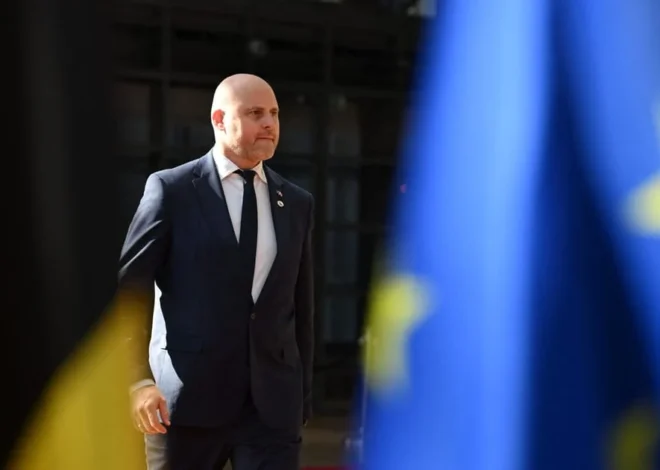
European affairs ministers have gathered in Brussels this week to finalize preparations for the upcoming European Council summit, a meeting defined by a complex intersection of security crises, fiscal planning, and the long-term strategic trajectory of the European Union. The agenda is notably dense, encompassing the ongoing conflict in Ukraine, the escalating regional volatility involving Iran, the bloc’s multi-year budgetary framework, and a renewed focus on industrial competitiveness in a globalized market.
The summit comes at a precarious moment for the European project. With the EU’s institutional machinery working to align member states on disparate foreign policy priorities, the discussions in Brussels reflect a broader struggle to maintain internal cohesion while simultaneously projecting strength on the international stage.
The Push for Enlargement: A Strategic Imperative
Beyond the immediate crises, the bloc is making tangible progress on its enlargement policy, a process that has gained renewed urgency since the Russian invasion of Ukraine in 2022. Ministers confirmed that Ukraine and Moldova are set to receive the remaining negotiating clusters in their respective EU accession talks. This milestone marks a significant step forward in integrating these nations into the EU’s legal and economic acquis.
Simultaneously, Montenegro—a long-standing frontrunner in the Western Balkan integration process—is poised to provisionally close another negotiating chapter. This development serves as a positive signal for other candidate countries in the region that the "merit-based" accession process remains functional.
The background to this development is rooted in the 2022 decision to grant candidate status to Ukraine and Moldova. Since then, the European Commission has been under pressure to accelerate the technical requirements for membership. While the process remains rigorous, the political momentum is undeniable. Analysts suggest that by closing these chapters, the EU is attempting to lock in democratic reforms and institutional stability in its immediate eastern periphery, effectively creating a "buffer zone" of governance standards that align with the European model.
Transatlantic Friction: The Strait of Hormuz and Iran
The geopolitical landscape is further complicated by the deteriorating security situation in the Middle East. Recent calls from U.S. President-elect Donald Trump for European allies to provide naval assets to secure the Strait of Hormuz have met with stiff resistance from EU foreign ministers.
The Strait of Hormuz is a critical global chokepoint, through which approximately 20 to 30 percent of the world’s total oil consumption passes. Any disruption here, particularly involving Iranian naval activity, carries immediate risks for global energy prices and supply chain stability. Despite the strategic importance of the waterway, European capitals have signaled a distinct reluctance to commit military assets to a potential conflict zone.
Several member states, led by Germany and France, have made it clear that they will not be drawn into an escalation that lacks a clear diplomatic framework. This reaction highlights a growing divide between traditional transatlantic expectations and the European desire for "strategic autonomy." The refusal is not merely a budgetary or logistical decision; it is a calculated political maneuver designed to prevent the EU from becoming a secondary actor in a military confrontation that many European diplomats view as being driven by a strategy they did not formulate.
Chronology of Escalation: The Middle East Context
The tension in the Middle East has reached a boiling point following the U.S.-Israeli military engagements in the region. The timeline of this instability can be traced back to the post-October 7th security environment, which has since morphed into a broader, multi-front conflict involving non-state actors and regional powers.
- Late 2023: Regional shipping lanes in the Red Sea face increased disruption, forcing European navies to weigh the costs of trade protectionism against the risks of direct combat.
- Early 2024: The conflict widens, with Iran’s regional network of proxies becoming more active, prompting Western intelligence agencies to monitor the Strait of Hormuz with heightened urgency.
- Late 2024: President-elect Trump’s public demand for European naval support creates an immediate diplomatic hurdle for the transition period between the outgoing and incoming U.S. administrations.
- December 2024: European affairs ministers reiterate the "no-warships" stance, emphasizing that their focus remains on regional de-escalation and humanitarian diplomacy rather than kinetic military operations.
Sports and Geopolitics: The 2026 World Cup Concerns
The intersection of sport and security has become a focal point for European regulators. EU Sports Commissioner Glenn Micallef has initiated formal discussions with FIFA President Gianni Infantino regarding the safety of European supporters traveling to the 2026 World Cup in the United States.
The request for "clearer assurances" is not merely administrative. It is a direct response to the heightened global climate of fear and the potential for spillover violence related to the U.S.-Israeli war. Data from intelligence agencies suggests that major international sporting events are high-priority targets for various extremist entities. Commissioner Micallef’s intervention reflects the European Union’s duty of care toward its citizens, even when they travel outside the bloc’s jurisdiction.
The 2026 World Cup, which will be co-hosted by the United States, Canada, and Mexico, represents a massive logistical challenge. With millions of fans expected to travel, the security protocols must be robust. The EU’s insistence on transparency from FIFA serves as a reminder that major sporting bodies cannot operate in a geopolitical vacuum.
Economic Competitiveness and the Long-Term Budget
While security dominates the headlines, the ministers are also grappling with the EU’s Multiannual Financial Framework (MFF). The bloc’s next long-term budget is currently being drafted against the backdrop of stagnating economic growth and the necessity for massive investment in the "green" and "digital" transitions.
Data from Eurostat indicates that the EU’s GDP growth has lagged behind both the United States and China over the past decade. To address this, the European Commission is emphasizing the need for increased competitiveness, which includes streamlining regulations and incentivizing private sector investment. However, member states remain deeply divided on the issue of common debt and how much fiscal leeway should be granted to individual governments.
The budget is more than a spreadsheet; it is a statement of intent. The push to fund military modernization, support the energy transition, and facilitate the integration of new member states requires a level of fiscal cooperation that has historically been difficult to achieve. If the EU fails to reconcile these competing needs, the resulting budget may prove inadequate to meet the security and economic challenges of the next decade.
Analysis of Implications
The discussions currently taking place in Brussels suggest an EU in a state of strategic rebalancing. The refusal to engage in the Strait of Hormuz indicates a pivot toward prioritizing domestic stability and diplomatic mediation over direct military alignment with U.S. policy.
Furthermore, the simultaneous push for enlargement and budget reform suggests that the EU is attempting to institutionalize its influence before the global political climate becomes even more unpredictable. By locking Ukraine and Moldova into the accession process, the bloc is signaling that it remains a pole of attraction despite its internal fiscal struggles.
However, the path forward is fraught with risk. If the EU cannot ensure the security of its own citizens at events like the World Cup, or if it fails to address the economic disparity between its member states, the resulting loss of public confidence could weaken the bloc’s internal unity. The upcoming summit will be a litmus test for whether the EU can balance these competing domestic and international pressures without sacrificing its long-term strategic objectives.
As the ministers conclude their deliberations this week, the eyes of the international community will be on the final communique. Whether it reflects a unified, coherent strategy or a continuation of the "wait-and-see" approach will define the European Union’s relevance in an increasingly volatile global order. The coordination of these efforts, overseen by figures like Zoya Sheftalovich and chief foreign affairs correspondent Nick Vinocur, remains a vital pulse-check on the health of the European project.