Oman Proposes Joint Regional Mechanism for Strait of Hormuz Amid Escalating Tensions with Iran
Muscat has presented Tehran with a groundbreaking proposal for a joint regional mechanism to govern the strategic Strait of Hormuz, which includes a system of voluntary fees, Reuters reported on July 28, 2026, citing a well-placed Gulf source. The initiative, which reportedly carries significant regional backing, aims to prevent Iran from exercising sole control over the vital waterway, a critical chokepoint for global energy supplies. This diplomatic overture comes amidst a period of heightened regional instability, colloquially referred to as the "War on Iran," underscoring the urgency of de-escalation and the establishment of stable security frameworks in the Gulf.
A Lifeline for Global Energy Amid Regional Strife
The Omani proposal is not merely a technical arrangement but a significant diplomatic gambit designed to foster collective security and economic stability in a region perennially on edge. By suggesting a joint mechanism, Oman seeks to institutionalize shared responsibility for the Strait’s management, moving away from unilateral control that has historically been a source of tension. The inclusion of "voluntary fees" suggests a collaborative financial model, potentially aimed at funding shared security infrastructure, navigation aids, or environmental protection initiatives, while simultaneously offering economic incentives for cooperation. This move is seen as a direct response to the escalating "War on Iran," which has manifested through various forms of conflict, including maritime incidents, proxy engagements, cyber warfare, and economic pressures, all of which threaten the free flow of commerce through the Strait.
The Strategic Imperative: Securing the Strait of Hormuz
A Chokepoint of Global Significance
The Strait of Hormuz is arguably the world’s most critical oil chokepoint, linking the oil-rich Persian Gulf with the Arabian Sea and beyond. Approximately one-fifth of the world’s total petroleum liquids consumption, and a significant portion of global liquefied natural gas (LNG) transits through this narrow passage. In 2025, an estimated 21 million barrels per day (b/d) of crude oil, condensate, and petroleum products passed through the Strait, representing roughly 30% of all seaborne-traded oil. Key oil exporters like Saudi Arabia, Iran, UAE, Kuwait, and Iraq rely almost entirely on the Strait for their exports, while major importers in Asia, Europe, and North America depend on its unimpeded flow. Any disruption, even perceived, can send global energy prices soaring, trigger economic instability, and escalate geopolitical tensions.
Historical Flashpoints and Iranian Influence
Iran, with its long coastline along the northern side of the Strait, has historically asserted its sovereign rights over the waterway, often leveraging this strategic position in times of geopolitical friction. The Islamic Revolutionary Guard Corps Navy (IRGCN) maintains a significant presence, conducting regular drills and patrols. Past incidents, including the tanker wars of the 1980s, the seizure of foreign-flagged vessels, and numerous close encounters between Iranian forces and international naval assets, underscore the Strait’s volatile nature. Tehran has repeatedly threatened to close the Strait in response to sanctions or military aggression, a threat that, while difficult to execute definitively, carries immense weight due to its potential global economic fallout. The current "War on Iran" context amplifies these concerns, making any proposal for shared management a critical test of regional commitment to de-escalation.
Oman’s Diplomatic Overture: A History of Mediation
Oman has long distinguished itself as a neutral arbiter and a crucial diplomatic bridge in the often-fractious Middle East. Unlike many of its Gulf neighbors, Oman maintains cordial relations with both Iran and Western powers, allowing it to play a unique mediating role. This history includes facilitating the early stages of the negotiations that led to the 2015 Iran nuclear deal (JCPOA) and consistently advocating for peaceful resolutions to regional disputes. Sultan Haitham bin Tariq Al Said, following in the footsteps of his predecessor, Sultan Qaboos bin Said, has continued this tradition, positioning Oman as a trusted interlocutor. The current proposal regarding the Strait of Hormuz is consistent with this long-standing foreign policy doctrine, demonstrating Muscat’s commitment to proactive diplomacy in preventing conflict and fostering regional stability. Its ability to garner "regional backing" for this proposal suggests a growing consensus among some Gulf states that a new approach is needed to manage the Strait, especially in the shadow of ongoing conflict.
The Backdrop of Conflict: The "War on Iran" Context
The reference to the "War on Iran" is crucial for understanding the urgency and significance of Oman’s proposal. While not necessarily an all-out conventional war, this designation points to a sustained period of intense geopolitical confrontation. This period, leading up to July 2026, has likely been characterized by:
- Increased Maritime Incidents: Frequent clashes, harassment, or seizures of commercial vessels, as well as confrontations between naval forces in the Gulf and Strait of Hormuz.
- Proxy Conflicts: Heightened regional proxy warfare, with Iran and its adversaries supporting opposing factions in various conflict zones across the Middle East, leading to spillover effects.
- Intensified Economic Warfare: Continued and possibly expanded international sanctions targeting Iran’s oil exports, financial institutions, and strategic industries, met with Iranian counter-measures.
- Cyber Warfare: Escalating cyberattacks targeting critical infrastructure in both Iran and its regional rivals, adding another layer of complexity to the conflict.
- Military Posturing: Regular military exercises, deployment of advanced weaponry, and heightened alert levels across the region, creating an environment ripe for miscalculation.
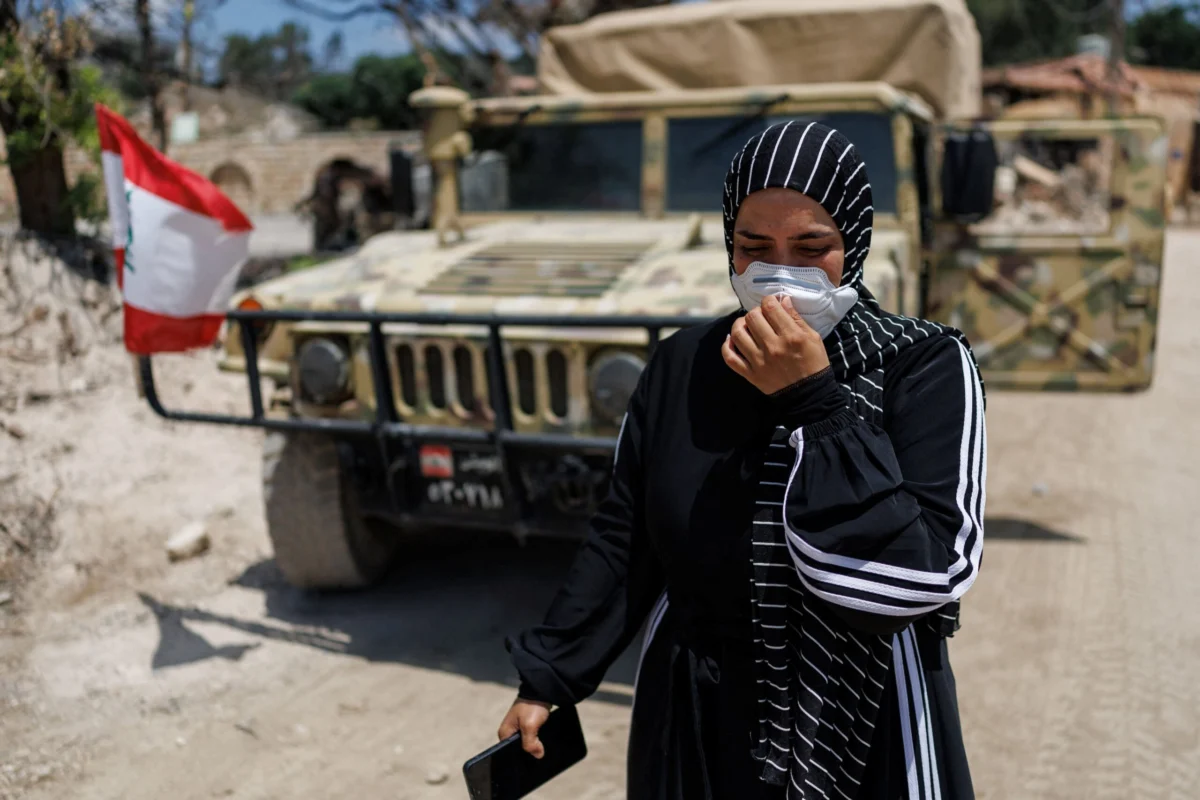
The image accompanying the original report, showing Lebanese soldiers deploying in Zawtar al-Gharbiyeh following an Israeli withdrawal under a US-brokered deal, further illustrates the broader regional efforts towards de-escalation and stability, even as other conflicts simmer. This suggests a multifaceted approach by international actors, particularly the United States, to manage various flashpoints across the Middle East, with the Strait of Hormuz being a primary concern. The "War on Iran" thus represents a complex web of challenges, making any credible diplomatic off-ramp, such as Oman’s proposal, particularly valuable.

Regional Reactions and International Perspectives
Tehran’s Deliberation
Iran’s response to the Omani proposal will be pivotal. While Tehran has historically resisted any perceived infringements on its sovereignty over the Strait, the current "War on Iran" context might compel a more pragmatic consideration. Accepting a joint mechanism could offer a pathway to de-escalation, reduce international pressure, and potentially unlock economic benefits through the proposed voluntary fees. However, Iran will weigh this against concerns about ceding control over a strategic asset and the implications for its regional power projection. Any acceptance would likely come with demands for significant Iranian input into the mechanism’s structure and operations.
Gulf States’ Cautious Optimism
Other Gulf Cooperation Council (GCC) states, particularly Saudi Arabia and the United Arab Emirates, are likely to view the proposal with cautious optimism. While they share concerns about Iranian influence, the prospect of a more stable and internationally recognized management framework for the Strait would be highly beneficial for their energy exports and overall economic security. Their "regional backing" for the Omani initiative indicates a desire to find a collective solution that minimizes the risk of direct conflict while ensuring the unimpeded flow of oil and gas. However, their support would hinge on the specifics of the mechanism, particularly regarding Iranian participation and the degree of international oversight.
Global Powers’ Endorsement
Major global powers, including the United States, European Union members, and key Asian energy importers like China, India, Japan, and South Korea, are expected to welcome Oman’s initiative. Ensuring freedom of navigation through the Strait of Hormuz is a core tenet of international maritime law and a top priority for these nations. The US Fifth Fleet, headquartered in Bahrain, actively patrols the Gulf, and any mechanism that enhances stability and reduces the risk of conflict would align with their strategic interests. International support would provide legitimacy and pressure for all parties to engage constructively.
Shipping Industry Relief
The global shipping industry, which faces exorbitant insurance premiums and operational risks due to regional tensions, would likely express significant relief. A joint, regionally backed mechanism could lead to a tangible reduction in threats, lower insurance costs, and provide greater predictability for maritime operations, benefiting global trade and supply chains.
Proposed Mechanism Details and Operational Challenges
The specifics of the Omani proposal for a "joint regional mechanism" remain undisclosed, but they would likely involve several key components:
- Joint Operations Center: A shared facility for monitoring vessel traffic, coordinating search and rescue, and responding to maritime incidents.
- Shared Patrols: While sensitive, a coordinated presence of naval assets from participating nations could be envisioned, possibly under a defined mandate.
- Standardized Navigation Protocols: Agreed-upon rules of engagement and communication channels to prevent misunderstandings and accidental escalation.
- Dispute Resolution Framework: A formal process for addressing disagreements or violations within the Strait.
- Voluntary Fees: The revenue generated could be pooled into a fund managed by a joint body, financing shared security measures, environmental protection, or regional development projects, offering a direct economic incentive for cooperation.
However, implementing such a mechanism presents formidable challenges. Building trust between long-standing rivals like Iran and some GCC states would be paramount. Defining the scope of "joint control" versus sovereign rights, establishing equitable financial contributions, and ensuring impartial enforcement would require intricate diplomatic negotiations. The role of external powers, particularly the United States, would also need to be carefully defined to avoid accusations of interference.
Broader Implications for Regional Security and Diplomacy
Should the Omani proposal gain traction, its implications could be far-reaching:
- New Regional Security Architecture: It could lay the groundwork for a broader, indigenous security framework in the Gulf, moving away from reliance on external powers and fostering greater regional self-reliance in managing shared challenges.
- De-escalation of "War on Iran": A successful agreement on the Strait of Hormuz could serve as a confidence-building measure, potentially paving the way for dialogue on other contentious issues related to the "War on Iran," such as proxy conflicts or nuclear concerns.
- Economic Stability: Enhanced security in the Strait would stabilize global energy markets, reduce economic uncertainty, and encourage foreign investment in the region.
- Enhanced Omani Standing: Muscat’s diplomatic prestige and influence would be significantly boosted, cementing its role as a vital mediator in the Middle East.
- Precedent for Cooperation: A successful joint management model for Hormuz could inspire similar cooperative approaches to other regional flashpoints or shared resources.
A Precarious Path Forward
Oman’s proposal represents a bold diplomatic initiative at a critical juncture in the Middle East. Emerging from the shadow of the "War on Iran," it offers a potential lifeline for stability and cooperation in a region often defined by conflict. While the road to implementation will be fraught with challenges, the very existence of such a regionally backed proposal signifies a growing recognition that collective action, rather than unilateral control, is the most viable path to securing the Strait of Hormuz for the benefit of all. The global community will be watching closely as Iran and other regional stakeholders deliberate on this crucial overture, which could redefine the future of maritime security and regional diplomacy in the Persian Gulf.

Related Posts
Over 150 Israeli Settlers Storm Al-Aqsa Compound and Perform Prayers, Violating Status Quo Under Police Protection.
UN Report Highlights Over 900 Obstacles Hampering West Bank Aid Amid Escalating Humanitarian Crisis