Nigerian Terrorism Trials Fail to Deliver Justice for International Crimes Human Rights Watch Reports
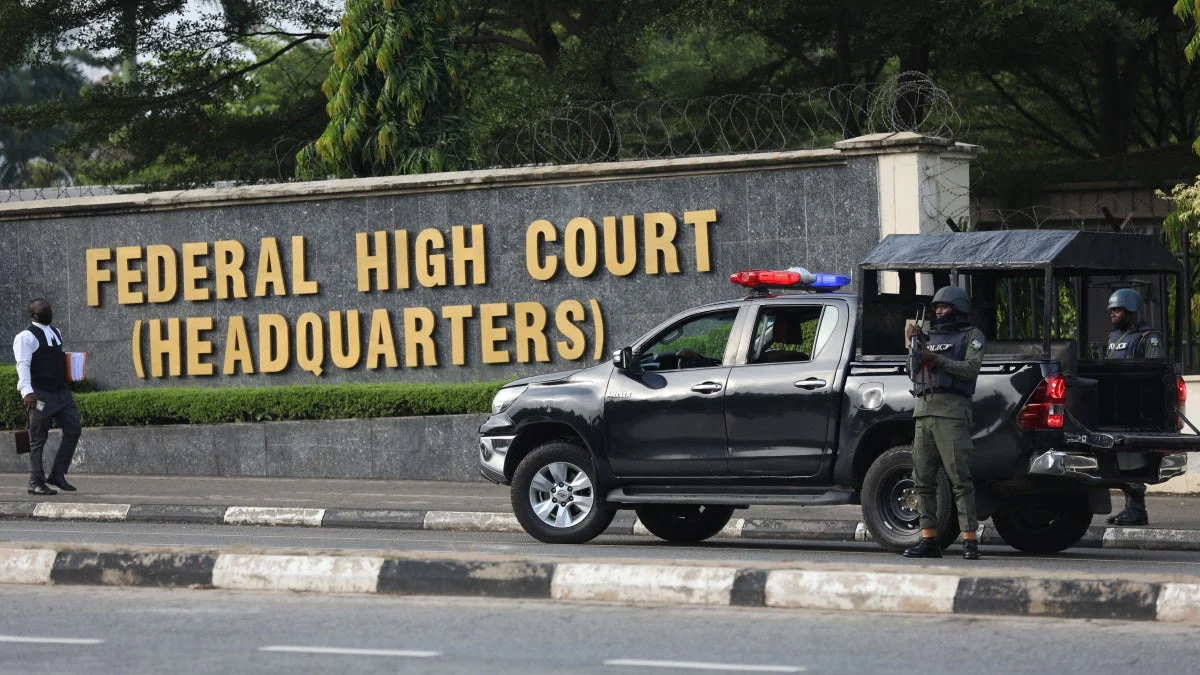
The Nigerian government’s ongoing prosecution of suspected Boko Haram and Islamic State West Africa Province (ISWAP) members is failing to address the most serious international crimes, focusing instead on low-level suspects through a judicial process fraught with fair trial concerns. In a detailed report released on July 22, 2026, Human Rights Watch (HRW) cautioned that the current legal strategy prioritizes volume over accountability, relying on weak evidence and broad interpretations of material support that often criminalize acts of survival in conflict zones. The findings come amid a significant escalation in judicial activity, with the ninth and tenth phases of mass terrorism trials commencing in the second quarter of 2026.
According to HRW, the ninth phase of these trials began on April 8, 2026, involving more than 500 defendants, while the tenth phase launched on June 15 with approximately 600 individuals. Despite the scale of these proceedings, the court dockets remain dominated by individuals accused of minor offenses, such as providing food or logistics to armed groups, while high-ranking commanders and those responsible for systematic atrocities remain largely unprosecuted. Furthermore, the trials have faced criticism for a lack of transparency and a failure to investigate alleged abuses committed by Nigerian security forces during the decade-long counter-insurgency operations.
Chronology of the Mass Terrorism Trials
The current judicial push is part of a long-standing effort by the Nigerian Federal Ministry of Justice to clear a massive backlog of detainees held in military facilities. The timeline of these efforts reveals a pattern of procedural challenges:
- June 2011: The Boko Haram insurgency escalates, leading to widespread arrests and the detention of thousands of suspects without trial.
- 2017–2018: The Nigerian government initiates mass trials at the Kainji military base. HRW and other observers raise concerns over the lack of public access and the speed of convictions.
- December 2020: The International Criminal Court (ICC) Prosecutor, Fatou Bensouda, concludes a preliminary examination, finding a reasonable basis to believe that both Boko Haram and Nigerian security forces committed war crimes and crimes against humanity.
- 2021–2023: Nigeria updates its legal framework with the Terrorism (Prevention) Act 2023, which broadens the scope of "terrorist acts" and increases penalties but removes certain legal safeguards.
- March 2026: The ICC Office of the Prosecutor (OTP) signs a Memorandum of Understanding (MoU) with Nigeria, deferring to the country’s domestic judicial system under the principle of complementarity.
- April–June 2026: The ninth and tenth phases of trials take place in Abuja, resulting in hundreds of convictions based primarily on guilty pleas.
Weak Evidentiary Standards and Plea-Driven Convictions
Human Rights Watch monitored proceedings in five separate courtrooms during the April and June sessions. A recurring theme across these cases was the absence of forensic evidence, witness testimony, or circumstantial proof. Instead, the prosecution relied almost exclusively on confessional statements obtained during years of pretrial detention.
In the 35 cases observed by HRW, prosecutors frequently withdrew charges when defendants entered a plea of "not guilty," citing an inability to substantiate the allegations. This led to the striking out of cases that potentially involved serious crimes, including attacks resulting in civilian deaths. Conversely, when defendants pleaded guilty—often to lesser charges of "material support"—the court proceeded to immediate sentencing without testing the validity of the confessions.
The director of public prosecutions defended this approach, stating that the strategy aims to disrupt the logistics and financing networks of terrorist organizations. However, HRW argues that this "plea-driven" model creates a perverse incentive for defendants, many of whom have been in detention since 2016, to plead guilty simply to secure a definitive end to their legal limbo, even if the sentences are harsh.
Criminalizing Survival: The Material Support Trap
One of the most concerning aspects of the recent trials is the prosecution of individuals for actions that may have been coerced. Under Section 13 of the Terrorism (Prevention) Act, providing material support to a proscribed group carries a penalty of up to 20 years in prison. The court proceedings observed in 2026 showed little distinction between voluntary collaborators and those living under the thumb of insurgent groups.
Specific cases highlighted in the report include:
- The "Religious Tax" Case: A defendant was sentenced to 20 years for paying a religious tax in the form of farm produce. The defense argued the payment was made under duress to avoid harm to the defendant’s family, but the court maintained the conviction.
- The Livestock Case: A defendant received a 25-year sentence for rearing goats for Boko Haram. The defendant stated that the group had invaded his village and forced him into labor, yet this was treated as a mitigating factor rather than a defense.
- The Information Gap: Multiple defendants were sentenced to 10 years for failing to report the presence of insurgents to security forces, even in areas where no government security presence existed to receive such reports.
HRW notes that the 2023 amendment to the Terrorism Act removed the "reasonable excuse" defense for failing to report terrorist activity, a move that human rights advocates say unfairly targets vulnerable populations in conflict-affected regions.
Official Responses and the Role of the Legal Aid Council
The Nigerian government maintains that its judicial process is a balanced attempt to uphold national security while respecting constitutional rights. In a response to HRW, the Federal Ministry of Justice emphasized that prosecuting support networks—including those involved in recruitment and logistics—is an internationally recognized strategy for dismantling terrorist organizations.
The Legal Aid Council of Nigeria, which provides pro bono representation for the vast majority of these defendants, expressed dissatisfaction with some of the sentences handed down during the ninth phase. The Council confirmed it has filed appeals in several cases where it believes the convictions were not supported by the facts or where the sentencing was disproportionate to the alleged offense. Despite these efforts, the speed at which cases are processed—sometimes involving hundreds of defendants in just four days—limits the ability of defense counsel to mount a robust, individualized defense for each client.
International Oversight and the Impunity Gap
The March 2026 Memorandum of Understanding between the ICC and the Nigerian government was intended to bolster domestic accountability. Under the principle of complementarity, the ICC only intervenes when a state is unwilling or unable to prosecute international crimes. By signing the MoU, the ICC OTP effectively granted the Nigerian authorities more time to demonstrate their commitment to justice.
However, HRW argues that the current focus of the trials—almost exclusively on non-state actors like Boko Haram, ISWAP, and the Indigenous People of Biafra (IPOB)—leaves a significant "impunity gap." To date, there have been no high-profile prosecutions of Nigerian security forces for the alleged extrajudicial killings, arbitrary detentions, and sexual violence documented by international observers over the last decade.
"The ICC Prosecutor’s office should use its leverage to ensure that ‘justice’ is not just a series of mass convictions of low-level suspects," said Anietie Ewang, Nigeria researcher at Human Rights Watch. "Genuine accountability requires investigating the architects of the violence on all sides of the conflict."
Implications and Recommendations for Reform
The findings of the HRW report suggest that without significant reform, the Nigerian terrorism trials risk becoming a tool of administrative detention rather than a mechanism for justice. The report outlines several urgent recommendations for the Nigerian authorities:
- Amend the Terrorism (Prevention) Act: Reintroduce defenses for individuals who act under duress or coercion and narrow the definition of "material support" to exclude acts of basic survival.
- Prioritize High-Level Offenders: Shift the focus of the prosecution from foot soldiers and coerced civilians to the leadership of insurgent groups and security force members accused of atrocities.
- Enhance Evidentiary Standards: End the reliance on "plea-driven" convictions and ensure that all charges are supported by independent forensic or testimonial evidence.
- Transparency and Public Access: Allow greater independent monitoring of all trial phases to ensure compliance with international fair trial standards.
As Nigeria continues to navigate the complex aftermath of the Boko Haram insurgency, the credibility of its judicial system remains under intense international scrutiny. While the resumption of trials is a necessary step toward clearing detention centers, the quality of justice delivered will ultimately determine whether the country can achieve lasting peace and reconciliation. For now, the victims of the most serious international crimes in Nigeria continue to wait for a legal process that addresses the true scale of the horrors they have endured.

Related Posts
Human Rights Watch Calls for Investigation into Death of Detainee Following Removal from Najaf Hospital by Iraqi Drug Police
Human Rights Watch Urges UN Security Council to Extend Lebanon Peacekeeping Mission Amid Escalating Conflict and Humanitarian Crisis