Kano Business Leaders Press Federal Government for Urgent Release of N5 Billion Singer Market Fire Relief Fund
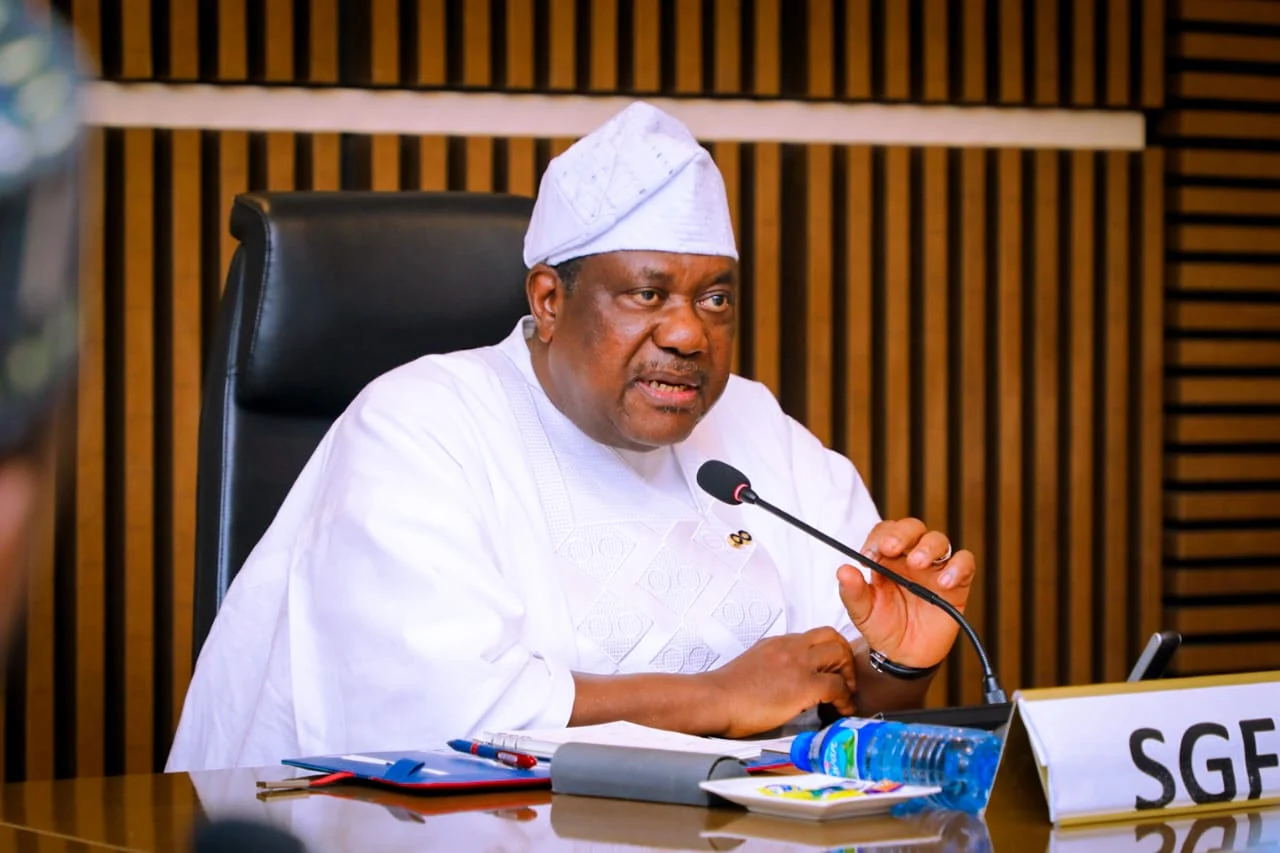
A high-powered delegation representing the Kano business community and state government officials met with the Secretary to the Government of the Federation, Senator George Akume, on Thursday to formalize an urgent request for the immediate disbursement of a N5 billion federal relief package. The funds were pledged to support thousands of traders whose livelihoods were decimated by a devastating inferno at the historic Singer Market earlier this year. The meeting, which took place at the Office of the Secretary to the Government of the Federation (OSGF) in Abuja, highlights the mounting pressure on the federal administration to fulfill its humanitarian commitment as the economic recovery of the region remains stalled.
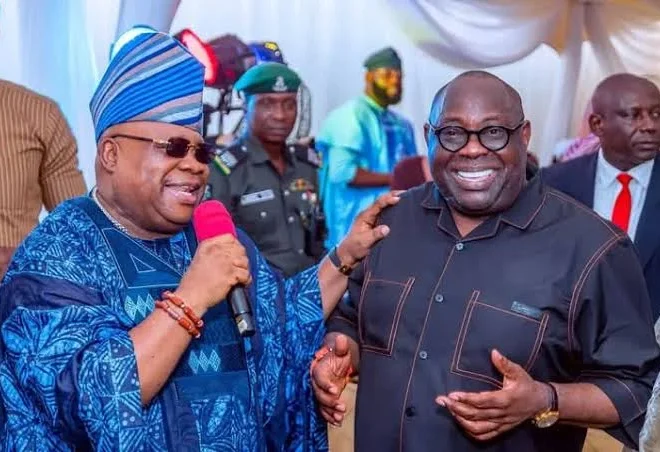
The delegation, which included the President of the Association of Kano Business Community, Alhaji Sabiu Bako; Kano State Commissioner for Finance, Dr. Ismail Danmaraya; APC National Ex-Officio, Muhammad Yusuf; Chairman of the Singer Market, Junaidu Zakari; and prominent businessman, Alhaji Kabiru Gano, emphasized that the delay in the disbursement of funds is exacerbating the plight of local entrepreneurs. According to a statement released by the spokesperson for the Kano State Governor, Sunusi Dawakin Tofa, the interaction served as both a formal reminder of the government’s pledge and a strategic appeal for administrative speed in the release process.
The Genesis of the Singer Market Disaster
Singer Market stands as one of Northern Nigeria’s most vital commercial nerve centers. The fire incident, which triggered the government’s pledge, caused catastrophic damage to infrastructure, inventory, and supply chains that serve not only Kano State but the broader West African sub-region. The inferno, the cause of which remains a subject of ongoing forensic evaluation, leveled hundreds of stalls, resulting in losses estimated by local trade unions to be in the tens of billions of naira.
For the traders, many of whom operate within the informal sector with limited access to commercial insurance, the destruction was total. The market is a cornerstone of the regional economy, facilitating the wholesale distribution of food items, consumer goods, and agricultural produce. The disruption of activities at Singer Market has had a ripple effect, contributing to localized inflation and supply shortages in surrounding states, underscoring the necessity of the federal intervention fund.
Chronology of the Political and Economic Pledges
The promise of financial support was made during a high-profile political event on January 26, 2026. During the official reception marking the defection of Governor Abba Yusuf to the All Progressives Congress (APC), Vice President Kashim Shettima utilized the platform to articulate the Federal Government’s solidarity with the state. The defection was a significant political realignment, involving the governor, 22 members of the State House of Assembly, eight members of the House of Representatives, and 44 local government chairmen.
It was during this assembly that Vice President Shettima officially announced the Federal Government’s approval of a N5 billion intervention fund. Furthermore, the Progressive Governors’ Forum (PGF), led by Governor Hope Uzodimma, added an additional layer of support with a pledge of N3 billion, bringing the total promised assistance to N8 billion. The Vice President stated clearly at the time, "President Bola Tinubu has approved the release of N5 billion to the Kano State Government as palliative support for this incident."
Data-Driven Impact and Economic Implications
The requested N5 billion is intended to serve as a critical liquidity injection. In the months following the fire, the Kano State government and the affected traders have grappled with the logistical challenges of debris removal, site clearance, and the reconstruction of market stalls.

Economic analysts point out that the delay in releasing these funds has created a "recovery vacuum." Without access to capital, traders are unable to restock their inventories, leading to a sustained downturn in daily market turnover. If the market operates at reduced capacity, the state’s internally generated revenue (IGR) also suffers, as the market acts as a primary tax collection point for the local municipal government. The intervention is not merely a charitable act but an economic imperative to stabilize the commercial ecosystem of Kano.
Official Responses and Administrative Hurdles
During the meeting with Senator George Akume, the delegation expressed their appreciation for President Tinubu’s initial approval while urging for a bypass of bureaucratic bottlenecks that may be delaying the physical transfer of funds. Senator Akume acknowledged the gravity of the situation and assured the delegation that the matter is receiving priority attention within the Presidency.
"The concerns of the Kano business community have been duly noted," the SGF stated, reaffirming that the federal administration remains committed to the welfare of the victims. However, the SGF’s office has historically navigated complex auditing requirements before the release of such large-scale emergency funds. The delegation’s visit is seen as an attempt to expedite the verification process, ensuring that the funds reach the intended beneficiaries—the actual traders—rather than being diverted or stalled in departmental reviews.
Broader Context of Federal Emergency Interventions
The Singer Market incident is part of a recurring pattern of fire disasters in Nigeria’s major urban markets. From the Balogun Market in Lagos to the Onitsha Main Market in Anambra, these infernos highlight a systemic lack of fire safety infrastructure, including inadequate water hydrant systems, limited access for emergency vehicles, and the proliferation of flammable, non-compliant building materials.
The federal government’s decision to intervene financially represents a shift toward a more proactive, albeit reactive, fiscal policy regarding state-level disasters. By providing the N5 billion, the federal government seeks to maintain stability in a key political and economic stronghold. However, the delay in disbursement has become a focal point of public discourse, with critics arguing that emergency aid must be decoupled from standard procurement processes to be truly effective.
Future Outlook and Expectations
The expectation now rests on the Office of the Secretary to the Government of the Federation to provide a concrete timeline for the disbursement. The traders of Singer Market, represented by Junaidu Zakari, have maintained a stance of cautious optimism. The restoration of the market is expected to take months, if not years, given the scale of the reconstruction required.
As the federal government navigates its current fiscal constraints, the Singer Market funds have become a litmus test for the administration’s ability to respond to localized economic crises. The successful release of the N5 billion, followed by the N3 billion from the Progressive Governors’ Forum, would likely serve as a morale booster for the business community and a validation of the political alliance formed earlier this year.
In the coming weeks, the Kano State government is expected to establish a transparent monitoring committee to ensure that the funds are distributed fairly to those who suffered verified losses. Such a committee would be essential in maintaining public trust and ensuring that the federal intervention achieves its intended goal of restoring commercial vibrancy to one of Nigeria’s most significant markets. As the situation evolves, the focus remains on the transition from political promises to tangible financial relief, a transition that the Kano business community is now vigilantly tracking.