
International Maritime Organization Chief Condemns Red Sea Shipping Attacks Amid Escalating Regional Tensions and Environmental Fears
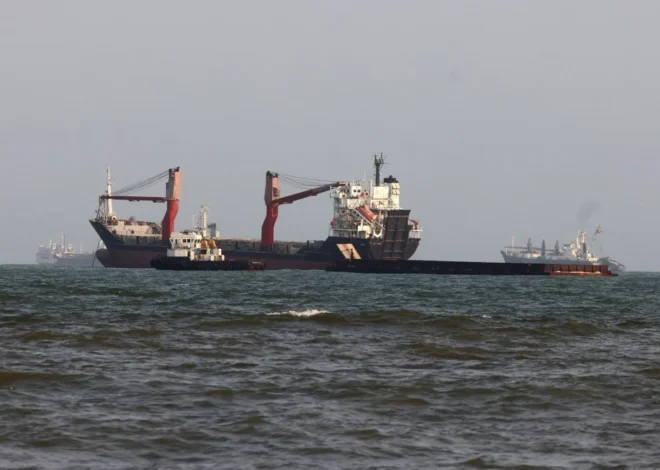
The head of the International Maritime Organization (IMO), Arsenio Dominguez, on Thursday unequivocally condemned the latest reported attacks on international shipping in the Red Sea area, following reports of Houthi militants in Yemen targeting Saudi Arabian oil tankers. The incident, which saw one of two vessels confirmed ablaze after an assault while sailing in the critical maritime artery, reignited grave concerns over the safety of navigation, the stability of global energy markets, and the potential for devastating environmental pollution in a vital marine ecosystem. Dominguez specifically highlighted his deep worry regarding the prospective ecological fallout from such incidents in both the Red Sea and the strategically crucial Strait of Hormuz area, emphasizing the broader implications for international trade and environmental security.
Immediate Incident and Official Condemnation
The specific incident unfolded with the Houthis, an Iran-aligned group controlling large swathes of Yemen, claiming responsibility for a military operation targeting two Saudi Arabian oil tankers. This assertion was subsequently corroborated by Saudi state media, which confirmed that one of the two targeted vessels had caught fire after being struck in the Red Sea. While details regarding the extent of the damage to the second tanker or potential casualties remained under investigation, the confirmed strike on a crude oil carrier underscored the Houthis’ persistent capability and intent to disrupt maritime traffic essential to global commerce and energy supply.
The IMO, as the United Nations specialized agency responsible for the safety and security of shipping and the prevention of marine pollution by ships, quickly issued its condemnation. Arsenio Dominguez’s statement served as a stark reminder of the international community’s commitment to upholding the principles of freedom of navigation and the imperative of protecting marine environments from deliberate acts of aggression. His emphasis on the "unequivocal" nature of his condemnation reflected the seriousness with which the international maritime body views such acts, which contravene international law and endanger the lives of seafarers and the integrity of global supply chains. The dual concern for both human safety and ecological preservation highlighted the multifaceted risks inherent in these regional conflicts spilling over into international waters.
The Strategic Nexus: Red Sea and Strait of Hormuz
The Red Sea, a narrow stretch of water connecting the Indian Ocean to the Mediterranean Sea via the Suez Canal, is one of the world’s most vital maritime trade routes. It serves as a crucial transit point for approximately 12% of global trade and a significant portion of the world’s oil and natural gas supplies, particularly between Europe and Asia. At its southern end lies the Bab el-Mandeb Strait, meaning "Gate of Tears" in Arabic, a narrow choke point just 29 kilometers (18 miles) wide, making it highly vulnerable to disruptions. Any significant interference with shipping in this area has immediate repercussions for global energy prices, freight costs, and the stability of international supply chains.
Further to the east, the Strait of Hormuz, connecting the Persian Gulf to the Arabian Sea, is another indispensable maritime bottleneck. Roughly a fifth of the world’s total oil consumption, and a quarter of the world’s liquefied natural gas (LNG), passes through this 39-kilometer (24-mile) wide strait daily. Dominguez’s concern for this area, even though the immediate attack was in the Red Sea, reflects the interconnectedness of maritime security in the broader Middle East and the potential for regional conflicts to escalate and impact multiple critical shipping lanes. The explicit mention of pollution risks in both areas underscores the catastrophic environmental consequences should an oil tanker or LNG carrier be significantly damaged or sink.
Background of the Yemen Conflict and Houthi Maritime Strategy
The attacks on shipping in the Red Sea are inextricably linked to the protracted civil war in Yemen, which began in late 2014. The conflict pits the Iran-aligned Houthi movement (Ansar Allah) against the internationally recognized Yemeni government, backed by a Saudi-led military coalition. The Houthis, a Zaydi Shia group, seized the capital Sanaa in 2014, prompting the Saudi-led intervention in March 2015 with the stated aim of restoring the legitimate government and curbing Iranian influence.
From the outset of the Saudi-led intervention, the Houthis have consistently sought to retaliate against Saudi Arabia and its allies, not only through cross-border missile and drone attacks on Saudi cities and oil infrastructure but also by targeting maritime assets. Their strategy aims to exert economic and political pressure on the coalition, disrupt the flow of aid and commerce to their adversaries, and assert their capacity to project power beyond Yemen’s land borders. The Red Sea, bordering Yemen’s western coast, offers a direct avenue for such maritime aggression.
Over the years, the Houthis have demonstrated an evolving capability to threaten shipping, employing anti-ship missiles, remote-controlled explosive boats (USVs or "drone boats"), and sea mines. These weapons systems, some allegedly supplied or developed with assistance from Iran, pose a significant and asymmetric threat to naval vessels and commercial shipping alike. The targeting of Saudi oil tankers specifically aligns with the Houthis’ broader objective of inflicting economic pain on their primary adversary and disrupting a key element of Saudi Arabia’s national income and global influence.
Timeline of Escalation and Previous Incidents
While the "latest reported attacks" mentioned by Dominguez refer to a specific incident, they are part of a broader pattern of Houthi maritime aggression that has evolved over the course of the Yemen conflict.
- 2016: The Houthis began demonstrating rudimentary anti-ship capabilities, notably targeting a United Arab Emirates (UAE) logistics vessel, the HSV-2 Swift, off the coast of Yemen.
- 2017: Houthi forces claimed attacks on Saudi warships and continued to employ remote-controlled explosive boats, often targeting vessels close to the Bab el-Mandeb Strait. These early incidents prompted international warnings and enhanced naval patrols in the area.
- 2018: This period saw a notable uptick in Houthi threats and actual attacks on commercial shipping, particularly targeting Saudi vessels. The incident involving the Saudi oil tankers, as condemned by the IMO chief, fits into this escalating pattern. Saudi Arabia briefly suspended oil shipments through the Bab el-Mandeb Strait in response to one such attack on two of its oil tankers, demonstrating the immediate economic impact of these threats. This suspension underscored the vulnerability of the route and the serious implications for global energy security.
- Ongoing: Despite international efforts for de-escalation and various ceasefires, Houthi threats to maritime navigation have persisted, adapting to naval countermeasures and continuing to pose a challenge to regional and international security.
International Reactions and Calls for De-escalation
Beyond the IMO’s condemnation, the international community has consistently expressed alarm over the Houthi attacks on shipping.
- Saudi Arabia and Coalition Allies: Riyadh has repeatedly condemned the Houthi actions as acts of terrorism and piracy, calling for stronger international measures to protect freedom of navigation. The Saudi-led coalition has also undertaken naval operations to counter Houthi maritime threats, including intercepting explosive boats and clearing sea mines.
- United Nations: The UN Special Envoy for Yemen has routinely called for a de-escalation of hostilities, including attacks on shipping, as part of broader efforts to find a political solution to the Yemeni conflict. The UN has emphasized that such attacks undermine humanitarian aid efforts and regional stability.
- United States and European Powers: Major maritime powers, including the United States, United Kingdom, and France, have consistently reiterated their commitment to freedom of navigation in international waters. They have deployed naval assets to the region as part of counter-piracy missions and to safeguard maritime security, often issuing strong condemnations of Houthi actions and attributing blame for destabilizing activities. Statements from these nations typically emphasize the illegality of targeting commercial vessels and the need for all parties to respect international maritime law.
- Shipping Industry and Insurers: The shipping industry has voiced profound concerns over the safety of seafarers and the viability of the Red Sea route. Increased security risks translate directly into higher operating costs, primarily through elevated war risk insurance premiums. Insurers often designate certain areas as "listed areas" or "war risk zones," leading to surcharges that can significantly impact shipping companies’ profitability and, by extension, global freight rates. Some companies have considered, or actively undertaken, rerouting vessels around the Cape of Good Hope, adding weeks to transit times and substantially increasing fuel consumption and costs, thereby disrupting global supply chains.
Economic Implications
The implications of sustained threats to shipping in the Red Sea and potentially the Strait of Hormuz are far-reaching:
- Global Oil Prices: Any significant disruption or perceived threat to major oil transit routes like the Red Sea or Strait of Hormuz can trigger volatility in global oil markets. Fear of supply shortages or increased transport costs can lead to speculative price hikes, impacting consumers and industries worldwide. The targeting of oil tankers directly threatens the physical supply of crude, creating immediate market anxieties.
- Shipping Costs and Supply Chains: The most immediate economic impact is on the cost of shipping. War risk insurance premiums can skyrocket, making the Red Sea route prohibitively expensive for some carriers. Should rerouting become widespread, the extended voyages around Africa would add thousands of nautical miles, weeks to delivery schedules, and massive increases in fuel consumption, translating into higher freight rates for all types of goods. This ripple effect can disrupt global supply chains, delay deliveries, and ultimately increase the cost of consumer goods, potentially contributing to inflation.
- Regional Economies: Nations bordering the Red Sea, particularly those reliant on maritime trade and port activities (e.g., Egypt via the Suez Canal, Djibouti, Saudi Arabia), face direct economic consequences from reduced traffic and increased security concerns. Investment in the region could also be deterred by the perception of instability.
Environmental Concerns and Catastrophic Potential
Arsenio Dominguez’s specific concern about pollution underscores a critical and often overlooked aspect of these attacks. The Red Sea is a semi-enclosed body of water with unique and fragile marine ecosystems, including extensive coral reefs that are highly biodiverse and crucial for regional fisheries and tourism. An oil spill from a damaged tanker in this environment could have catastrophic consequences:
- Ecological Damage: Large-scale oil spills can decimate coral reefs, marine wildlife (fish, birds, mammals), and coastal habitats like mangroves and seagrass beds. The long-term recovery from such an event can take decades, if not centuries.
- Economic Impact on Coastal Communities: Fisheries, aquaculture, and tourism industries along the Red Sea coast, which are vital for local livelihoods, would be severely impacted. Desalination plants, critical for providing fresh water to arid coastal populations, could also be contaminated, creating a humanitarian crisis.
- Difficulty of Cleanup: The warm waters of the Red Sea, combined with its unique currents and the presence of sensitive ecosystems, make oil spill cleanup operations particularly challenging and expensive.
- Strait of Hormuz Threat: The potential for a similar incident in the Strait of Hormuz would be even more devastating given the immense volume of oil passing through it daily, threatening the rich marine life of the Persian Gulf and the economies of surrounding nations.
Future Outlook and Challenges
The ongoing Houthi attacks on shipping in the Red Sea represent a persistent and evolving challenge to international maritime security. The situation is complex, intertwined with the broader geopolitical dynamics of the Middle East, the unresolved Yemen conflict, and the alleged role of external actors.
- De-escalation Efforts: Achieving a lasting resolution to the Yemen conflict is paramount to addressing the root causes of Houthi maritime aggression. International diplomatic efforts continue, but progress remains slow and fragile.
- Naval Presence and Countermeasures: Maintaining a robust international naval presence in the Red Sea and Bab el-Mandeb Strait is crucial for deterring attacks, protecting commercial shipping, and responding to incidents. However, the vastness of the area and the asymmetric nature of Houthi threats make complete protection difficult.
- Technological Advancement: The Houthis continue to adapt their tactics and weaponry, necessitating ongoing intelligence gathering and the development of advanced countermeasures by maritime security forces.
- Environmental Preparedness: Given the high risk of pollution, enhancing regional and international capabilities for rapid response to marine environmental disasters, including oil spills, is critically important. This includes pre-positioning equipment, developing coordinated emergency plans, and conducting joint exercises.
In conclusion, the condemnation by the IMO chief of attacks on Red Sea shipping serves as a potent reminder of the severe and multi-faceted risks emanating from regional conflicts. These incidents not only imperil human lives and disrupt global trade but also pose an existential threat to precious marine environments. The international community faces the ongoing challenge of navigating these complex geopolitical waters, balancing the imperative of freedom of navigation with the urgent need for diplomatic solutions and robust environmental protection. The Red Sea and the Strait of Hormuz remain critical arteries of global commerce, their security and environmental integrity demanding sustained international vigilance and cooperation.

Related Posts
Over 150 Israeli Settlers Storm Al-Aqsa Compound and Perform Prayers, Violating Status Quo Under Police Protection.
UN Report Highlights Over 900 Obstacles Hampering West Bank Aid Amid Escalating Humanitarian Crisis