Hezbollah Chief Naim Qassem Denounces Lebanese President Joseph Aoun’s Direct Talks with Israel, Igniting Internal Controversy Amid Regional Tensions.
In a televised address on August 4, 2026, Hezbollah’s Deputy Secretary-General, Naim Qassem, vehemently criticized Lebanese President Joseph Aoun for engaging in direct negotiations with Israel, labeling the head of state as "biased and divisive." This sharp rebuke from one of Lebanon’s most powerful political and military figures immediately sent ripples through the nation’s already fragile political landscape, underscoring deep-seated divisions over foreign policy and national sovereignty, particularly concerning relations with the state of Israel. The pronouncement, delivered at approximately 00:45 BST on August 5, 2026, further complicated Beirut’s internal dynamics amidst escalating regional tensions, including an overarching "War on Iran" narrative that has gripped the Middle East.
Qassem’s condemnation came as a stark reminder of Hezbollah’s enduring influence over Lebanese affairs and its unwavering stance against any normalization or direct engagement with Israel, a nation with which Lebanon technically remains in a state of war. The Hezbollah chief also stated that there was "no objection to a public meeting between Hezbollah and the Syrian leadership," a declaration that simultaneously reinforced the "Axis of Resistance" alignment while signaling a potential strategic consolidation with Damascus in the face of perceived internal dissent and broader regional challenges.
Background to the Controversial Negotiations
President Joseph Aoun’s decision to pursue direct talks with Israel, the specifics of which remain largely undisclosed to the public but are clearly known to Hezbollah, represents a significant departure from Lebanon’s longstanding policy. Historically, any engagement with Israel has been conducted indirectly, primarily through United Nations mediation, particularly regarding border demarcation issues or prisoner exchanges. The shift towards direct dialogue, even if framed by the presidency as a necessary step for national interest, stability, or de-escalation, is fraught with peril given the deep historical animosity and the powerful anti-normalization sentiment held by a substantial segment of the Lebanese population, spearheaded by Hezbollah.
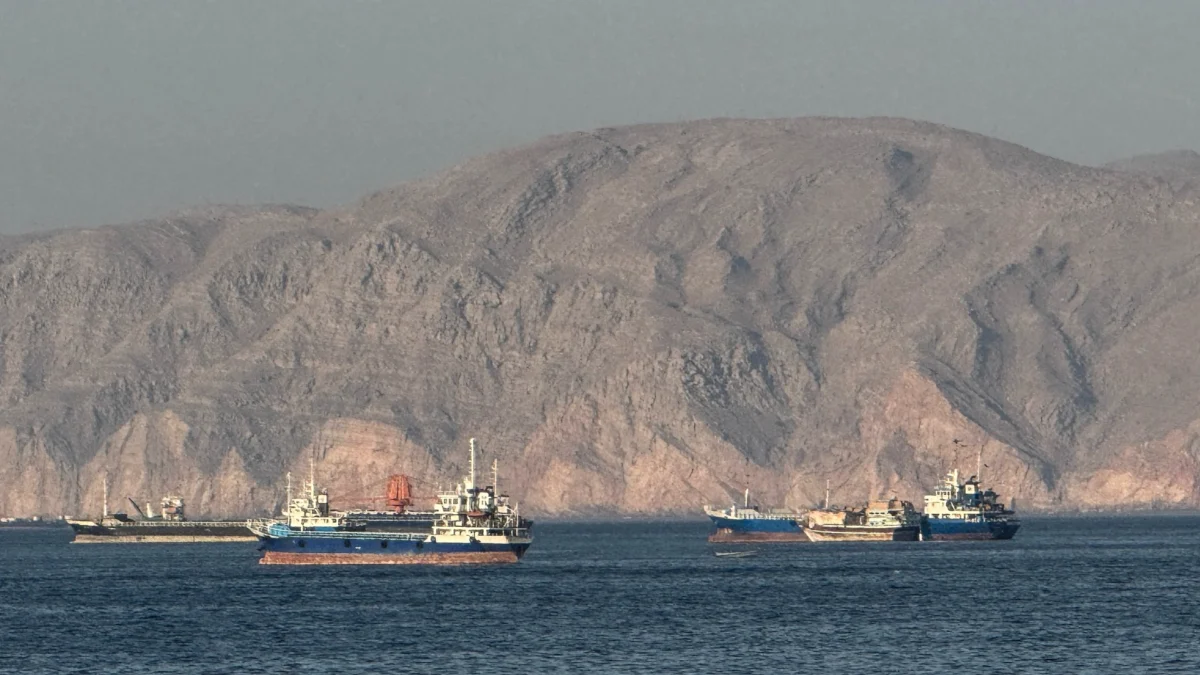
Sources close to the presidential palace, speaking on condition of anonymity, suggested that President Aoun’s initiative might have been driven by a complex array of factors. These could include a desire to secure Lebanon’s maritime and land borders, address persistent security concerns along the Blue Line, or even explore avenues for de-escalation in the context of the wider regional conflict—the "War on Iran"—that has heightened anxieties across the Middle East. With reports of increased military activities and strategic deployments across the Gulf, exemplified by vessels anchored off Oman on August 4, 2026, Lebanese leaders might feel compelled to safeguard national interests through any available diplomatic channel. However, such a move without a broad national consensus risks isolating the presidency and exacerbating internal rifts.
Hezbollah’s Unwavering Stance and Role
Naim Qassem, as the second-in-command of Hezbollah, holds significant ideological and operational authority within the organization. His statements are widely regarded as reflecting the official position of the party. Hezbollah, a powerful Shia political party and militant group, views Israel as an existential enemy and has built its legitimacy and military apparatus around the "resistance" against Israeli occupation and aggression. For Hezbollah, any direct negotiation with Israel, especially by the Lebanese head of state, undermines this core tenet, legitimizes the Israeli state, and potentially compromises the "resistance front" that it leads in Lebanon.
Qassem’s choice of words, "biased and divisive," directly challenged President Aoun’s authority and neutrality. It implied that Aoun was acting against the national interest as defined by the "resistance" and aligning himself with external agendas. This public rebuke highlights Hezbollah’s perception of its own role as the ultimate arbiter of Lebanon’s foreign policy on matters concerning Israel, effectively asserting a veto power over any diplomatic initiative that deviates from its ideological line. The group’s formidable military capabilities, political representation in parliament, and extensive social services network grant it unparalleled influence, making it a crucial, if controversial, player in Lebanese governance.
The Fractured Lebanese Political Landscape
Lebanon’s political system is characterized by a delicate confessional power-sharing arrangement, which often leads to governmental paralysis and deep-seated divisions. The presidency, parliament, and various political blocs frequently find themselves at odds, particularly on sensitive issues like foreign policy and national security. President Aoun, a former military commander, ascended to the presidency with a mandate to stabilize a nation grappling with economic collapse, widespread corruption, and political gridlock. His efforts to navigate these challenges have often been hampered by the intricate web of alliances and rivalries that define Lebanese politics.
Hezbollah’s condemnation of President Aoun’s negotiations is not merely a political critique; it underscores a fundamental struggle for control over Lebanon’s strategic direction. While the President is constitutionally empowered to conduct foreign policy, Hezbollah, as a state-within-a-state, often dictates the parameters of that policy, particularly concerning Israel. This dynamic creates an inherent tension between the sovereign authority of the state and the powerful influence of non-state actors, perpetually challenging the notion of a unified Lebanese national interest. The accusation of "divisive" behavior from Qassem points to this internal conflict, suggesting Aoun’s actions threaten national unity by diverging from Hezbollah’s established "resistance" narrative.
The Syrian Dimension: Reinforcing the Axis
Naim Qassem’s simultaneous announcement that Hezbollah had "no objection to a public meeting between Hezbollah and the Syrian leadership" is equally significant. This statement reaffirms the enduring alliance between Hezbollah and the Syrian government, led by President Bashar al-Assad, which forms a critical component of the "Axis of Resistance" that also includes Iran. Such a public meeting, if it materializes, would serve multiple strategic purposes:

- Show of Unity: In the wake of Qassem’s criticism of Aoun, a public meeting with Syrian leadership would project an image of solidarity and strength within the Axis, counteracting any perception of weakening resolve or internal discord.
- Strategic Coordination: Amidst the broader "War on Iran" and heightened regional tensions, direct talks between Hezbollah and Syria would facilitate coordination on security matters, military strategy, and political messaging.
- Regional Signaling: It sends a clear message to adversaries, including Israel and its allies, that the Axis remains cohesive and prepared to respond to challenges, despite any internal Lebanese political maneuvering.
- Legitimacy Reinforcement: For Hezbollah, publicly engaging with a sovereign state like Syria reinforces its own standing as a regional actor with diplomatic clout, beyond its role as a non-state actor within Lebanon.
This move underscores the multifaceted nature of Hezbollah’s strategy, which involves both internal political maneuvering within Lebanon and robust external alliances that shape its regional influence.
Regional Instability and the "War on Iran" Context
The backdrop against which these Lebanese internal tensions are playing out is one of profound regional instability, characterized by a looming "War on Iran." While the specific details of this conflict are complex and multifaceted, it broadly refers to heightened geopolitical and military confrontation involving Iran and its allies against a coalition of adversaries, often including the United States, Israel, and some Gulf states. This conflict manifests through proxy wars, cyber warfare, economic sanctions, and strategic military posturing across the Middle East.
The visual evidence of "vessels anchored Oman 4 August 2026" serves as a stark reminder of the increased naval presence and strategic deployments in the Persian Gulf and surrounding waterways. This militarization of key maritime routes highlights the critical energy and trade interests at stake, as well as the potential for rapid escalation. In this volatile environment, Lebanon, sharing a border with Israel and deeply integrated into the "Axis of Resistance" through Hezbollah, finds itself on a precarious frontline.
Any perceived diplomatic overture from a Lebanese President towards Israel could be interpreted within the broader "War on Iran" context in several ways:
- Weakening the Resistance: From Hezbollah’s perspective, it could be seen as undermining the collective strength of the "Axis of Resistance" at a critical juncture.
- De-escalation Attempt: From Aoun’s perspective, it might be a genuine attempt to de-link Lebanon from the wider regional conflict and secure its own borders, preventing it from becoming an unwilling battleground.
- Strategic Maneuver: From an external perspective, it could be viewed as a calculated diplomatic move, possibly encouraged by international actors seeking to reduce flashpoints.
The regional stakes are incredibly high, and Lebanon’s internal political struggles are inextricably linked to these larger geopolitical currents.
Inferred Reactions and Official Responses
While no immediate official statements from President Aoun’s office or Israel were reported following Qassem’s address, several reactions can be logically inferred:
- President Aoun’s Office: Would likely defend the negotiations as a sovereign decision taken in the best interest of the Lebanese state. They would emphasize the President’s constitutional authority to conduct foreign policy and pursue diplomatic solutions to ensure national stability and security. Any engagement would be framed as an attempt to de-escalate tensions, protect Lebanese assets (such as offshore energy resources), or address humanitarian concerns, rather than a move towards normalization. The presidency might also stress the importance of dialogue in preventing Lebanon from being dragged into a wider regional conflict.
- Israeli Government: Would likely acknowledge the direct engagement, confirming their willingness to explore diplomatic channels with Lebanon. They would probably reiterate their commitment to regional stability and their security interests, welcoming any overture that could lead to calmer borders and mutual understanding, regardless of the internal Lebanese political complexities. Israel would likely frame these talks as a positive step towards managing potential escalations, especially given the "War on Iran" context.
- International Community: Mediators and major powers (e.g., the United Nations, the United States, France) would likely express cautious optimism about any direct dialogue between Lebanon and Israel, while simultaneously urging all Lebanese parties to prioritize national unity and stability. They would emphasize the importance of peaceful resolution of disputes and the need to avoid actions that could further destabilize the region, particularly in the shadow of the "War on Iran." They might also call for respect for Lebanon’s sovereignty and its leaders’ right to make foreign policy decisions.
Implications for Lebanon and the Region
Naim Qassem’s public denunciation carries profound implications for Lebanon’s internal political stability and its regional standing:
- Deepened Political Polarization: The criticism will undoubtedly exacerbate existing political divisions within Lebanon. It casts President Aoun as potentially compromising national principles, deepening the chasm between the pro-Hezbollah bloc and other political factions that might support, or at least not vehemently oppose, diplomatic initiatives. This could lead to further governmental paralysis and an inability to address the nation’s pressing socio-economic crises.
- Challenge to Presidential Authority: Hezbollah’s move directly challenges the legitimacy and authority of the Lebanese presidency in conducting foreign policy. It reinforces the perception that Hezbollah, rather than the state, holds the ultimate say on matters of war and peace with Israel, undermining the concept of a sovereign Lebanese state.
- Future of Lebanon-Israel Relations: While the direct talks themselves might represent a nascent, albeit controversial, diplomatic channel, Qassem’s statement could effectively derail any progress. It signals that any agreement reached through such direct negotiations would lack internal legitimacy and would likely be opposed, potentially violently, by Hezbollah, making implementation impossible.
- Regional Dynamics: The incident highlights Lebanon’s unenviable position as a battleground for regional proxy conflicts. The internal friction over engagement with Israel directly impacts the broader "Axis of Resistance" strategy in the "War on Iran." It could either consolidate the Axis’s resolve by purging perceived internal weaknesses or expose vulnerabilities if other factions in Lebanon decide to push back against Hezbollah’s dominance. The re-emphasis on the Syrian-Hezbollah alliance further underscores the enduring nature of this strategic alignment against regional adversaries.
- Economic Impact: Political instability and foreign policy disputes invariably deter foreign investment and international aid, further complicating Lebanon’s path to economic recovery. The perception of a state unable to control its own foreign policy decisions makes it a less attractive partner for international engagement.
Historical Precedents and Future Outlook
Lebanon and Israel have a long history of conflict, marked by wars, occupations, and a persistent state of belligerency. The 1949 Armistice Agreement technically ended direct hostilities but never transitioned into a peace treaty. Subsequent conflicts in 1978, 1982, and 2006, along with continuous border skirmishes, have cemented a deep-seated mistrust and animosity. Past attempts at peace or even significant de-escalation have largely failed, often due to internal Lebanese divisions and Hezbollah’s entrenched opposition to any form of normalization.
Looking ahead, Qassem’s statement sets a difficult precedent for President Aoun and any future Lebanese leader attempting to forge a more independent foreign policy. It reaffirms Hezbollah’s formidable veto power and its commitment to shaping Lebanon’s national identity through the lens of "resistance." The incident underscores the monumental challenge facing Lebanon: how to assert its sovereignty and navigate complex regional dynamics while contending with a powerful, armed non-state actor that exerts significant influence over its political and security landscape. As the "War on Iran" continues to cast a long shadow over the Middle East, Lebanon’s internal struggles over its relationship with Israel will remain a critical barometer of regional stability and the enduring power dynamics at play. The international community will undoubtedly watch closely, urging restraint and dialogue, even as the path to a unified Lebanese foreign policy appears more arduous than ever.

Related Posts
Over 150 Israeli Settlers Storm Al-Aqsa Compound and Perform Prayers, Violating Status Quo Under Police Protection.
UN Report Highlights Over 900 Obstacles Hampering West Bank Aid Amid Escalating Humanitarian Crisis