
Deadly Russian Strikes Hit Ukraine Amidst High-Stakes US-Ukraine Peace Talks in Florida
Six individuals have tragically lost their lives across four Ukrainian regions within the last 24 hours, local authorities reported, as high-stakes diplomatic discussions between Ukrainian and US teams continued in Florida, aiming to navigate a path towards ending Russia’s full-scale invasion. The latest casualty figures underscore the relentless violence plaguing Ukraine, even as international efforts seek a diplomatic resolution.
Escalation on the Ground: Civilian Toll in Zaporizhzhia and Beyond
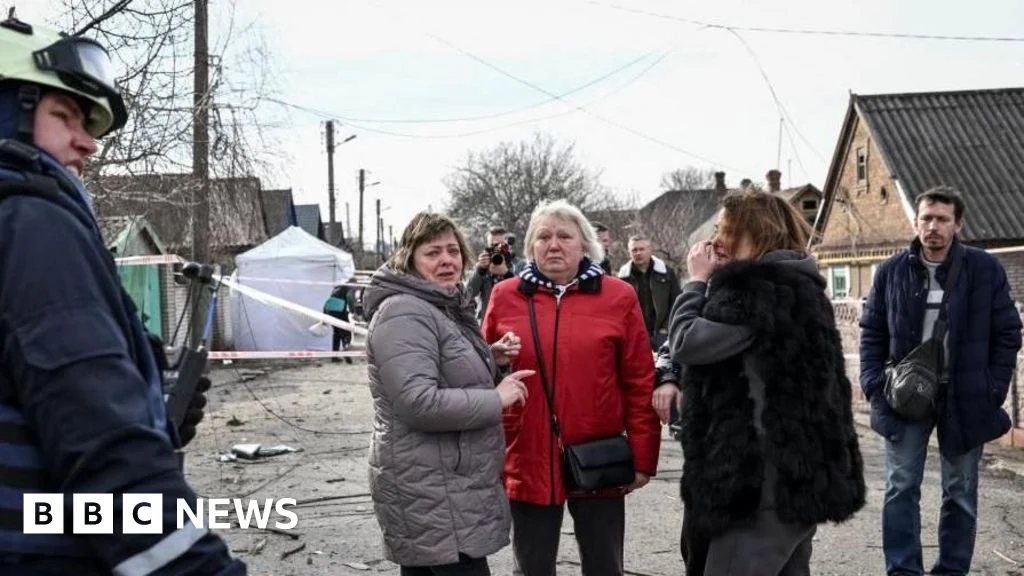
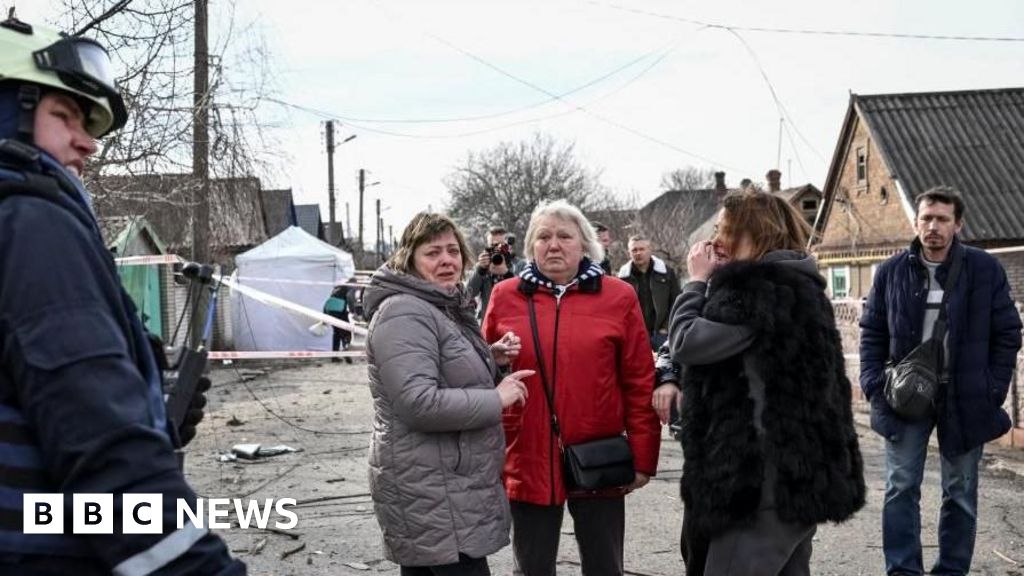
The southern city of Zaporizhzhia bore the brunt of recent attacks, where a Russian drone strike on Saturday ripped through a residential house, killing two people and injuring eight others, including two children. Images from the scene captured the visible distress of residents and emergency responders grappling with the aftermath of the aerial assault. The attack in Zaporizhzhia is a stark reminder of the indiscriminate nature of modern warfare, frequently impacting civilian infrastructure and non-combatant populations.
In the neighbouring Dnipropetrovsk region, two more lives were claimed, and five individuals sustained injuries from ongoing hostilities. Further east, the Donetsk region, a focal point of intense fighting, reported one fatality, as did the southern Kherson region, which has been under constant threat since its partial liberation. These incidents collectively highlight the pervasive and severe humanitarian cost of the conflict, extending across vast swathes of Ukraine.
The Strategic Significance of Zaporizhzhia
Zaporizhzhia, a city of considerable industrial and logistical importance, has frequently found itself in the crosshairs of Russian forces since the onset of the full-scale invasion in February 2022. Its strategic location on the Dnipro River and its proximity to the active front lines make it a recurring target for missile and drone attacks. These strikes often aim to demoralise the civilian population, disrupt logistical supply lines, and pressure Ukrainian defence capabilities. The consistent targeting of residential areas, as witnessed in Saturday’s drone attack, constitutes a grave violation of international humanitarian law, prompting widespread condemnation from international bodies and human rights organisations. The civilian infrastructure, including homes, schools, and hospitals, continues to bear the brunt of these assaults, leading to significant displacement and a profound humanitarian crisis.
Eyewitness accounts from Zaporizhzhia paint a grim picture of life under constant threat. A friend of one of the drone attack victims, speaking to Reuters, articulated the deep-seated weariness and despair pervading the affected communities. "I stopped believing long ago. When will this all just end? When will they finally reach an agreement? How long can they keep negotiating? Just give it to the Russian side so hard that it hurts them as much as it hurts us," the individual lamented, reflecting a widespread sentiment of frustration with the prolonged conflict and the seemingly intractable diplomatic impasse. The mother of another victim recounted her harrowing experience, discovering her son’s fate through a Telegram channel. "When the strike happened I checked a Telegram channel and I saw their fence and my son’s car," she stated, illustrating the grim reality of citizens relying on social media for real-time information in the absence of immediate official updates following an attack. These personal narratives underscore the profound human cost behind the casualty figures and the urgent need for a cessation of hostilities.
Diplomatic Crossroads: US-Ukraine Talks in Florida
Concurrently with the escalating violence on the ground, Ukrainian and US delegations convened in Florida for critical discussions aimed at charting a path to end Russia’s full-scale invasion. These negotiations marked the first such high-level engagement since Israel and America launched wide-ranging strikes on Iran last month, a geopolitical development that has significantly reshaped the global security landscape and added layers of complexity to the Ukrainian conflict.
The Ukrainian delegation, led by President Volodymyr Zelensky’s representatives, met with Donald Trump’s envoy, Steve Witkoff, and the US president’s son-in-law, Jared Kushner, on Saturday, the inaugural day of the talks. The agenda for these crucial discussions is multifaceted, encompassing strategies to bring an end to the war, a review of the US decision to ease sanctions on Russian oil, and efforts to mend the often-strained relationship between President Zelensky and former President Trump.
President Zelensky, in his late-night video address, emphasised the global importance of continued diplomacy. "It is important for all of us across the world that diplomacy continues and we’re trying to stop this war," he stated. He further underscored the critical need to gauge Russia’s genuine commitment to a dignified and honest end to the conflict, particularly in light of the exacerbated geopolitical challenges stemming from the Iran situation. The talks are scheduled to resume on Sunday, with both sides acknowledging the immense weight of expectations resting on their shoulders.
The Shadow of Past Negotiations
The current round of talks unfolds against a backdrop of several previous failed attempts at mediation. Since the full-scale invasion began in February 2022, multiple rounds of negotiations, often facilitated by international actors, have yielded little progress. Early discussions, particularly in the spring of 2022, quickly faltered due to Russia’s maximalist demands, which included territorial concessions and a neutral status for Ukraine, terms Kyiv consistently rejected as undermining its sovereignty and territorial integrity. The fundamental divergence in objectives – Russia seeking to impose its will and Ukraine fighting for its very existence – has rendered a diplomatic breakthrough elusive. This history of deadlock injects a strong dose of skepticism into the prospects of the current Florida talks, as observed by many international observers and the affected Ukrainian populace.
The Controversial US Sanctions Easing on Russian Oil
A significant point of contention for Ukrainian President Zelensky and his team is the recent decision by the US administration to ease sanctions on Russian oil. Implemented earlier this month and active for a one-month period, this waiver facilitates purchases of Russian oil by various countries. The stated rationale behind Washington’s move was to help stabilise global energy prices, which have been volatile amidst ongoing geopolitical uncertainties and supply chain disruptions. While welcomed by the Kremlin, the decision sparked deep concerns and dismay among Ukrainian officials and pro-Ukraine campaigners.
From Kyiv’s perspective, the easing of sanctions represents a symbolic and material shift in the Western consensus that has, until now, largely focused on applying maximum economic pressure on Russia to curtail its war efforts. Sanctions on Russian oil and gas exports have been a cornerstone of the international response, designed to choke off Moscow’s primary revenue streams that fund its military aggression. The US waiver, even if temporary, is perceived by some as undermining this united front and potentially providing a lifeline to the Russian economy, thereby prolonging the conflict rather than hastening its end. Campaigners argue that it signals a weakening resolve in the face of economic pressures, potentially emboldening Russia and complicating future efforts to impose punitive measures.
Geopolitical Ripple Effects: Iran and Global Security
The broader geopolitical context surrounding the US-Ukraine talks has been significantly complicated by the recent US and Israeli strikes on Iran. These actions, undertaken last month, have intensified regional tensions in the Middle East, leading to fears of a wider conflict and further destabilisation. President Zelensky has explicitly linked the Iran situation to the challenges facing Ukraine, noting that "geopolitical problems have only got worse."
His concerns stem from several critical implications. Firstly, a heightened focus on the Middle East could potentially divert global attention and, more critically, Western resources, particularly military aid and diplomatic bandwidth, away from Ukraine. Zelensky last week stated that Ukraine faced a deficit of missiles due to the war in the Middle East, highlighting a tangible impact. Secondly, there is a perception that Russian President Vladimir Putin actively desires a "long war" between the US, Israel, and Iran, believing such a protracted conflict would weaken Kyiv by stretching US resources thin and fragmenting international alliances. This strategic calculation by Moscow underscores the interconnectedness of global conflicts and the delicate balancing act required of international diplomacy. The unfolding events in the Middle East thus cast a long shadow over the Florida talks, adding urgency and complexity to the discussions on Ukraine’s future.
Key Players and Divergent Agendas
The involvement of Donald Trump’s envoys, Steve Witkoff and Jared Kushner, introduces a distinct dynamic to the Florida discussions. Trump, a prominent figure in American politics and a potential future presidential candidate, has often expressed skepticism regarding the extent of US aid to Ukraine and has, at times, accused President Zelensky of being an obstacle to peace. This stance has created a strained relationship between the two leaders, adding another layer of complexity to the diplomatic efforts.
On the agenda for the US talks is not only the direct cessation of hostilities but also the potential for setting up another trilateral meeting involving Russia. Such a meeting would aim to explore avenues for de-escalation and a comprehensive peace agreement, although previous trilateral formats have largely failed to yield concrete results. Furthermore, Ukraine is strategically leveraging its capabilities by offering the US its drone expertise and technology. This offer is not merely a gesture of goodwill but a calculated move to demonstrate Ukraine’s value as a security partner, particularly in the context of defending against and potentially countering threats from adversaries like Iran, where drone warfare has become a significant component of modern conflict. This initiative signals Ukraine’s desire to contribute actively to broader security challenges, thereby reinforcing its strategic importance to its Western allies.
Bridging the Divide: Zelensky and Trump’s Strained Relationship
The relationship between Ukrainian President Volodymyr Zelensky and former US President Donald Trump has been characterised by periods of tension and mutual suspicion. Trump’s "America First" foreign policy stance and his often-stated desire to disentangle the US from foreign conflicts have led to criticisms of robust US support for Ukraine. His previous impeachment trial, which centred on allegations of pressuring Zelensky for political favours, further complicated their interactions. Zelensky, for his part, has consistently championed Ukraine’s cause on the international stage, appealing for unwavering support against Russian aggression. The Florida talks, therefore, serve as a crucial platform not only for discussing the immediate conflict but also for attempting to smooth over these past frictions and build a more constructive rapport, especially given Trump’s potential return to the White House. The presence of his key allies at the negotiating table signifies an attempt to bridge this political and personal divide.
The Path Forward: Hopes and Skepticism
Despite the high-level engagement in Florida, there remains little tangible hope for an immediate breakthrough in ending the fighting. The deep-seated skepticism expressed by a victim’s friend in Zaporizhzhia — "When will this all just end? When will they finally reach an agreement?" — encapsulates the public’s profound weariness and distrust in the efficacy of diplomatic processes that have, thus far, failed to stop the bloodshed. The maximalist demands from Russia, coupled with Ukraine’s unwavering commitment to its territorial integrity, present a formidable obstacle to any comprehensive peace agreement.
International Perspectives and the Future of Sanctions
The US decision to ease sanctions on Russian oil has not only stirred concern in Kyiv but has also likely prompted discussions among European allies. While some European nations may appreciate the potential for stabilised energy prices, others may view it as a crack in the united Western front against Russian aggression. The long-term implications for the international sanctions regime are significant; if key players like the US begin to soften their stance, it could erode the collective pressure on Moscow, potentially prolonging the conflict and setting a precedent for future geopolitical crises. The debate around the effectiveness of sanctions versus their unintended global economic consequences is likely to intensify, influencing future policy decisions.
The Enduring Humanitarian Crisis
Ultimately, the backdrop of ongoing civilian casualties in Zaporizhzhia, Dnipropetrovsk, Donetsk, and Kherson regions serves as a stark reminder of the urgent humanitarian imperative driving these diplomatic efforts. Beyond the strategic calculations and geopolitical machinations, millions of Ukrainians continue to endure the daily terror of war, displacement, and profound loss. Any diplomatic resolution, however complex its path, must prioritise the cessation of this suffering and ensure a just and lasting peace that respects Ukraine’s sovereignty and the lives of its people. The talks in Florida, despite their inherent difficulties, represent a critical, albeit fragile, attempt to move towards that elusive goal, against a grim tally of human lives lost and futures shattered.

Related Posts
Zambia on Edge: Opposition Leader Arrested Amid Allegations of Insurrection Plot and Election Tensions
Rescuers search for survivors of powerful Indonesia earthquake

