
Deadly Bombing at Moscow Italian Restaurant Leaves Three Dead, Dozens Injured, Heroic Guard Credited with Preventing Greater Tragedy
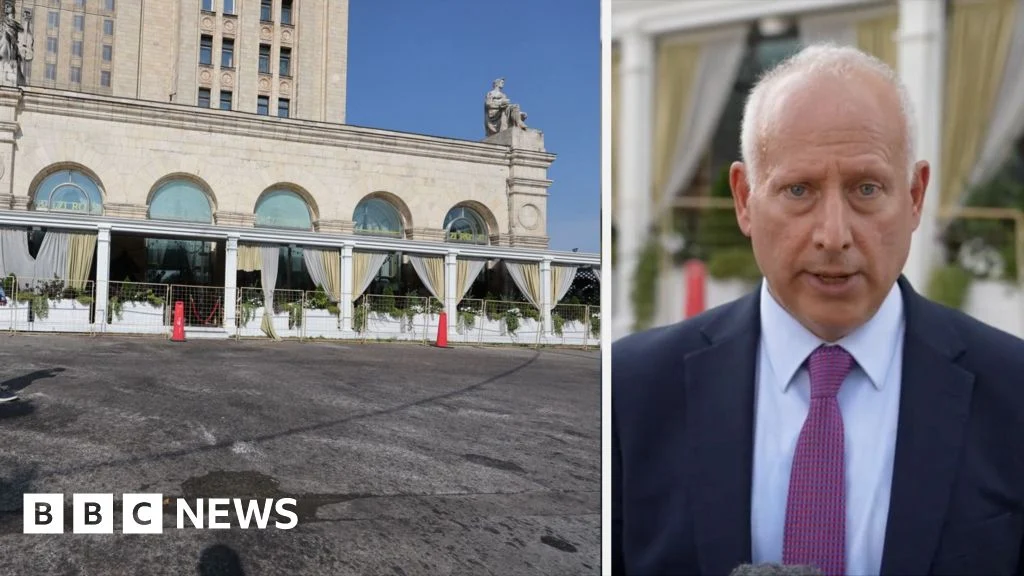
Moscow was plunged into chaos and grief on a recent evening after a homemade explosive device detonated at a prominent Italian restaurant on Kudrinskaya Square, a bustling area near the city centre, resulting in the deaths of at least three individuals and leaving 21 others injured. The incident, which occurred at approximately 20:00 local time (17:00 GMT), has been widely reported by Russian state media, citing high-ranking security officials, who lauded the swift actions of a security guard for preventing a potentially far more catastrophic outcome. The National Anti-Terrorist Committee (NAC) confirmed that a woman attempting to enter the restaurant, which was hosting a private event at the time, was intercepted by the vigilant security personnel, leading to the premature detonation of the device she was carrying. This decisive intervention is believed to have significantly limited the casualties, turning what could have been a massacre into a tragedy that, while devastating, could have been immeasurably worse.
Details of the Attack and Immediate Aftermath
The blast ripped through the entrance area of the unnamed Italian restaurant, located on Kudrinskaya Square, a vibrant part of Moscow known for its residential high-rises, businesses, and proximity to cultural landmarks. The explosive device, described by authorities as homemade, detonated with considerable force, causing structural damage to the restaurant’s facade, shattering windows, and sending debris across the immediate vicinity. Eyewitnesses recounted scenes of panic and confusion in the moments following the explosion, as patrons inside the restaurant and passersby in the square scrambled for safety. The quiet evening atmosphere was abruptly replaced by the wail of sirens, the shouts of emergency personnel, and the frantic cries of the injured.
Security officials have indicated that the target was a private event taking place within the restaurant. Such gatherings, often attended by business figures, politicians, or other prominent individuals, frequently require enhanced security measures. The fact that the perpetrator chose such a venue, and specifically targeted an event, suggests a calculated attempt to maximize impact and potentially cause high-profile casualties. However, the exact nature of the private event and its attendees has not been publicly disclosed, with authorities focusing on the ongoing investigation into the perpetrators and their motives.
The Heroic Intervention: Averting Greater Catastrophe
Central to the unfolding narrative is the courageous and quick-thinking actions of a security guard stationed at the restaurant’s entrance. According to initial reports from the National Anti-Terrorist Committee, the woman carrying the explosives attempted to gain entry to the venue. Her suspicious behaviour or the presence of the device itself was detected by the guard, who immediately intervened. It is understood that the confrontation occurred either at the threshold or just outside the main entrance, preventing the bomber from reaching the denser crowd within the restaurant’s main dining area or the private event itself.
The precise details of the confrontation remain under investigation, but security officials have emphasized that the guard’s intervention forced the early detonation of the device. Had the bomber succeeded in penetrating deeper into the restaurant, especially into the private event space, the number of fatalities and serious injuries could have escalated dramatically. This act of bravery underscores the critical role of frontline security personnel in mitigating terrorist threats in public spaces, often at immense personal risk. The incident serves as a stark reminder of the constant vigilance required in modern urban environments.
Casualties and Emergency Response
In the wake of the blast, emergency services were mobilized with unprecedented speed and scale. Dozens of ambulances, fire engines, and police vehicles converged on Kudrinskaya Square within minutes of the explosion. Medical teams immediately began triaging the injured, providing first aid on site, and rapidly transporting those with more severe wounds to nearby hospitals. Of the 21 individuals injured, several are reported to be in critical condition, suffering from shrapnel wounds, burns, and trauma consistent with a powerful explosion. The Moscow Department of Health confirmed that all necessary medical resources, including specialized surgical teams and psychological support services, have been deployed to assist the victims. Hospitals across the city were put on high alert to receive the influx of casualties.
The three fatalities were confirmed at the scene, with forensic teams working meticulously to identify the victims and inform their families. The psychological toll on survivors, witnesses, and first responders is also a significant concern, with authorities pledging comprehensive support. The rapid response from various emergency agencies, including the Ministry of Emergency Situations (EMERCOM), played a crucial role in containing the chaos, securing the perimeter, and ensuring that those affected received immediate attention.
Chronology of Events
The tragic sequence of events unfolded rapidly on a seemingly ordinary evening in Moscow:
- Pre-20:00 Local Time (17:00 GMT): The Italian restaurant on Kudrinskaya Square is hosting a private event, in addition to its regular dinner service. Security protocols are in place, including a guard at the entrance.
- Approximately 20:00 Local Time (17:00 GMT): A woman carrying a homemade explosive device approaches the restaurant’s entrance, attempting to gain entry.
- Immediate Confrontation: A vigilant security guard intercepts the woman, preventing her from moving further inside the establishment.
- Moment of Detonation: The explosive device detonates during or immediately after the confrontation, likely at the entrance or just outside the building. The blast causes fatalities and injuries, and significant damage to the restaurant’s facade.
- 20:01 – 20:10 Local Time: Witnesses and survivors immediately react to the explosion. First calls to emergency services are made. Panic spreads through the square.
- 20:10 – 20:30 Local Time: Police, fire brigades, and multiple ambulance crews begin arriving on the scene. The area is cordoned off, and initial rescue and medical operations commence.
- 20:30 onwards: Injured individuals are triaged and transported to various Moscow hospitals. Forensic teams and bomb disposal experts arrive to secure the scene and begin investigation. Official statements from security agencies confirm the nature of the attack and the initial casualty figures.
- Overnight and Following Day: Investigation intensifies, focusing on identifying the perpetrator, potential accomplices, and the motive. Forensic analysis of the blast site continues. Public officials issue statements, and medical teams work tirelessly to treat the injured.
Official Statements and Investigation
The National Anti-Terrorist Committee (NAC) took immediate charge of the investigation, confirming the incident as a terrorist act and praising the security guard’s actions. "The swift and courageous intervention by the security guard at the restaurant’s entrance prevented the terrorist from reaching the main dining area and the private event, thereby significantly reducing the potential for a far greater loss of life," an NAC spokesperson stated in an early briefing. The committee assured the public that all resources would be deployed to identify the network behind the attack and bring those responsible to justice.
Moscow Mayor Sergei Sobyanin expressed his profound condolences to the families of the victims and wished a speedy recovery to the injured. He lauded the professionalism of the emergency services and pledged full support from the city administration for all affected. The Kremlin also issued a statement, with Presidential Press Secretary Dmitry Peskov condemning the barbaric act and reiterating the government’s unwavering commitment to combating terrorism in all its forms. He underscored that such acts would not deter Russia’s resolve to maintain security and stability. Investigations are expected to be complex, involving extensive forensic analysis, review of surveillance footage from the area, and interviews with witnesses and survivors.
Moscow’s History with Terrorism
This latest attack serves as a grim reminder of Moscow’s past encounters with terrorism. The city, as the capital and political heart of Russia, has unfortunately been a recurring target for extremist groups, particularly during periods of conflict such such as the Chechen wars. Notable past incidents include:
- 1999 Apartment Bombings: A series of bombings in Moscow and other Russian cities that killed hundreds, widely attributed to Chechen militants.
- 2002 Moscow Theatre Hostage Crisis: Chechen militants seized a crowded theatre, holding over 800 people hostage. The crisis ended with the deaths of 130 hostages and all terrorists during a special forces raid.
- 2004 Moscow Metro Bombing: A suicide bombing on a subway train killed 41 people and injured over 100.
- 2010 Moscow Metro Bombings: Two female suicide bombers attacked two different metro stations during rush hour, killing 40 people.
- 2011 Domodedovo Airport Bombing: A suicide bomber detonated an explosive device in the international arrivals hall of Domodedovo Airport, killing 37 people.
These attacks have shaped Moscow’s approach to urban security, leading to enhanced surveillance, increased police presence, and more rigorous security checks in public transport hubs and large venues. The city has developed sophisticated emergency response protocols and counter-terrorism units. The Kudrinskaya Square bombing, despite the heroic intervention, highlights the persistent threat and the challenges inherent in protecting open societies from determined attackers.
Kudrinskaya Square: A Prominent Locale
Kudrinskaya Square is an iconic and historically significant location in Moscow. Dominated by one of Stalin’s Seven Sisters skyscrapers, the Kudrinskaya Square Building, it is a bustling intersection that combines residential areas with commercial establishments. The area is a hub for commuters and tourists alike, featuring a mix of cafes, restaurants, shops, and cultural institutions. Its proximity to the Garden Ring, a major thoroughfare, and various embassies and government buildings, makes it a high-profile location. The choice of an Italian restaurant in such a prominent, often crowded, area underscores the perpetrators’ intent to cause maximum disruption, fear, and casualties, leveraging the typical evening vibrancy of the locale. The attack on a seemingly ordinary restaurant also demonstrates a shift towards softer targets, making security more complex.
International Reactions and Condemnations
News of the Moscow bombing quickly reverberated across the international community. Numerous world leaders and international organizations issued statements condemning the attack, expressing their condolences to the victims and their families, and reaffirming their solidarity with the Russian people. The United Nations Secretary-General’s office released a statement denouncing the terrorist act and calling for the perpetrators to be swiftly brought to justice. Various governments, including those from Europe, Asia, and North America, conveyed their sympathies and reiterated their commitment to global cooperation in the fight against terrorism. These international reactions underscore the universal condemnation of such acts of violence against civilians and the shared global challenge of combating extremism.
Broader Implications for Security
The attack on Kudrinskaya Square carries significant implications for security protocols, not only in Moscow but potentially for other major urban centres globally. The incident, where a homemade device was used and a security guard’s quick thinking averted a larger disaster, will likely prompt a review of security measures at public venues, particularly restaurants, cafes, and event spaces that may not traditionally have the same level of security as airports or government buildings. Authorities may consider further enhancements to surveillance, intelligence gathering, and public awareness campaigns on identifying suspicious behaviour.
The event also highlights the ongoing evolution of terrorist tactics, moving from highly coordinated, large-scale attacks to potentially simpler, "lone wolf" or small-cell operations using readily available materials for homemade explosives. This shift makes prevention more challenging, placing greater emphasis on community vigilance, effective intelligence, and the training of private security personnel. The role of the security guard in this incident will likely be studied as a case example of effective, immediate threat mitigation.
The Road Ahead
As Moscow mourns the loss of life and tends to the injured, the investigation into the bombing will continue with relentless intensity. Authorities are focused on identifying the woman bomber, determining her affiliations, and uncovering any broader network that may have supported or directed the attack. The city will also grapple with the psychological aftermath, providing support to those traumatized by the violence. For the restaurant and the surrounding community, there will be a period of recovery and rebuilding, both physically and emotionally. This tragic event serves as a stark reminder of the persistent global threat of terrorism and the continuous need for vigilance, resilience, and international cooperation in safeguarding public safety. The memory of those lost, and the bravery of those who responded, will undoubtedly shape Moscow’s ongoing commitment to security and peace.

Related Posts
Zambia on Edge: Opposition Leader Arrested Amid Allegations of Insurrection Plot and Election Tensions
Rescuers search for survivors of powerful Indonesia earthquake

