DARPA Launches Inaugural Lift Challenge to Redefine Heavy-Lift Drone Capabilities and Logistics
The Defense Advanced Research Projects Agency (DARPA) is set to initiate its inaugural Lift Challenge next week, a high-stakes competition designed to fundamentally alter the landscape of vertical-lift aviation. Scheduled to take place at the National Museum of the U.S. Air Force in Dayton, Ohio, the weeklong event seeks to identify and incentivize the development of unmanned aerial systems (UAS) capable of transporting payloads far exceeding their own structural weight. With a total prize pool of $6.5 million, the challenge represents a significant investment in the next generation of autonomous logistics and heavy-lift technology.
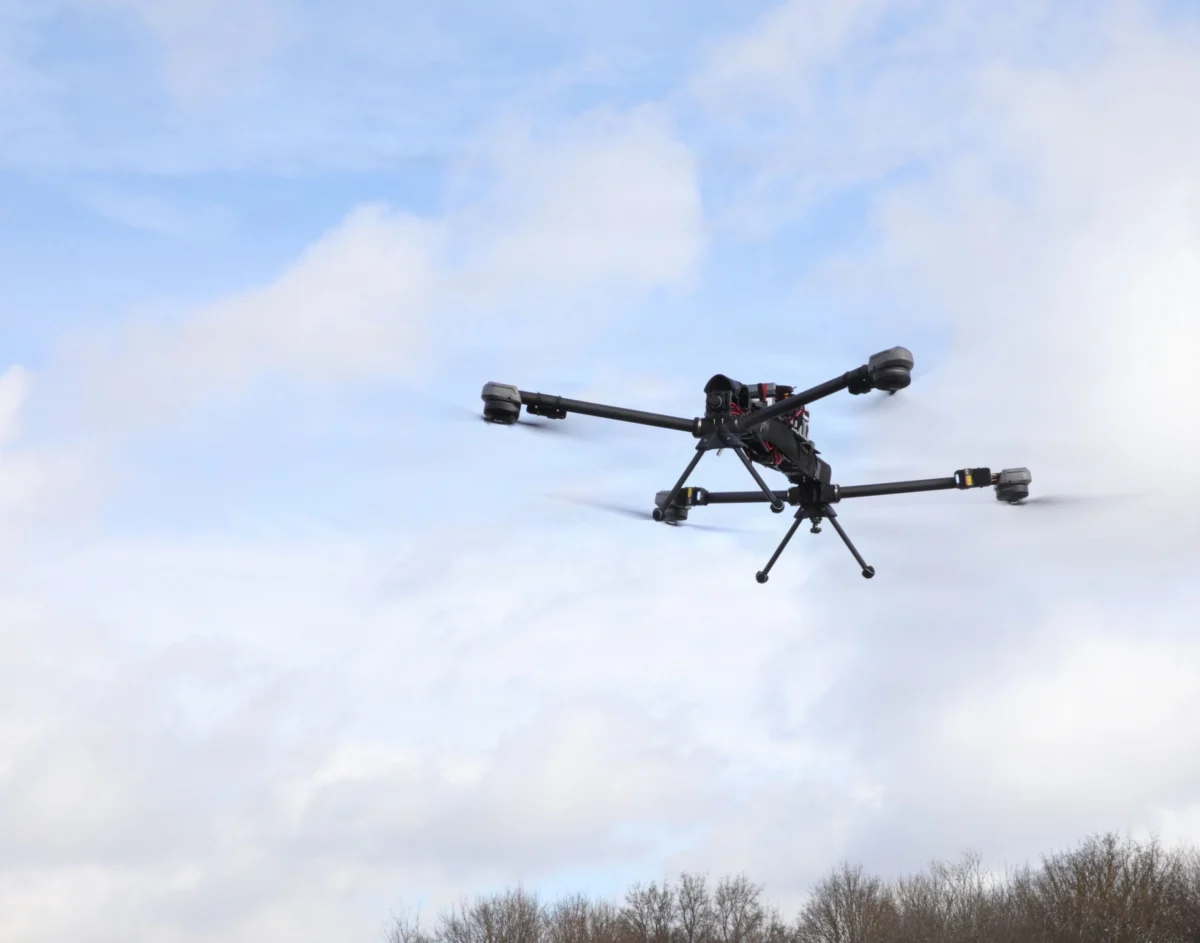
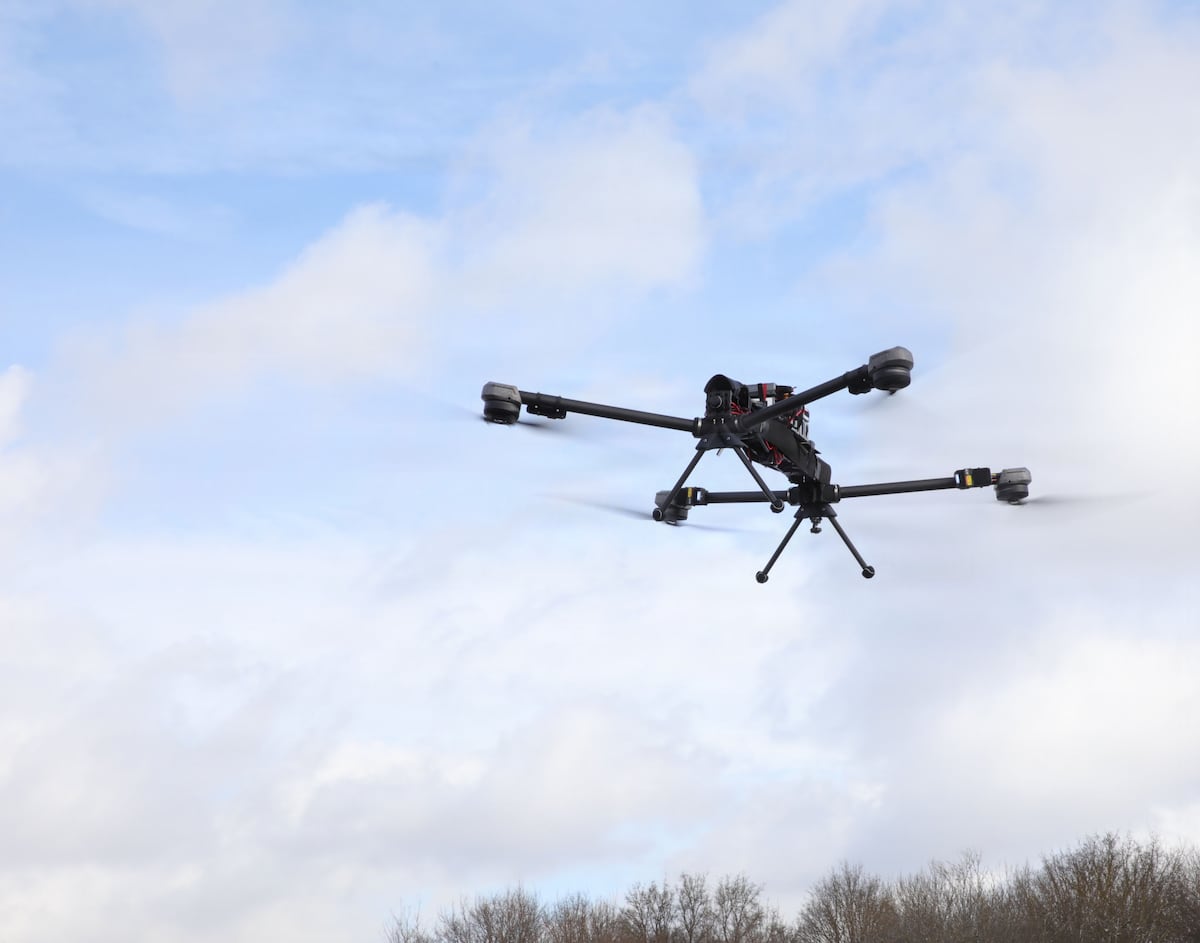
The primary objective of the Lift Challenge is to break the current technical ceiling of multirotor drone performance. At present, most commercial and military multirotor platforms are constrained by a payload-to-weight ratio that rarely exceeds 1:1. This limitation means that for a drone to carry a specific weight, the aircraft itself must be of comparable or greater mass, leading to an exponential increase in size, energy requirements, and manufacturing costs as mission requirements grow. DARPA’s goal is to find a drone capable of lifting and transporting a payload four times its own weight, a feat that would represent a fourfold increase in efficiency over existing industry standards.
The Technical Challenge: Breaking the 4:1 Ratio
The competition’s parameters are rigorous, designed to push the boundaries of materials science, propulsion, and autonomous control. Participating teams must present a drone capable of non-assisted vertical takeoff with a gross vehicle weight—excluding the payload—of less than 55 pounds. To succeed, these aircraft must lift a minimum payload of 110 pounds and complete a grueling flight profile.
The flight test requires the drones to traverse a 1,000-foot course back and forth 30 times, totaling a distance of five nautical miles. This must be accomplished in under 30 minutes without recharging or refueling. The 55-pound weight limit is particularly significant as it aligns with the Federal Aviation Administration (FAA) Part 107 regulations for small UAS, suggesting that DARPA is looking for solutions that could eventually operate within existing regulatory frameworks while providing "heavy-lift" capabilities usually reserved for much larger, more expensive platforms.
Phillip “Donna” Smith, a lieutenant colonel in the Marine Corps Reserve and the Lift Challenge program manager, emphasized the economic and operational necessity of this leap. "As payload requirements increase, so does the size and the cost of the drone," Smith stated. "With the Lift Challenge, our goal is to dramatically increase the useful load, which will then drive down the cost per pound of transported cargo."
Smith compared the potential impact of this technology to historic shifts in industrial and aerospace history, such as the implementation of the automotive assembly line or the development of reusable rockets. He characterized heavy vertical flight as the "next great technological inflection point," predicting that success in this arena will lead to widespread adoption across both military and civilian sectors.
Chronology and Event Structure
The Lift Challenge is scheduled to begin on August 2, 2026. The event is structured to provide both a testing ground for engineers and a public showcase for the state of the art in drone technology.
- August 2: Opening day and final technical inspections for all qualifying teams.
- August 3: Commencement of the primary flight challenges. DARPA will begin livestreaming the event on its official YouTube channel to a global audience.
- August 4–6: Public viewing days. The competition will be open to visitors at the National Museum of the U.S. Air Force, allowing the public to witness the flight trials firsthand.
- August 7: Final evaluations, awards ceremony, and the distribution of the $6.5 million in prize money to the top-performing teams.
The choice of Dayton, Ohio, as the venue is symbolic, as the city is the birthplace of aviation and home to the Wright brothers. By hosting the event at the National Museum of the U.S. Air Force, DARPA highlights the historical continuity between early flight experimentation and the modern push for autonomous aerial superiority.
A Diverse Field of Competitors
The Lift Challenge has successfully attracted a broad spectrum of participants, drawing more than 100 teams from various backgrounds. This "open-door" approach is a hallmark of DARPA’s challenge model, which seeks to bypass traditional defense acquisition hurdles to find innovation in unexpected places. The roster includes established defense contractors, specialized drone startups, university engineering departments, and independent "DIY" hobbyists.
Among the competitors is Hao Xu, an associate professor at the University of Nevada, Reno. Xu is leading a team of five engineering students, viewing the challenge as a critical opportunity for workforce development and regional research growth. According to Xu, the event will foster a "fruitful discussion among national partners" and serve as a catalyst for Nevada’s burgeoning drone research and development ecosystem.
On the commercial and entrepreneurial side, companies like Colorado-based Alpine Combat Systems are utilizing the challenge to validate their proprietary designs. Amanda Barron, who operates the firm alongside her husband Jesus Barron, an Army veteran, noted that the competition serves as a vital networking platform for engaging with DARPA and other federal agencies. Their "Samson" drone, an experimental build, is intended to demonstrate the firm’s rapid prototyping capabilities.
The DIY community is also represented by prominent figures such as the YouTuber known as "Hoarder Sam," who has gained a following documenting complex drone builds. Sam drew parallels between the Lift Challenge and the original DARPA Grand Challenge for autonomous vehicles held in the early 2000s. He noted that while the goals seem nearly impossible today, DARPA’s history of setting "extremely high" bars often paves the way for commercial viability a decade later.
Alignment with National Defense Strategy
The Lift Challenge does not exist in a vacuum; it is a critical component of the Department of Defense’s (DoD) broader "Drone Dominance" initiative. This strategic framework is designed to accelerate the deployment of small, low-cost, and attritable drone systems to maintain a competitive edge in contested environments.
The current geopolitical climate, particularly the lessons learned from recent conflicts in Eastern Europe and the Middle East, has underscored the importance of cheap, scalable drone technology. The Pentagon’s "Replicator" initiative, for instance, seeks to field thousands of autonomous systems across multiple domains within short timeframes. The Lift Challenge supports these goals by focusing on the "logistics of the last mile."
In a combat scenario, the ability to resupply a squad with ammunition, medical supplies, or batteries using a drone that is small enough to be portable but powerful enough to carry 110 pounds is a game-changer. By increasing the payload-to-weight ratio, the military can reduce the number of sorties required for resupply missions, lower the acoustic and visual signature of logistics chains, and decrease the overall cost of operations.
Broader Implications and Economic Analysis
Beyond the battlefield, the success of the Lift Challenge could have profound implications for several multi-billion-dollar industries.
1. Logistics and E-commerce: The "last-mile" delivery problem remains one of the most expensive segments of the global supply chain. A drone that can carry four times its weight could theoretically deliver heavier packages—such as appliances or bulk groceries—at a fraction of the cost of current delivery vans, while bypassing ground traffic.
2. Agriculture: In precision agriculture, heavy-lift drones are used for crop spraying and seed dispersal. Improving the payload efficiency allows these drones to cover more acreage per flight, significantly increasing productivity for farmers and reducing the soil compaction caused by heavy ground machinery.
3. Construction and Infrastructure: Heavy-lift drones are increasingly being considered for transporting tools and materials to high-rise construction sites or remote infrastructure projects, such as wind turbines or power lines. A 4:1 payload ratio would allow for the transport of significant structural components without the need for massive, expensive cranes.
4. Emergency Response: In disaster relief scenarios, where roads may be washed out or blocked, the ability to fly 110 pounds of food, water, or medicine into a localized area using a compact drone could be life-saving.
Fact-Based Analysis: The Road Ahead
While the enthusiasm surrounding the Lift Challenge is high, technical experts caution that the physics of the 4:1 ratio are daunting. Most current multirotors rely on lithium-polymer or lithium-ion batteries, which have a limited energy density compared to liquid fuels. To achieve the required lift and endurance, teams will likely need to innovate in areas such as high-torque motor design, advanced carbon-fiber composites for weight reduction, and highly efficient aerodynamic propeller profiles.
There is also the historical precedent of DARPA challenges to consider. In the inaugural 2004 Grand Challenge for self-driving cars, not a single vehicle finished the course. However, that "failure" ignited the autonomous vehicle industry. DARPA officials appear prepared for a similar trajectory, viewing any progress toward the 4:1 ratio as a victory for the industry.
As the competition begins in Dayton, the eyes of the aerospace world will be on the National Museum of the U.S. Air Force. Whether a team claims the top prize next week or merely moves the needle on what is scientifically possible, the Lift Challenge marks a definitive step toward a future where heavy-lift autonomy is a standard feature of modern aviation.

Related Posts
Pentagon Forges Landmark Seven-Year Agreements with Boeing and RTX to Accelerate Standard Missile-3 Production and Stabilize Defense Supply Chains
Boeing Unveils Ultra Low-Cost Seeker to Enhance Missile Inventory and Combat Cost Challenges in Modern Warfare