Crisis of Medical Neglect in Vietnams Penal System as Prominent Rights Activists Face Deteriorating Health in Custody
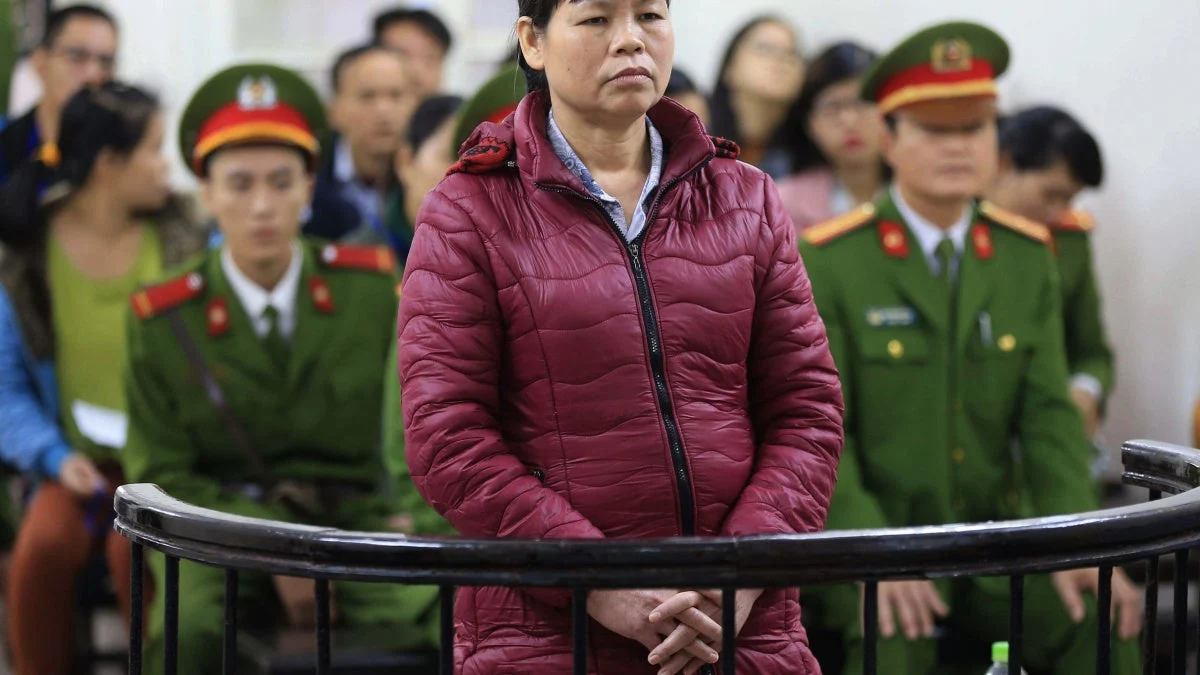
Can Thi Theu, a 64-year-old land rights defender currently serving an eight-year prison sentence at Prison No. 5 in Vietnam’s Thanh Hoa province, is reportedly facing a critical health crisis characterized by prolonged medical neglect. Imprisoned for her vocal opposition to land confiscation and environmental degradation, as well as her public support for other political prisoners, Theu’s deteriorating condition has become a focal point for international human rights advocates. During a recent visit, her family discovered that she had been suffering from acute abdominal pain and high fever for several days, yet prison medical staff reportedly dismissed her symptoms as minor and provided only basic painkillers. Her daughter, Trinh Thi Thao, has since filed an urgent petition with authorities, requesting that her mother be transferred to an external hospital for professional diagnosis and treatment, a request that has historically been denied by the Vietnamese penal administration.
The situation of Can Thi Theu is not an isolated incident but rather part of a documented pattern of medical oversight and alleged mistreatment within Vietnam’s detention facilities. This pattern extends to several other high-profile political prisoners held at the same facility, including Tran Duc Thach, Nguyen Nang Tinh, and Phan Van Bach, all of whom are serving lengthy sentences for their roles in campaigning for democracy and human rights. The lack of adequate healthcare in these facilities has raised significant concerns regarding Vietnam’s compliance with international human rights standards, specifically the United Nations Standard Minimum Rules for the Treatment of Prisoners, known as the Nelson Mandela Rules.
The Case of Can Thi Theu and the Trinh Family
Can Thi Theu’s activism is rooted in the long-standing struggle over land rights in Vietnam, where the state maintains ownership of all land and often compensates citizens at below-market rates for seizures intended for development projects. Her arrest in 2016 followed her participation in protests against these practices. However, her imprisonment is also a family ordeal; her sons, Trinh Ba Tu and Trinh Ba Phuong, are also serving long sentences for peaceful activism. The targeting of the entire family highlights the Vietnamese government’s aggressive stance toward organized dissent and land rights advocacy.
Theu’s health has been in a state of flux for over a year. In the summer of 2023, she experienced a similar episode of severe illness, and in January 2024, her condition worsened significantly. During that period, she suffered from intense dizziness and tremors, reaching a point where she was unable to walk without assistance for two weeks. Despite repeated pleas from her family and her own requests for an independent medical examination, prison authorities have consistently ignored these appeals, maintaining that the prison’s internal medical resources are sufficient. The recent onset of abdominal pain and fever suggests a potentially serious underlying condition that remains undiagnosed due to the lack of specialized diagnostic equipment within the prison system.
Systematic Health Failures at Prison No. 5
Prison No. 5 in Thanh Hoa province has gained notoriety among human rights monitors for the poor health conditions of its inmates. Several other prisoners of conscience are currently facing life-threatening or debilitating ailments without receiving proper care:
- Tran Duc Thach: A founding member of the Brotherhood for Democracy, Thach is serving a 12-year sentence. His wife recently filed a petition noting that he suffers from severe, chronic eye pain that threatens his vision. Despite the risk of permanent disability, he has not been granted access to an ophthalmologist outside the prison walls.
- Nguyen Nang Tinh: A music teacher sentenced to 11 years for "anti-state propaganda," Tinh is reportedly suffering from advanced osteoarthritis and severe nerve compression. His family reports that he is in constant, agonizing discomfort and lacks the necessary physical therapy or surgical intervention required for his condition.
- Phan Van Bach: Perhaps the most harrowing account comes from the family of Phan Van Bach. During a visit in February, his wife reported that he was suffering from such severe tooth pain that he had been unable to eat solid food for over a year, subsisting entirely on rice porridge (congee). Furthermore, Bach described symptoms of chest tightness, shortness of breath, and an unsteady gait. Most alarmingly, he informed his family that he had been pepper-sprayed by prison guards and physically assaulted by another prisoner as retaliation for protesting the sub-standard living conditions.
Chronology of Detention and Medical Incidents
The timeline of these events illustrates a slow-motion health crisis that has been building for several years:
- 2016–2021: Arrests and sentencing of Can Thi Theu, Trinh Ba Phuong, Trinh Ba Tu, and Tran Duc Thach under various articles of the Vietnamese Penal Code, primarily Article 117 (distributing anti-state propaganda).
- Summer 2023: Can Thi Theu suffers her first major health collapse in Prison No. 5; requests for external medical help are denied.
- January 2024: Theu experiences neurological symptoms, including tremors and the inability to walk.
- February 2024: Phan Van Bach’s family reports his physical assault and the long-term effects of dental neglect.
- July 2024: Families of Tran Duc Thach and Can Thi Theu file formal petitions for hospital transfers following a spike in symptoms.
- Present: Despite multiple petitions and international pressure, the Vietnamese Ministry of Public Security has not authorized the transfer of these individuals to civilian medical facilities.
Supporting Data and the Legal Framework of Dissent
Vietnam continues to be one of the most restrictive environments for freedom of expression in Southeast Asia. According to data from human rights organizations, there are currently over 160 political prisoners being held in the country. A significant majority of these individuals are charged under Article 117 or Article 331 (abusing democratic freedoms) of the Penal Code. These laws are frequently criticized by the UN High Commissioner for Human Rights for being overly broad and used to silence peaceful critics.
Statistical analysis of prisoner health in Vietnam suggests that "medical neglect" is often used as a secondary form of punishment. Reports from the 88 Project and Human Rights Watch indicate that political prisoners are frequently denied the same level of care provided to general population inmates, or are held in solitary confinement which exacerbates existing health issues. The denial of medical care is a violation of the International Covenant on Civil and Political Rights (ICCPR), to which Vietnam is a signatory.
International Standards and Official Responses
The international community, guided by the Nelson Mandela Rules, maintains that the provision of healthcare for prisoners is a state responsibility. Rule 24 states that "the provision of health care for prisoners is a State responsibility" and that "prisoners should enjoy the same standards of health care that are available in the community." Furthermore, Rule 27 emphasizes that "all prisons shall ensure prompt access to medical attention in urgent cases."
The Vietnamese government’s official response to these allegations typically follows a standard narrative. The Ministry of Foreign Affairs often asserts that "all prisoners in Vietnam are treated humanely and in accordance with the law," and that "their health needs are fully met by prison medical staff." However, these statements are frequently contradicted by the testimonies of released prisoners and the desperate petitions filed by families who witness the physical decline of their loved ones during monthly visits.
International trade partners, including the European Union and the United States, have expressed varying degrees of concern. Under the EU-Vietnam Free Trade Agreement (EVFTA), there are clauses related to sustainable development and human rights. Activists argue that the systematic neglect of prisoners’ health should trigger the human rights mechanisms within these trade agreements.
Broader Impact and Implications
The continued detention and medical neglect of activists like Can Thi Theu have profound implications for Vietnam’s domestic stability and international reputation. Domestically, the harsh treatment of land rights defenders serves as a deterrent to others, yet it also fuels resentment in rural communities where land disputes remain a volatile issue.
On the international stage, Vietnam is currently seeking to position itself as a reliable manufacturing alternative to China and a key player in global supply chains. However, the contrast between its modernizing economy and its antiquated, repressive penal system creates a "reputational risk" for multinational corporations and democratic governments. If Vietnam continues to ignore the health crises within its prisons, it may face increased pressure from the UN Human Rights Council and potential sanctions from Western nations.
The case of Prison No. 5 serves as a microcosm of the broader human rights struggle in Vietnam. The demand is clear: the Vietnamese government must immediately allow Can Thi Theu, Tran Duc Thach, Nguyen Nang Tinh, and Phan Van Bach to receive specialized medical treatment. Human rights advocates argue that the most humane and legally sound path forward is the immediate and unconditional release of these individuals, allowing them to seek care at home or abroad, as their continued incarceration under these conditions constitutes a violation of the fundamental right to life and health. As these prisoners continue to languish in deteriorating health, the window for effective medical intervention is rapidly closing, placing the responsibility for their survival squarely on the shoulders of the Vietnamese state.

Related Posts
Human Rights Watch Calls for Investigation into Death of Detainee Following Removal from Najaf Hospital by Iraqi Drug Police
Human Rights Watch Urges UN Security Council to Extend Lebanon Peacekeeping Mission Amid Escalating Conflict and Humanitarian Crisis