Congressional Shadow Hearing Investigates ICE Surveillance Technology and Potential Threats to Democratic Freedoms
United States Representatives Delia Ramirez and Hank Johnson convened a high-profile shadow hearing on July 15 to address growing concerns regarding U.S. Immigration and Customs Enforcement’s (ICE) deployment of advanced surveillance technologies. The hearing, which brought together legal experts, human rights advocates, and technologists, focused on the Department of Homeland Security’s (DHS) rapid expansion of a digital infrastructure designed to monitor both immigrant populations and U.S. citizens. Witnesses testified that the agency has effectively constructed a vast, interconnected network of data collection systems that bypass traditional privacy safeguards, posing a significant risk to civil liberties and the right to peaceful assembly.
The proceedings highlighted a shift in immigration enforcement strategies, moving away from purely physical borders toward a "digital border" that follows individuals into their homes and communities. This evolution is facilitated by multi-million dollar contracts with private technology firms, enabling ICE to utilize tools ranging from facial recognition and iris scanners to sophisticated spyware. The hearing served as a formal platform for critics to argue that without immediate Congressional intervention and the establishment of robust legal frameworks, the unchecked use of these technologies could lead to systemic abuses, including racial profiling and the intimidation of political observers.
The Technological Infrastructure of Modern Immigration Enforcement
The testimony provided during the July 15 hearing offered a granular look at the specific tools currently at ICE’s disposal. Central to the agency’s capabilities is a suite of surveillance platforms developed by private-sector partners. Among the most prominent is the data-integration software provided by companies like Palantir, which allows ICE to aggregate disparate data points from federal, state, and commercial databases. This "supercharged" approach to data analysis enables the agency to create comprehensive profiles of individuals by cross-referencing biometric data with public records and private consumer information.
One of the most contentious tools discussed was Clearview AI’s facial recognition technology. Recent reports indicate that ICE has committed approximately $10 million to utilize Clearview’s database, which contains billions of images scraped from social media and other public internet sources. While the agency maintains that these tools are essential for investigating assaults on agents and identifying criminal suspects, witnesses at the hearing argued that the scope of the technology is far broader. They noted that the ability to identify any individual in a crowd within seconds creates a "persistent surveillance" environment that discourages participation in public life.
Furthermore, the hearing touched upon the use of "Mobile Fortify," a DHS-developed application that allows agents in the field to perform instant biometric checks. The application reportedly compares face and fingerprint scans against a massive government database containing over 200 million images. Experts testified that the deployment of such tools in residential neighborhoods and at protest sites transforms routine interactions into high-stakes surveillance operations, often without the knowledge or consent of those being scanned.
Chronology of Surveillance: From Minnesota to the Halls of Congress
The July 15 hearing did not occur in a vacuum; it followed a series of documented incidents that have raised alarms among human rights organizations. A critical piece of evidence presented was a report by Human Rights Watch (HRW) titled "A Manufactured Crisis," which detailed operations in Minnesota during late 2025 and early 2026.
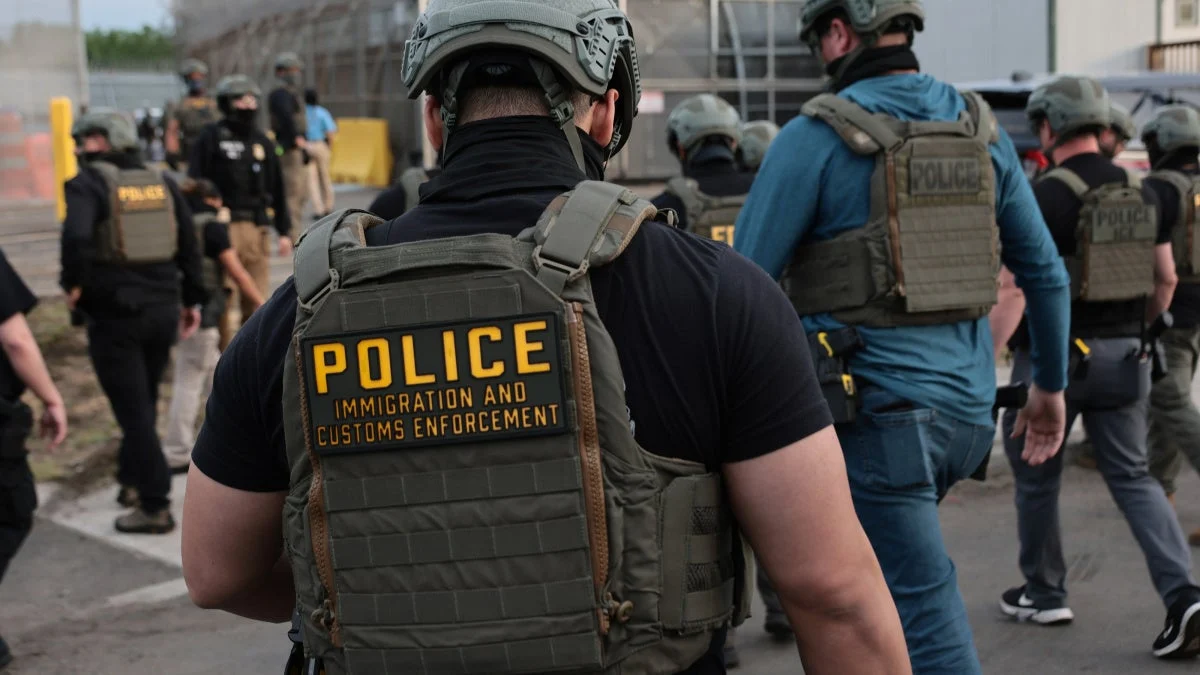
In December 2025, ICE agents conducting enforcement actions in Minnesota were observed using Mobile Fortify to scan the faces of local residents and observers. The HRW research documented instances where agents appeared to target not just those suspected of immigration violations, but also legal observers and community activists. This trend continued into January 2026, with reports of ICE agents driving to the private residences of individuals who had been seen filming or documenting immigration raids.
The timeline of these events suggests a strategic shift in how ICE handles public scrutiny. By tracking observers to their homes, the agency is accused of using its data-access capabilities as a tool for intimidation. Witnesses noted that the ability of agents to quickly link a face in a crowd to a home address implies a level of database integration that exceeds what was previously understood by the public. This chronology of escalation in Minnesota served as the primary catalyst for Representatives Ramirez and Johnson to call for the shadow hearing, arguing that these localized incidents represent a nationwide trend of overreach.
Supporting Data and the Role of Private Contractors
The scale of ICE’s surveillance apparatus is underscored by recent budgetary and contractual data. In the weeks leading up to the hearing, Congress significantly increased funding for immigration enforcement, a move that critics say was made without sufficient debate over technological guardrails. This surge in funding has allowed ICE to expand its partnerships with the "surveillance-industrial complex"—a network of private companies that provide the hardware and software necessary for mass monitoring.
Data presented at the hearing indicated that the use of spyware has become a growing concern. In October 2024, Human Rights Watch first flagged a contract between a U.S. immigration agency and a spyware firm, noting that such technology is typically reserved for high-level counter-terrorism operations rather than civil immigration enforcement. Spyware allows for the remote monitoring of mobile devices, potentially giving agents access to private communications, location history, and contact lists.
The financial relationship between DHS and these companies is substantial. Beyond the $10 million allocated for facial recognition, hundreds of millions are spent annually on "Alternatives to Detention" (ATD) programs, which often involve GPS ankle monitors and facial-recognition-based check-in apps like SmartLink. While these are framed as more humane alternatives to physical incarceration, advocates at the hearing presented data showing that these technologies often serve as a net-widener, placing more individuals under government supervision for longer periods.
Official Responses and Justifications for Enhanced Monitoring
While the shadow hearing was primarily a venue for critics, it also addressed the official justifications provided by DHS and ICE for the adoption of these technologies. The agency has consistently maintained that advanced data processing is a matter of operational efficiency and officer safety. Officials argue that in an era of complex transnational crime, the ability to rapidly identify individuals and assess potential threats is paramount.
In response to inquiries regarding the Minnesota incidents, DHS spokespersons have previously stated that biometric tools are used in accordance with existing privacy impact assessments and that agents are trained to respect constitutional rights. They emphasize that tools like Mobile Fortify are intended to streamline the identification process, reducing the time individuals spend in custody by quickly verifying their status.
However, the hearing’s participants argued that these internal safeguards are insufficient. They pointed to the "DOGE" (Department of Government Efficiency) initiative’s growing influence over personal data management as a complicating factor. As government agencies seek to streamline data sharing to improve "efficiency," the silos that once protected sensitive information are being dismantled. Witnesses expressed concern that data collected for one purpose—such as applying for a driver’s license or accessing social services—is being funneled into ICE’s surveillance maw without the subjects’ knowledge or consent.
Broader Impact: The Chilling Effect and Constitutional Concerns
The implications of ICE’s technological expansion extend far beyond the immigrant community. Legal experts at the hearing argued that the normalization of mass surveillance in the context of immigration enforcement sets a dangerous precedent for all residents of the United States. They identified several key areas where constitutional rights are being eroded:
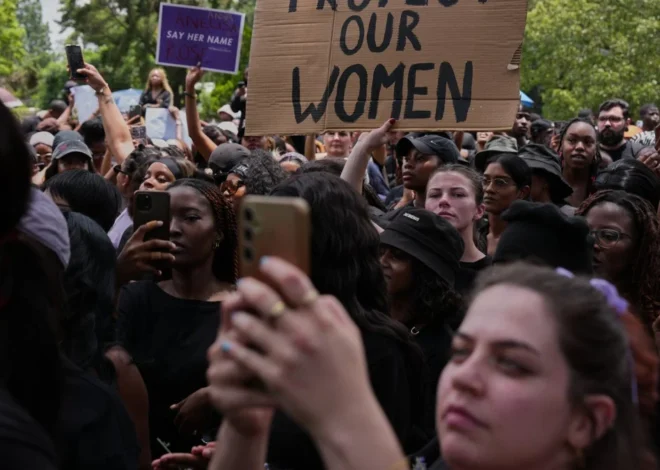
First, the "chilling effect" on the First Amendment is profound. If individuals know that attending a protest or documenting police activity will result in their face being scanned and their home address being identified, they are far less likely to exercise their right to free speech and assembly. The Minnesota case study provided clear evidence that surveillance is being used to discourage community oversight.
Second, the Fourth Amendment’s protection against unreasonable searches and seizures is being challenged by the "third-party doctrine." Under current legal interpretations, the government can often access data held by private companies—such as location data from cell phone apps or photos from social media—without a warrant. ICE’s heavy reliance on commercial databases exploits this legal loophole, allowing for mass data collection that would otherwise require judicial oversight.
Finally, the risk of "wrongful targeting" remains high. Facial recognition technology has been repeatedly shown to have higher error rates for people of color, leading to a disproportionate risk of racial profiling and wrongful arrests. In the context of ICE operations, these errors can lead to irreversible consequences, including the separation of families and the deportation of individuals who may have legal claims to remain in the country.
Legislative Recommendations and the Path Forward
The hearing concluded with a series of urgent recommendations for legislative action. Representatives Ramirez and Johnson, along with the testifying witnesses, called on Congress to move beyond mere oversight and implement binding statutory changes.
The primary recommendation is the passage of a comprehensive federal data protection law. Unlike many other developed nations, the United States lacks a unified legal framework governing how personal data can be collected, shared, and sold. A strong federal law would regulate the ability of private companies to sell data to government agencies, effectively closing the "back door" that ICE currently uses to build its surveillance profiles.
Additionally, the hearing participants called for an update to federal privacy laws to specifically regulate the use of biometric technology by law enforcement. This would include a requirement that any use of surveillance technology comply with international human rights standards, which emphasize the principles of legality, necessity, and proportionality.
As the 2026 legislative session continues, the findings of the July 15 shadow hearing are expected to inform the debate over DHS appropriations. Advocates are pushing for "rights-compliant" funding, which would make ICE’s budget contingent on the implementation of transparent safeguards and redress mechanisms for individuals whose rights have been violated. Without such measures, the witnesses warned, the "vast network" of surveillance will continue to grow, fundamentally altering the relationship between the American public and the state.

Related Posts

Human Rights Watch Calls for Investigation into Death of Detainee Following Removal from Najaf Hospital by Iraqi Drug Police

Human Rights Watch Urges UN Security Council to Extend Lebanon Peacekeeping Mission Amid Escalating Conflict and Humanitarian Crisis