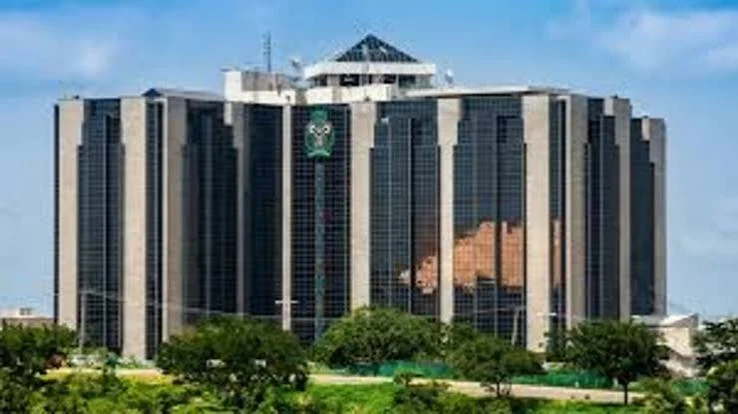
CBN abruptly halts N700bn treasury bills auction following aggressive liquidity mop-up operations
The Central Bank of Nigeria has officially cancelled the treasury bills auction originally scheduled for August 5, 2026, marking a significant shift in the regulator’s monetary policy stance. This decision follows a period of intense liquidity management, during which the apex bank withdrew a staggering N4.69 trillion from the banking system within two consecutive trading sessions. The abrupt suspension of the N700 billion issuance, which was intended to cover 91-day, 182-day, and 364-day tenors, highlights the delicate balancing act currently being navigated by the CBN as it seeks to manage inflationary pressures while maintaining stability in the domestic financial markets.
Chronology of Recent Liquidity Interventions
The backdrop to this cancellation is a series of aggressive Open Market Operations (OMO) conducted by the CBN to drain surplus cash from the financial system. On August 3, 2026, the central bank initiated a major withdrawal, absorbing N2.52 trillion through the issuance of a 141-day OMO bill. This move was followed immediately on August 4 by a secondary mop-up of N2.17 trillion through 112-day and 113-day bills.
The cumulative impact of these interventions—totaling N4.69 trillion in just 48 hours—effectively altered the liquidity landscape of the interbank market. When viewed against the broader trend of the third quarter, the scale of this intervention becomes even more pronounced. In July 2026 alone, the CBN successfully sterilized N7.18 trillion through various OMO auctions. Consequently, between the start of July and the first four days of August, the total liquidity extracted from the banking sector reached approximately N11.8 trillion. This sustained withdrawal strategy appears to have reached a threshold that prompted the authorities to halt the scheduled August 5 auction, likely to prevent an unintended crunch that could spike interbank lending rates and destabilize banking operations.
Understanding the Mechanics of OMO and Treasury Bills
To understand why the cancellation is significant, one must distinguish between the instruments involved. Treasury bills are issued by the Debt Management Office (DMO) on behalf of the Federal Government to fund the budget deficit and manage the money supply. Open Market Operations, conversely, are the primary tool used by the CBN to manage short-term liquidity, control inflation, and influence interest rates.
While both instruments effectively remove liquidity from the system, their objectives differ. Treasury bills are a debt-financing tool, whereas OMO is a monetary policy tool. By cancelling the N700 billion T-bills auction, the CBN and the DMO have signaled that the current state of liquidity is insufficient to support both government borrowing and the prevailing monetary policy goals without causing excessive volatility in the financial markets. Market analysts have noted that the sudden pause serves as a safety valve, allowing the system to stabilize before the next scheduled auction cycle.
The Balancing Act: Government Financing vs. Market Stability
The Nigerian government, through the DMO, operates a strict issuance calendar. The cancelled N700 billion auction was a key component of the third-quarter issuance program, which targets a total of N5.8 trillion. The objective of this program is to secure approximately N3.16 trillion in net new borrowing, after accounting for the rollover of maturing obligations.
The pressure on these auctions has been high. For instance, the auction conducted on July 29, 2026, saw an oversubscription that led the CBN to allot N1.25 trillion, far exceeding the initial offer of N700 billion. This high demand, particularly for the 364-day paper, reflects a market appetite for high-yield, risk-free government assets in an environment where investors are cautious about private sector credit risks.
However, the "crowding out" effect remains a primary concern for policymakers. When the government aggressively moans up liquidity to finance its deficit, it often reduces the amount of capital available for commercial banks to lend to the real sector of the economy. By cancelling the August 5 auction, the CBN is effectively preventing a scenario where government debt issuance competes directly with the immediate liquidity needs of the banking sector, which is already reeling from the massive OMO mop-ups.
Implications for the Banking Sector and Monetary Policy
The ripple effects of these liquidity maneuvers are felt across the entire banking ecosystem. When the CBN withdraws trillions of naira, the immediate result is an increase in the Cost of Funds (CoF) for commercial banks. As liquidity tightens, banks are forced to bid higher rates in the interbank market to meet their reserve requirements and settle obligations.
For the real economy, this signals a potential increase in interest rates for borrowers. If banks are forced to pay higher rates to access liquidity, they typically pass these costs on to customers through higher lending rates. Experts suggest that if the CBN continues its aggressive OMO strategy, the cost of credit for Small and Medium Enterprises (SMEs) and large corporates alike will rise, potentially slowing down economic output in the latter half of 2026.
Furthermore, the cancellation of the auction may lead to a temporary softening of yields in the secondary market. With the supply of new government paper reduced for this cycle, investors who were holding cash for the auction may look to secondary market assets, potentially driving up the price of existing bills and lowering their yields. This creates a complex environment for institutional investors—such as pension funds and asset managers—who rely on the steady supply of T-bills to meet their portfolio mandates.
Official Stance and Forward-Looking Outlook
Neither the CBN nor the DMO has issued a formal statement explaining the specific reasoning behind the cancellation. In traditional market practice, such silence is often interpreted as a calculated move to manage market expectations without triggering panic.
Market participants are now closely watching the Q3 calendar, which remains otherwise unchanged. The critical question remains: will the N700 billion be "lost" to the government’s financing plan, or will it be rolled into subsequent auctions? If the liquidity situation remains tight, the DMO may be forced to scale back future offerings or adjust its issuance strategy to avoid further market disruptions.
Analysts at leading financial institutions suggest that this move is a pragmatic response to data-driven governance. By pausing, the CBN is demonstrating a commitment to monitoring the impact of its policies in real-time. If the liquidity mop-ups in July and early August were intended to curb inflationary pressure—specifically by reducing the amount of money chasing goods and services—then the cancellation of the August 5 auction is the logical "second phase" of that policy, ensuring that the tightening does not reach a point of systemic failure.
Broader Economic Context: Navigating 2026
The year 2026 has been characterized by volatile inflationary pressures and the need for significant fiscal adjustment. The government’s reliance on the domestic market for funding is a testament to the challenges of accessing external capital in the current global economic climate. However, the reliance on domestic debt creates a feedback loop where the central bank must constantly balance the needs of the fiscal authority (the government) with the needs of the monetary authority (the CBN).
As the financial year progresses, stakeholders are expecting more transparency regarding how the DMO plans to bridge the gap created by the cancelled auction. If the N700 billion is not rescheduled, the government may face a shortfall in its quarterly funding target, potentially necessitating a revision of its borrowing strategy or an adjustment in expenditure priorities.
For the average Nigerian citizen, the impact of these high-level financial maneuvers is felt through the lens of inflation. By mopping up excess liquidity, the CBN aims to stabilize the naira and dampen the rising cost of living. However, the trade-off is a tightening of financial conditions that can constrain business expansion. The cancellation of the auction serves as a reminder that the CBN is actively steering the economy, and its interventions—while sometimes disruptive—are aimed at preventing long-term systemic overheating.
As the financial markets move into the mid-quarter period, the primary focus will shift toward the next set of Treasury bill auctions and the release of updated monetary policy data. Investors and market observers will be keen to see if the liquidity conditions loosen, allowing the government to resume its borrowing program without the need for further cancellations. Until then, the market remains in a state of cautious observation, awaiting clarity on whether the August 5 cancellation was an isolated event or the beginning of a more conservative approach to liquidity management for the remainder of the year.