Austria Proposes Extension of Compulsory Military Service to Nine Months Amid Shifting European Security Dynamics
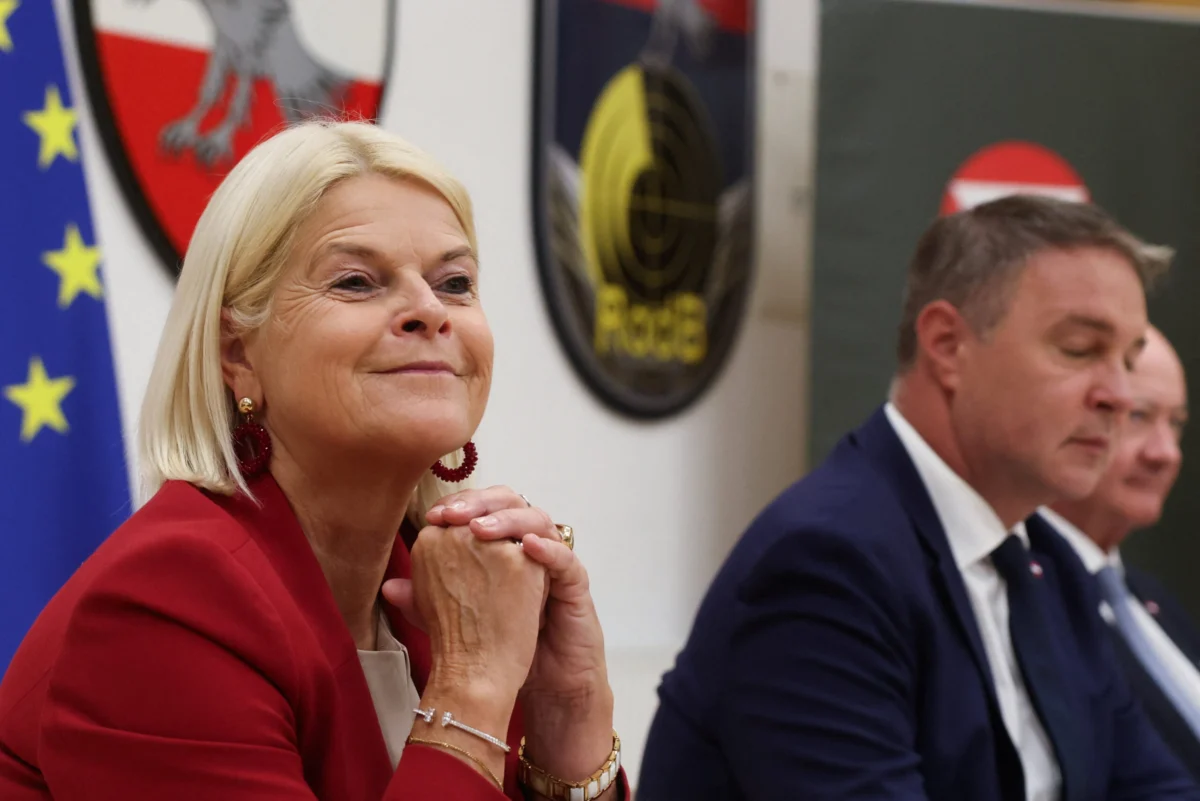
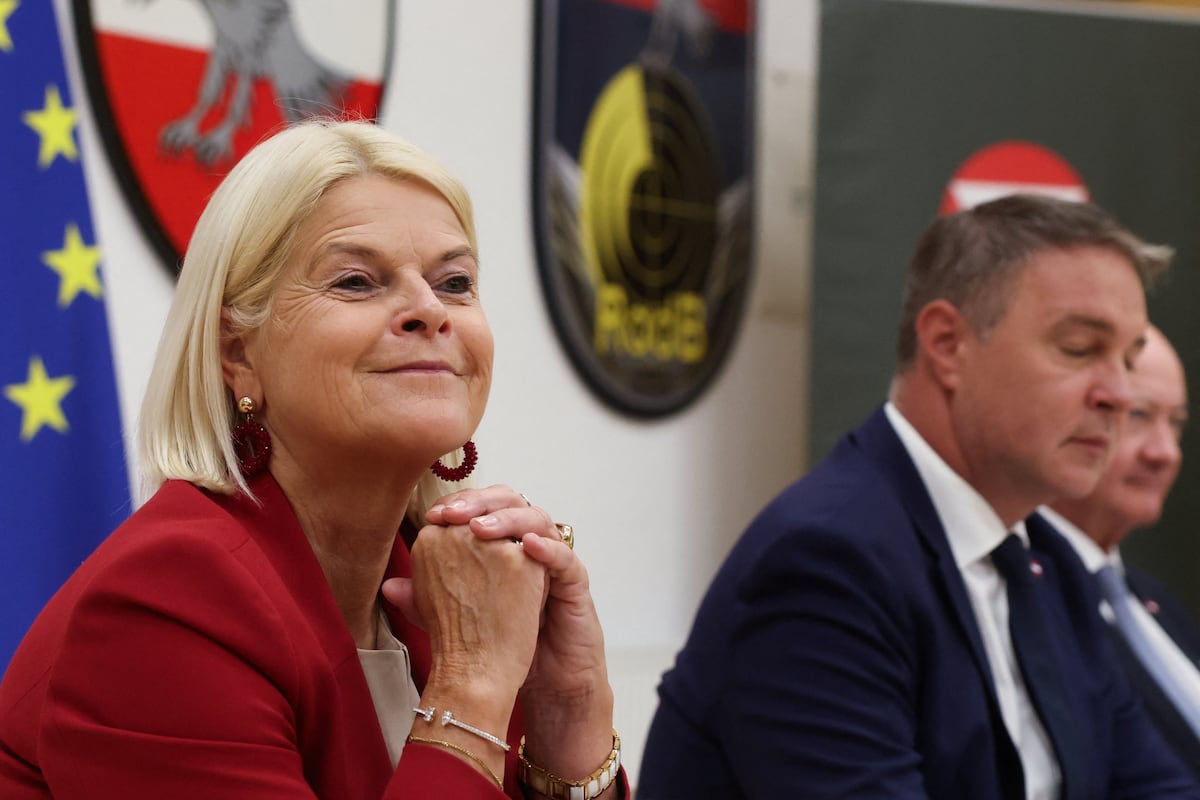
In a significant departure from decades of post-Cold War defense policy, Austria’s coalition government has announced a comprehensive plan to extend the nation’s mandatory military service from six months to nine months. The proposal, unveiled on Monday by Chancellor Christian Stocker, Vice Chancellor Andreas Babler, and Defence Minister Klaudia Tanner, marks a strategic pivot for the neutral Alpine nation as it grapples with a radically altered security environment in Europe. Speaking at a military installation on the outskirts of Salzburg, government leaders emphasized that the "peace dividend" enjoyed by the continent for thirty years has effectively evaporated following the Russian invasion of Ukraine, necessitating a robust modernization of Austria’s Federal Railways and its broader defense capabilities.
For much of the 21st century, Austria’s armed forces, the Bundesheer, have operated primarily as a secondary support structure for domestic emergencies. Their roles have traditionally focused on "Assistenzeinsätze"—assistance operations—which include disaster relief during Alpine floods, management of wildfires, and assisting police with border control to manage irregular migration. However, the ongoing conflict in Eastern Europe and the rise of non-traditional threats have forced a re-evaluation of whether a six-month training cycle is sufficient to prepare conscripts for the complexities of modern warfare, which now includes high-tech conventional engagements, hybrid tactics, and large-scale cyberattacks.
A Fundamental Shift in the Security Paradigm
Chancellor Christian Stocker, addressing the press after a pivotal cabinet meeting, framed the decision as a matter of national survival and self-reliance. "The security conditions have changed fundamentally in the past years, months, and weeks," Stocker stated. "The dream of a lasting peace in Europe shattered at the latest with the Russian war of aggression against Ukraine. These developments show clearly that Austria must take charge to a greater extent of its own capabilities for self-reliance and protection of the population."
The Chancellor’s remarks underscore a growing anxiety within the Austrian political establishment regarding the nation’s ability to uphold its "permanent neutrality," a status enshrined in its 1955 constitution. While neutrality theoretically protects Austria from being drawn into foreign conflicts, it also places the burden of "armed neutrality" on the state—the obligation to maintain a military capable of defending its territory independently. For years, military analysts and high-ranking officers have warned that chronic underfunding and short service durations have left the Bundesheer "hollowed out," capable of little more than symbolic resistance against a sophisticated foreign aggressor.
The Proposed Reforms: Service Extension and Financial Incentives
The centerpiece of the government’s plan is the three-month extension of basic military service. Under the current system, Austrian men generally undergo six months of training around their 18th birthday. The new proposal seeks to extend this to nine months, providing more time for specialized training in areas such as anti-tank defense, drone operation, and electronic warfare.
To mitigate the impact on the labor market and make the service more palatable to the youth, the government has proposed a series of "sweeteners." These include:
- Increased Compensation: The monthly pay for conscripts is set to nearly double, rising to approximately 1,000 euros ($1,140). This is a significant jump from the current stipend, which has often been criticized as being below the subsistence level.
- Enhanced Benefits: The introduction of dedicated holiday days and improved social security credits for the duration of the service.
- The Reservist Model: The reform plans to reintegrate a mandatory reservist (Miliz) component. Conscripts would be required to participate in follow-up exercises over a 10-year period following their initial service. This aims to ensure that the "militia" system—the backbone of Austria’s defense strategy—remains combat-ready rather than existing merely on paper.
Furthermore, the government addressed the civilian alternative to military service, known as Zivildienst. Currently, young men can opt for a nine-month civilian service, typically involving work in hospitals, ambulance services, or elderly care facilities. The government intends to allow for a voluntary two-month extension of this service, acknowledging the vital role these individuals play in Austria’s social safety net.
Historical Context and the Evolution of Austrian Neutrality
To understand the weight of this proposal, one must look at the history of Austrian defense policy. Following World War II and the subsequent ten-year Allied occupation, Austria regained its sovereignty in 1955 by declaring permanent neutrality. This was a pragmatic move to ensure the withdrawal of Soviet troops. Throughout the Cold War, Austria maintained a substantial "Area Defense" (Raumverteidigung) strategy, designed to make any transit by NATO or Warsaw Pact forces through the Alpine passes prohibitively "expensive" in terms of time and casualties.
However, after the fall of the Iron Curtain in 1989 and Austria’s accession to the European Union in 1995, the perceived threat of a conventional land invasion vanished. Successive governments implemented deep budget cuts. In 2013, a national referendum was held on whether to abolish conscription in favor of a professional army. While nearly 60% of voters opted to retain the draft, the subsequent decade saw little investment in the military’s actual combat readiness. The 2022 invasion of Ukraine served as a "wake-up call," leading to the "Aufbauplan 2032" (Build-up Plan 2032), a long-term investment strategy to modernize equipment and infrastructure. The extension of service to nine months is seen as the human-resource counterpart to this hardware modernization.
Geographical and Strategic Realities
Austria occupies a unique and somewhat precarious strategic position in Central Europe. It is bordered by eight nations: Germany, the Czech Republic, Slovakia, Hungary, Slovenia, Italy, Switzerland, and Liechtenstein. All of these neighbors, with the exception of Switzerland and Liechtenstein, are members of the North Atlantic Treaty Organization (NATO).
While being surrounded by NATO members provides a "buffer," Austrian officials are increasingly wary of being a "security consumer" rather than a "security producer." There is a growing realization that in a scenario of widespread European instability, Austria cannot rely solely on the collective defense of its neighbors without contributing to the overall stability of the region. This is particularly relevant given Austria’s participation in the "European Sky Shield Initiative," a German-led project to create a unified air defense system across Europe—a move that sparked intense domestic debate over whether such cooperation violates the spirit of neutrality.
Political Obstacles and Legislative Requirements
Despite the coalition’s unified front on Monday, the path to implementing these changes is fraught with political difficulty. Because the changes involve fundamental aspects of national defense and the rights of citizens, passing the necessary legislation requires a two-thirds "constitutional majority" in the Austrian Parliament (Nationalrat).
The current coalition, consisting of the conservative Austrian People’s Party (ÖVP) and the junior partner (represented in this context by the leadership of Stocker and Babler), does not hold enough seats to reach this threshold alone. They will require the support of either the Greens or the right-wing Freedom Party (FPÖ).
- The Freedom Party (FPÖ): While traditionally supportive of a strong military, the FPÖ is currently running on a platform of "strict neutrality" and has been critical of any moves that seem to align Austria more closely with Western defense initiatives.
- The Greens: The Greens have historically been skeptical of increased military spending and longer conscription, often favoring the expansion of the civilian service instead.
Negotiations with these opposition parties have yet to begin, and the government faces a ticking clock as the security situation in Eastern Europe remains volatile.
Economic and Social Implications
The extension of military service is not without its economic critics. Business leaders have expressed concern that removing young men from the labor market for an additional three months could exacerbate existing labor shortages in skilled trades and technical sectors. Austria, like much of Europe, is facing an aging population and a shrinking workforce.
Conversely, proponents argue that a more robust military provides a stable environment for economic growth and that the skills learned during a nine-month stint—ranging from technical engineering to leadership and crisis management—are transferable to the civilian sector. The doubling of pay to 1,000 euros is also expected to act as a minor stimulus, ensuring that conscripts can maintain their financial obligations, such as rent or student loan interests, while serving.
Analysis of Broader Impacts
The Austrian proposal is part of a wider trend across Europe. Since 2022, several nations have moved to reinstate or expand conscription. Latvia reintroduced the draft in 2023, Sweden has expanded its call-up numbers, and debates are currently raging in Germany regarding the return of some form of mandatory service.
For Austria, the shift to a nine-month model represents a "normalization" of its defense posture. It signals to both allies and potential adversaries that the country is moving away from the "civil protection" model toward a more traditional "territorial defense" model. The emphasis on the reservist (Miliz) system is particularly telling; it suggests that the government is planning for a long-term period of instability where the ability to rapidly mobilize a trained citizenry is more important than maintaining a small, high-cost professional force.
As the legislative process begins, the eyes of the European defense community will be on Vienna. Whether the Austrian government can secure the necessary political consensus to enact these changes will be a litmus test for the nation’s commitment to its own defense in the post-Ukraine era. For now, the message from the barracks in Salzburg is clear: the era of passive neutrality is ending, and the era of prepared, active self-reliance has begun.

Related Posts
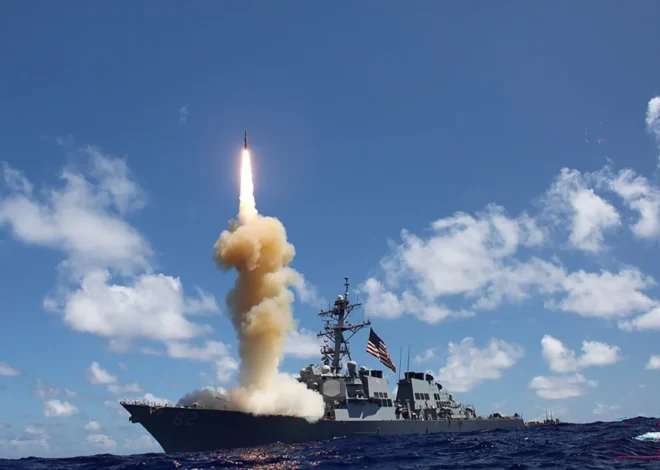
Pentagon Forges Landmark Seven-Year Agreements with Boeing and RTX to Accelerate Standard Missile-3 Production and Stabilize Defense Supply Chains
Boeing Unveils Ultra Low-Cost Seeker to Enhance Missile Inventory and Combat Cost Challenges in Modern Warfare