Democratic Republic of Congo Confirms Environmental Pollution Linked to Perenco Oil Operations Following Human Rights Watch Investigation
The government of the Democratic Republic of Congo (DRC) has officially acknowledged that preliminary results from a state-mandated environmental audit into the operations of Perenco, a prominent French-British oil and gas company, have identified significant negative impacts on soil and air quality. In an on-the-record interview conducted on July 31, 2026, a representative of the Congolese Ministry of Hydrocarbons confirmed that the government’s findings largely corroborate a scathing report recently released by Human Rights Watch (HRW). This admission marks a pivotal moment in the longstanding tension between extractive industries, environmental advocates, and the Congolese state, signaling a potential shift toward greater corporate accountability in one of the world’s most biodiversity-rich nations.
The audit, which was commissioned by the Ministry of Hydrocarbons in December 2024, followed years of mounting allegations from local communities and international observers regarding the environmental degradation associated with Perenco’s activities in the coastal Muanda region. The ministry official stated that "all aspects of pollution will be addressed" in the final report, which is expected to be released to the public by the end of September 2026. This development comes as the DRC faces increasing pressure to balance its economic reliance on natural resource extraction with its commitments to environmental preservation and the protection of its citizens’ health.
The Human Rights Watch Investigation and Preliminary Audit Findings
The government’s statement follows the July 27, 2026, release of a comprehensive report by Human Rights Watch titled "DR Congo: Oil Company Operations Pose Grave Pollution Threat." The HRW investigation documented severe health risks for communities residing near Perenco’s extraction sites in western Congo. According to the report, routine gas flaring and the open burning of oil waste in close proximity to residential areas have significantly degraded air quality, leading to a surge in respiratory illnesses and other acute health conditions among the local population.
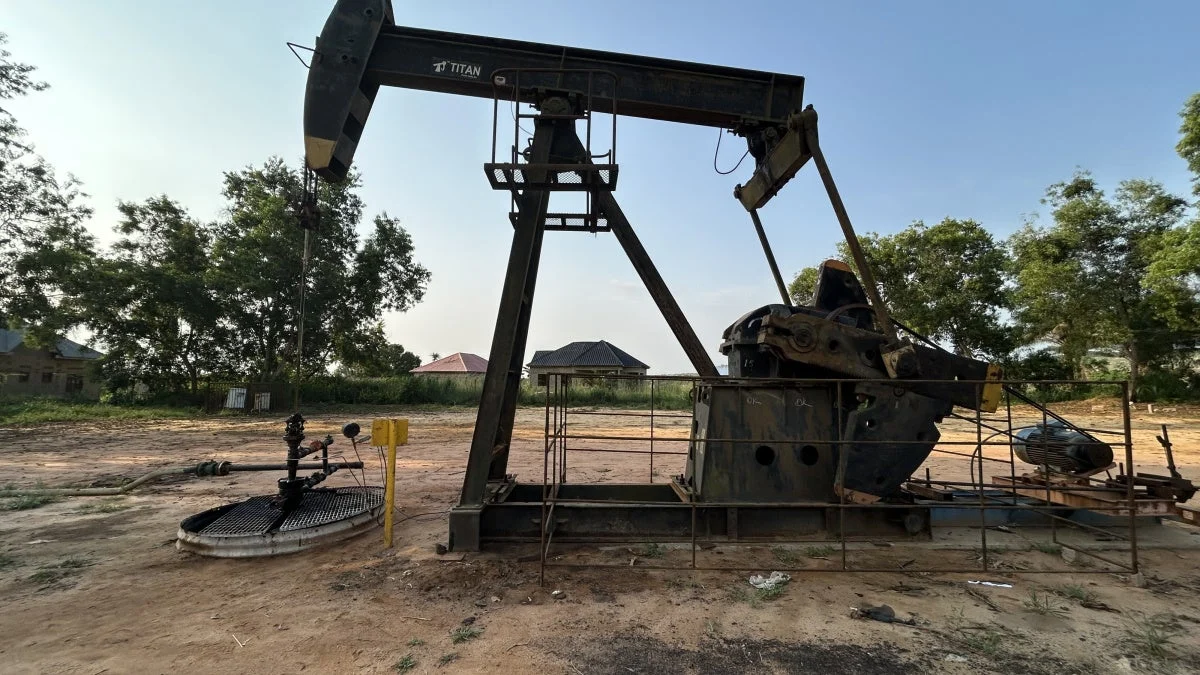
The HRW report further detailed how oil spills from aging wells and pipelines have permeated the surrounding soil and riverbeds, contaminating vital water sources and destroying the livelihoods of local farmers and fishers. Significantly, the Congolese Ministry of Hydrocarbons official noted that the government’s own audit "corroborate[s] Human Rights Watch’s conclusions." The official specifically highlighted that the "ageing of Perenco’s infrastructure and pipelines" is a primary contributor to the ongoing soil pollution in the region.
Perenco, which operates as the sole oil producer in the DRC, has historically denied allegations of environmental negligence. In response to inquiries from Human Rights Watch prior to the report’s publication, the company maintained that its operations do not cause air, soil, or water pollution, nor do they result in detrimental health conditions for the populace. However, the ministry’s preliminary audit findings suggest a clear disconnect between corporate assertions and the empirical reality on the ground.
Chronology of the Environmental Dispute
The path to the current audit has been defined by a decade of advocacy and escalating reports of environmental mismanagement. The following timeline outlines the key events leading to the Ministry of Hydrocarbons’ recent admission:
- 2014–2022: Local non-governmental organizations (NGOs) and community leaders in Muanda begin documenting an increase in oil spills and the persistence of gas flaring. Reports of "black rain" and contaminated groundwater start to surface in international media.
- December 2024: Amidst growing domestic and international pressure, the Congolese Ministry of Hydrocarbons officially commissions an environmental audit of Perenco’s operations to determine the extent of the damage and the company’s compliance with national laws.
- January 2025 – June 2026: Government-appointed experts conduct field missions in the Kongo Central province, taking soil and air samples and inspecting Perenco’s technical infrastructure.
- July 27, 2026: Human Rights Watch publishes its findings, alleging that Perenco’s practices, including the open burning of oil waste, violate Congolese environmental law and pose a direct threat to human rights.
- July 31, 2026: A Ministry of Hydrocarbons official confirms that the preliminary audit findings support HRW’s claims of pollution and identifies infrastructure failure as a key cause.
- September 2026 (Expected): The final audit report is scheduled for completion and public release, including recommendations for remediation and infrastructure upgrades.
Technical Scope of the Pollution and Aging Infrastructure
A critical component of the ministry’s findings involves the state of Perenco’s physical assets. Many of the pipelines and extraction facilities currently in use were inherited from previous operators or installed decades ago. The Ministry of Hydrocarbons indicated that the "ageing" of these assets has led to frequent leaks and spills. In the Muanda region, where the ecosystem includes sensitive mangroves and river systems, even minor spills can have catastrophic long-term effects on biodiversity and soil fertility.
Furthermore, the practice of gas flaring—the burning of natural gas associated with oil extraction—remains a major point of contention. While many countries have moved to ban or strictly regulate flaring due to its contribution to greenhouse gas emissions and local air pollution, it has remained a routine part of Perenco’s operations in the DRC. The HRW report emphasized that this flaring, often conducted near homes and schools, releases a cocktail of toxic chemicals, including benzene and sulfur dioxide, into the atmosphere.
The ministry official confirmed that the final audit will provide an estimate for environmental remediation costs and propose specific measures to repair the damage. This is expected to include a mandate for Perenco to modernize its infrastructure to prevent future spills and to implement technologies that capture associated gas rather than flaring it.
Supporting Data and Environmental Impact
While the full data set of the government audit remains confidential until its September release, existing environmental studies in the region provide a sobering context. Previous independent analyses of the soil in Muanda have shown hydrocarbon concentrations significantly exceeding international safety standards. In some areas near pipeline junctions, the soil has been rendered sterile, preventing the growth of staple crops like cassava and maize.
Air quality monitoring in similar oil-producing regions suggests that particulate matter (PM2.5) levels near flaring sites can be several times higher than the World Health Organization’s (WHO) recommended limits. For the residents of Muanda, this translates to a higher incidence of chronic bronchitis, asthma, and skin irritations. The ministry’s acknowledgement that groundwater sampling is still underway suggests that the full extent of the water contamination—potentially the most dangerous aspect for public health—is yet to be fully quantified.
Official Responses and Corporate Accountability
The Congolese government’s commitment to transparency regarding this audit is a notable departure from previous years, where environmental concerns were often secondary to the drive for increased oil production. "The government is committed to full transparency regarding this audit," the ministry official stated, adding that the final document will be made public.
Human Rights Watch has welcomed the ministry’s comments but continues to call for immediate action. The organization argues that the findings should lead to more than just recommendations; they should result in legal enforcement. HRW’s research suggests that Perenco’s practice of burning oil waste in open pits is a direct violation of Congolese environmental law, which requires specialized treatment for hazardous waste.
For its part, Perenco has defended its record by highlighting its role as a major employer and taxpayer in the DRC. The company has previously stated that it adheres to international standards and works closely with local authorities. However, with the government now siding with independent investigators, Perenco may face significant legal and financial liabilities.
Broader Implications and Analysis
The admission by the Ministry of Hydrocarbons carries implications that extend far beyond the borders of the Muanda region. As the DRC seeks to position itself as a "solution country" for the global climate crisis—largely due to its massive rainforests and peatlands that act as carbon sinks—the government is under scrutiny to ensure its own industrial sectors are not undermining its environmental credentials.
-
Legal Precedent: This audit could set a precedent for how the DRC monitors other extractive industries, including the mining of cobalt and copper in the southeast. If the government follows through with enforcement against Perenco, it signals to other multinational corporations that environmental compliance is no longer optional.
-
Investment Climate: While some may fear that stricter environmental regulations could deter foreign investment, analysts argue that clear, transparent, and enforced regulations actually create a more stable and predictable environment for long-term investors. By addressing the "ageing infrastructure" issue, the DRC is essentially demanding that oil companies invest in the sustainability of their operations rather than merely extracting short-term profit.
-
Remediation and Compensation: The final report in September will likely spark a debate over who pays for the cleanup. If the audit identifies Perenco as the primary party responsible for the pollution, the company could be forced to shell out millions of dollars for soil remediation and compensation for affected communities. This could lead to a protracted legal battle if the company disputes the audit’s methodology or conclusions.
-
Public Health and Social Stability: Addressing the health concerns of the Muanda population is vital for social stability. Chronic pollution has often been a catalyst for civil unrest in resource-rich regions across the continent. By validating the community’s grievances through an official audit, the Congolese government may be attempting to de-escalate tensions and build trust with its citizens.
Conclusion
The confirmation by the Congolese Ministry of Hydrocarbons that Perenco’s operations have caused "negative impacts on soil and air quality" represents a significant victory for environmental transparency in the Democratic Republic of Congo. By corroborating the findings of Human Rights Watch, the government has moved the conversation from a debate over the existence of pollution to a discussion on how to remediate it and prevent its recurrence.
As the final phase of the audit concludes, the eyes of the international community will be on Kinshasa. The publication of the full report in September will be the ultimate test of the government’s commitment to transparency and its willingness to hold powerful corporate actors accountable. For the people of Muanda, the hope is that this official recognition will finally lead to the clean air, fertile soil, and safe water that have been compromised by decades of industrial activity.

Related Posts
Human Rights Watch Calls for Investigation into Death of Detainee Following Removal from Najaf Hospital by Iraqi Drug Police
Human Rights Watch Urges UN Security Council to Extend Lebanon Peacekeeping Mission Amid Escalating Conflict and Humanitarian Crisis