Denmark Implements Extended Military Conscription and Arctic Deployment Amid Escalating Regional Security Threats and NATO Commitments
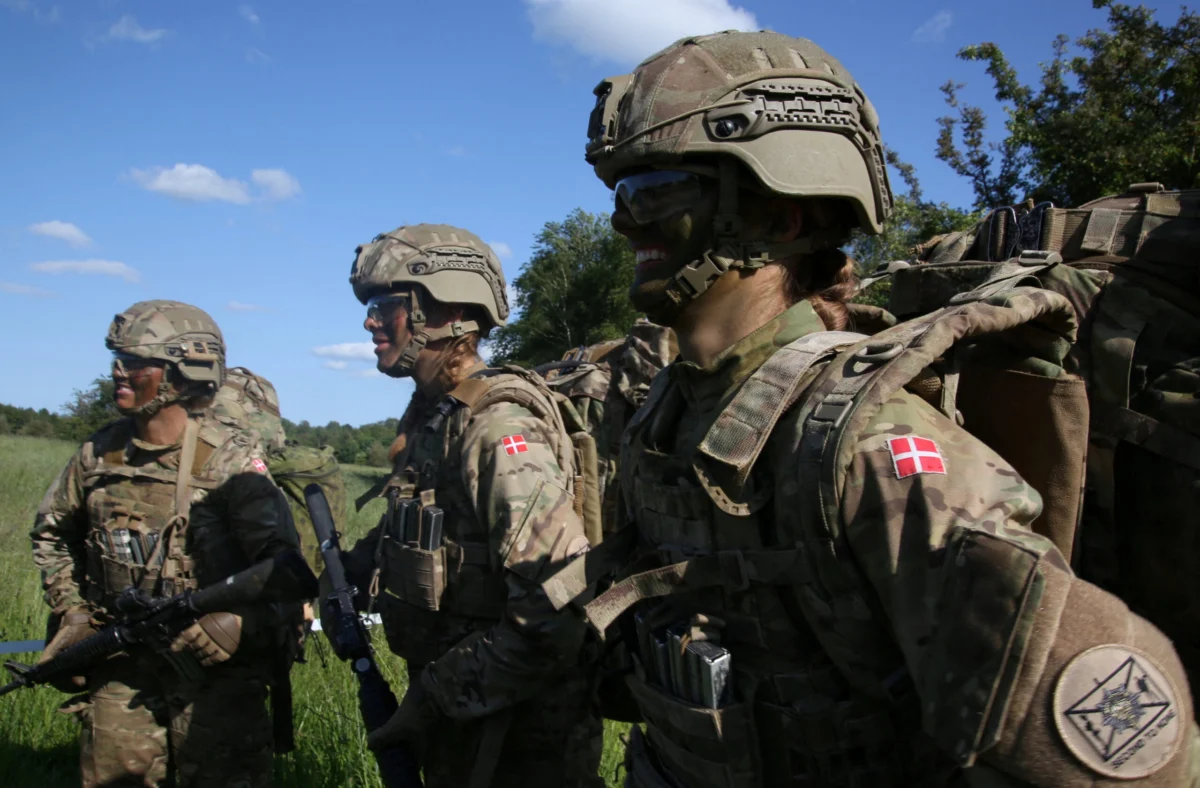
On Monday, August 3, 2026, the Danish Armed Forces officially launched a transformative era for the nation’s military service as approximately 1,600 recruits began a newly extended 11-month conscription period. This move signifies a pivotal shift in Denmark’s defense policy, moving away from the previous four-month introductory model to a more rigorous, operationalized framework designed to bolster the country’s standing within NATO and safeguard its interests in the increasingly contested Arctic region. The arrival of this cohort at various barracks across the country marks the first tangible step in a long-term strategy to expand the standing reserve and integrate conscripts into active operational roles, including deployments to the semi-autonomous territory of Greenland.
A Strategic Pivot in Danish Defense Policy
The extension of conscription is the cornerstone of a broader Danish defense buildup, catalyzed by the shifting geopolitical landscape in Europe and the High North. In 2024, the Danish government reached a landmark cross-party agreement to overhaul the national service model. This decision was driven primarily by two factors: the ongoing war in Ukraine, which has revitalized the necessity for conventional ground forces in Europe, and the intensifying competition for influence in the Arctic.
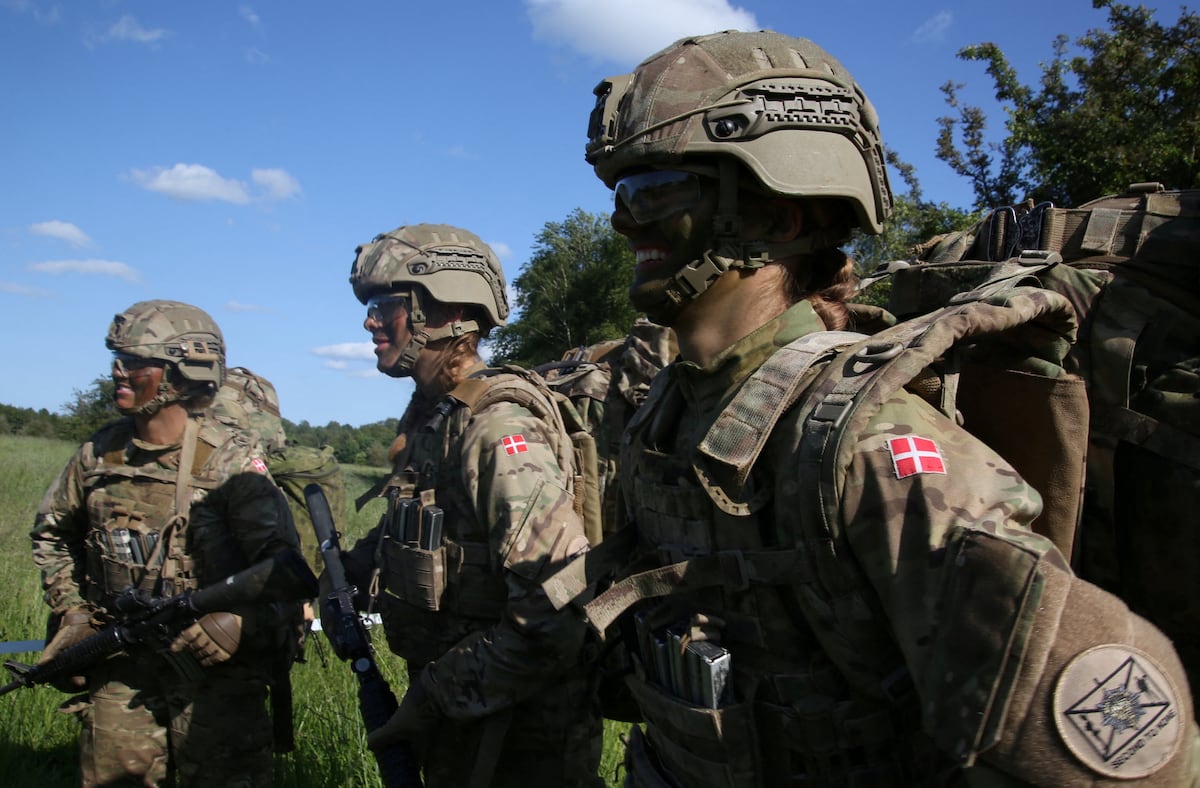
Under the new regulations, the duration of service has nearly tripled, increasing from four months to eleven. Furthermore, for the first time in Danish history, conscription has been extended to include women on equal terms with men, a move intended to achieve full gender equality within the ranks and expand the talent pool available to the military. The government aims to increase the total number of annual conscripts to 7,500 by 2033, up from the current level of approximately 5,000.
The first five months of the new program are dedicated to intensive basic training, covering combat tactics, physical conditioning, and weapons proficiency. The subsequent six months are designated as operational service, where recruits are integrated into functional units to perform actual defense tasks. This secondary phase is intended to ensure that conscripts are not merely trainees but are capable of contributing to the nation’s immediate defense readiness.
Historical Context and the Evolution of National Service
Denmark’s approach to conscription has fluctuated significantly since the end of the Cold War. During the 1990s and early 2000s, like many of its European neighbors, Denmark reduced its reliance on conscripts, focusing instead on a smaller, professional force capable of international expeditionary missions in theaters such as Afghanistan and Iraq. However, the 2014 annexation of Crimea by Russia, followed by the full-scale invasion of Ukraine in 2022, forced a re-evaluation of territorial defense.
The Danish "lottery" system, which theoretically mandates service for all healthy 18-year-old men, has for years relied almost exclusively on volunteers. In recent cycles, over 95% of recruits have been volunteers, meaning the mandatory draft was rarely invoked. By extending the service time and including women, the Ministry of Defense seeks to maintain this volunteer-heavy culture while ensuring that the volume of trained personnel is sufficient to meet the "Total Defense" requirements of the 21st century.
This evolution mirrors trends seen among Denmark’s Nordic and Baltic neighbors. Sweden reintroduced conscription in 2017 after a seven-year hiatus, while Lithuania reinstated it in 2015 following the initial crisis in Ukraine. Finland and Norway have long maintained robust conscription models, which are now being viewed as the gold standard for regional deterrence against Russian territorial ambitions.
The Arctic Dimension: Deployment to Greenland
One of the most significant and politically sensitive aspects of the new conscription model is the immediate deployment of recruits to Greenland. Later this month, a company of more than 100 soldiers will be stationed in the territory for a one-month rotation. This marks the first time that conscripts will take over operational tasks from professional troops in the Arctic, a move that underscores the strategic priority Copenhagen places on the "High North."
Greenland, a semi-autonomous territory within the Kingdom of Denmark, has become a focal point of global geopolitical tension. As polar ice melts, new shipping lanes are opening, and vast untapped mineral resources are becoming accessible. The Danish presence in Greenland is essential for maintaining sovereignty and conducting search-and-rescue operations, as well as monitoring the Greenland-Iceland-UK (GIUK) gap—a naval chokepoint vital for NATO’s Atlantic security.
The deployment also carries significant diplomatic weight. During his first term, U.S. President Donald Trump sparked a diplomatic rift by suggesting the United States should purchase Greenland from Denmark. While the proposal was dismissed by both Copenhagen and Nuuk as "absurd," the recurring interest from Washington highlights Greenland’s indispensable value to U.S. national security, particularly regarding the Thule Air Base (now Pituffik Space Base). By deploying its own forces more visibly, Denmark is asserting its commitment to the territory’s defense and its role as the primary sovereign power in the region.
Official Stance and Political Reactions
The Danish leadership has been vocal about the necessity of these changes. At the NATO summit held in Ankara in July 2026, Prime Minister Mette Frederiksen emphasized that the era of the "peace dividend" is over. "Denmark is ready to defend every inch of NATO territory, including our own," Frederiksen stated, reinforcing the idea that Denmark must be able to protect its own borders and the vast reaches of the Kingdom to remain a credible ally.
Defense Minister Troels Lund Poulsen has previously noted that the expansion of conscription is not merely about numbers but about modernization. The introduction of specialized tracks, such as a drone platoon at the Special Operations Command, reflects a shift toward integrating 21st-century technology into the foundational levels of the military. "We are training soldiers for the future, not the past," Poulsen remarked during a briefing on the new recruitment tracks.
The response from the recruits themselves has been largely positive, reflecting a high level of civic engagement. Silas Nohr, a 19-year-old from Varde who began his service on Monday, expressed that the 11-month duration offers a more meaningful experience than the previous four-month stint. "Now we have 11 months, and I feel like you can really get into it, really experience it, and get a lot deeper into the military," Nohr said. His sentiment is shared by many who view the service as a professional development opportunity rather than a burden.
Economic and Societal Implications
The decision to triple the length of service and increase the intake of recruits is not without its challenges. Economically, the Danish government has had to allocate billions of additional kroner to the defense budget to cover the costs of housing, feeding, and equipping a larger force. This expenditure is part of Denmark’s commitment to meeting the NATO target of spending 2% of GDP on defense, a goal the country has struggled to reach in previous decades but is now on track to achieve.
From a societal perspective, the inclusion of women in mandatory conscription represents a landmark change in the Danish social contract. While women have been able to volunteer for military service since 1962, the new law places them on the same legal footing as men regarding the draft. Social commentators suggest this will likely lead to a more diverse and representative military, though it also requires significant infrastructure upgrades to barracks and training facilities to accommodate a mixed-gender force.
There are also concerns regarding the impact on the labor market and higher education. With 7,500 young adults removed from the civilian workforce or university system for nearly a year, some industries may face temporary labor shortages. However, the Ministry of Defense argues that the skills gained during military service—leadership, discipline, and technical proficiency—ultimately benefit the civilian economy in the long run.
Fact-Based Analysis: Strengthening the Northern Flank
The implementation of this policy is a clear signal to Moscow that the Nordic region is hardening its defenses. By creating a larger pool of trained reservists, Denmark is ensuring that it can rapidly mobilize in the event of a regional conflict. The operational deployment to Greenland is particularly significant as it relieves the pressure on professional special forces units, such as the Sirius Dog Sled Patrol, allowing them to focus on high-level reconnaissance while conscripts handle base security and logistical support.
Furthermore, the focus on drone technology and special operations tracks for conscripts indicates that Denmark is learning from the conflict in Ukraine, where small, tech-savvy units have played a disproportionate role on the battlefield. By embedding these capabilities at the conscript level, the Danish Armed Forces are building a "Total Defense" model that is both resilient and technologically advanced.
Future Outlook
As the first cohort of 1,600 recruits begins their journey, the eyes of the international community—and particularly Denmark’s NATO allies—will be on the success of this transition. If the 11-month model proves effective in producing high-quality, operationally ready soldiers, it may serve as a template for other European nations looking to bolster their domestic defense capabilities without relying solely on a professional standing army.
The coming months will test the logistics of the Greenland deployment and the integration of the new training modules. However, the prevailing sentiment in Copenhagen is one of necessity. In a world where Arctic sovereignty is challenged and European borders are no longer seen as inviolable, Denmark is betting that a longer, more inclusive, and more operationally focused conscription program is the best way to ensure the nation’s security for decades to come.

Related Posts
Pentagon Forges Landmark Seven-Year Agreements with Boeing and RTX to Accelerate Standard Missile-3 Production and Stabilize Defense Supply Chains
Boeing Unveils Ultra Low-Cost Seeker to Enhance Missile Inventory and Combat Cost Challenges in Modern Warfare