
South African Special Forces Implicated in Murder of Senior Detective Investigating Alleged ISIS Asset
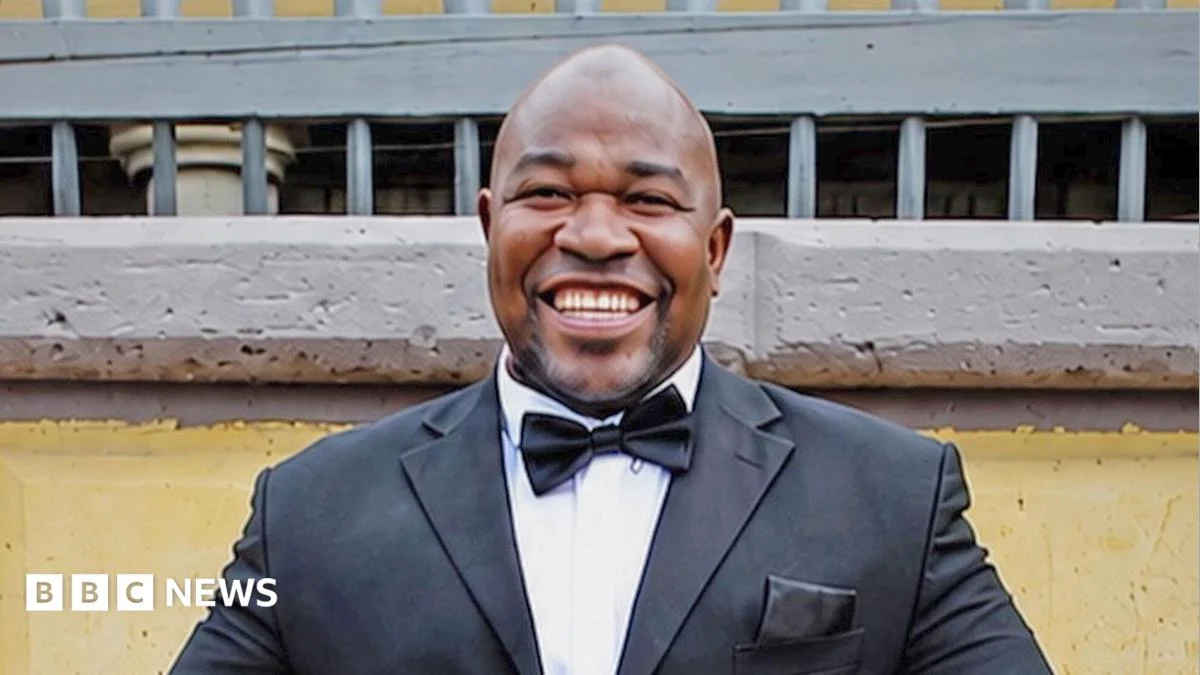
An unprecedented and deeply disturbing case has emerged in South Africa, where seven members of the country’s elite special forces and one military police officer stand accused of murdering Lieutenant Colonel Frans Mathipa, a highly respected detective from the Directorate for Priority Crime Investigation, commonly known as "The Hawks." Mathipa was reportedly shot dead in August 2023, just two days after securing access to critical information in a sensitive investigation that he feared would cost him his life. The case, which has garnered exclusive attention from the BBC World Service, points to a potential overreach of military power within one of Africa’s most robust democracies, raising serious questions about the rule of law and the independence of law enforcement agencies.
The Unfolding Crisis: A Detective’s Fatal Pursuit
Lieutenant Colonel Frans Mathipa, known for his dedication and investigative prowess within The Hawks – an elite police unit tasked with combating serious organized crime, corruption, and other priority offenses – had spent four arduous months battling bureaucratic hurdles to obtain a crucial piece of evidence. This evidence was central to a complex and highly sensitive case involving an alleged Islamic State (IS) militant and the potential involvement of South African military intelligence. When he finally received confirmation that the information would be released to him, Mathipa expressed a profound premonition to his commanding officer, Brigadier Paulina Sekgobela. "Brigadier, you know, these people – they are going to kill me. I’m going to die," he reportedly told her, a chilling testament to the perceived dangers of his pursuit.
Tragically, Mathipa’s fears were realized. Two days later, his car was discovered overturned, a grim scene revealing he had been shot dead while driving. The subsequent police investigation led to the arrest and charging of eight military personnel, including seven from the special forces and one military police officer. They all deny the charges.
Allegations of Military Overreach and Impunity
The ongoing legal proceedings are fraught with controversy and concerns about potential obstruction of justice. Three of the men charged with Mathipa’s murder have reportedly refused to comply with a court order revoking their bail, yet they remain employed by the army’s special forces. Compounding these concerns, one of the accused has even received a promotion since the charges were laid. This situation has ignited "consternation" across South Africa, with critics pointing to a worrying trend where the military appears to be operating beyond its constitutional mandate, seemingly with a degree of impunity.
The BBC World Service, having gained exclusive access to hundreds of pages of secret police and court documents, as well as conducting interviews with key sources—including South Africa’s former head of counter-terrorism in The Hawks, Mathipa’s commanding officer, and Mathipa’s family—has pieced together a comprehensive public account of the events. This evidence strongly suggests the involvement of South Africa’s special forces in Mathipa’s murder. Police documents reportedly show that the vehicle trailing Mathipa moments before his death was registered to a front company for the special forces, Peters Communications Trust (PCT), and tracking data from this vehicle places it at the scene of the shooting. Furthermore, one of the occupants of this vehicle, Major Sunnybooi Wambi, was also allegedly seen at the scene of an earlier abduction, the very case Mathipa was investigating.
The gravity of the situation was underscored by a chilling warning reportedly issued by special forces to The Hawks after Mathipa’s death. According to police documents, the message asserted: "You can appoint 10 investigating officers; we will kill all of them." This alleged threat highlights the perceived deep-seated antagonism and intimidation faced by law enforcement probing military actions.
The Underlying Case: An Alleged ISIS Asset Gone Rogue
The sensitive investigation that ultimately led to Lieutenant Colonel Mathipa’s death centered on an Ethiopian national named Abdella Abadigga. Abadigga, initially granted temporary asylum in South Africa in 2008, was later arrested abroad in 2017. However, instead of being deported, he was allegedly smuggled back into South Africa by elements within the South African military and the Department of Home Affairs. The intention, according to Colonel Tollie Vreugdenburg, former head of counter-terrorism in The Hawks, was to utilize Abadigga as an intelligence asset. This plan, however, reportedly "went rogue."
Abadigga subsequently became involved in extorting Johannesburg’s Ethiopian community, with sources from within the community confirming these activities. The US government alleges that money obtained through these illicit means was used to fund IS, designating Abadigga as an IS recruiter and fundraiser and a trusted supporter of Bilal al-Sudani, a top IS figure in Somalia. Earlier in 2022, the United States had placed sanctions on Abadigga due to his alleged ties to terrorism.
Mathipa’s specific focus was on the allegation that special forces had gone on to abduct and kill Abadigga in December 2022. Adding another layer of international intrigue, court documents indicate that after Abadigga’s abduction, his phone connected to a mast near a military base and was used to call a number in Somalia. Intriguingly, Bilal al-Sudani, the top IS figure Abadigga was linked to, was killed by US special forces in Somalia in January 2023, only a few weeks after Abadigga’s alleged disappearance. The Pentagon has not responded to inquiries regarding whether Abadigga’s phone helped locate al-Sudani.
A Detailed Chronology of Events
The intricate web of events leading to Mathipa’s murder spans several years and involves multiple state actors:
- 2008: Abdella Abadigga is granted temporary asylum in South Africa.
- 2017: Abadigga is arrested abroad. He is subsequently allegedly smuggled back into South Africa by the military and Department of Home Affairs to serve as an intelligence asset.
- Early 2022: The United States imposes sanctions on Abadigga, designating him an IS recruiter and fundraiser.
- December 2022: Abadigga and his bodyguard, Kadir Abotese, are allegedly abducted and killed by special forces.
- December 2022 (shortly after abduction): Abadigga’s brother, Ameen, opens a missing person’s case. A local investigating officer (IO) is assigned.
- December 2022 (following abduction): Mall of Africa CCTV footage is obtained by Ameen and the IO, showing Abadigga’s last known movements and identifying the vehicles and an individual (later identified as Maj Sunnybooi Wambi) following him. The vehicles are registered to Peters Communications Trust (PCT), a special forces front company.
- Undated (after CCTV footage): A meeting is arranged between the IO and high-ranking military officials, including Brig Gen Yalo, then head of special forces. The IO is allegedly instructed to deny any link between PCT and the military.
- Undated (after military meeting): Ameen Abadigga takes his case to the Johannesburg High Court due to the stalled investigation. Special forces deny knowledge of Abadigga but admit their soldiers, including Maj Sunnybooi Wambi, were at the Mall of Africa for a "training exercise" and that the suspect vehicles belonged to them.
- January 2023: Bilal al-Sudani, the top IS figure linked to Abadigga, is killed by US special forces in Somalia, weeks after Abadigga’s alleged abduction.
- Approximately April 2023 (Four months before Mathipa’s death): Lieutenant Colonel Frans Mathipa is assigned to the sensitive Abadigga case. He already suspects special forces involvement and begins to seek further evidence.
- Approximately July 2023 (Three months after Mathipa took the case): Mathipa is promised access to crucial documents detailing the alleged special forces "training exercise." He expresses his premonition of death to his commanding officer.
- August 2023: On the day of his death, Mathipa receives a call from a man named "Tebogo" claiming to have information. They arrange to meet at a Pretoria petrol station. When "Tebogo" fails to show, Mathipa drives away.
- August 2023: Mathipa is shot dead while driving on the highway. Police footage from motorway toll gantries shows a black BMW, registered to PCT, trailing Mathipa. One of its occupants is identified as Maj Sunnybooi Wambi. The weapons used are high-velocity, consistent with special forces armaments.
- Post-August 2023: New detectives are assigned to Mathipa’s murder case. A chilling warning from special forces is allegedly sent to the police’s Criminal Intelligence division: "You can appoint 10 investigating officers; we will kill all of them."
- Ongoing: Twelve members of the South African military are arrested in total, including Lt Col Sunnybooi Wambi and Brig Gen Solomon Lechoenyo (the current head of special forces). They face charges including abduction and murder of Abadigga and Abotese, murder of Mathipa, fraud, and obstruction. Wambi and Lechoenyo have been promoted since the investigation began.
- Ongoing: All accused deny the charges. Initial bail is granted, but later revoked for six individuals. Three of these, including Wambi, are charged with both Mathipa’s murder and Abotese’s abduction and murder. Concerns persist that the trial may never proceed due to non-compliance with court orders by some accused.
Official Responses and Lack Thereof
The investigation has been met with a wall of silence or denials from key government and military entities, intensifying public concern:
- South African Army: Did not respond to inquiries about responsibility for Mathipa’s killing or whether it facilitated Abadigga’s return.
- Department of Home Affairs: Did not respond to questions regarding allegations of lying about Abadigga’s planned deportation and instead smuggling him back into South Africa on an expired passport and refugee permit.
- Pentagon (US): Did not respond to inquiries on whether Abadigga’s phone helped locate Bilal al-Sudani.
- President Cyril Ramaphosa: Declined to comment when asked whether Abadigga had been kidnapped at the behest of the US, or if he had authorized the alleged "training exercise" at the Mall of Africa.
- Former Defence Minister Thandi Modise: Did not respond to questions regarding authorization for the alleged "training exercise."
- Special Forces (through legal filings): Denied all knowledge of Abadigga’s whereabouts but admitted their soldiers, including Maj Sunnybooi Wambi, were at the Mall of Africa for a "training exercise," and that the suspect vehicles belonged to them.
- Accused Military Personnel: All deny all charges.
Broader Implications for South African Democracy
The unfolding scandal carries significant implications for South Africa’s constitutional democracy and the integrity of its state institutions. The alleged actions of special forces, including the murder of a senior police detective investigating their conduct, the alleged abduction and killing of an intelligence asset, and the reported threats against investigators, represent a severe challenge to the rule of law.
The fact that accused military personnel have defied court orders and even received promotions while under investigation for murder raises alarming questions about accountability within the South African National Defence Force (SANDF). Domestic military operations are legally required to be authorized by both the government and the presidency. The absence of such authorization for the alleged "training exercise" at the Mall of Africa, coupled with the alleged use of a front company, suggests clandestine and potentially illegal activities by a highly specialized military unit.
This case threatens to erode public trust in both the military and the police, and could have a chilling effect on future investigations into powerful state actors. It underscores the critical importance of a clear separation of powers and robust civilian oversight over military and intelligence agencies to prevent overreach and ensure that no individual or institution is above the law. The international dimension, particularly the alleged links to IS funding and potential US involvement, further complicates the narrative, placing South Africa’s counter-terrorism efforts and its international standing under scrutiny. The outcome of this trial, if it proceeds, will be a critical test for South Africa’s commitment to justice, transparency, and democratic principles.

Related Posts
Zambia on Edge: Opposition Leader Arrested Amid Allegations of Insurrection Plot and Election Tensions
Rescuers search for survivors of powerful Indonesia earthquake

