Oman Confronts Looming Environmental Catastrophe as Shadow Fleet Tanker Leaks Oil Across Hundreds of Square Kilometres Near Protected Nature Reserve
Oman is currently grappling with an escalating environmental crisis as an alleged Russian "shadow fleet" oil tanker continues to leak substantial quantities of crude oil, spreading across an estimated 600 square kilometres near a vital nature reserve off its southern coast. The incident, which has seen the vessel stranded for over a month and reportedly rocked by unexplained explosions, has prompted urgent warnings from international non-governmental organisations (NGOs) about a severe and long-lasting ecological disaster. The unfolding situation highlights the growing global concerns surrounding the opaque operations of aged vessels operating outside conventional regulatory frameworks, often linked to circumventing international sanctions.
The Escalating Crisis and Immediate Concerns
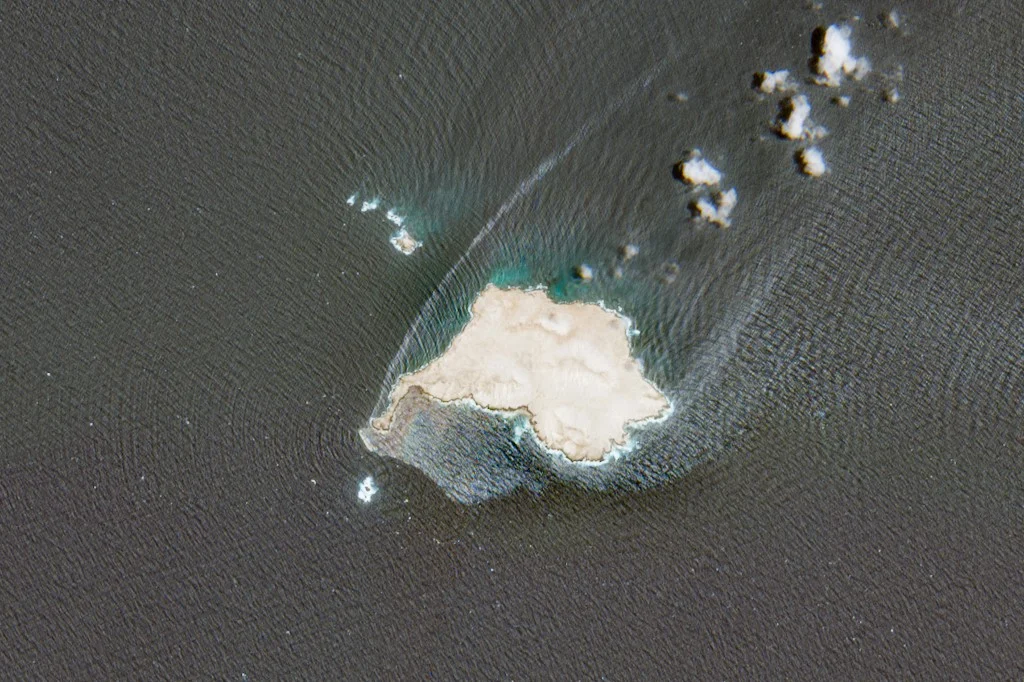
The initial alarm was raised when satellite imagery, independently verified by Agence France-Presse (AFP), revealed a discernible oil slick emanating from a vessel marooned near al-Qibliyyah island, a location far removed from the more frequently monitored Strait of Hormuz. What began as a spill covering approximately 20 square kilometres on July 24 rapidly expanded more than thirtyfold, reaching an alarming 600 square kilometres by August 4. This rapid proliferation underscores the gravity of the situation and the inherent challenges in containing spills from compromised vessels. Maritime security firms have confirmed reports of explosions aboard the tanker, though the precise cause remains undetermined, adding a layer of complexity and potential danger to any intervention efforts. The sheer scale of the slick, already comparable to some of the smaller historical oil spills, poses an immediate and grave threat to the delicate marine ecosystems of Oman’s coastline, particularly given its proximity to protected areas.
The Enigma of the "Shadow Fleet"
At the heart of this unfolding crisis lies the concept of the "shadow fleet" – a clandestine armada of older, often poorly maintained oil tankers operating with opaque ownership structures and frequently under flags of convenience. This fleet has proliferated significantly since Russia’s full-scale invasion of Ukraine in February 2022, serving as a critical mechanism for Moscow to bypass Western sanctions, particularly the G7 price cap on Russian oil exports. These vessels, typically acquired at discounted rates and often well past their conventional operational lifespan, are notorious for their reduced safety standards, minimal insurance coverage, and often obscure registration details.
Experts widely agree that the poor condition of these vessels significantly elevates the risk of maritime accidents, including collisions, groundings, and catastrophic oil spills. Unlike tankers operating within established international shipping frameworks, shadow fleet vessels often evade rigorous inspections, maintenance schedules, and comprehensive insurance policies that would typically cover the substantial costs of environmental damage and cleanup. This lack of accountability creates a dangerous vacuum, making it exceedingly difficult to identify responsible parties and secure financial compensation for potential ecological devastation. The incident off Oman’s coast serves as a stark illustration of these inherent dangers, transforming a geopolitical strategy into a tangible environmental threat with far-reaching consequences.
Oman’s Ecologically Sensitive Coastline at Risk
The location of the spill, near al-Qibliyyah island, places highly sensitive marine ecosystems in immediate peril. Oman’s southern coast, particularly the Dhofar region, is renowned for its rich biodiversity and pristine natural habitats, which are crucial for numerous species. The waters here support vibrant coral reefs, which are vital nurseries for fish and invertebrates and act as natural barriers against coastal erosion. The region is also a critical habitat and migratory route for several species of marine mammals, including various dolphin and whale species, some of which are endangered. Furthermore, Oman’s coastline is a haven for sea turtles, with nesting sites for species like the Green Sea Turtle, Loggerhead Sea Turtle, and Hawksbill Sea Turtle. The coastal areas also host diverse bird populations, including migratory species that rely on the intertidal zones for feeding and resting.
An oil spill of this magnitude can have devastating and cascading effects on these delicate ecosystems. Oil can smother corals, disrupting their feeding and reproductive cycles, leading to widespread bleaching and death. Marine mammals can suffer from oil ingestion, hypothermia due to matted fur or feathers, and respiratory problems from inhaling toxic fumes. Sea turtles, often mistaking oil slicks for food, can ingest crude oil, leading to internal organ damage, impaired foraging, and reduced reproductive success. Birds are particularly vulnerable; their feathers, when coated with oil, lose their insulating properties, leading to hypothermia, and they can be poisoned when attempting to preen. The long-term consequences can include disruption of food chains, reduction in fish stocks, and fundamental alterations to the marine environment that may take decades, if not centuries, to recover fully.
A Chronology of Concern
The unfolding situation has been a gradual, yet increasingly alarming, development:
- Early July (Unspecified Date): The alleged Russian shadow fleet tanker becomes stranded near al-Qibliyyah island off Oman’s southern coast. The precise date and circumstances of its grounding remain unclear, but it has been reported as "over a month" prior to early August.
- July 24: Satellite imagery first detects an oil slick spreading from the stranded vessel, estimated at approximately 20 square kilometres. This initial observation triggers concern among maritime monitoring agencies and environmental NGOs.
- Late July – Early August: Reports emerge from a maritime security firm indicating that the ship was rocked by explosions. The cause of these blasts is not clarified, adding a layer of mystery and potential structural instability to the vessel.
- August 4: Further satellite analysis, particularly by organisations like Greenpeace, reveals a dramatic expansion of the oil sheen. The slick is now estimated to cover an area of 600 square kilometres, indicating a significant and sustained leak from the tanker.
- Ongoing: The vessel remains stranded, and experts warn that oil continues to leak, exacerbating the environmental threat. The difficult location of the grounding further complicates potential intervention and cleanup operations.
This timeline illustrates a progression from an isolated incident to a full-blown environmental emergency, with the delay in containment allowing the spill to grow to a critical size.
Environmental and Economic Fallout
The implications of an oil spill of this scale are multifaceted, extending far beyond immediate ecological damage. Environmentally, the long-term impact on biodiversity, genetic diversity, and ecosystem health could be profound. Microorganisms, which are crucial for nutrient cycling, can also be severely affected, disrupting the entire marine food web. The persistence of oil in sediments and along coastlines can lead to chronic pollution, impacting future generations of marine life and slowing recovery processes.

Economically, the spill poses a significant threat to Oman’s coastal communities, many of whom rely on fishing and marine tourism for their livelihoods. Fisheries could face immediate bans or reduced yields due to contamination, impacting the income of local fishermen. The aesthetic damage to beaches and coastal areas, coupled with the perception of environmental degradation, could deter tourists, affecting hotels, resorts, and related businesses. The cost of cleanup operations alone can be astronomical, often running into hundreds of millions or even billions of dollars, depending on the scale and complexity. These costs include containment booms, skimmers, dispersants, waste disposal, and rehabilitation efforts, placing a substantial financial burden on affected nations.
Furthermore, the incident could have broader implications for regional maritime trade and safety. While the location is far from the Strait of Hormuz, a critical global shipping choke point, any disruption or perception of increased risk in Omani waters could lead to higher insurance premiums for legitimate shipping, indirectly impacting regional commerce.
Calls for Action and Official Responses
International NGOs have been vocal in their condemnation and calls for urgent action. Nina Noelle of Greenpeace emphatically warned AFP that the ongoing leakage and the vessel’s challenging location present a "serious risk of an even larger environmental disaster" with "severe and long-lasting" consequences. Greenpeace’s detailed satellite imagery analysis has been instrumental in quantifying the spill’s expansion, underscoring the urgency. Environmental advocacy groups are likely to pressure Omani authorities and international bodies for immediate intervention, comprehensive cleanup, and accountability for the responsible parties.
While specific official statements from Omani authorities regarding this particular incident were not immediately detailed in initial reports, it is highly probable that the Sultanate’s Ministry of Environment and Climate Affairs, along with its maritime and port authorities, would be actively engaged in assessing the situation, coordinating emergency response efforts, and potentially seeking international assistance. Oman has robust environmental protection laws and a vested interest in preserving its marine resources. Their response would typically involve deploying oil spill response teams, assessing the extent of contamination, and initiating investigations into the vessel’s ownership and circumstances leading to the leak.
On an international level, the incident is likely to draw the attention of bodies such as the International Maritime Organization (IMO). The IMO, responsible for setting global standards for ship safety, security, and environmental performance, has long expressed concerns about substandard shipping and the challenges posed by opaque ownership. This incident could serve as a renewed impetus for discussions on enhancing regulatory oversight of shadow fleets and ensuring adequate liability and compensation mechanisms are in place, particularly for incidents involving vessels that intentionally operate outside conventional frameworks.
Broader Implications for Global Shipping and Geopolitics
The oil spill off Oman’s coast transcends a localized environmental incident; it serves as a stark warning about the broader systemic risks associated with the proliferation of shadow fleets. The lack of transparent ownership, inadequate maintenance, and often insufficient insurance coverage of these vessels pose a significant threat not only to marine environments but also to the stability and safety of global maritime trade. Should such incidents become more frequent, they could erode public trust in maritime transport and necessitate more stringent, albeit potentially complex, international regulations.
From a geopolitical perspective, the incident underscores the unintended environmental consequences of economic sanctions. While sanctions are designed to exert pressure on specific regimes or entities, their circumvention through less regulated channels can create new vulnerabilities, particularly in environmental protection. This raises difficult questions about balancing geopolitical objectives with the imperative of safeguarding shared global environmental resources. The challenge lies in developing strategies that effectively achieve geopolitical aims without inadvertently fostering conditions conducive to ecological catastrophe.
Moreover, the difficulty in identifying and holding accountable the true owners of shadow fleet vessels highlights a critical gap in international maritime governance. The use of complex corporate structures, flags of convenience from jurisdictions with lax oversight, and fragmented chains of command make it incredibly challenging to pursue legal action for damages or to compel responsible parties to contribute to cleanup efforts. This systemic weakness demands a concerted international effort to enhance transparency, strengthen regulatory enforcement, and establish robust liability frameworks that can effectively address the risks posed by these clandestine operations.
In conclusion, the oil spill off Oman’s coast is more than just a localized environmental disaster; it is a critical warning sign for the international community. It demands immediate and coordinated action to contain the spill, mitigate its environmental impact, and hold accountable those responsible. More broadly, it necessitates a global re-evaluation of the risks posed by the burgeoning shadow fleet, urging international maritime bodies, governments, and the shipping industry to collaborate on comprehensive solutions that prioritize environmental protection and maritime safety above all else, ensuring that the pursuit of economic or geopolitical objectives does not come at an irreversible cost to our planet’s vital ecosystems.

Related Posts
Over 150 Israeli Settlers Storm Al-Aqsa Compound and Perform Prayers, Violating Status Quo Under Police Protection.
UN Report Highlights Over 900 Obstacles Hampering West Bank Aid Amid Escalating Humanitarian Crisis