Liberia Abolishes Primary School Registration Fees to Address Educational Crisis and Economic Barriers for Low-Income Families
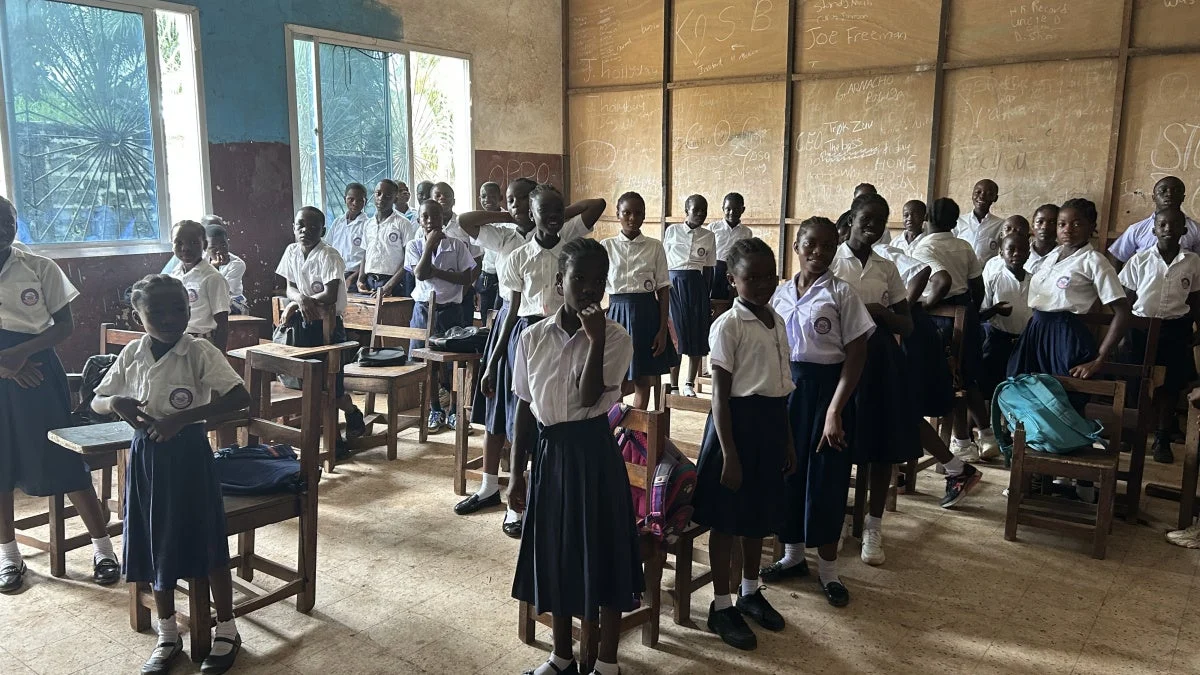
The Liberian government officially announced on August 5 a landmark policy shift intended to dismantle one of the most significant obstacles to basic education in the country: the elimination of all school registration fees for students from kindergarten through grade six. This directive, set to take effect with the commencement of the new academic year on September 7, represents a pivotal moment in the nation’s post-conflict reconstruction and its ongoing efforts to align with international human rights standards regarding the right to education. By removing these financial requirements, the administration aims to facilitate the return of hundreds of thousands of out-of-school children to the classroom, addressing a systemic crisis that has left a generation of Liberians struggling with illiteracy and limited economic mobility.
The decision follows years of advocacy from domestic civil society organizations and international monitors who have argued that "hidden" costs in the public education system have effectively privatized a service that is constitutionally mandated to be free. While the Liberian Constitution and the Education Reform Act of 2011 both stipulate that primary education should be free and compulsory, the practical reality for most families has been characterized by a complex web of registration fees, maintenance levies, and community-funded teacher salaries. This policy change seeks to close the gap between legal theory and the lived experience of the Liberian citizenry.
The Human Rights Watch Investigation and the Cycle of Poverty
The impetus for this policy change was significantly bolstered by the findings of a comprehensive Human Rights Watch (HRW) report titled "Without Education, There Will Be Nothing: School Fees and Other Barriers to Education in Liberia." The report provided an exhaustive documentation of how registration fees—often ranging from relatively small amounts to sums that represent a significant portion of a household’s monthly income—have placed schooling out of reach for the most vulnerable populations.
HRW’s research highlighted a harrowing reality: approximately one-third of all Liberian children have never stepped foot inside a classroom. Furthermore, the attrition rate remains alarmingly high, with only 17 percent of students successfully completing grade nine. These statistics are not merely numbers but reflect a cycle of poverty where children are forced into the labor market at a young age to support their families or to save enough money to pay for their own schooling.
The report documented numerous cases of children starting their education several years late, often entering kindergarten as teenagers because their parents could not afford the initial fees. Others attended irregularly, missing months of instruction when household finances dipped, or were sent home by school administrators for failing to pay arrears. This "stop-start" approach to education has led to high over-age enrollment and significant learning gaps, making it difficult for students to remain engaged or succeed academically.
Personal Accounts of Educational Exclusion
The human cost of these fees is perhaps most clearly articulated through the personal testimonies of those affected. Beatrice, a 17-year-old from Nimba County, shared a story that resonates with many in rural Liberia. She was forced to abandon her education when her parents reached a financial breaking point and could no longer cover her registration costs. "I felt bad," she told researchers, describing the emotional toll of being left behind. "I stayed home and cried when I saw my friends going to school."
Her experience is emblematic of a broader gender disparity in Liberian education. When families are forced to choose which children to send to school due to limited funds, sons are often prioritized over daughters, further entrenching gender inequality and limiting the future prospects of young women. The removal of fees is expected to have a disproportionately positive impact on girl-child enrollment, providing a pathway toward greater social and economic parity.
Youth advocates played a crucial role in bringing these stories to the forefront. Fanell Decontee Dewee, a Liberian youth advocate who conducted peer-to-peer interviews for the HRW report, emphasized the transformative potential of the government’s decision. According to Dewee, the removal of this key financial barrier is a meaningful step toward making primary education more accessible and equitable. She noted that for many children, the fear of being "shamed" or sent home for non-payment was a constant source of anxiety that hindered their ability to learn.
A Timeline of Liberian Educational Reform
To understand the significance of the August 5 announcement, it is necessary to view it within the broader chronology of Liberia’s educational journey:
- 1989–2003: Two successive civil wars decimated the country’s infrastructure, including thousands of schools. An entire generation missed out on formal education, leading to a massive adult illiteracy rate.
- 2011: The Education Reform Act was passed, legally mandating free and compulsory primary education. However, a lack of central funding led many schools to continue charging "registration fees" to cover operational costs.
- 2014–2016: The Ebola virus epidemic forced the closure of schools across the country for months, further disrupting the learning cycle and depleting family savings.
- 2020–2021: The COVID-19 pandemic introduced new economic hardships, making even nominal school fees impossible for many families to pay.
- May 2024: Human Rights Watch released its "Without Education, There Will Be Nothing" report, bringing renewed international and domestic pressure on the Liberian government to enforce its own laws regarding free education.
- August 5, 2024: The government officially announced the elimination of kindergarten through grade six registration fees, effective September 7.
Economic Context and Data Supporting the Reform
The economic landscape of Liberia provides a stark backdrop for why this reform is essential. According to World Bank data, Liberia remains one of the world’s poorest nations, with a significant portion of the population living below the international poverty line of $2.15 per day. For a family with multiple children, registration fees that might seem nominal to an outsider—perhaps $5 to $20 per child—represent an insurmountable barrier when weighed against the costs of food, healthcare, and housing.
Parents interviewed by Human Rights Watch described making "extraordinary sacrifices" to keep their children in school. This included skipping meals, taking out high-interest loans from local money lenders, or selling essential household assets. The financial strain often led to domestic instability and chronic stress.
Furthermore, the "fee-free" policy addresses the issue of child labor. In many rural areas, children are engaged in petty trading, charcoal production, or artisanal mining to generate the cash needed for school fees. By removing the fee, the government effectively removes one of the primary drivers of child labor, allowing children to reclaim their childhood and focus on their development.
Reactions and Implementation Challenges
The announcement has been met with widespread acclaim from child rights advocates and international partners. Roberto Cooper Jr., a Liberian child advocate who assisted in the HRW research, hailed the move as a "win for Liberia" and an "investment in our future." He stressed that every child deserves the opportunity to learn, grow, and succeed, regardless of their family’s financial standing.
However, the transition to a truly fee-free system is not without its challenges. Education analysts point out that registration fees were often used by schools to supplement meager budgets provided by the central government. These funds frequently paid for basic supplies like chalk, notebooks, and cleaning materials, or provided stipends for "supplemental" teachers who were not on the official government payroll.
For the policy to be successful and sustainable, the Liberian government must ensure that:
- Direct Funding Increases: The Ministry of Education must receive an increased budgetary allocation to replace the revenue lost from student fees.
- Infrastructure Development: An influx of new students will put a strain on already overcrowded classrooms. There is an urgent need for more desks, chairs, and physical school buildings.
- Teacher Recruitment and Retention: To maintain a functional student-to-teacher ratio, more qualified educators must be hired and paid consistently.
- Monitoring and Accountability: The government must establish a robust monitoring system to ensure that individual school administrators do not continue to solicit informal payments under different names.
Broader Implications for National Development
The elimination of school fees is more than just an educational policy; it is a fundamental economic strategy. Increased primary school completion rates are strongly correlated with improved public health outcomes, lower birth rates, and higher GDP growth. By investing in the foundational education of its youngest citizens, Liberia is laying the groundwork for a more skilled workforce capable of participating in the modern global economy.
In the long term, this policy could reduce the nation’s reliance on foreign aid by fostering a generation of literate, numerate, and critical-thinking citizens who can drive domestic innovation and governance. It also strengthens the social contract between the state and its people, demonstrating that the government is responsive to the needs of its most marginalized constituents.
As September 7 approaches, the eyes of the international community and, more importantly, the families of Liberia, will be on the Ministry of Education. The successful implementation of this policy would mark the end of an era where poverty dictated a child’s intellectual destiny. If the government can navigate the logistical and fiscal hurdles, the removal of registration fees will stand as one of the most significant human rights achievements in Liberia’s modern history, ensuring that the doors of learning are finally open to all.

Related Posts

Human Rights Watch Calls for Investigation into Death of Detainee Following Removal from Najaf Hospital by Iraqi Drug Police
Human Rights Watch Urges UN Security Council to Extend Lebanon Peacekeeping Mission Amid Escalating Conflict and Humanitarian Crisis