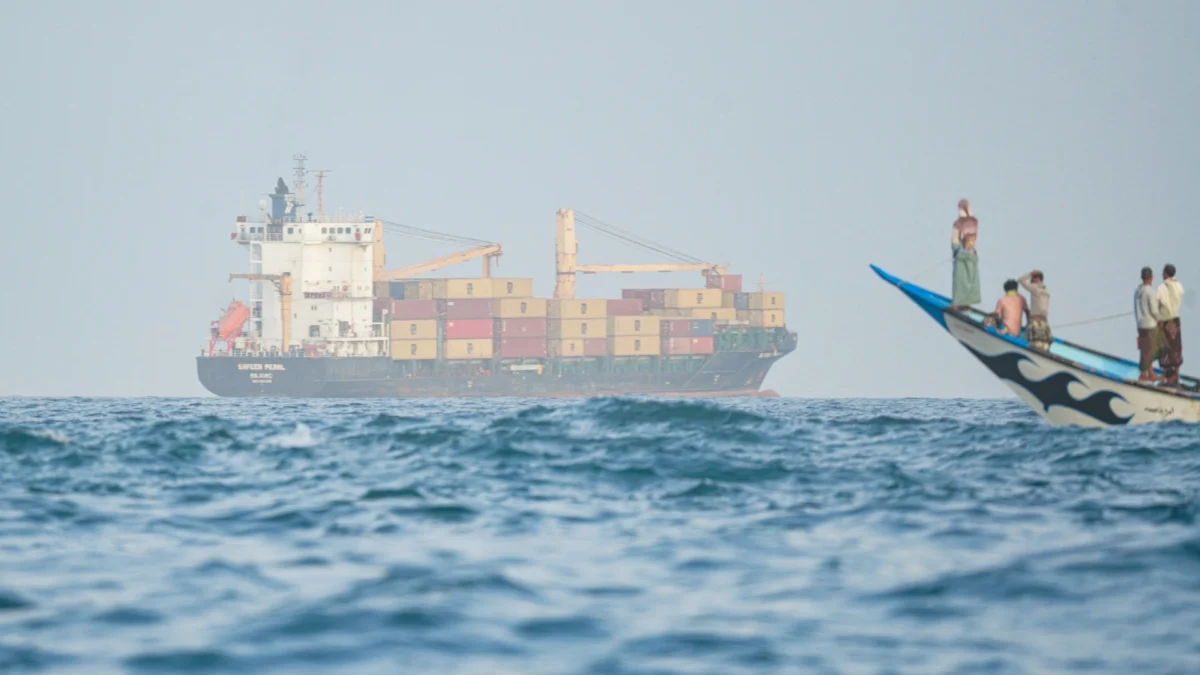
Iranian official says deal with Oman on Hormuz finalised
A spokesperson for the Iranian parliament announced on Friday, August 6, 2026, that a foundational "framework of understanding" has been successfully negotiated with the Sultanate of Oman concerning the highly strategic Strait of Hormuz. The revelation, made public on August 7, 2026, at 13:48 BST, through Iranian state media, signals a potentially significant diplomatic development amidst a period of intense regional instability described as the "War on Iran." While the general outline of the agreement has been established, the spokesperson indicated that the "final text and details will be announced soon," underscoring that the "final decision must be made at higher levels" within the Iranian leadership. This agreement, brokered by Oman, a nation renowned for its diplomatic neutrality and mediation efforts, carries substantial weight for global energy markets, international shipping, and the broader security landscape of the Middle East.
The Strategic Imperative: Understanding the Strait of Hormuz
The Strait of Hormuz, a narrow waterway connecting the Persian Gulf with the Arabian Sea and the Gulf of Oman, stands as one of the world’s most critical maritime chokepoints. At its narrowest point, it is only 21 nautical miles (39 kilometers) wide, with the shipping lanes in each direction being just two miles (3 kilometers) wide. Annually, an estimated one-fifth of the world’s total petroleum consumption, or approximately 21 million barrels of oil per day, transits through this vital artery. This includes crude oil, refined petroleum products, and liquefied natural gas (LNG) from major producers like Saudi Arabia, Iran, Iraq, Kuwait, Qatar, and the United Arab Emirates, destined for markets across Asia, Europe, and North America. Any disruption, perceived or real, in the Strait of Hormuz has immediate and far-reaching implications for global energy security, oil prices, and international trade. Its geopolitical significance is amplified by its proximity to some of the world’s largest oil reserves and its role in the balance of power between regional and international actors. The ability to control or threaten passage through the Strait has historically been a potent tool in regional leverage, making any formal understanding regarding its navigation rights a matter of paramount international concern.
Oman’s Enduring Role as a Regional Peacemaker
The Sultanate of Oman’s involvement in mediating this understanding is consistent with its long-standing foreign policy of neutrality, non-interference, and diplomatic engagement. Positioned strategically at the southeastern tip of the Arabian Peninsula, bordering the Strait of Hormuz, Oman has historically maintained cordial relations with both its Gulf Arab neighbors and Iran. This unique geopolitical stance has allowed Muscat to frequently act as a discreet intermediary in complex regional and international disputes. From facilitating the Iran nuclear negotiations (Joint Comprehensive Plan of Action) in the lead-up to 2015 to mediating prisoner exchanges and de-escalating various maritime incidents, Oman has consistently demonstrated its capacity for quiet diplomacy. Its commitment to regional stability, rooted in a pragmatic understanding of its own security interests, makes it an ideal conduit for sensitive discussions between often-antagonistic parties. This latest development further solidifies Oman’s reputation as a crucial diplomatic bridge-builder in a volatile region, capable of fostering dialogue where direct communication channels remain strained or non-existent.
Chronology of Escalation and Diplomatic Overtures in 2026
The "War on Iran" context mentioned in the initial update points to a prolonged period of heightened tensions and multifaceted pressures on the Islamic Republic. While specific details of this "war" remain under wraps, it can be inferred to encompass a range of hostile actions: intensified economic sanctions, cyber warfare, proxy conflicts in neighboring states, and potentially even limited military engagements or significant naval posturing in the Gulf region.
- Early 2026: Reports from various international monitoring agencies and intelligence communities indicated a significant uptick in regional maritime incidents. These included anonymous attacks on commercial shipping, suspicious naval movements, and repeated warnings issued by various navies operating in the Gulf. Insurance premiums for vessels transiting the Strait of Hormuz and the broader Gulf of Oman surged, reflecting the increased risk perception.
- March-April 2026: Major international shipping bodies, including the International Chamber of Shipping (ICS) and BIMCO, issued joint advisories urging extreme caution for vessels operating in the region, highlighting the potential for miscalculation and escalation. Calls for de-escalation and adherence to international maritime law intensified from the United Nations and various European Union member states.
- May 2026: Following several high-profile incidents involving alleged harassment of commercial vessels by unidentified naval assets, the United States and its allies reportedly augmented their naval presence in the region, including the deployment of additional patrol vessels and surveillance capabilities. Iran, in turn, conducted a series of large-scale naval drills in the Strait and the Gulf, showcasing its own defensive capabilities and asserting its sovereign rights.
- June 2026: Concerns grew that the escalating tensions could lead to a direct confrontation. Diplomatic backchannels, reportedly facilitated by Omani envoys, intensified. Discussions focused on establishing clearer protocols for maritime interaction and preventing accidental escalation in the congested waterways.
- July 2026: High-level Omani officials are understood to have shuttled between Tehran and other regional capitals, presenting proposals aimed at de-conflicting maritime operations and establishing a framework for communication. These efforts gained urgency following a near-miss incident between a commercial tanker and a naval vessel on July 28, which briefly sent global oil prices soaring.
- August 6, 2026: After intense, protracted negotiations, a general "framework of understanding" was reportedly agreed upon by Iranian and Omani negotiators in Muscat, paving the way for the official announcement the following day. This agreement aims to provide a structured approach to managing maritime traffic and security within the Strait, potentially averting further incidents. The reference to a "Yemen ship" in the imagery associated with this news also subtly underscores the broader maritime security challenges in the region, particularly the ongoing threats to shipping in the Red Sea from Houthi forces, which can indirectly heighten pressure for stability in other critical waterways like Hormuz.
Official Responses and Anticipated Reactions
The Iranian parliament spokesperson’s statement, while offering limited specifics, projects an image of diplomatic success and a measured approach to regional security. The emphasis on "higher levels" suggests that the agreement will undergo rigorous scrutiny by Iran’s Supreme National Security Council and ultimately the Supreme Leader, signaling its strategic importance. Further details are expected to elaborate on protocols for maritime passage, communication channels, and mechanisms for dispute resolution.

From Muscat, Omani officials are likely to issue a characteristically understated yet diplomatically significant statement, emphasizing the importance of dialogue, regional cooperation, and adherence to international law to ensure freedom of navigation. Their primary objective would be to reinforce stability and prevent the Strait from becoming a flashpoint.
International reactions are anticipated to be cautiously optimistic. The United Nations Secretary-General’s office would likely welcome any agreement that promotes de-escalation and ensures safe passage through a vital international waterway, reiterating calls for all parties to exercise restraint. The United States and its Western allies would likely express a guarded welcome, emphasizing the need for full transparency and strict adherence to international maritime law, particularly the principle of innocent passage and transit passage. They would also likely stress that the agreement should not undermine international efforts to monitor and enforce sanctions against Iran, if such sanctions remain in place under the "War on Iran" context.
Major Asian oil importers such as China, India, Japan, and South Korea, whose economies are heavily reliant on energy flows through Hormuz, would undoubtedly express relief. Any measure that reduces the risk of supply disruptions is crucial for their economic stability. Maritime industry bodies, including the International Association of Independent Tanker Owners (INTERTANKO) and various insurance syndicates, would closely scrutinize the details. A clear framework could lead to a reduction in war risk insurance premiums and provide greater certainty for shipping companies, potentially lowering operational costs and contributing to more stable global supply chains.
Supporting Data and Economic Implications
The economic ramifications of any instability in the Strait of Hormuz are immense. In 2025, disruptions, even minor ones, led to an average increase of 5-7% in global oil prices for several weeks, costing the world economy billions. The cost of insuring a Very Large Crude Carrier (VLCC) transiting the Strait reportedly spiked by as much as 300% during periods of heightened tension. A framework understanding could reverse these trends, offering tangible economic benefits by reducing perceived risks.
The agreement also touches upon complex legal frameworks, particularly the 1982 United Nations Convention on the Law of the Sea (UNCLOS), which governs transit passage through international straits. While Iran is not a signatory to UNCLOS, it generally adheres to its principles of freedom of navigation. The understanding with Oman would likely formalize practical arrangements that align with these principles while also asserting Iran’s sovereign security concerns.
Broader Impact and Analysis of Implications
This framework understanding, if successfully finalized and implemented, could have several profound implications:
- De-escalation of Immediate Tensions: It offers a crucial mechanism to manage potential maritime incidents, reduce the risk of miscalculation, and establish clearer communication channels, thereby potentially de-escalating one front of the ongoing "War on Iran."
- Reinforcement of Oman’s Diplomatic Clout: Oman’s role as a trusted mediator would be further cemented, positioning it as an indispensable actor for future regional conflict resolution.
- Stability for Global Energy Markets: By providing a structured approach to navigation, the agreement could inject a much-needed sense of stability into global energy markets, reducing volatility in oil prices and ensuring predictable supply chains.
- Iranian Strategic Calculus: For Iran, this agreement could be a tactical move to ease external pressures while maintaining its strategic interests. It allows Tehran to project an image of constructive engagement while still asserting its influence over a critical waterway. It could also be a response to the intense "War on Iran" pressures, seeking to stabilize one aspect of its external relations.
- Test Case for Broader Dialogue: Success in this limited but vital area could potentially pave the way for broader, more complex diplomatic engagements concerning other regional flashpoints or the underlying issues contributing to the "War on Iran."
However, significant challenges remain. The "final text and details" are crucial, as are the "higher levels" of approval. The underlying geopolitical tensions and the broader context of the "War on Iran" will continue to cast a shadow. The agreement’s effectiveness will ultimately depend on the commitment of both parties to its principles and the willingness of international actors to support its implementation. Any perceived violation or re-escalation of tensions in other domains could quickly undermine this nascent understanding. As the world awaits the specifics, the initial announcement offers a glimmer of hope for a more predictable and secure future for a waterway that is indispensable to global commerce and energy security.

Related Posts
Over 150 Israeli Settlers Storm Al-Aqsa Compound and Perform Prayers, Violating Status Quo Under Police Protection.

UN Report Highlights Over 900 Obstacles Hampering West Bank Aid Amid Escalating Humanitarian Crisis