West Bank Medical Crisis Deepens as Israeli Road Closures Lead to Death of Fetus and Endanger Pregnant Woman
The humanitarian situation in the occupied West Bank reached a critical juncture on July 27, 2026, when systemic Israeli road closures and military checkpoints resulted in the death of a fetus and the near-death of a Palestinian mother. According to an extensive investigation by Human Rights Watch (HRW), Israeli forces significantly delayed an ambulance transporting a 24-year-old woman in critical condition, forcing medical staff to shut down life-saving equipment and eventually deliver a stillborn infant on the side of the road. The incident, which took place near the city of Nablus, highlights a growing pattern of medical obstructions that international observers warn are reaching the level of a systemic crisis.
The woman, a resident of the village of Qaryut, was six months pregnant and experiencing active, premature labor accompanied by severe hemorrhaging. Despite the life-threatening nature of her condition, the journey to the nearest adequately equipped facility—Rafidia Hospital in Nablus—was transformed from a standard 25-minute drive into a harrowing 90-minute ordeal. Human Rights Watch officials have characterized the event as a grave violation of international humanitarian law, asserting that the Israeli military is failing in its obligation as an occupying power to ensure access to emergency medical care.
A Chronology of Obstruction: The Events of July 26–27
The tragedy began to unfold on the evening of July 26, 2026. The patient initially sought medical attention after experiencing early signs of bleeding. However, the primary routes to Nablus had already been sealed by the Israeli military following a surge in local tensions. Sabreen Atallah, a nurse and midwife who accompanied the patient, noted that the woman attempted to reach a hospital in Ramallah instead, but was forced to return home around midnight after facing prohibitive delays at various checkpoints.
By 6:30 a.m. on July 27, the woman’s condition had deteriorated into a medical emergency. Bashar al-Qaryuti, a veteran paramedic, arrived with an ambulance to find the patient drifting in and out of consciousness. The crew placed her on oxygen and attempted to navigate the most direct route to Nablus via the main north-south highway, known as Route 60.
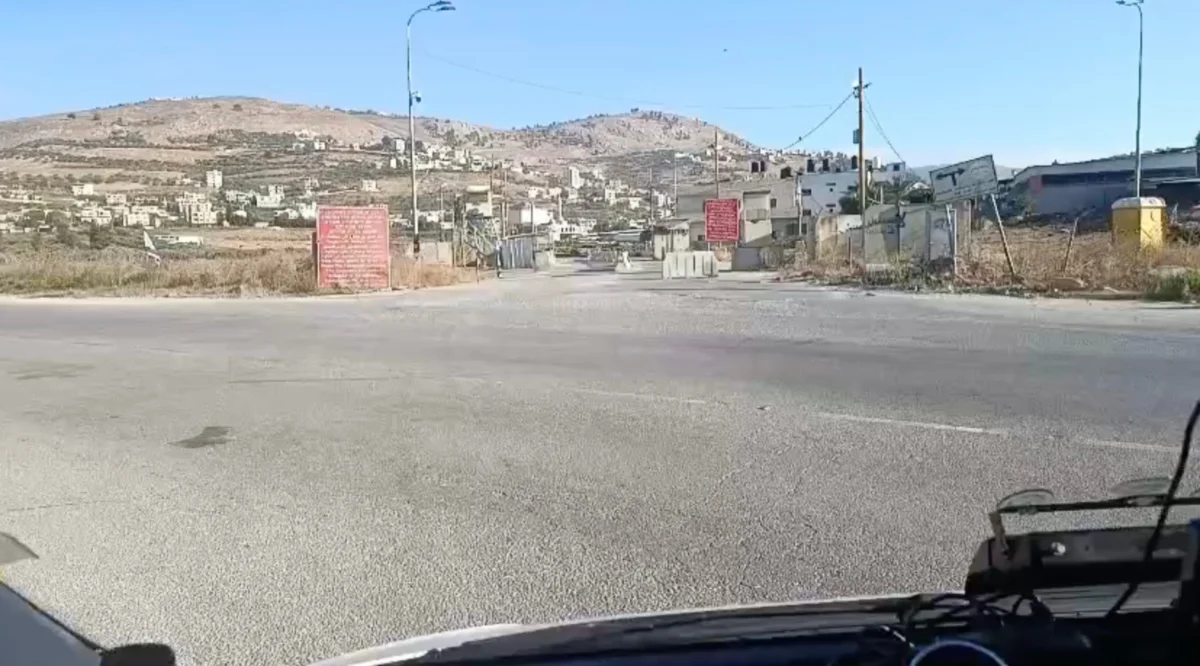
The journey was immediately stymied. The primary access road from Qaryut village was blocked by a military gate. Al-Qaryuti attempted to bypass the closure using a dirt road through agricultural fields, only to find a second gate recently installed by the military. Forced to take a lengthy detour, the ambulance eventually reached the Awarta checkpoint, a major transit point that had been subject to rigorous and unpredictable closures in the preceding days.
Atallah described the scene inside the ambulance as the clock ticked. The patient was suffering from catastrophic blood loss. "I have been working since 2014, and I can tell you I never saw bleeding like this before," Atallah told HRW researchers. Moments before reaching the checkpoint, with no other options available, Atallah was forced to deliver the baby inside the moving vehicle. The infant, born under extreme physiological stress, did not survive.
Confrontation at the Awarta Checkpoint
Upon arriving at the Awarta checkpoint at approximately 7:33 a.m., the ambulance crew faced further delays that endangered the mother’s life. Video evidence reviewed by Human Rights Watch, timestamped at the time of arrival, shows al-Qaryuti pleading with soldiers to open the gate, stating clearly that they were transporting an "urgent case" requiring immediate surgery.
Instead of facilitating the passage of the medical vehicle, two Israeli soldiers ordered al-Qaryuti to turn off the ambulance engine. The paramedic attempted to explain in Hebrew that the patient’s medical equipment, including the oxygen concentrator and vital sign monitors, relied on the engine’s power to function. According to the crew, the soldiers ignored these pleas, shouting at the staff to "shut up" and pointing their weapons at the nurse.
The resulting power loss caused the patient’s oxygen levels to drop to a dangerously low 84 percent. The lack of pressurized oxygen cylinders—a result of chronic medical supply shortages in the West Bank caused by import restrictions—meant the crew had no backup. For approximately 20 to 30 minutes, the soldiers held the ID cards of the crew, the patient, and her husband, while the mother continued to hemorrhage in the back of the darkened ambulance. Only after searching another medical vehicle in the line were the soldiers moved to allow the ambulance to proceed.
Context of the Escalation: Settler Violence and Military Response
The tightening of movement restrictions in the Nablus governorate is not an isolated phenomenon but a direct consequence of escalating violence in the region. On July 24, 2026, a settler attack resulted in a confrontation that left two Israelis, including a soldier, and four Palestinians dead. In the aftermath, the Israeli military imposed what the United Nations Office for the Coordination of Humanitarian Affairs (OCHA) described as "extensive closures," including the installation of new roadblocks and the frequent sealing of village entrances.
These closures are part of a broader trend documented throughout 2025 and 2026. According to UN data, Israel installed 120 new road gates in 2025 alone, adding to a complex network of hundreds of checkpoints, mounds, and gates that restrict Palestinian movement while allowing Israeli settlers to travel freely on high-speed bypass roads.
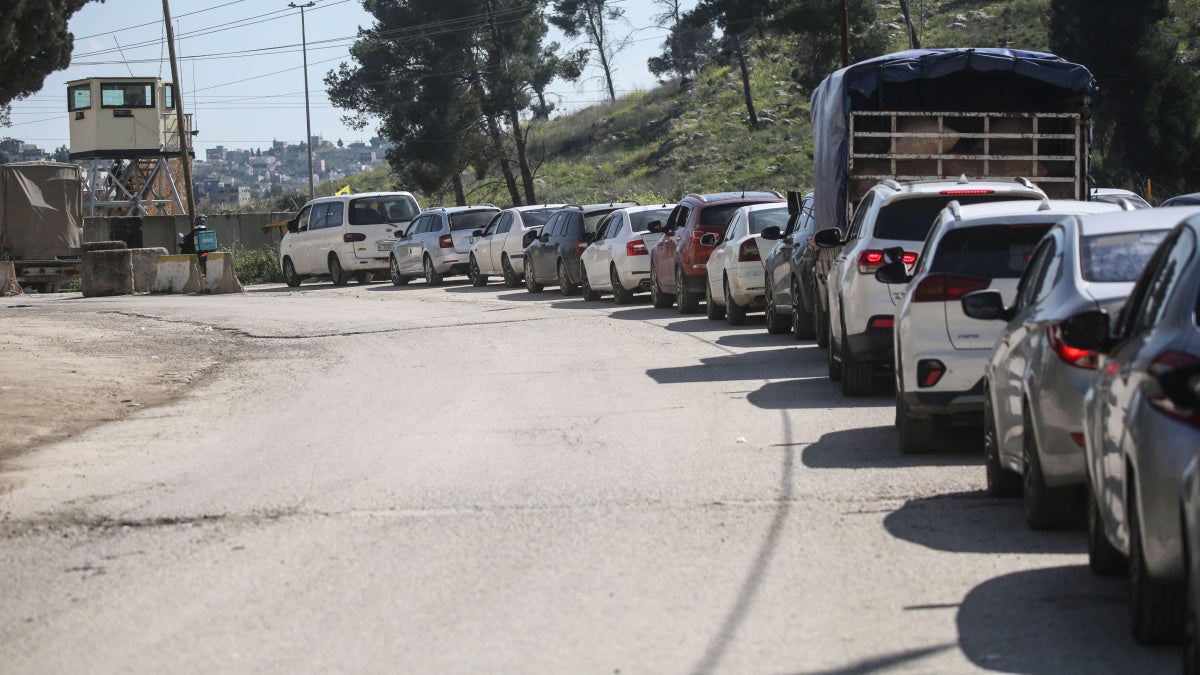
"Israeli forces in the West Bank are not only failing to ensure Palestinians’ access to emergency care but also delaying ambulances from taking patients to hospitals," said Bill Van Esveld, associate children’s rights director at Human Rights Watch. He emphasized that the "precious minutes needed to save lives" are being systematically stripped away by administrative and military hurdles.
Statistical Trends in Medical Access Obstruction
The July 27 incident is reflected in broader data provided by the World Health Organization (WHO) and OCHA. From January to June 2026, the WHO documented 50 specific cases of significant delays in medical care for Palestinians in the West Bank. However, the long-term data is even more staggering. Since October 7, 2023, the WHO has recorded 987 separate attacks on or delays to healthcare services in the West Bank. These incidents have affected 673 ambulances and resulted in 39 confirmed deaths directly linked to the denial or delay of medical intervention.
As of mid-June 2026, OCHA reported that the Israeli military was actively restricting ambulance movement in five of the West Bank’s 11 governorates. These restrictions often manifest as "secondary closures"—the blocking of side roads that Palestinians use when main checkpoints are closed—effectively trapping entire communities during medical emergencies.
Official Responses and Discrepancies
In response to the allegations regarding the Awarta checkpoint incident, the Israeli military spokesperson’s office issued a statement categorically denying the event. The office claimed that "the claim that IDF soldiers delayed an ambulance at the Awarta checkpoint is false" and asserted that no report of such an incident had been received through official channels.
However, Human Rights Watch and other investigative bodies have pointed to the discrepancy between official military denials and the digital evidence provided by the ambulance crew. The timestamped video from 7:33 a.m. and a subsequent photograph taken at the entrance of Rafidia Hospital’s Obstetrics and Gynecology Department at 8:16 a.m. provide a clear timeline of the delay. The patient’s treating obstetrician confirmed that she required three units of blood and emergency surgery upon arrival to stabilize her condition.
Legal and Policy Implications
Under international humanitarian law, specifically the Fourth Geneva Convention, Israel as the occupying power is strictly obligated to ensure the protection of medical transports and the unhindered access of the civilian population to medical facilities. Special protections are afforded to pregnant women, children, and the infirm.
Human Rights Watch has argued that the severity and discriminatory nature of these movement restrictions—where Palestinians are blocked while neighboring Israeli settlers face no such hurdles—constitute "inhumane acts" that fall under the legal definition of apartheid. The organization has called on the international community to move beyond verbal condemnations and implement tangible policy shifts.
Recommended actions from human rights advocates include:
- Targeted Sanctions: Imposing sanctions on officials responsible for the systematic denial of medical access.
- Arms Transfer Suspensions: Halting the provision of military equipment used to enforce illegal blockades.
- Trade Restrictions: Banning trade with illegal settlements and reviewing preferential trade agreements with Israel.
- Legal Accountability: Supporting the International Criminal Court (ICC) in its ongoing investigations into war crimes and crimes against humanity in the occupied territories.
The Human Toll of Policy
For the woman at the center of the July 27 tragedy, the political and legal debates are secondary to a profound personal loss. Speaking to media outlets from her hospital bed, she expressed the agony of preparing for a child she would never hold. "I was waiting for his arrival, choosing names, and preparing to buy his clothes," she said.
Her experience is becoming increasingly common. Sabreen Atallah, the midwife, reported that she has had to deliver three babies inside ambulances in the first half of 2026 alone due to road closures. The normalization of "ambulance births" and "checkpoint deaths" serves as a grim indicator of the collapsing humanitarian space in the West Bank.
As settler violence continues to surge and military restrictions tighten, the "ticking clock" described by Van Esveld remains the greatest threat to Palestinian civilians. Without a fundamental shift in the management of movement and access, medical professionals warn that the tragedy of July 27 will continue to repeat itself across the Nablus governorate and beyond.

Related Posts
Human Rights Watch Calls for Investigation into Death of Detainee Following Removal from Najaf Hospital by Iraqi Drug Police
Human Rights Watch Urges UN Security Council to Extend Lebanon Peacekeeping Mission Amid Escalating Conflict and Humanitarian Crisis