Eight Years After the August 1 Killings Zimbabwe Continues to Grapple with a Culture of Impunity and Unmet Promises of Justice
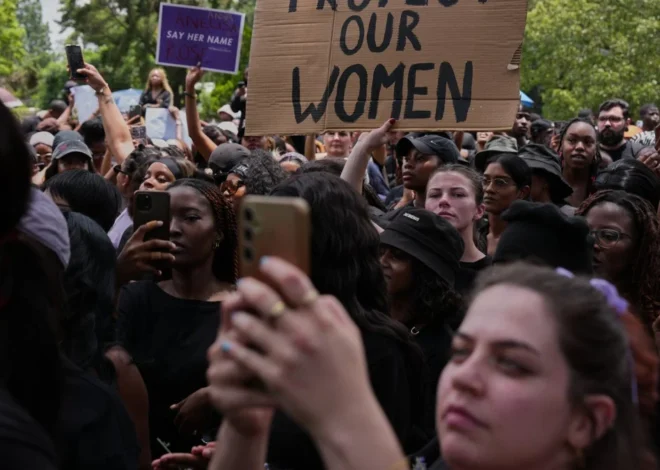
The streets of Harare, Zimbabwe’s bustling capital, were transformed into a theater of military-led violence eight years ago, marking a pivotal and tragic turning point in the country’s post-Mugabe era. On August 1, 2018, six people were killed and 35 others sustained serious injuries when state security forces, including the military and anti-riot police, deployed lethal force to disperse crowds protesting a delay in the announcement of presidential election results. Today, nearly a decade later, the families of the deceased and the survivors of the crackdown remain in a state of legal and emotional limbo. Despite high-level promises of accountability and the establishment of an international commission of inquiry, no member of the security forces has been prosecuted, and the culture of state-sponsored impunity appears to have deepened rather than dissipated.
The 2018 general election was supposed to be a "watershed moment" for Zimbabwe. It was the first poll held after the November 2017 military-assisted transition that saw the ousting of longtime leader Robert Mugabe and the ascension of Emmerson Mnangagwa. Under the banner of a "New Dispensation," the Mnangagwa administration promised a break from the repressive tactics of the past, seeking to re-engage with the international community and revitalize a collapsing economy. However, the events of August 1 shattered the veneer of democratic reform and signaled that the military remained the ultimate arbiter of political power in the southern African nation.
A Chronology of the August 1 Crackdown
The crisis began to unfold in the immediate aftermath of the July 30, 2018, harmonized elections. While the voting process itself was relatively peaceful, tensions rose as the Zimbabwe Electoral Commission (ZEC) delayed the release of the presidential results. Supporters of the opposition Movement for Democratic Change (MDC) Alliance took to the streets of Harare on August 1, alleging that the delay was a precursor to electoral fraud.
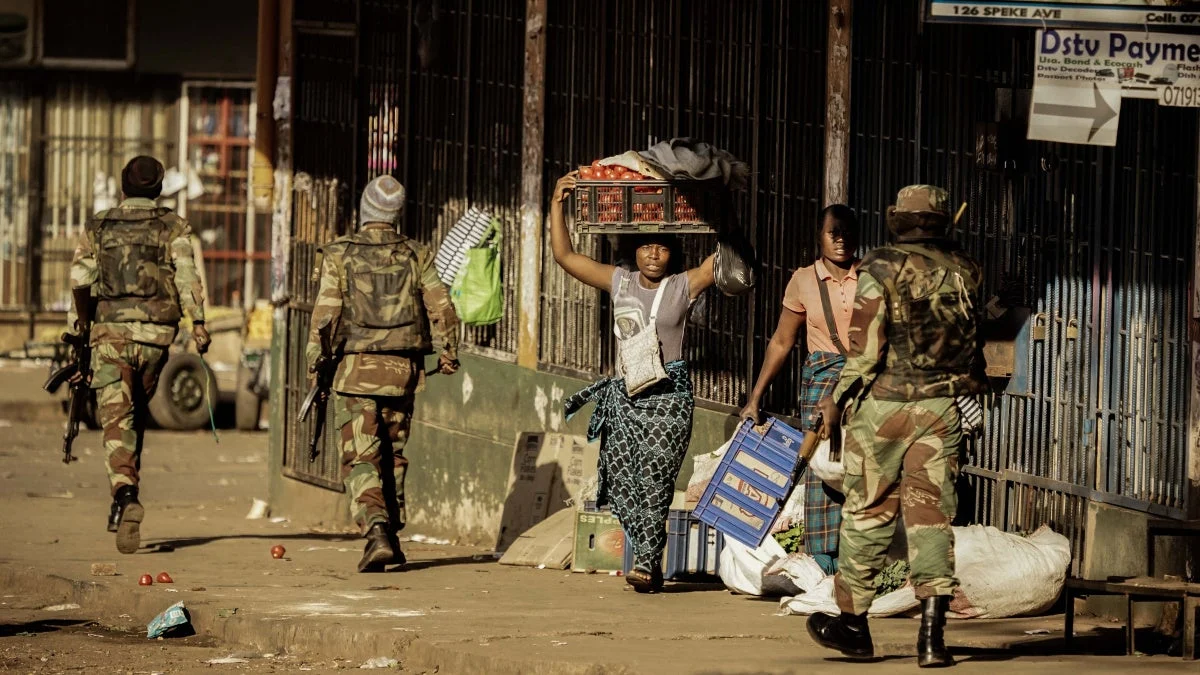
By midday, the protests had intensified. Witnesses and human rights observers reported that while some protesters were unruly, the response from the state was vastly disproportionate. Anti-riot police initially attempted to contain the crowds with water cannons and tear gas, but they were soon bolstered by the deployment of the Zimbabwe National Army. Soldiers, armed with AK-47 assault rifles, began firing live ammunition indiscriminately into the crowds.
The carnage was swift and documented by international media outlets. Sylvia Maposa, a 53-year-old mother of two, became a symbol of the day’s senseless violence. Maposa was not a protester; she was a worker heading home from her job when she was shot in the back by a soldier. She died on the pavement. Other victims included Ishmael Kumire, a vendor who was shot while shielding his wares, and Gavin Charles, who was also fatally wounded by live fire. By sunset, the city was under a de facto military lockdown, and the promise of a "new" Zimbabwe lay bloodied on the streets of the capital.
The Motlanthe Commission and Its Unfulfilled Mandate
In the face of international condemnation, President Mnangagwa took the unprecedented step of appointing a Commission of Inquiry to investigate the violence. Chaired by former South African President Kgalema Motlanthe, the commission included both local and international legal and human rights experts. Its mandate was to identify those responsible and provide recommendations to prevent a recurrence of such violence.
The Motlanthe Commission’s final report, released in December 2018, was unequivocal in several of its findings. It concluded that the use of live ammunition by the military and police against unarmed civilians was "unjustified and disproportionate." The commission recommended that the government should ensure that those responsible for the killings and injuries be held accountable through internal military and police disciplinary proceedings and criminal prosecutions. Furthermore, it advised the government to provide compensation to the victims and their families and to implement electoral and security sector reforms to ensure the neutrality of the state apparatus.
Eight years later, the status of these recommendations remains a point of intense contention. While the government has occasionally claimed that it is "studying" the report or that "processes are underway," there is no public record of any soldier or police officer being charged in a court of law for the August 1 killings. Compensation for the families of the deceased has been largely non-existent or insufficient, leaving many in dire financial straits alongside their unresolved grief.
Supporting Data and the Escalation of Repression
The failure to address the August 1 violence set a dangerous precedent that human rights organizations argue led directly to subsequent atrocities. In January 2019, just five months after the Harare shootings, Zimbabwe was rocked by nationwide protests following a 150 percent increase in fuel prices. The state’s response was even more brutal than the August crackdown.
According to data compiled by Human Rights Watch and the Zimbabwe Association of Doctors for Human Rights, the January 2019 "Sabbath of Violence" resulted in:
- At least 17 extrajudicial killings by security forces.
- Over 800 documented cases of assault, including gunshot wounds and beatings.
- At least 17 reported cases of rape and sexual violence perpetrated by men in military uniforms.
- The arrest of over 1,000 people, including opposition leaders and civil society activists.
This pattern of behavior suggests that the lack of accountability for the August 1 killings emboldened the security sector to use lethal force as a standard tool for crowd control and political suppression. The "culture of impunity" is not merely a rhetorical phrase in Zimbabwe; it is a documented reality where the state protects its enforcers from the legal consequences of their actions.
Official Responses and International Repercussions
The Zimbabwean government’s official stance has often shifted between contrition and defiance. In the immediate aftermath of the 2018 shootings, President Mnangagwa used social media to call for peace and justice. However, as international pressure mounted, the narrative often shifted toward blaming "third forces" or accusing the opposition of inciting the violence to discredit the government.
Government spokespersons have frequently pointed to the existence of Western sanctions—specifically the United States’ Zimbabwe Democracy and Economic Recovery Act (ZDERA)—as a primary cause of the country’s instability. They argue that the focus on human rights is a "regime change" tactic used by foreign powers. Conversely, the U.S. and the European Union have maintained that sanctions are targeted at individuals and entities responsible for human rights abuses and that the path to lifting them requires tangible evidence of reform, starting with justice for the August 1 victims.
The international community’s view of Zimbabwe has remained skeptical. The country’s bid to rejoin the Commonwealth has been stalled largely due to concerns over the rule of law and the treatment of political opponents. International monitors from the United Nations have repeatedly called on Harare to respect the right to peaceful assembly and to de-link the military from civilian policing duties.
Broader Impact on Civic and Political Space
The legacy of August 1, 2018, extends beyond the physical casualties. It has fundamentally reshaped the civic and political landscape of Zimbabwe. Since the shootings, the Mnangagwa administration has introduced a series of legislative measures that critics describe as draconian.
The Private Voluntary Organizations (PVO) Amendment Bill and the "Patriotic Act" (Criminal Law Codification and Reform Amendment Act) are two primary examples. The PVO Bill seeks to give the government sweeping powers to interfere in the operations of NGOs, many of which provide the very legal aid and human rights monitoring that the state lacks. The Patriotic Act, meanwhile, criminalizes "subverting constitutional government" and meeting with foreign officials in ways that the state deems harmful to national interests—a move seen as a direct threat to journalists and opposition members.
Journalists such as Hopewell Chin’ono and opposition figures like Job Sikhala have faced repeated arrests and prolonged pre-trial detentions, often on charges that human rights groups describe as politically motivated. This environment of "lawfare"—the use of the legal system to harass and silence dissent—complements the physical threat of military violence, creating a chilling effect on the population.
Analysis of Implications: A Cycle of Impunity
The failure to implement the Motlanthe Commission’s recommendations represents a missed opportunity for national healing. In a fragile democracy, the rule of law depends on the principle that no one, regardless of their rank or political affiliation, is above the law. By shielding the perpetrators of the August 1 violence, the Zimbabwean state has signaled that the security of the ruling elite takes precedence over the constitutional rights of its citizens.
The implications for future elections are particularly concerning. When security forces know they will not face prosecution for using lethal force, the risk of electoral violence increases. For the victims’ families, the passage of time has not diminished the need for justice. Sylvia Maposa’s children and the dozens of others scarred by that day remain a living testament to an unfinished chapter in Zimbabwe’s history.
To break the cycle of impunity, legal experts argue that Zimbabwe must move beyond commissions and toward active prosecution. This would require an independent judiciary and a National Prosecuting Authority (NPA) that is free from political interference. Without these reforms, the anniversary of August 1 will continue to be a day of mourning not only for the lives lost but for the democratic aspirations of a nation.
In conclusion, eight years after the tragic events of August 1, 2018, the demand for justice remains as urgent as ever. The Zimbabwean government’s failure to hold its security forces accountable has fostered an environment where human rights violations are frequent and the rule of law is increasingly fragile. For the "New Dispensation" to truly live up to its name, it must start by honoring its promises to the victims of Harare’s darkest day and ensuring that such a tragedy never occurs again. Until then, the ghost of August 1 will continue to haunt the country’s path toward stability and international re-engagement.

Related Posts
Human Rights Watch Calls for Investigation into Death of Detainee Following Removal from Najaf Hospital by Iraqi Drug Police
Human Rights Watch Urges UN Security Council to Extend Lebanon Peacekeeping Mission Amid Escalating Conflict and Humanitarian Crisis