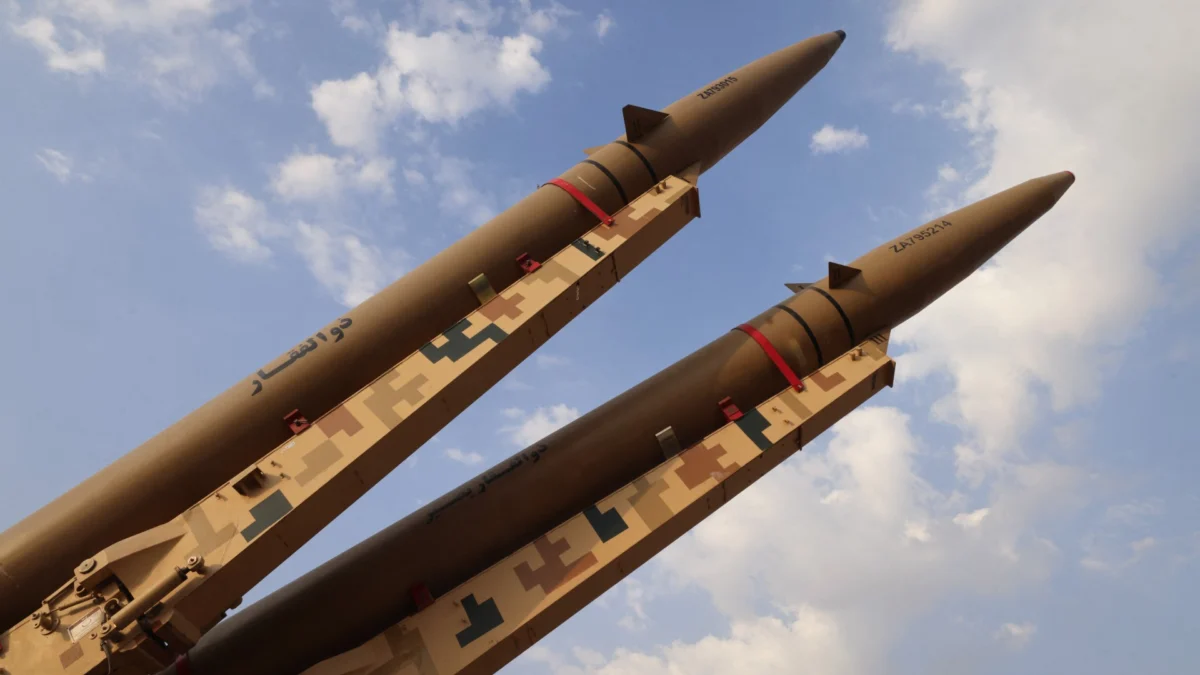
President Trump Calls Out Oil Giants for "Too Much Money" Amidst Iran War-Induced Crude Shortage
Washington D.C. – In a stark address from the White House on August 3, 2026, United States President Donald Trump directly challenged major American oil corporations, including industry behemoths Chevron and Exxon Mobil, accusing them of reaping "too much money" from soaring crude prices exacerbated by the ongoing conflict in Iran. The President explicitly linked the elevated profits to the significant global crude shortage triggered by the protracted hostilities, issuing a direct call to the energy sector to actively contribute to stabilizing and lowering fuel costs for American consumers.
"I don’t like it. They’re making too much money, okay? Based on a shortage, they’re making too much money," President Trump stated to a gathered press corps, his remarks underscoring a growing frustration within his administration over the economic impact of the escalating energy crisis. The President’s comments arrived as gasoline prices across the nation continued their upward trajectory, threatening to undermine consumer confidence and potentially stall economic recovery efforts amidst a volatile global landscape.
The Escalating Energy Crisis and the War on Iran’s Impact
The backdrop to President Trump’s criticism is a global energy market in turmoil, fundamentally reshaped by the "War on Iran," which commenced in late 2025. The conflict, originating from escalating geopolitical tensions over regional security and nuclear proliferation concerns, quickly spiraled into a full-scale military confrontation. Crucially, Iran, a historically significant oil producer and custodian of the Strait of Hormuz – a vital choke point for global oil shipments – saw its production severely curtailed almost immediately.
Initial estimates suggested that approximately 20% of global seaborne crude oil, typically transiting through the Strait of Hormuz, faced severe disruptions or outright blockades in the early stages of the conflict. While some alternative shipping routes and strategic reserves were deployed, the sheer volume of Iranian crude removed from the market, coupled with the instability impacting neighboring producers, created an unprecedented supply shock. Global benchmark crude prices, Brent and West Texas Intermediate (WTI), which had been hovering around $80-$90 per barrel prior to the conflict, surged past the $120 mark by early 2026, briefly touching $135 in July before settling slightly lower. This dramatic increase directly translated to higher costs at the pump for consumers worldwide, with average U.S. gasoline prices surpassing $5.50 per gallon in many states, a level not seen in decades.
The conflict has also had profound implications for energy infrastructure. While specific details remain classified, reports from various intelligence agencies and satellite imagery have indicated significant damage to key oil and gas facilities within Iran and potentially in adjacent territories due to sustained aerial bombardments and naval engagements. This damage not only curtails current production but also casts a long shadow over the timeline for any post-conflict recovery of supply, signaling a prolonged period of market tightness.
Timeline of Escalation and Economic Fallout
- Late 2025: Geopolitical tensions between Iran and a coalition of international partners, including the United States, reach a critical point. Economic sanctions are tightened further, and naval exercises in the Persian Gulf intensify.
- December 2025: Limited military skirmishes erupt, initially localized, but quickly escalate into broader engagements involving air assets and naval forces.
- January 2026: The "War on Iran" is officially recognized as a full-scale military conflict. Iranian oil exports dwindle to near zero, and shipping through the Strait of Hormuz becomes perilous, leading to widespread diversions and delays.
- February – March 2026: Global oil prices begin their sharp ascent. Brent crude surpasses $100/barrel. Concerns about global recession grow as energy costs impact supply chains and consumer spending.
- April 2026: Major oil companies, including Exxon Mobil and Chevron, report robust first-quarter earnings, attributed by analysts to widening refining margins and higher crude prices.
- May – July 2026: Oil prices continue to climb, peaking at over $130/barrel for Brent. US average gasoline prices exceed $5.00/gallon. Public discontent over fuel costs mounts.
- Late July 2026: Preliminary reports indicate that Q2 2026 earnings for supermajors like Exxon Mobil and Chevron are poised to be exceptionally strong, potentially setting new records for profitability in a single quarter.
- August 3, 2026: President Trump delivers his sharp critique of oil company profits, linking them directly to the Iran war-induced shortage.
Oil Companies’ Record Profits and Industry Response
The President’s criticism comes amidst what analysts predict will be a period of unprecedented profitability for the oil and gas sector. While specific Q2 2026 earnings reports are still pending for some companies, preliminary estimates and historical trends suggest that Exxon Mobil and Chevron are poised to announce staggering figures. For instance, in Q1 2026, Exxon Mobil reported a net income of $11.4 billion, while Chevron posted $9.6 billion, both significantly higher than the previous year, even before the full impact of the Iran war’s price surge was realized. Analysts now forecast Q2 figures to potentially exceed these, with some estimates for Exxon Mobil reaching upwards of $15 billion and Chevron nearing $12 billion for the quarter. These figures are driven by the higher crude prices, but also by strong demand for refined products in many parts of the world, and by reduced capital expenditures in prior years that are now yielding higher returns on existing assets.
In the immediate aftermath of President Trump’s remarks, spokespersons for both Chevron and Exxon Mobil maintained a cautious but firm stance. While refraining from direct rebuttals, unofficial statements highlighted the cyclical nature of the industry, emphasizing that periods of high prices often follow years of low prices and significant investment risks. An anonymous senior executive at a major oil company, speaking on background, explained, "Our profits reflect global market dynamics and the massive investments required to find, produce, and deliver energy. These are long-term investments, and current prices allow us to fund future supply, pay dividends to millions of shareholders, and contribute to energy security."

Industry groups, such as the American Petroleum Institute (API), also weighed in, subtly defending their members. "The U.S. energy industry is committed to providing affordable, reliable energy to American consumers," an API spokesperson stated. "Our companies operate in a highly competitive global market, and profits are reinvested to meet growing energy demand, develop new technologies, and ensure the nation’s energy independence. We continue to work with the administration to address energy challenges."
Broader Economic and Political Implications
President Trump’s public rebuke carries significant weight, particularly as the nation grapples with inflationary pressures and the specter of an economic slowdown. High energy prices act as a direct tax on consumers, eroding purchasing power and increasing costs across various sectors, from transportation to manufacturing. Economists have warned that sustained high fuel prices could tip an already fragile global economy into recession, dampening consumer spending and business investment. The Federal Reserve, which has been aggressively hiking interest rates to combat inflation, now faces an even more complex challenge, balancing price stability with the risk of stifling economic growth.
Politically, the issue of fuel prices is a potent one, especially heading into the 2026 midterm elections. Historically, high gasoline prices have been a significant concern for voters and have often been cited as a contributing factor in electoral shifts. President Trump, keenly aware of public sentiment, appears to be positioning himself as an advocate for the average American consumer, shifting potential blame from his administration’s foreign policy decisions to corporate greed. This strategy could resonate with a populace feeling the pinch at the pump, but it also risks alienating powerful industry allies and investors who are crucial for domestic energy production.
Furthermore, the President’s comments could signal a potential shift towards increased government pressure on the oil industry. While outright price controls are unlikely in the U.S. market, the administration could explore options such as increasing calls for higher domestic production, accelerating permitting for new drilling, or even levying windfall profit taxes – a measure that has seen historical precedents during past energy crises but is fiercely opposed by the industry. The threat of such actions, even if remote, introduces an element of uncertainty for energy companies, potentially impacting their investment decisions and long-term planning.
Global Market Dynamics and Future Outlook
The "War on Iran" has not only reduced supply but also injected a new layer of uncertainty into the global energy equation. While other major producers, including Saudi Arabia and the United States, have attempted to increase output, their capacity to fully offset the Iranian shortfall has been limited. OPEC+, the alliance of oil-exporting nations, has maintained a cautious approach, with some members arguing that current market conditions warrant a more measured increase in production to avoid oversupply in a potentially volatile future. This stance has drawn criticism from consuming nations who seek more aggressive supply increases.
The U.S. Strategic Petroleum Reserve (SPR), which saw significant drawdowns in earlier attempts to stabilize prices, now holds considerably less crude. While the administration has indicated a willingness to use the SPR again if necessary, its capacity to influence market prices has diminished, making domestic production and international cooperation even more critical.
Looking ahead, the resolution of the Iran conflict remains the most significant variable for the global energy market. A swift and peaceful resolution could see Iranian oil return to the market, potentially easing prices, though the timeline for full restoration of infrastructure and production capacity is uncertain. Conversely, a prolonged or escalating conflict could lead to further disruptions, pushing prices even higher and exacerbating the global economic crisis.
In the immediate future, President Trump’s call for oil companies to help lower fuel prices puts the industry squarely in the spotlight. Companies will face increased scrutiny from the public, policymakers, and investors. How they respond – whether through increased transparency, accelerated production, or public relations campaigns emphasizing their role in energy security – will be critical in shaping public perception and potentially influencing future governmental policy towards the vital, yet often controversial, energy sector. The coming weeks are expected to bring further statements from both the White House and the oil industry, as the nation navigates the complex interplay of geopolitical conflict, economic pressures, and corporate responsibility.

Related Posts
Over 150 Israeli Settlers Storm Al-Aqsa Compound and Perform Prayers, Violating Status Quo Under Police Protection.

UN Report Highlights Over 900 Obstacles Hampering West Bank Aid Amid Escalating Humanitarian Crisis