Finland Closes Airspace and Restricts Maritime Traffic Near Russian Border Amid Growing Threats of Stray Drone Incursions
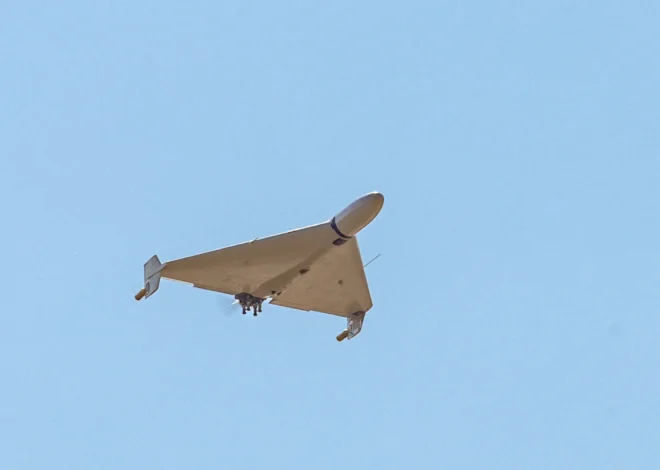
The Finnish Defense Forces announced on Tuesday a significant escalation in domestic security protocols, ordering the immediate closure of specific sections of Finnish airspace and the implementation of strict maritime traffic restrictions along the country’s southern coastline. This strategic move, concentrated in areas adjacent to the Russian border, comes in direct response to an increasing frequency of stray unmanned aerial vehicles (UAVs) entering sovereign territory. The military’s decision underscores the heightening volatility of the regional security environment as the conflict in Ukraine continues to exert a destabilizing influence on the northern reaches of the NATO alliance.
According to official military statements, the restrictions are designed to provide Finnish authorities with the necessary operational latitude to identify, track, and, if necessary, neutralize incoming aerial threats without endangering civilian life or commercial infrastructure. A spokesperson for the Finnish military emphasized that the measures were proactive, aimed at ensuring that "safe countermeasures" can be deployed instantaneously. While the military declined to specify the exact nature of the intelligence that prompted Tuesday’s closure—citing the sensitive and operational nature of the data—the move is widely interpreted as a response to the spillover effects of Ukraine’s long-range drone campaign against Russian industrial and military targets.
A Pattern of Baltic Airspace Violations
The closure in Finland is not an isolated incident but rather the latest in a series of alarming incursions involving NATO’s northeastern members. Throughout 2026, the Baltic states—Estonia, Latvia, and Lithuania—have reported multiple instances of stray drones traversing their borders. These incidents have shifted from rare anomalies to a persistent feature of the regional security landscape. In May 2026, a NATO fighter jet was forced to intercept and down a Ukrainian drone over Estonian territory, an event that marked a significant escalation in airspace violations.
The geography of these incursions is particularly telling. Many of the drones are believed to be targeting Russian energy infrastructure, including refineries and depots in the Leningrad and Pskov regions. However, the flight paths of these long-range UAVs frequently skirt the borders of NATO members. In June 2026, Latvia and Ukraine announced plans to open a drone manufacturing facility directly on the Latvian-Russian border, a move intended to streamline the delivery of aerial technology but one that has also increased the density of drone activity in the sensitive frontier zone.
The Role of Electronic Warfare and Signal Jamming
Central to the issue of stray drones is the intensive use of electronic warfare (EW) by both Russian and Ukrainian forces. NATO officials and military analysts have pointed to Russian signal jamming as a primary culprit for the navigational failures of Ukrainian drones. By flooding the GPS and GLONASS frequencies with "noise" or "spoofing" signals—which provide false coordinates to a drone’s onboard computer—Russian EW units can cause UAVs to lose their intended headings.
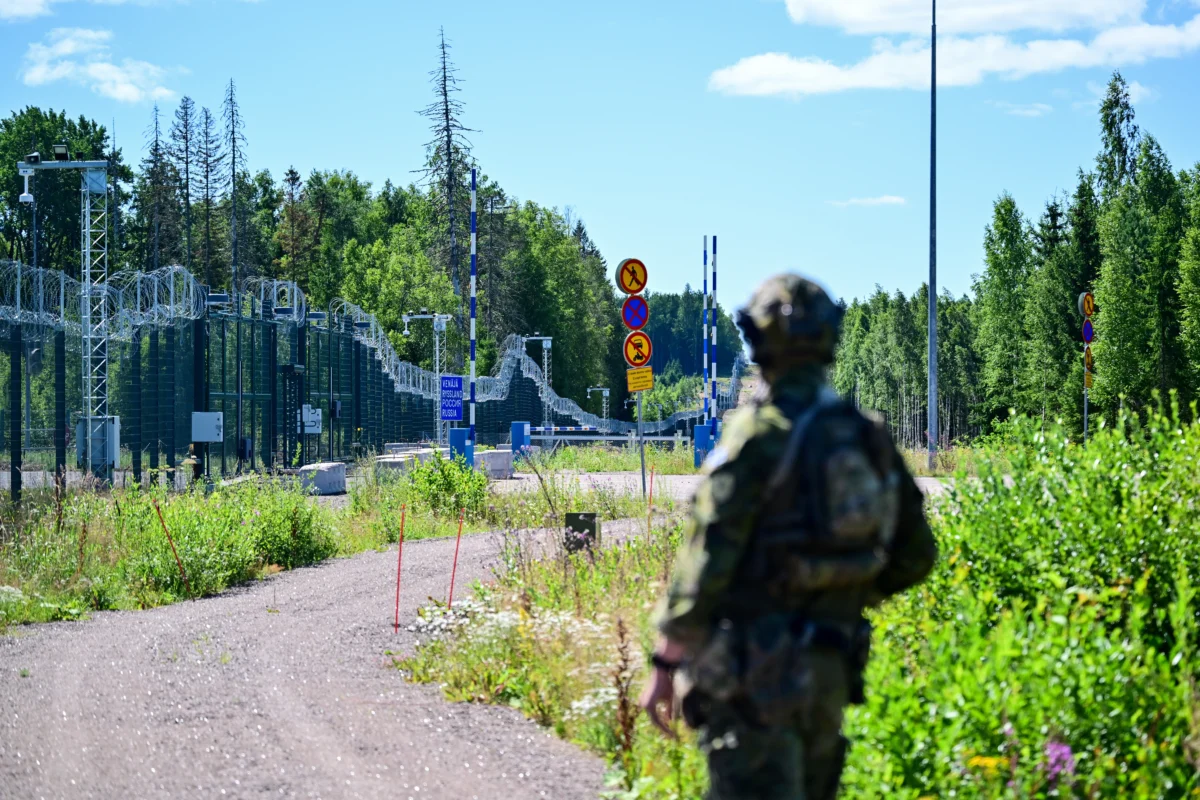
When a drone’s navigation system is compromised, it may enter a "lost link" state or continue flying on a dead-reckoning course that leads it directly into the airspace of neighboring neutral or NATO-aligned countries. Finland, which shares a 1,340-kilometer (830-mile) border with Russia, is particularly vulnerable to these navigational drifts. The Finnish military spokesperson noted that the current airspace closure is intended to protect bystanders from drones that may crash due to fuel exhaustion or electronic interference once they have veered off course.
Moscow, conversely, has rejected the narrative of accidental drift. The Kremlin has repeatedly accused Kyiv of intentionally steering drones across NATO borders to provoke a direct confrontation between the alliance and Russia. Warsaw and other regional capitals have warned that Russia may eventually use captured Ukrainian technology to stage "false flag" operations against Poland or the Baltic states, further complicating the task of aerial identification and response.
Finland’s Strategic Pivot and NATO Integration
The decision to restrict maritime and aerial movement marks another chapter in Finland’s rapid transition from a policy of military non-alignment to becoming a frontline NATO state. Since its accession to the alliance, Helsinki has moved swiftly to integrate its defense infrastructure with Western standards. This includes a landmark departure from long-standing policy regarding the hosting of nuclear-capable assets. In March 2026, Finland signaled its readiness to host nuclear weapons or transit flights, a move aimed at bolstering the alliance’s collective deterrence against Russian aggression.
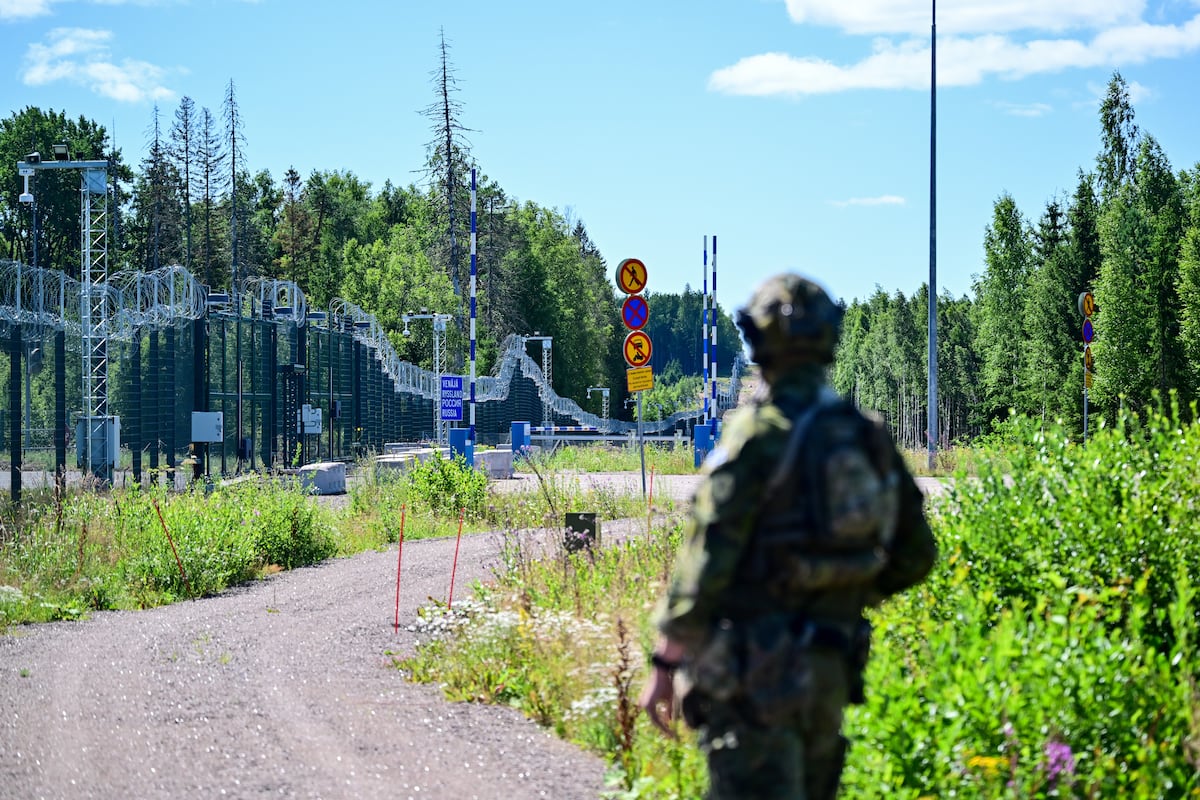
The current drone threat serves as a practical test of Finland’s new defense posture. By closing airspace and restricting maritime lanes, Helsinki is exercising its sovereign right to defend its borders while demonstrating a high level of coordination with NATO’s integrated air and missile defense systems. The Gulf of Finland, a narrow and strategically vital waterway that provides Russia’s only sea access to St. Petersburg, has become a focal point of these tensions. Any restriction on maritime traffic in this area has immediate implications for Russian commercial and naval movements, raising the stakes for bilateral diplomacy.
Timeline of Escalation in the Nordic-Baltic Region
The current crisis can be mapped through a series of key escalatory events over the past several months:
- March 2026: Finland updates its national defense policy to allow for the potential hosting of NATO nuclear assets, signaling a total break from its Cold War-era neutrality.
- May 2026: A Ukrainian-launched drone, reportedly targeting a Russian oil terminal, enters Estonian airspace. A NATO Baltic Air Policing mission jet intercepts the craft, leading to a diplomatic standoff.
- June 2026: Latvia and Ukraine formalize a partnership for a drone production facility near the Russian border. Russia responds with threats of "asymmetrical measures" against Baltic manufacturing hubs.
- July 2026: Poland’s Ministry of Defense issues a warning that Russia is stockpiling captured Ukrainian drones for potential use in hybrid warfare operations against the Suwalki Gap and the Baltic states.
- Current (August 2026): Finland implements emergency airspace and maritime closures near the Vyborg-Leningrad sector of the border, citing "operational information" regarding imminent drone activity.
Economic and Logistical Impact
The closure of airspace and maritime routes, while necessary for security, carries significant economic weight. The southern coast of Finland is home to several major ports and is a critical corridor for international shipping. Restrictions on maritime traffic can lead to delays in cargo processing and increased insurance premiums for vessels operating in the Baltic Sea. Similarly, the redirection of civilian flights away from the border zone adds fuel costs and transit time for commercial airlines.
However, the Finnish government has maintained that the cost of inaction—such as a stray drone crashing into a populated area or a merchant vessel—far outweighs the temporary logistical inconveniences. The "safety of bystanders" cited by the military spokesperson remains the paramount justification for the directive.
Broader Implications for NATO’s Northern Flank
The situation on the Finnish-Russian border is a microcosm of the broader challenges facing NATO’s northern flank. The "drone war" has effectively erased the geographic buffer that previously shielded Northern Europe from the direct kinetic effects of the conflict in Ukraine. As Ukraine continues to develop and deploy longer-range strike capabilities—some capable of reaching over 1,500 kilometers—the likelihood of incursions into NATO territory will only increase.
Analysts suggest that these incidents are part of a "grey zone" conflict, where the lines between intentional provocation, technical failure, and defensive response are intentionally blurred. For Finland, the priority is to establish a clear "no-go" zone that prevents Russian or Ukrainian assets from utilizing Finnish territory as a transit point or a shield.
The Finnish military’s refusal to comment on the specific source of their information suggests a reliance on high-level signals intelligence (SIGINT) or satellite reconnaissance, likely shared within the NATO intelligence framework. This level of readiness indicates that the alliance is treating the drone threat not merely as an accidental byproduct of war, but as a persistent tactical challenge that requires a permanent shift in border management.
As the situation develops, the international community will be watching closely for Russia’s response. Any further restriction on the Gulf of Finland could be viewed by Moscow as a "creeping blockade," potentially leading to naval posturing or retaliatory electronic interference against Finnish civilian infrastructure. For now, the skies and seas of southern Finland remain under a state of high alert, serving as a stark reminder that the war in Ukraine has fundamentally altered the security architecture of the European continent.

Related Posts
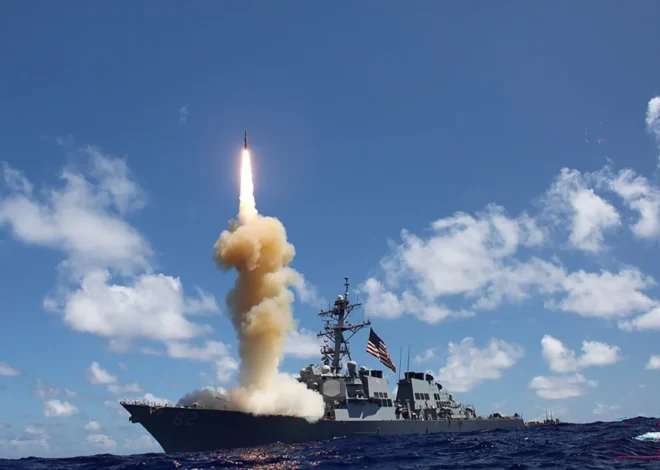
Pentagon Forges Landmark Seven-Year Agreements with Boeing and RTX to Accelerate Standard Missile-3 Production and Stabilize Defense Supply Chains
Boeing Unveils Ultra Low-Cost Seeker to Enhance Missile Inventory and Combat Cost Challenges in Modern Warfare