Zelenskyy and Trump Convene in Washington to Discuss Missile Production and Peace Mediation Amid Loss of Key Ally Lindsey Graham
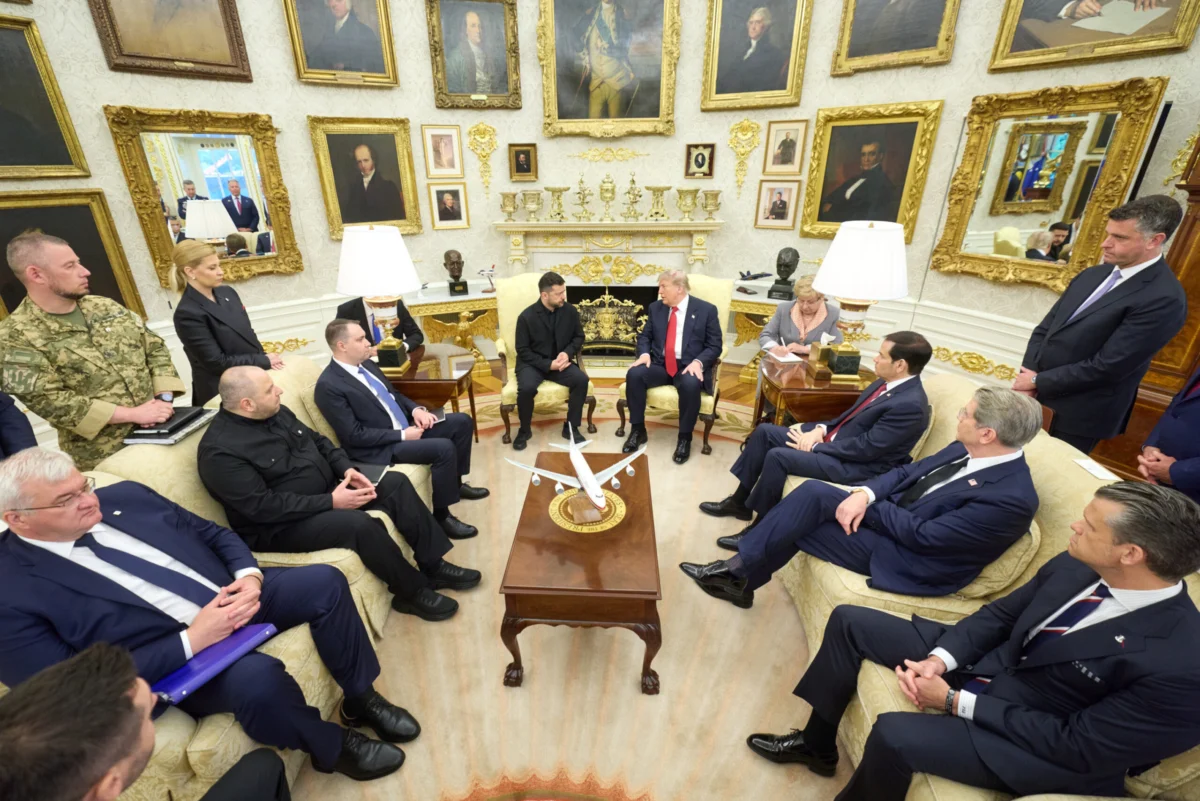
The diplomatic landscape of the Russo-Ukrainian War underwent a significant shift on Tuesday as Ukrainian President Volodymyr Zelenskyy arrived in Washington D.C. for a high-stakes series of meetings with U.S. President Donald Trump and Congressional leaders. The visit, characterized by a blend of somber memorialization and strategic military planning, centered on two primary objectives: the localized production of advanced missile defense systems and the reinvigoration of a diplomatic path to end the conflict, now entering its fifth year. The backdrop of the visit was the funeral of U.S. Senator Lindsey Graham, a pivotal figure in the pro-Ukraine coalition within the Republican Party, whose sudden passing has left a void in the legislative advocacy for Kyiv.
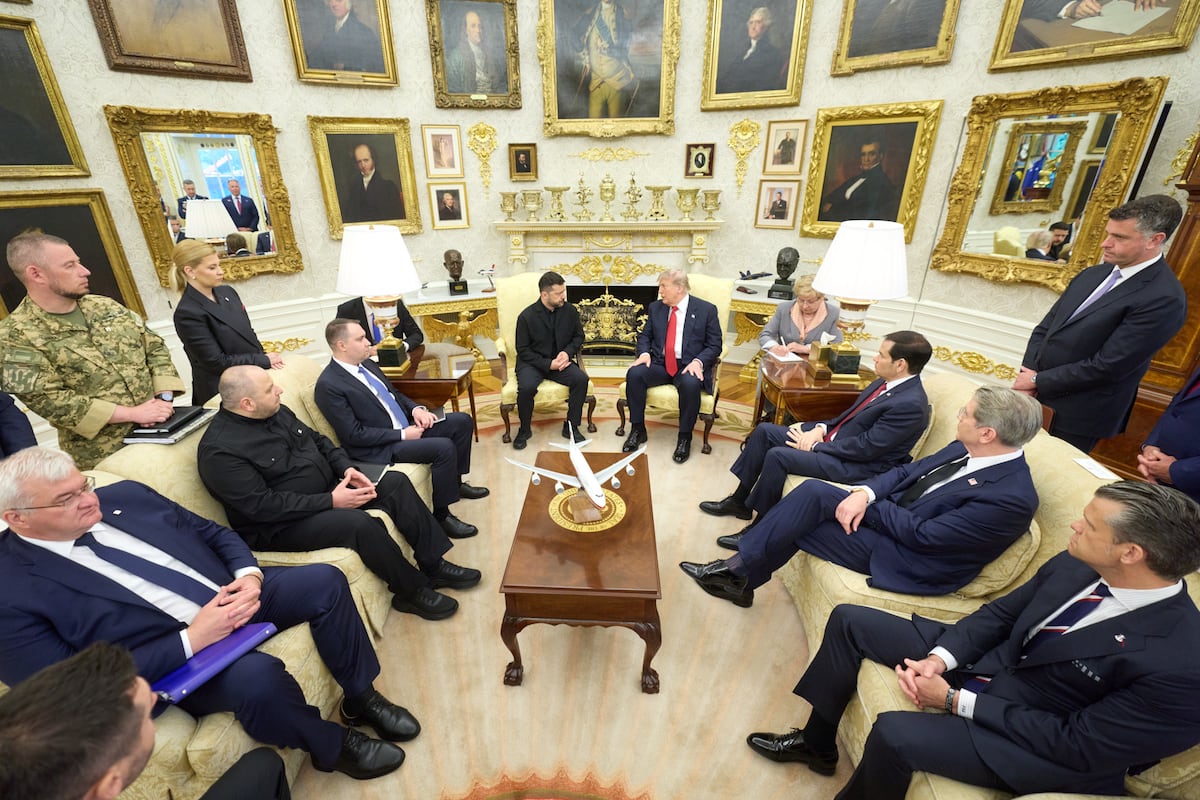
President Zelenskyy’s itinerary began with a private meeting in the Oval Office, where he and President Trump discussed the technical and legal frameworks required for Ukraine to begin domestic production of Patriot missile interceptors. This move follows a commitment made by the Trump administration during the NATO summit earlier this month, signaling a transition from direct aid toward a "co-production" model designed to bolster Ukraine’s long-term defense industrial base. Following their private talks, the two leaders joined a bipartisan group of mourners at the funeral service for Senator Graham, who died on July 11 at the age of 71.
Strategic Shift to Domestic Defense Production
A central pillar of the discussions was the urgent need for Ukraine to secure its airspace against increasingly sophisticated Russian ballistic missile strikes. While Ukraine has successfully deployed domestic drone technology to counter Iranian-made Shahed drones and Russian reconnaissance UAVs, the defense against high-velocity ballistic missiles remains a critical vulnerability. Currently, the U.S.-made Patriot system is the only asset in the Ukrainian arsenal capable of intercepting such threats.
Zelenskyy emphasized to reporters and lawmakers that the chronic shortage of interceptor missiles has hindered Ukraine’s ability to protect critical infrastructure and civilian centers. "The real problem is anti-ballistic systems and anti-ballistic missiles," Zelenskyy stated following a meeting with senators at the U.S. Capitol. "And of course, I shared exactly what we need."
The proposed licensing agreement would allow Ukraine to manufacture Patriot interceptors on its own soil, a project that involves deep coordination with Lockheed Martin, the world’s largest defense contractor. Zelenskyy confirmed he had met with Lockheed Martin executives to discuss the logistics of "co-production." While experts suggest that establishing a fully functional production line for such complex technology could take years, the political signal is clear: the U.S. is looking to move Ukraine toward military self-sufficiency. This shift aligns with the Trump administration’s broader "America First" approach, which favors industrial partnerships and licensing over indefinite direct military grants.
The Kushner-Witkoff Diplomatic Channel
Parallel to the military discussions, a new diplomatic framework is beginning to take shape. For the first time since President Trump’s return to the White House in January 2025, a formal U.S. mediation team has been signaled. Sources familiar with the administration’s plans confirmed that Steve Witkoff and Jared Kushner, the President’s son-in-law and a former senior advisor, have agreed to visit Ukraine to kick-start mediation efforts.
Witkoff and Kushner have reportedly maintained a back-channel to the Kremlin, having met with Russian President Vladimir Putin multiple times over the past eighteen months. This "shuttle diplomacy" seeks to find a middle ground in a war that has remained largely stalemated on the front lines while escalating in the air and on the economic front. Zelenskyy acknowledged the potential for renewed talks, noting that he had discussed the prospects of a diplomatic surge with the two envoys during his visit.
The involvement of Kushner and Witkoff suggests that the Trump administration is prioritizing a deal-based resolution. However, the Ukrainian leadership remains firm that any diplomatic solution must respect Ukraine’s sovereignty and territorial integrity, a point Zelenskyy reiterated during his appearances on Capitol Hill and in his interview with Fox News’ "Hannity."
Legislative Maneuvering and the Shadow of Aid Delays
Despite the outward appearance of improved relations between Trump and Zelenskyy—which had been strained during the early months of 2025—friction remains regarding the delivery of previously authorized aid. A recent letter from the Pentagon to Congress revealed that the administration does not intend to finish spending $400 million in authorized aid for Ukraine until fiscal year 2029. This delay has drawn sharp criticism from both Democratic lawmakers and defense-hawk Republicans, who argue that the funds are needed immediately to sustain the Ukrainian counter-offensive.
To counter the optics of the aid delay, the Senate moved forward with a sweeping package of new sanctions targeting the Russian energy sector. This legislation, which had been a priority for the late Senator Graham, received a public endorsement from President Trump just days before Graham’s death. The sanctions are designed to further restrict Russia’s ability to finance its war machine by targeting LNG exports and the "shadow fleet" of tankers used to bypass international oil price caps.
Senate Minority Leader Chuck Schumer, standing alongside Zelenskyy, hailed the vote as a message of defiance to Moscow. "With this vote, we are going to show Putin he can’t bully Ukraine," Schumer said. "America stands behind Ukraine… We are going to back Ukraine, and they’re going to win."
Remembering Senator Lindsey Graham: A Bridge Between Eras
The death of Senator Lindsey Graham serves as a poignant backdrop to this week’s diplomatic activity. Graham, a South Carolina Republican and a stalwart of the "interventionist" wing of the GOP, was perhaps Kyiv’s most vocal advocate in Washington. His relationship with Zelenskyy was personal; he had visited Ukraine ten times since the 2022 invasion, including a trip just one day before his sudden death from a heart ailment.
Graham’s role was unique in the current political climate, as he served as a bridge between the traditional internationalist wing of the Republican Party and the more isolationist "MAGA" base. His ability to secure Trump’s support for the latest round of Russian sanctions was seen as his final major political achievement. For Zelenskyy, the loss of Graham means the loss of a navigator who understood how to move Ukrainian interests through the complex machinery of the U.S. Senate.
The funeral service was attended by a "who’s who" of Washington’s foreign policy establishment, signaling that while the methods of support may be changing under the current administration, the fundamental bipartisan interest in the conflict remains high.
Analysis: Implications for the 2026-2027 Conflict Outlook
The events of late July 2026 suggest a "dual-track" strategy is being adopted by the United States. On one track, the administration is encouraging a transition to a "Fortress Ukraine" model, where the country produces its own high-end weaponry under U.S. license. This reduces the immediate political burden on the U.S. taxpayer while ensuring that Ukraine remains a formidable military power in Eastern Europe.
On the second track, the Trump administration is aggressively pursuing a negotiated settlement. The appointment of Kushner and Witkoff as envoys indicates a preference for unconventional diplomacy that bypasses traditional State Department channels. The success of this track will depend heavily on whether the "sanctions pressure" Zelenskyy mentioned can truly force the Kremlin to the bargaining table in a way that years of frontline combat have not.
Furthermore, the meeting with Finnish President Alexander Stubb highlights the growing role of Northern European allies. Finland, a relatively new NATO member, has become a key logistical hub for the defense of Ukraine’s northern flank. Stubb’s presence in Washington alongside Zelenskyy underscores the regionalization of the conflict, as European nations increasingly take on a larger share of the security burden.
Conclusion
President Zelenskyy’s visit to Washington was a calculated effort to navigate a shifting American political landscape. By securing a commitment for Patriot missile production and engaging with Trump’s preferred diplomatic envoys, Zelenskyy is attempting to future-proof Ukraine’s defense against the possibility of fluctuating U.S. aid.
However, the path forward remains fraught with challenges. The five-year mark of the war approaches with no clear end to the fighting in sight, and the loss of legislative champions like Lindsey Graham complicates the task of maintaining long-term American resolve. As the Witkoff-Kushner team prepares for their first official visit to Kyiv, the international community will be watching closely to see if this new brand of diplomacy can achieve a breakthrough that has eluded the world for half a decade. For now, the focus remains on the skies over Ukraine and the industrial race to protect them.

Related Posts
Pentagon Forges Landmark Seven-Year Agreements with Boeing and RTX to Accelerate Standard Missile-3 Production and Stabilize Defense Supply Chains

Boeing Unveils Ultra Low-Cost Seeker to Enhance Missile Inventory and Combat Cost Challenges in Modern Warfare