Ukraine’s F-16 Fleet Faces Sustainability Crisis Amid Relentless Russian Drone Campaigns
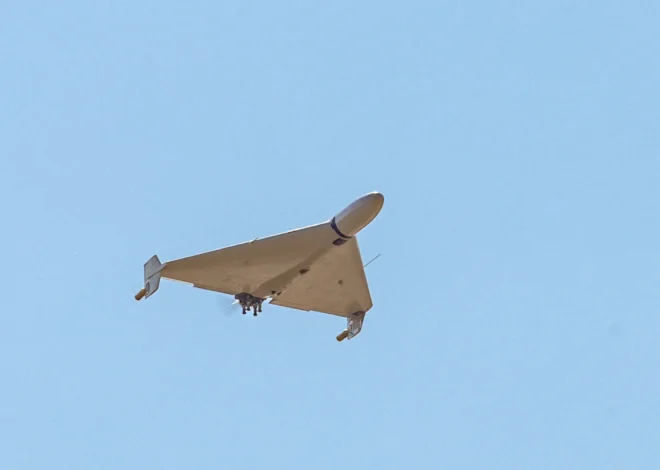
The deployment of F-16 Fighting Falcons in Ukraine, once hailed as a definitive turning point in the defense against Russian aggression, is now confronting a critical sustainability crisis. While these Western-made multirole fighters have proven exceptionally effective in neutralizing aerial threats, the sheer volume of Russian drone incursions is rapidly depleting the operational lifespan of the airframes and exhausting limited stockpiles of advanced munitions. According to a comprehensive analysis by the Royal United Services Institute (RUSI), a prominent British defense think tank, the Ukrainian Air Force has utilized its F-16 fleet to intercept and destroy more than 2,500 Geran and Gerbera one-way attack drones since the aircraft first arrived in mid-2024. However, airpower expert Justin Bronk warns that this level of engagement is fundamentally unsustainable, threatening to ground the fleet just as its strategic value reaches its peak.
The Operational Paradox of the F-16 in Ukraine
The F-16 has become a victim of its own versatility and success. Since the official delivery of the first batch of General Dynamics-designed aircraft in August 2024, the Ukrainian Air Force (UAF) has integrated these platforms into a complex, multi-layered air defense network. The jets have successfully performed a variety of roles, from conducting stand-off precision strikes against Russian logistics hubs using Joint Direct Attack Munition (JDAM) kits to engaging in high-stakes air-to-air combat. This was most notably demonstrated in early July 2026, when a Ukrainian F-16 reportedly downed a Russian Su-35, one of the Kremlin’s most advanced air-superiority fighters, over eastern Ukraine.
Despite these triumphs, the primary burden placed on the F-16 fleet has been counter-unmanned aerial system (C-UAS) operations. Russia’s reliance on low-cost, one-way attack drones has created a saturation environment that forces Ukraine to scramble its most precious assets to protect critical infrastructure and civilian centers. Justin Bronk’s analysis highlights that the "unlimited demand" for drone interceptions is consuming airframe flying hours at a rate that far exceeds standard maintenance cycles. Unlike the rugged, Soviet-era MiG-29s and Su-27s that Ukraine previously relied upon, the F-16 is a sophisticated machine that requires meticulous, specialized maintenance after a set number of flight hours.
Chronology of Ukraine’s Transition to Western Airpower
The journey to establish a Western-standard fighter fleet in Ukraine has been marked by significant geopolitical and logistical hurdles.
- Late 2022 – Early 2023: Following the full-scale invasion, President Volodymyr Zelensky launched a global diplomatic campaign for modern fighter jets, emphasizing that Soviet-era aircraft were being outranged and outclassed by Russian R-37M long-range missiles.
- May 2023: The "Air Force Coalition" was formed, led by the Netherlands and Denmark, with the United States eventually granting permission for the transfer of F-16s and the training of Ukrainian pilots on NATO soil.
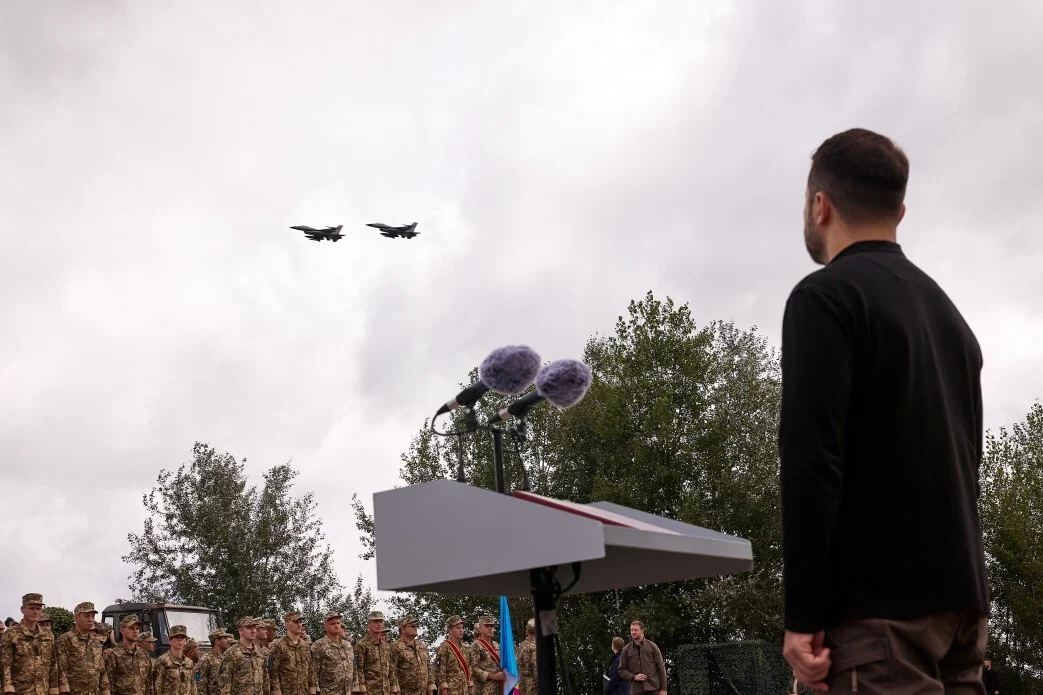
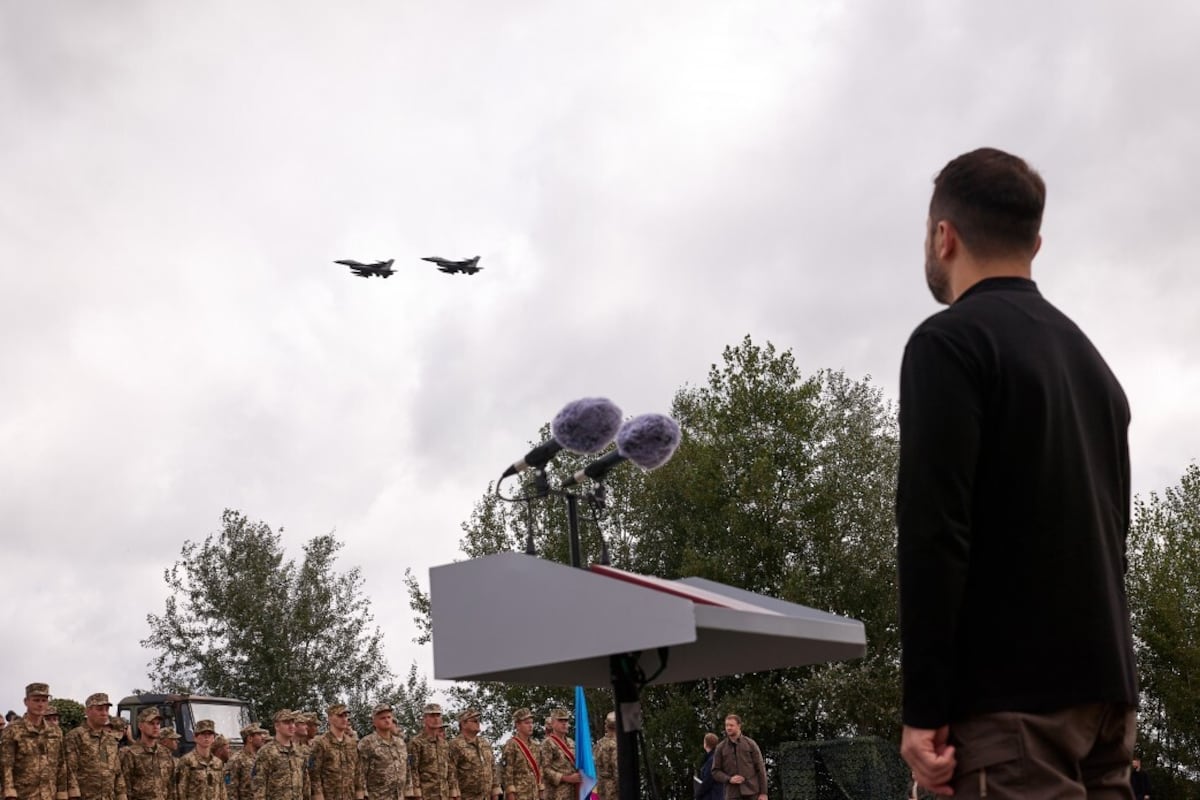
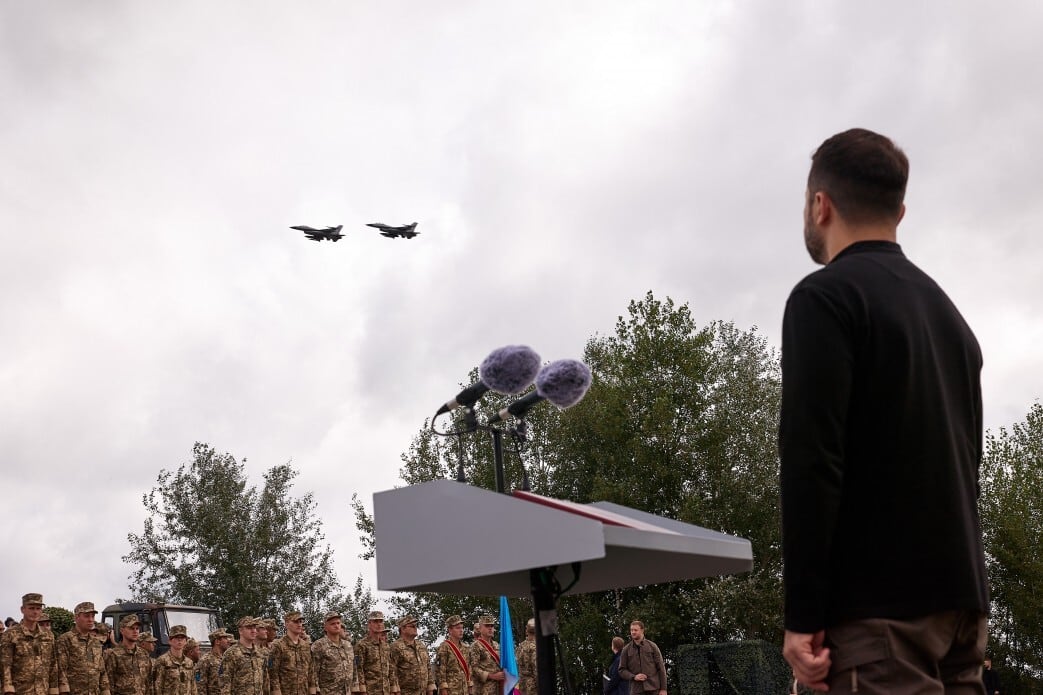
- August 4, 2024: Ukraine officially debuted its first F-16s during a ceremony marking Air Force Day. The initial deliveries were seen as a psychological and tactical boost, providing Ukraine with the ability to use Link-16 data links and Western sensors.
- 2025 – Early 2026: The fleet expanded through staggered deliveries from Norway, Denmark, the Netherlands, and Belgium. During this period, the F-16s were increasingly diverted from offensive "strike" missions to defensive "interception" missions as Russia ramped up its drone production.
- July 2026: Current estimates place the operational Ukrainian F-16 fleet at approximately 39 aircraft, out of a total of 79 promised by Western allies. This fleet is supplemented by a small number of French-made Mirage 2000-5s and a dwindling inventory of Soviet-era airframes.
The Economic and Technical Attrition of Drone Warfare
The disparity between the cost of the threat and the cost of the defense is one of the most alarming aspects of the current conflict. Russian industrial capacity has surged, with reports indicating the production of upwards of 6,000 one-way attack drones per month. These drones, often costing between $20,000 and $50,000 each, are being countered by F-16s using air-to-air missiles that can cost between $400,000 (AIM-9 Sidewinder) and over $1 million (AIM-120 AMRAAM) per shot.
Furthermore, the technical toll on the aircraft is immense. Fighter aircraft are designed with a finite number of "service life" hours. Engaging in constant scrambles and high-G maneuvers to intercept low-flying drones accelerates the onset of metal fatigue and electronic degradation. Once an F-16 reaches its hourly limit, it must undergo "deep maintenance," a process that often requires the aircraft to be sent to specialized facilities outside of Ukraine, effectively removing it from the order of battle for months.
The RUSI analysis emphasizes that while the F-16 is the most efficient asset for intercepting cruise missiles due to its advanced radar and speed, using it against slow-moving, low-altitude drones is a strategic misallocation. The "Geran" (a Russian variant of the Iranian Shahed) and "Gerbera" drones are designed specifically to act as "missile sponges," intended to deplete the defender’s expensive interceptors and wear down their delivery platforms.
Layered Defense and the Role of SHORAD
To mitigate the strain on the F-16 fleet, Ukraine has developed one of the world’s most dense Short-Range Air Defense (SHORAD) networks. This system relies on a combination of:
- Mobile Fire Groups: Pickup trucks equipped with heavy machine guns and thermal optics.
- Anti-Aircraft Guns: Systems like the German-made Gepard, which uses radar-guided 35mm cannons to destroy drones at a fraction of the cost of a missile.
- Interceptor Drones: Emerging technology involving "first-person view" (FPV) drones designed to ram or explode near enemy reconnaissance and attack drones.
- MANPADS: Shoulder-fired missiles like the Stinger or Starstreak.
While SHORAD is sustainable in terms of ammunition costs, it is extremely personnel-intensive. Defending a 745-mile front line, plus dozens of major cities and power plants, requires thousands of individual teams. Bronk notes that NATO countries would likely struggle to replicate this density because they lack the sheer number of trained personnel required to maintain such a manual defense grid on a 24/7 basis.
The strategic dilemma for the Ukrainian High Command is that while SHORAD is effective, it lacks the geographical flexibility of a fighter jet. A drone swarm can be redirected to bypass stationary gun emplacements, whereas an F-16 can be vectored to any point in Ukrainian airspace within minutes. This utility makes it nearly impossible for commanders to resist the urge to use the jets whenever a breakthrough occurs.
Expert Analysis: The Need for Structural Reform
The RUSI report offers a critical look at how Ukraine manages its air assets. Justin Bronk suggests that the effectiveness of the F-16 could be significantly enhanced if the Ukrainian military adopted a more decentralized command structure. Currently, air missions are often "centrally tasked by Army-centric headquarters elements," which may prioritize immediate tactical needs (like stopping a single drone wave) over the long-term strategic preservation of the airframe.
By giving individual squadrons and wings more authority to plan their own strikes and sorties, the Air Force could better balance the need for defense with the need for high-impact offensive operations. "The F-16 capacity must be reserved for cruise missile interception and stand-off strike missions where its unique capabilities are non-negotiable," Bronk argued.
Implications for NATO and Global Defense Strategy
The "F-16 crisis" in Ukraine serves as a cautionary tale for NATO planners. For decades, Western air power has been predicated on the assumption of air superiority and the ability to dictate the terms of engagement. The war in Ukraine has introduced a "new normal" of persistent, high-volume attrition warfare that NATO’s current procurement models are not designed to handle.
If a conflict were to arise involving NATO forces, the demand for C-UAS would likely overwhelm existing fighter fleets just as it has in Ukraine. Analysts suggest that the West must accelerate the development of cheaper, high-volume interceptors. One potential solution is the APKWS II (Advanced Precision Kill Weapon System), which adds laser-guidance kits to inexpensive 70mm rockets, allowing aircraft to down drones at a much lower cost per kill.
Future Outlook: A Race Against the Clock
As of late July 2026, the Ukrainian Air Force stands at a crossroads. The promised arrival of additional F-16s and French Mirage 2000-5s provides a glimmer of hope, but these reinforcements will only be effective if the existing fleet is not flown into the ground first.
The sustainability of Ukraine’s air defense now depends on three factors:
- Maintenance Logistics: Establishing more robust, "in-country" or "near-border" maintenance hubs to reduce the downtime of airframes.
- Munition Diversity: Securing vast quantities of lower-cost interceptors like the APKWS to prevent the depletion of AMRAAM stockpiles.
- Strategic Restraint: The willingness of the Ukrainian leadership to prioritize the F-16 for "high-value" targets—such as Russian glide-bomb kits (KABs) and cruise missiles—while leaving the majority of drone interceptions to ground-based teams and interceptor drones.
The F-16 has undoubtedly saved countless Ukrainian lives and struck significant blows against the Russian military machine. However, without a shift in how these assets are utilized, the "Fighting Falcon" may find its wings clipped by the sheer weight of a war of attrition that values quantity over quality. The coming months will determine whether the F-16 remains a potent symbol of Ukrainian resistance or becomes a cautionary example of the limits of modern airpower in the face of mass-produced robotic warfare.

Related Posts
Pentagon Forges Landmark Seven-Year Agreements with Boeing and RTX to Accelerate Standard Missile-3 Production and Stabilize Defense Supply Chains
Boeing Unveils Ultra Low-Cost Seeker to Enhance Missile Inventory and Combat Cost Challenges in Modern Warfare