Beyond the Yellow Jersey: The UAE Team Emirates Victory and the Geopolitical Controversy Over Human Rights and the Sudan Conflict
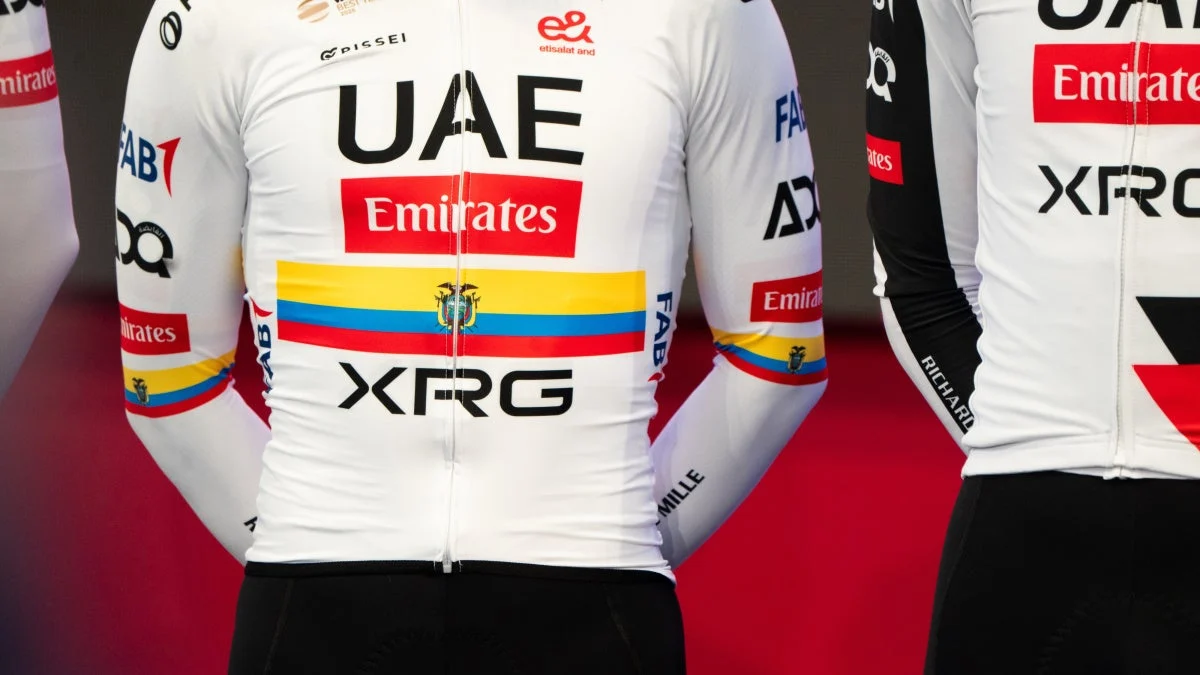
As the final stage of the Tour de France concludes on the streets of France, the global cycling community celebrates the dominance of UAE Team Emirates, a powerhouse that has redefined modern professional cycling. While the iconic yellow jersey and the podium celebrations capture the world’s attention, the victory serves as a focal point for a much broader and more somber discussion regarding the intersection of elite sports, international diplomacy, and human rights. Behind the high-performance machinery and the celebrated athletes lies a complex narrative of "sportswashing"—a strategy critics argue is used by the United Arab Emirates (UAE) to project a modernized image while obscuring systemic domestic rights violations and a controversial role in the devastating civil war in Sudan.
The Rise of UAE Team Emirates and the Sportswashing Narrative
The UAE Team Emirates has become the most formidable force in the peloton, backed by the immense financial resources of state-owned entities. The team’s success is not an isolated phenomenon but part of a broader, multi-billion-dollar investment strategy by the Emirati government to establish itself as a global hub for sports and tourism. From hosting Formula 1’s season finale in Abu Dhabi to sponsoring the NBA and owning high-profile football clubs like Manchester City, the UAE has successfully integrated its national brand into the fabric of global entertainment.
However, human rights organizations and geopolitical analysts suggest that these investments are designed to deflect international scrutiny. This practice, often termed "sportswashing," allows a state to improve its reputation through the glamor of sports, creating a "halo effect" that masks less savory domestic and foreign policies. For the UAE, this includes long-standing concerns over the treatment of its migrant worker population and the suppression of political dissent.
Systemic Human Rights Concerns Within the UAE
The UAE’s domestic human rights record remains a point of contention for international observers. Despite the country’s rapid modernization and architectural marvels, the legal and social framework governing its workforce has faced sustained criticism. The "kafala" (sponsorship) system, while partially reformed in recent years, continues to leave many of the country’s nearly nine million migrant workers vulnerable to exploitation. Reports from organizations like Human Rights Watch and Amnesty International have documented instances of wage theft, confiscation of passports, and hazardous working conditions, particularly in the construction and service sectors.
Furthermore, the UAE’s approach to political expression is characterized by a zero-tolerance policy toward dissent. The "UAE 94" case, a mass trial of activists, academics, and lawyers, remains a symbol of the government’s crackdown on civil society. Many individuals convicted in that trial remain imprisoned long after their sentences have expired, under "re-radicalization" laws that critics describe as a pretext for indefinite detention. By associating the national brand with the prestige of the Tour de France, the Emirati government arguably shifts the public narrative away from these judicial and labor issues.
The Shadow of the Sudan Conflict: Allegations of Military Support
Perhaps the most pressing concern currently linked to the UAE’s international standing is its alleged involvement in the ongoing conflict in Sudan. Since fighting erupted in April 2023 between the Sudanese Armed Forces (SAF) and the Rapid Support Forces (RSF), the country has descended into one of the world’s worst humanitarian crises. A growing body of evidence, including reports from the United Nations and independent investigative bodies, suggests that the UAE has provided significant material and logistical support to the RSF.
The RSF, a paramilitary group with roots in the "Janjaweed" militias responsible for atrocities in Darfur in the early 2000s, has been accused of carrying out massacres, ethnic cleansing, and widespread sexual violence. In October 2025, the RSF’s siege of El Fasher resulted in what UN officials described as "hallmarks of genocide." Despite the UAE’s public stance that its involvement in Sudan is purely humanitarian—citing the construction of field hospitals and the delivery of aid—investigative journalists and UN monitors have documented cargo flights allegedly carrying weapons and ammunition to RSF-controlled territories via neighboring countries like Chad and Uganda.
A Chronology of the Sudan Crisis and UAE Involvement
To understand the gravity of the allegations, it is essential to examine the timeline of the Sudanese conflict and the UAE’s documented role:
- April 2023: Violent clashes break out in Khartoum between the SAF, led by General Abdel Fattah al-Burhan, and the RSF, led by Mohamed Hamdan "Hemedti" Dagalo.
- Late 2023: Reports emerge of an "air bridge" between the UAE and eastern Chad. While the UAE claims the flights are for humanitarian aid to refugees, satellite imagery and local reports suggest the delivery of military equipment to the RSF.
- October 2025: The fall of El Fasher. Human rights groups document mass killings of the Masalit people and other non-Arab groups. The RSF is directly implicated in these atrocities.
- Early 2026: A UN panel of experts presents evidence to the Security Council detailing the UAE’s financial and military support for the RSF, citing it as a primary factor in the group’s ability to sustain its offensive.
- May 2026: Human Rights Watch releases a report detailing the deployment of Colombian private military contractors to Sudan. These contractors were allegedly recruited by a UAE-based firm and transited through Emirati military infrastructure before joining RSF operations.
- July 2026: As UAE Team Emirates dominates the Tour de France, international pressure mounts on the UAE to cease its alleged support for warring factions in Sudan.
Supporting Data: The Humanitarian Toll in Sudan
The scale of the disaster in Sudan is staggering, and the role of external actors in prolonging the violence is a subject of intense international debate. According to data from the United Nations High Commissioner for Refugees (UNHCR) and the World Food Programme (WFP):
- Displacement: Over 11 million people have been forced from their homes, creating the world’s largest displacement crisis. This includes nearly 3 million who have fled to neighboring countries.
- Mortality: While official death tolls are difficult to verify due to the collapse of the healthcare system, some estimates suggest that hundreds of thousands have died as a direct result of the violence or the ensuing famine.
- Famine Risk: Approximately 25 million people—over half of Sudan’s population—are in need of urgent humanitarian assistance. Famine has been officially declared in parts of North Darfur, particularly in the Zamzam displacement camp.
- Military Logistics: Investigative reports have tracked over 100 cargo flights from the UAE to the Chadian border town of Amdjarass, which critics claim serves as a logistics hub for RSF resupply.
Official Responses and Denials
The UAE government has consistently and vigorously denied allegations of providing military support to the RSF. In official statements to the UN Security Council and the international press, Emirati diplomats have emphasized their commitment to a peaceful resolution of the conflict. They point to the UAE’s significant financial contributions to international aid appeals and their role in hosting diplomatic talks aimed at a ceasefire.
"The United Arab Emirates remains deeply concerned by the humanitarian catastrophe in Sudan," a spokesperson for the UAE Ministry of Foreign Affairs stated earlier this year. "Our efforts are focused entirely on de-escalation, the protection of civilians, and the provision of life-saving medical and food aid. Any claims of military involvement are categorically false and serve only to distract from the urgent need for a political solution."
Conversely, the Sudanese Armed Forces and the current Sudanese transitional government have formally accused the UAE of "meddling" in their internal affairs. In a heated session at the UN Security Council, Sudanese representatives called for international sanctions against the UAE, citing the "devastating impact" of foreign-supplied drones and heavy weaponry on the civilian population.
Analysis of Global Implications and the Future of Sports Sponsorship
The controversy surrounding UAE Team Emirates at the Tour de France highlights a growing dilemma for international sports governing bodies, such as the Union Cycliste Internationale (UCI). As authoritarian states and state-owned enterprises become the primary financiers of global sports, the "neutrality" of the sporting arena is increasingly called into question.
The success of the UAE’s sports strategy is undeniable in terms of brand visibility. However, the juxtaposition of a cycling victory with the reports of atrocities in Sudan creates a cognitive dissonance for fans and sponsors alike. Analysts suggest that the "sportswashing" strategy may eventually face a tipping point where the reputational risk for the sport itself becomes too high.
Furthermore, the legal implications are expanding. The documentation of the UAE’s alleged role in Sudan could eventually lead to investigations by the International Criminal Court (ICC) or the imposition of targeted sanctions by Western nations. If a direct link is established between state-sponsored sports entities and the financing of groups accused of crimes against humanity, the future of such sponsorships could be legally challenged.
Conclusion: The Ethics of the Spectacle
As the Tour de France riders cross the finish line, the celebration of human endurance and athletic excellence is undeniable. Tadej Pogačar and his teammates have performed at a level that will be studied for years to come. Yet, for many observers, the yellow jersey is no longer just a symbol of cycling prowess; it is a canvas upon which the complexities of 21st-century geopolitics are painted.
The people of Sudan, enduring mass displacement and the threat of famine, remain largely invisible to the millions watching the race through the French countryside. The challenge for the international community, and for the fans of the sport, is to reconcile the beauty of the competition with the harsh realities of the power structures that fund it. Informing oneself about the fate of migrant workers in the Gulf and the victims of the conflict in Sudan is perhaps the most vital action a spectator can take as the podium ceremony begins. The true cost of a victory, it seems, is often measured far from the finish line.

Related Posts
Human Rights Watch Calls for Investigation into Death of Detainee Following Removal from Najaf Hospital by Iraqi Drug Police
Human Rights Watch Urges UN Security Council to Extend Lebanon Peacekeeping Mission Amid Escalating Conflict and Humanitarian Crisis