Public Support for Iran War Plummets as President Trump Struggles to Define Strategic Objectives Ahead of Midterms
As the military conflict with Iran enters its fifth month, public support for the intervention has reached a new low, according to the latest Reuters/Ipsos polling data. Only one in three Americans now says they support the ongoing war, marking the most significant decline in public enthusiasm since the initiation of hostilities in late February 2026. Despite a slight uptick in President Donald Trump’s overall job approval rating—which rose to 37% from a previous low of 34%—the administration faces a deepening "explanation gap," with a vast majority of the electorate expressing confusion over the war’s ultimate goals and the criteria for a successful exit.
The poll, conducted between July 24 and July 26, 2026, reveals a nation increasingly weary of foreign entanglement. While the President has maintained a firm stance on the necessity of the campaign, citing the existential threat of a nuclear-armed Tehran, the disconnect between the White House and the American public has become a central theme of the 2026 political landscape. With the November midterm elections approaching, the dwindling support for the war is casting a long shadow over the Republican Party’s efforts to maintain its slim majorities in both the House and the Senate.
A Conflict Without a Clear Mandate
The current military engagement began on February 28, 2026, following a series of coordinated strikes by U.S. and Israeli forces targeting Iranian nuclear facilities and ballistic missile sites. Unlike the initial phases of the Iraq War in 2003 or the invasion of Afghanistan in 2001, the war in Iran never enjoyed a broad honeymoon period with the American public. According to historical Gallup data, the Iraq War saw support levels near 70% in its early months, while the Afghanistan War garnered a staggering 90% approval rating following the September 11 attacks.
In contrast, approval for the strikes on Iran has never breached the 40% threshold. The Reuters/Ipsos survey found that 69% of Americans—including 40% of registered Republicans—believe the President has failed to "clearly explain the goals of U.S. military involvement." This lack of clarity is attributed to what critics describe as "shifting goalposts." Over the last five months, administration officials have at various times defined the mission as aiding the Iranian people in toppling the clerical regime, dismantling Iran’s ballistic missile infrastructure, or strictly preventing the acquisition of nuclear weapons.
White House spokeswoman Olivia Wales addressed these concerns on Monday, stating that the administration remains focused on long-term national security rather than short-term popularity. "President Trump will not make life-and-death national security decisions based on fluid opinion polls," Wales said. "What matters most to the American people is having a commander in chief who takes bold action to keep them safe. Our objective has been, and remains, the absolute prevention of a nuclear-armed Iran."
Chronology of the Five-Month Conflict
To understand the current state of public opinion, it is necessary to examine the rapid escalation of the conflict since the beginning of the year:
- January 2026: Tensions peak following intelligence reports suggesting Iran has reached "breakout capacity" for a nuclear device. The Trump administration issues a final ultimatum.
- February 28, 2026: Operation "Sentinel Freedom" begins with massive air and sea-based strikes on Natanz, Fordow, and several IRGC command centers. Public approval sits at 27%, with 29% of respondents "unsure."
- March 2026: The conflict expands as Iran-allied militias in Lebanon and Iraq launch retaliatory strikes against Israeli population centers and U.S. bases. Support for U.S. action rises slightly to 37% as a "rally ’round the flag" effect takes hold.
- April – May 2026: The U.S. deploys additional carrier strike groups and ground personnel to the region. Reports of civilian casualties in Iran and heavy fighting between Hezbollah and Israeli forces dominate the news cycle.
- June 2026: The Pentagon acknowledges the first significant U.S. combat deaths. President Trump’s approval rating hits a term-low of 34%.
- July 2026: Casualty counts reach 18 U.S. service members killed in action. Gasoline prices hit a national average of $4.00 per gallon. The latest Reuters/Ipsos poll shows support for the war dropping to 33%.
The Economic Burden and Domestic Fallout
The war’s impact is not limited to the battlefield; it has profoundly affected the domestic economy. The disruption of oil shipping routes in the Strait of Hormuz and the broader instability in the Middle East have sent energy prices soaring. Before the conflict began on February 28, the average price for a gallon of gasoline in the United States was approximately $3.00. Today, that average has surpassed $4.00, placing a significant strain on American households already dealing with inflationary pressures.
"This puts pressure on the party in a myriad of ways, all of them bad," said Alex Conant, a veteran Republican strategist. Conant noted that while the White House wants to run on its economic record, the war has hijacked the national conversation. "It’s hard to win the economic arguments when you’re clearly focused on foreign policy. For the average voter, the war isn’t an abstract geopolitical strategy—it’s a $60 or $80 charge every time they fill up their tank."
Voter sentiment reflected in the poll underscores this frustration. Alex Womack, a retired turbine repair specialist and U.S. Marine Corps veteran from Georgia, expressed his disillusionment. A long-time Republican who supported the party since the 1991 Gulf War, Womack says his support for Trump is wavering. "It’s not clear why we started a war with them. I have no idea," Womack said. "I don’t think he’s doing very well, personally."
Regional Stability and Human Costs
While U.S. casualties have remained relatively low compared to previous conflicts—with 18 soldiers confirmed dead—the regional human toll has been catastrophic. Estimates suggest thousands have died within Iran due to the air campaign and subsequent internal unrest. Furthermore, in Lebanon, where Iran-allied fighters have engaged in a high-intensity border war with Israeli forces, the displacement of civilians and the death toll continue to rise.
The Pentagon recently moved casualty figures from the "Iran War" into a broader "Overseas Operations" category, a move that some critics and veterans’ groups have called an attempt to obscure the true cost of the conflict. Medical records released in late July indicate that thousands of U.S. troops have been treated for shrapnel wounds, broken bones, and head trauma, highlighting the intensity of the proxy battles being fought across the Middle East.
Political Implications for the 2026 Midterms
The Reuters/Ipsos poll suggests a troubling trend for the Republican Party as the November elections approach. Independent registered voters, who often decide the outcome of swing districts, currently favor Democratic congressional candidates over Republicans by a margin of 36% to 20%. Perhaps more significantly, these independent voters now favor Democrats on economic policy, traditionally a Republican stronghold.
The current situation is a sharp departure from the platform Donald Trump campaigned on during the 2024 election. At that time, he vowed to keep the United States out of "endless wars" and criticized the interventionist policies of both his predecessors and his primary opponents. In the early days of this conflict, Trump estimated that the military action against Iran would last "four to five weeks." Now in its fifth month, the war is drawing uncomfortable comparisons to the Vietnam War—a comparison the President has repeatedly and heatedly rejected.
Rhyan Anderson, an independent voter from Fairburn, Georgia, who voted for Trump in 2024, expressed a sentiment common among the "America First" base that now feels alienated. "My biggest thing is just focus on the people who are actually in the country," Anderson said. "I know we have allies and things like that, but there’s a lot of people here that really need help."
Analysis: The Path Forward
The data suggests the Trump administration is at a critical crossroads. The "rally ’round the flag" effect that often accompanies the start of military action has evaporated, replaced by skepticism and economic anxiety. For the administration to regain public trust, analysts suggest it must provide a more concrete definition of "victory."
"The American public is generally tolerant of military action if they see a direct link to national security and a clear endpoint," said a senior fellow at the Center for a New American Security. "Currently, they see neither. They see rising gas prices, a regional firestorm, and a set of objectives that seem to change with every press briefing."
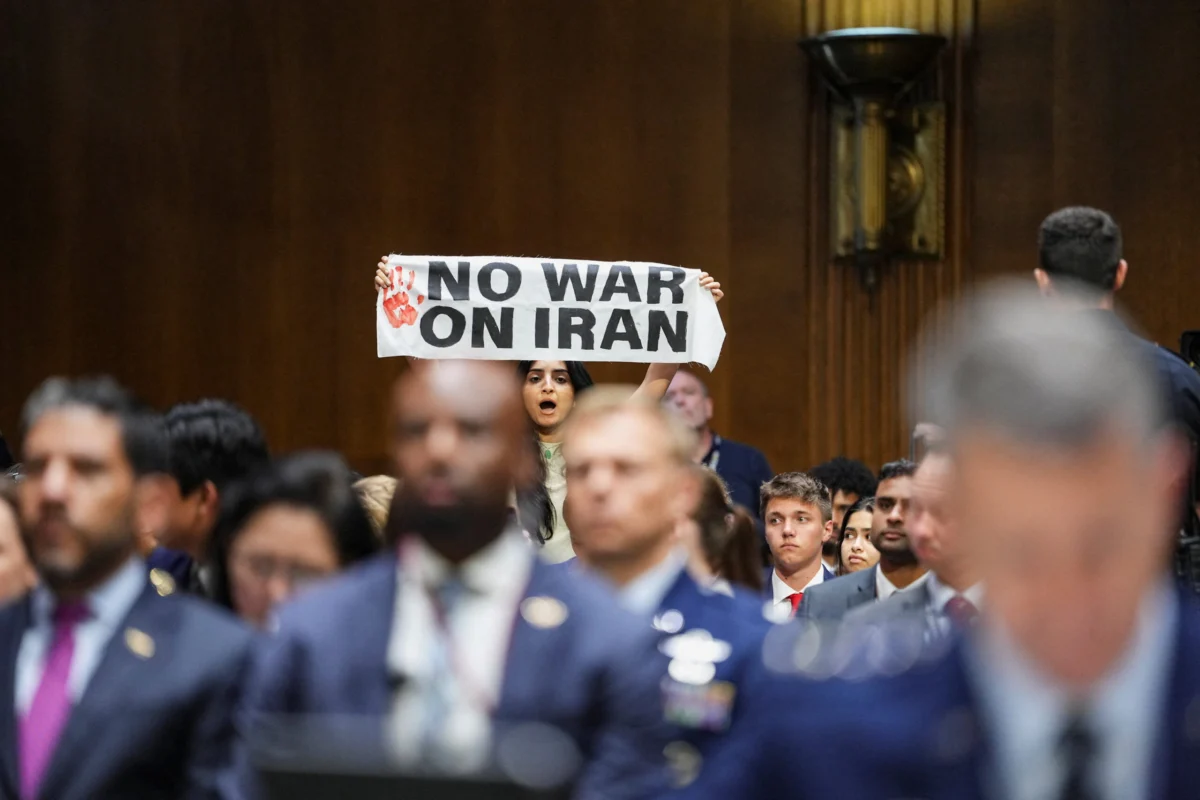
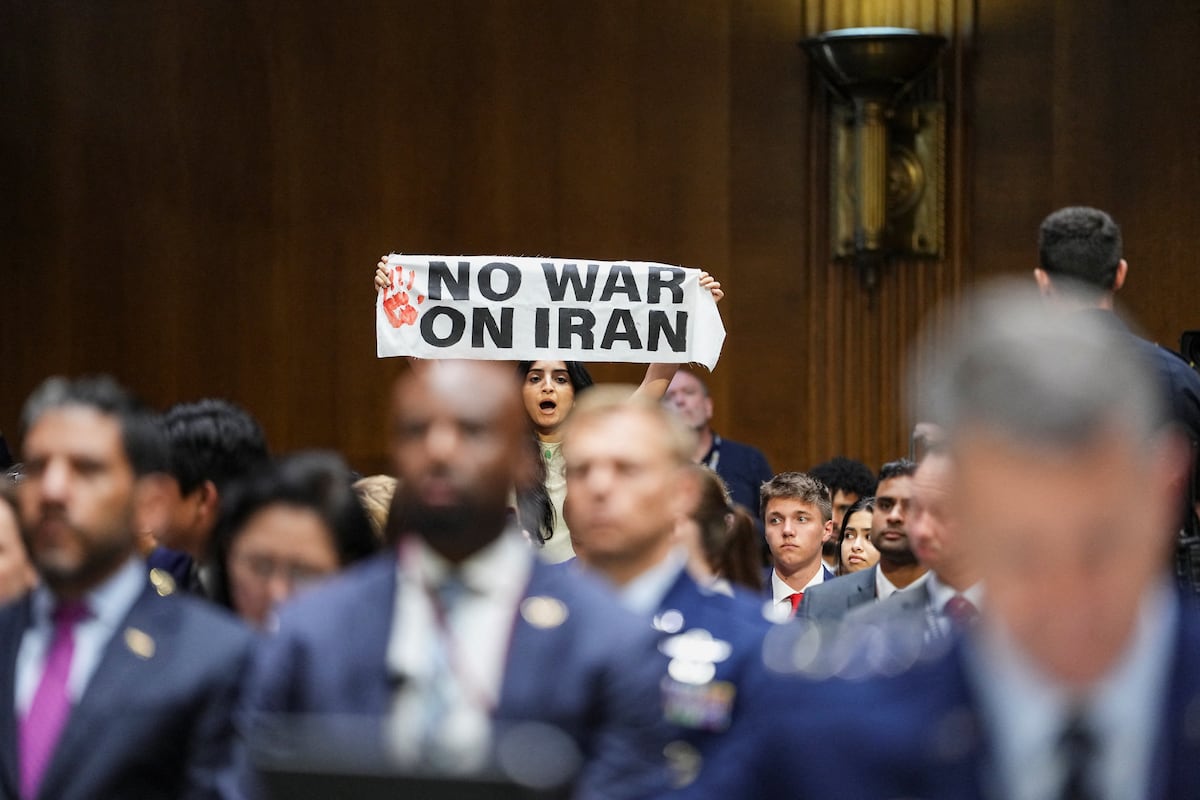
As the Senate Appropriations Committee continues to debate the President’s supplemental funding request for the Department of Defense, the legislative battle is expected to intensify. Protests have become a regular occurrence at the Capitol, with demonstrators demanding an end to the funding and a return to diplomatic channels.
The Reuters/Ipsos survey, which gathered responses from ,246 U.S. adults nationwide, carries a margin of error of 3 percentage points. As the summer progresses, the administration’s ability to reconcile its foreign policy ambitions with the domestic reality of a skeptical public will likely determine not only the fate of the conflict in Iran but also the balance of power in Washington for the remainder of the decade.

Related Posts
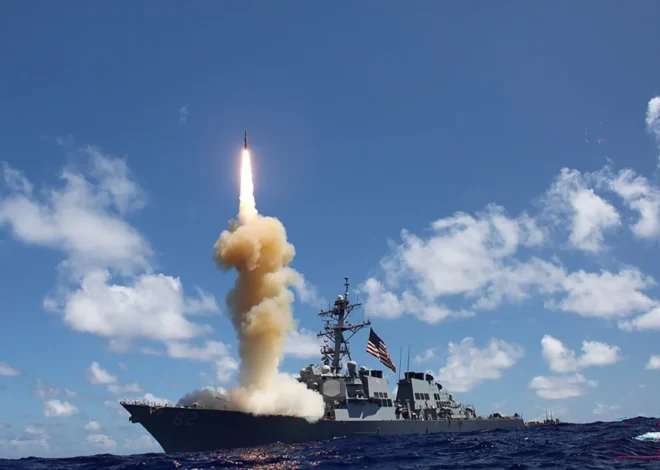
Pentagon Forges Landmark Seven-Year Agreements with Boeing and RTX to Accelerate Standard Missile-3 Production and Stabilize Defense Supply Chains
Boeing Unveils Ultra Low-Cost Seeker to Enhance Missile Inventory and Combat Cost Challenges in Modern Warfare