Almost all of Ceuta migrants have returned to Morocco, Spain says
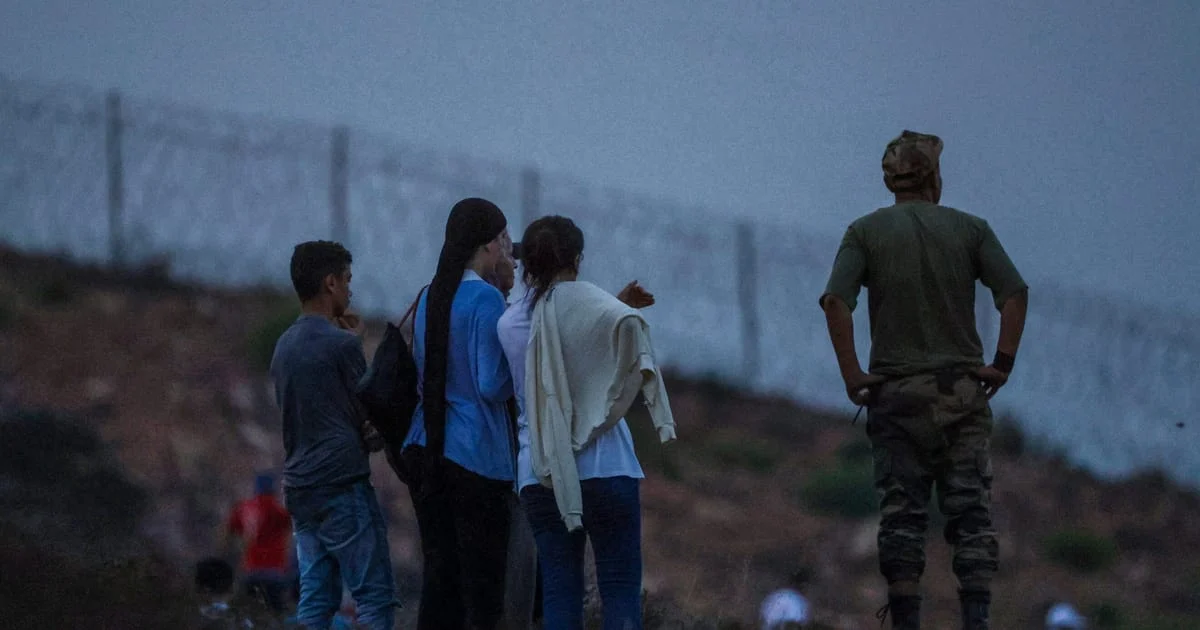
The recent surge of approximately 50,000 migrants into the Spanish autonomous city of Ceuta—a territory bordering northern Morocco—has entered a phase of de-escalation, according to senior Spanish officials. As of the latest reports, over 48,300 individuals have returned to Moroccan territory, signaling a significant reduction in the unprecedented pressure that gripped the enclave earlier this week. The rapid movement of people across the border fence and via maritime routes into the small Spanish territory had prompted an emergency response from Madrid, highlighting the fragile geopolitical relationship between Spain and its North African neighbor.
A Chronology of the Crisis
The crisis unfolded with startling speed, beginning in the early hours of Monday morning. Under the cover of heavy fog and relatively calm sea conditions, thousands of migrants, including hundreds of unaccompanied minors, bypassed border security measures to enter Ceuta. The influx overwhelmed local infrastructure, which is typically equipped to manage far smaller daily crossings. By Tuesday, the scale of the arrival had reached a critical threshold, with Spanish authorities reporting that the number of entrants had swelled to nearly 50,000, representing a significant portion of the city’s total population of roughly 85,000.
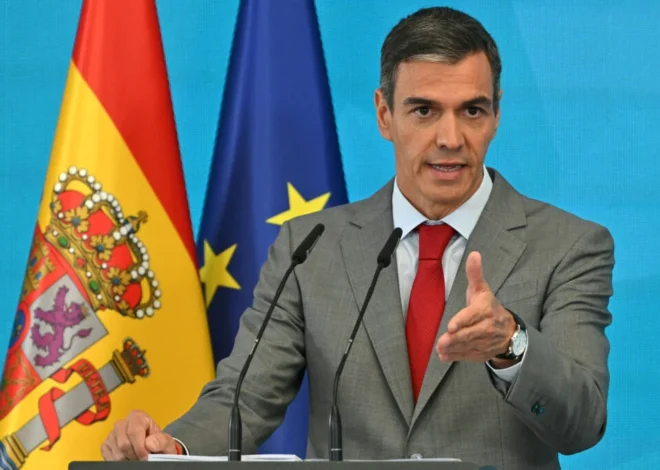
Spanish Prime Minister Pedro Sánchez moved quickly to address the situation, canceling a scheduled trip to Paris to convene an emergency cabinet meeting. By Tuesday afternoon, Spanish security forces, bolstered by reinforcements from the mainland, had successfully managed to stabilize the border perimeter. The process of returning those who crossed began almost immediately, facilitated by coordination between Spanish and Moroccan security services. By Wednesday, the "path back to normality," as described by government spokespersons, was well underway, with the majority of the migrants either having been returned or having chosen to cross back into Morocco voluntarily.
Context and Geopolitical Tensions
The sudden surge in migration is widely viewed through the lens of heightened diplomatic friction between Madrid and Rabat. The primary catalyst for the diplomatic rift centers on the hospitalization of Brahim Ghali, the leader of the Polisario Front, in a Spanish hospital. The Polisario Front is a Sahrawi nationalist movement seeking the independence of Western Sahara, a territory largely controlled by Morocco.
Morocco, which considers Western Sahara an integral part of its sovereign territory, expressed deep indignation regarding Spain’s decision to provide medical sanctuary to Ghali without prior consultation. The Moroccan Foreign Ministry had previously warned of "consequences" following Spain’s refusal to clarify its stance on the status of Western Sahara. Analysts suggest that the loosening of border controls in Ceuta served as a strategic pressure point, intended to signal Morocco’s dissatisfaction with Spain’s diplomatic maneuvers.
Furthermore, the Spanish government official noted that a recent ruling by a Spanish court may have contributed to the perception of vulnerability at the border. The court ruling restricted the use of "hot returns" (devoluciones en caliente)—an immediate-return procedure that allows border agents to quickly send migrants back across the fence. The perception that legal avenues for immediate expulsion were being curtailed may have encouraged a larger number of individuals to attempt the crossing, believing their chances of remaining in Spanish territory had improved.
Supporting Data and Migratory Patterns
Ceuta, along with Melilla—Spain’s other North African exclave—represents the only land border between the European Union and the African continent. These territories have historically served as a focal point for irregular migration. According to data from the Spanish Ministry of the Interior, Ceuta typically processes a few dozen arrivals per week. The surge of 50,000 individuals in under 48 hours is statistically anomalous, representing an influx equivalent to more than half of the city’s entire population.
While the European Commission has stated that there have been "no onward movements" toward the European continent or other member states, the incident has reignited debates within the European Union regarding the Schengen Area’s external borders. Data from Frontex, the EU’s border and coast guard agency, indicates that migratory pressure along the Western Mediterranean route has been fluctuating, but the events in Ceuta underscore the susceptibility of border zones to political volatility. The return of 48,300 individuals serves as a testament to the speed of the repatriation efforts, though human rights organizations have raised concerns regarding the treatment of minors during the chaotic processing period.
Official Responses and International Reaction
The European Union has extended its full support to Spain throughout the crisis. European Commission President Ursula von der Leyen issued a statement on Tuesday affirming that "Ceuta is Europe," and that the EU stands in "solidarity" with Spain. The Commission emphasized that maintaining the integrity of the external border is a collective responsibility and that it expects Morocco to prevent irregular migration from its territory.
In contrast, the Moroccan government has remained relatively circumspect regarding the direct cause of the border surge, emphasizing its own security challenges. However, the international community has watched the situation closely, with the United States and various European capitals urging both nations to engage in bilateral dialogue to resolve their underlying diplomatic differences. The incident has also forced a renewed conversation within Spain regarding the legal framework for managing its North African borders, balancing humanitarian obligations with the necessity of maintaining territorial security.
Broader Impact and Future Implications
The events in Ceuta carry significant implications for future EU-Morocco relations. Morocco has long been a key partner for the European Union in curbing irregular migration, often acting as a gatekeeper that receives significant financial and logistical support from Brussels to manage border surveillance. The realization that this gatekeeping role can be leveraged as a diplomatic instrument creates a precarious dynamic for European policymakers.
For Spain, the immediate challenge is to de-escalate the crisis without conceding its sovereign stance on the Western Sahara issue. Analysts predict that the incident will lead to a re-evaluation of the "hot return" policies and may prompt the Spanish government to increase its permanent security footprint in Ceuta and Melilla. There is also a risk that the political fallout could impact broader economic and security cooperation between the two nations, including counter-terrorism efforts and trade agreements.
Furthermore, the humanitarian dimension remains a point of contention. The presence of a large number of unaccompanied minors in the surge has drawn criticism from non-governmental organizations, which argue that international law, specifically the UN Convention on the Rights of the Child, mandates specific protections that were difficult to uphold during the mass arrival. As the situation returns to normal, the focus is expected to shift toward the legal status of those who remain and the long-term diplomatic strategy required to ensure the border remains stable.
In conclusion, while the immediate physical crisis in Ceuta has been largely mitigated, the underlying geopolitical tensions remain unresolved. The incident serves as a stark reminder of the vulnerability of border territories to diplomatic disputes and the complex interplay between national sovereignty, international law, and regional security. As Madrid and Rabat move toward a period of potential reconciliation, the events of this week will likely serve as a case study for the fragility of the EU’s southern frontier.

Related Posts

Stormont’s pleas for more Treasury billions overshadow Northern Ireland Secretary Chris Bryant’s first day on the ground

Wer regiert die Welt und was treibt sie an? Die Analyse der globalen Machtstrukturen und ihrer Protagonisten