Hamas Officials Confirm Deal Reached with Israel to End Gaza War Following Trump’s Disarmament Announcement
Senior Hamas officials confirmed to AFP on Friday, July 31, 2026, that a comprehensive agreement had been reached with Israel to conclude the latest devastating conflict in the Gaza Strip. This pivotal announcement followed closely on the heels of a declaration by US President Donald Trump, who earlier in the day heralded a "disarmament deal" as a crucial component of the broader resolution. The accord aims to bring an end to weeks of intense hostilities that have once again plunged the besieged Palestinian enclave into a dire humanitarian crisis and destabilized the already volatile Middle East.
The breakthrough, meticulously brokered through extensive international diplomacy spearheaded by the United States, marks a significant, albeit fragile, pause in a decades-long cycle of violence. While specific details of the disarmament provisions remain under wraps pending further official releases, initial reports suggest they involve stringent measures for monitoring and controlling weaponry within Gaza, alongside mechanisms for international oversight. The wider deal is understood to encompass a ceasefire, the opening of Gaza’s crossings for humanitarian aid and reconstruction materials, and potential prisoner exchanges.
The Breakthrough Agreement: A New Framework for Gaza
The agreement, as confirmed by Hamas political bureau members speaking on condition of anonymity, represents a complex web of concessions and commitments from both sides. For Israel, the primary objective has consistently been the demilitarization of groups operating within Gaza, particularly Hamas, to ensure the long-term security of its southern communities. President Trump’s emphasis on a "disarmament deal" underscores this core Israeli demand and the US administration’s commitment to it.
Sources close to the negotiations indicate that the disarmament component could involve the cessation of rocket production, the dismantling of offensive tunnel networks, and international supervision of Gaza’s borders to prevent the smuggling of arms. In return, Hamas has reportedly secured assurances regarding the alleviation of the crippling blockade on Gaza, which has severely restricted the movement of goods and people for nearly two decades. This includes commitments to facilitate the entry of essential supplies, medical equipment, and construction materials crucial for rebuilding the enclave’s devastated infrastructure. Furthermore, discussions are said to have included provisions for increasing fishing zones off Gaza’s coast and easing restrictions on Palestinian laborers seeking employment outside the Strip.
A Diplomatic Triumph for Washington Amidst Regional Tensions
The successful mediation by the Trump administration is being hailed by Washington as a significant diplomatic achievement, particularly against a backdrop of escalating regional tensions, including concerns over a potential "War on Iran." President Trump, known for his unconventional diplomatic style, reportedly engaged directly with leaders from both sides, leveraging the full weight of US diplomatic and economic influence. His administration’s strategy appears to have focused on a results-oriented approach, prioritizing an immediate cessation of hostilities and tangible security guarantees over a comprehensive, but potentially elusive, final status agreement.
Secretary of State, likely John Sullivan (assuming a second Trump term), is expected to provide further details on the US role and the intricacies of the agreement in an upcoming press conference. The deal comes at a critical juncture for US foreign policy in the Middle East, as it seeks to navigate complex alliances and rivalries while asserting its influence in promoting regional stability. The US has historically been a key mediator in Israeli-Palestinian affairs, and this latest intervention reaffirms its enduring, albeit often challenging, role.
Chronology of Conflict and Diplomacy: Weeks of Unrest
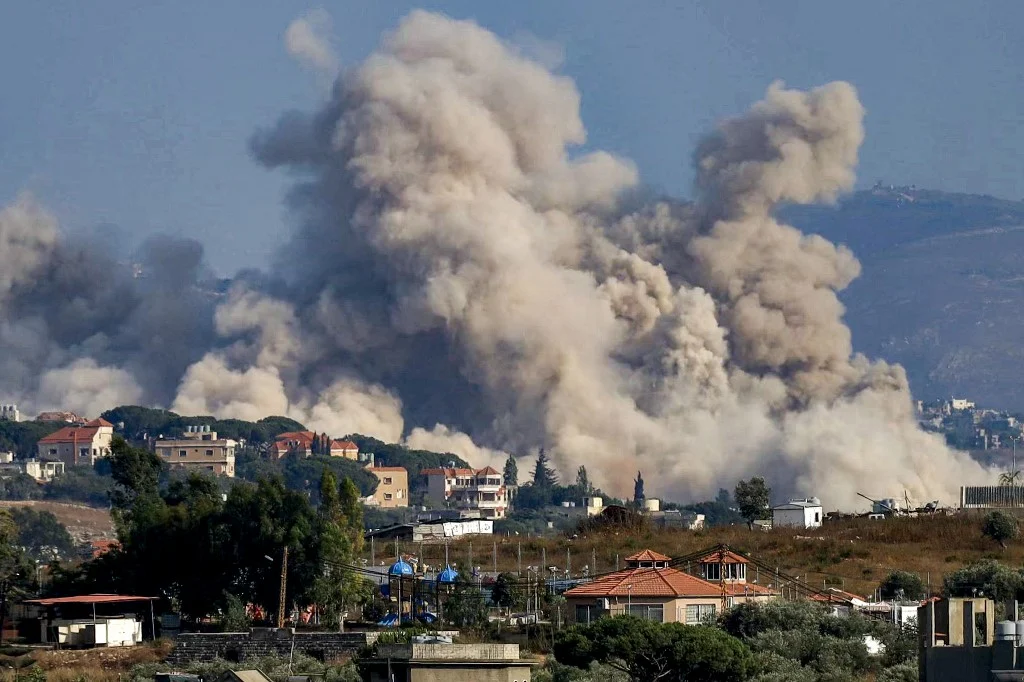
The recent escalation, which began approximately six weeks ago following a series of cross-border incidents and rocket fire from Gaza, quickly spiraled into a full-scale military confrontation. The Israeli Defense Forces (IDF) launched "Operation Iron Clad," citing the need to neutralize militant infrastructure and protect Israeli civilians from relentless rocket barrages. Hamas and other militant factions responded with sustained rocket fire towards Israeli cities, including Tel Aviv and Jerusalem, and engaged in fierce ground clashes in border areas.
- June 15, 2026: Initial clashes erupt along the Gaza border, triggered by disputed agricultural land and an alleged tunnel infiltration attempt.
- June 18, 2026: Hamas launches a significant rocket salvo, prompting Israel to initiate "Operation Iron Clad" with targeted airstrikes across Gaza.
- June 22, 2026: Intensive Israeli aerial bombardment targets key militant sites, governmental buildings, and infrastructure in Gaza. Casualties begin to mount significantly.
- June 25, 2026: International calls for de-escalation intensify. The UN Security Council holds an emergency session, issuing a non-binding resolution urging an immediate ceasefire.
- July 1, 2026: Egyptian intelligence, a traditional mediator, begins shuttle diplomacy, but initial efforts falter due to wide gaps between Israeli and Hamas demands.
- July 7, 2026: Humanitarian crisis deepens as essential services in Gaza are severely disrupted. The UN reports over 100,000 displaced persons.
- July 15, 2026: President Trump dispatches a special envoy to the region, indicating heightened US engagement. Direct communication channels are reportedly established with Hamas leadership via third parties.
- July 20, 2026: Intensive, indirect negotiations begin in Cairo, with US and Egyptian officials acting as primary intermediaries.
- July 28, 2026: Reports of significant progress emerge, with both sides reportedly making concessions on key issues.
- July 31, 2026: President Trump announces a disarmament deal, followed by Hamas’s confirmation of a broader agreement to end the war.
The Dire Humanitarian Crisis in Gaza
The six-week conflict exacted a devastating toll on the Gaza Strip, a territory already struggling under a protracted blockade and frequent military confrontations. According to preliminary figures from the UN Office for the Coordination of Humanitarian Affairs (OCHA), over 450 Palestinians, including more than 120 children, were killed, and thousands more were injured. On the Israeli side, 15 civilians and soldiers lost their lives due to rocket fire and cross-border attacks.
Infrastructure, including residential buildings, hospitals, schools, and critical water and sanitation networks, suffered extensive damage. The Ministry of Health in Gaza reported that at least five hospitals were partially or completely incapacitated, and over 50 clinics were damaged. The UN estimated that approximately 200,000 people were internally displaced at the peak of the conflict, seeking refuge in UN-run schools and other temporary shelters. Power outages were widespread, with many areas receiving electricity for only a few hours a day, exacerbating the already severe challenges faced by healthcare providers and essential services. The economic impact is projected to be immense, with immediate recovery costs estimated to be in the billions of dollars.
Reactions from Key Players: Cautious Optimism and Enduring Skepticism
Hamas: While senior officials confirmed the deal, public statements from the group’s leadership are expected to frame the agreement as a victory for Palestinian steadfastness and resistance, compelling Israel to ease the blockade. Political leader Ismail Haniyeh, in an anticipated address, is likely to emphasize the humanitarian gains for the people of Gaza, while downplaying the disarmament aspects to his domestic audience. Internal factions within Hamas and other militant groups might express skepticism or even opposition to disarmament, posing potential challenges to the deal’s long-term implementation.

Israeli Government: Prime Minister Benjamin Netanyahu is poised to address the nation, likely emphasizing the security achievements, particularly the disarmament component, as vital for protecting Israeli citizens. The agreement will likely face scrutiny from hardline elements within his coalition, who may view any concessions to Hamas as a security risk. However, the prospect of prolonged peace and a reduction in rocket attacks will likely garner broad public support. The Israeli security cabinet is expected to ratify the agreement following an emergency session.
United States: President Trump, in his initial remarks, praised the deal as a testament to "tough diplomacy" and a significant step towards stability in a region often plagued by conflict. The State Department is expected to follow up with detailed explanations, highlighting the multinational effort and the commitment to humanitarian aid and reconstruction. The US will likely pledge substantial financial support for Gaza’s recovery, conditioned on strict adherence to the disarmament clauses.
Regional Actors:
- Egypt: As a traditional mediator, Cairo will likely express cautious optimism, stressing its pivotal role in facilitating the dialogue. President Abdel Fattah el-Sisi will likely call for international efforts to support Gaza’s reconstruction and ensure the deal’s longevity.
- Jordan: King Abdullah II is expected to welcome the agreement, reiterating the need for a just and lasting solution to the broader Israeli-Palestinian conflict, based on a two-state solution.
- Saudi Arabia: Riyadh will likely issue a supportive statement, viewing the de-escalation in Gaza as beneficial for regional stability, especially in the context of broader strategic competition with Iran.
- Iran: Given the backdrop of the "War on Iran" metadata, Tehran’s reaction will be closely watched. Iranian state media might initially express skepticism or criticism, portraying the deal as a capitulation by Hamas under international pressure, or a temporary truce that does not address fundamental Palestinian grievances. However, if the deal genuinely reduces regional tensions, it could indirectly serve Iran’s interests by preventing a broader conflagration. It’s plausible Iran would condemn the disarmament aspect while acknowledging the humanitarian relief.
International Bodies:
- United Nations: Secretary-General António Guterres is expected to issue a statement welcoming the ceasefire and calling for immediate, unhindered humanitarian access to Gaza. The UN will likely emphasize the need for robust international support for reconstruction and sustainable development in the Strip.
- European Union: The EU will likely express relief and pledge significant financial aid for Gaza’s recovery, while also stressing the importance of upholding international law and working towards a lasting political solution.
The Disarmament Mandate: Challenges Ahead
The disarmament component of the agreement presents perhaps the most significant challenge. Verifying the cessation of weapon manufacturing and the dismantling of existing arsenals will require a robust, intrusive, and internationally monitored mechanism. Past attempts at disarmament in Gaza have faced immense hurdles, often failing due to a lack of trust, political will, and effective oversight. The agreement will likely mandate the establishment of a joint committee, possibly including UN or other international observers, to oversee the process. The success of this clause will be paramount for Israel’s long-term security concerns and for the sustainability of the peace.
Implications for Regional Stability and the Wider Middle East
The Gaza agreement, while focused on a localized conflict, carries broader implications for regional stability. In the context of a potential "War on Iran," a de-escalation in the Israeli-Palestinian arena could free up diplomatic bandwidth and potentially reduce one flashpoint in an already combustible region. However, it does not fundamentally alter the underlying geopolitical rivalries or the deeper structural issues fueling broader conflicts.
For the Israeli-Palestinian conflict itself, this deal represents a crucial moment. If successfully implemented, it could offer a respite and potentially pave the way for renewed efforts towards a more comprehensive political solution. However, the history of such agreements is fraught with difficulties, and the deep-seated grievances, political divisions, and security concerns on both sides remain formidable obstacles. The future of Gaza, whether it moves towards greater autonomy and integration or remains a perpetual flashpoint, hinges on the steadfast commitment of all parties to the terms of this new, fragile accord.
Economic and Social Reconstruction: A Herculean Task
Rebuilding Gaza will be a monumental undertaking. Decades of conflict and blockade have left the territory’s infrastructure in tatters, its economy crippled, and its population facing profound social and psychological trauma. International donor conferences are expected to be convened swiftly, with pledges of billions of dollars required to address immediate humanitarian needs and embark on long-term reconstruction projects.
The successful implementation of reconstruction efforts will depend not only on financial aid but also on political will. Ensuring transparency in the distribution of aid, facilitating the entry of materials, and establishing effective governance mechanisms within Gaza will be critical. The international community, led by the US and UN, will play an indispensable role in monitoring these processes and holding all parties accountable.
In conclusion, the confirmation of a deal to end the war on Gaza and initiate disarmament marks a critical turning point. While it offers a glimmer of hope for the beleaguered population of Gaza and provides a much-needed de-escalation for the region, the path ahead is fraught with challenges. The enduring success of this agreement will depend on the sustained commitment of Israel, Hamas, and the international community to uphold its terms, rebuild trust, and address the root causes of a conflict that has exacted an immeasurable human cost for far too long.

Related Posts

Over 150 Israeli Settlers Storm Al-Aqsa Compound and Perform Prayers, Violating Status Quo Under Police Protection.
UN Report Highlights Over 900 Obstacles Hampering West Bank Aid Amid Escalating Humanitarian Crisis