Así está la Tabla Anual del fútbol argentino, con las clasificaciones a las copas
The intricate landscape of Argentine football’s top flight is currently being shaped by the Annual Standings of the Primera División, a crucial metric that determines not only the fate of two clubs facing relegation to the Primera Nacional but also, and of significant interest to fans and clubs alike, the allocation of nine coveted berths to the prestigious continental competitions of the 2027 season: the Copa Libertadores and the Copa Sudamericana. This complex qualification system, a blend of league performance, tournament victories, and existing continental participation, is generating intense strategic maneuvering and passionate debate across the nation’s footballing community.
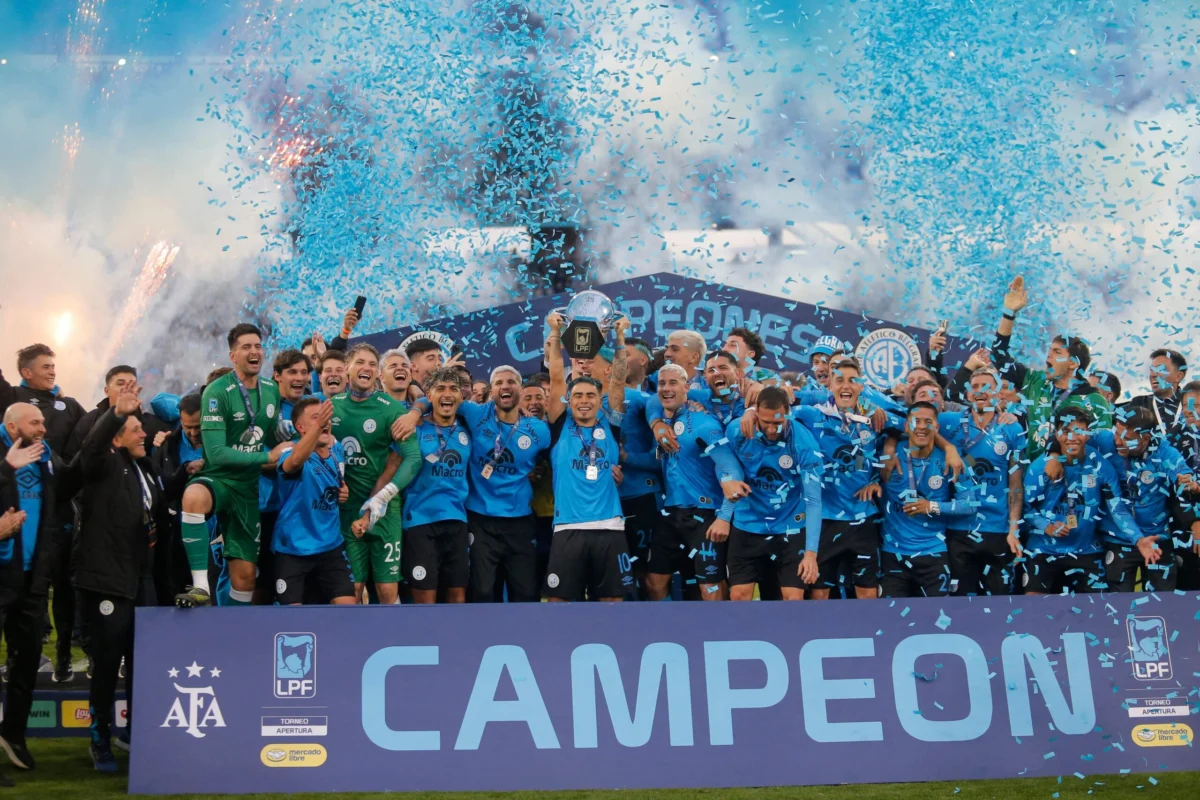
At the forefront of guaranteed continental qualification for the upcoming season is Belgrano de Córdoba. The club has already secured its place in the 2027 Copa Libertadores by virtue of being crowned champion of the 2026 Torneo Apertura. This triumph signifies a significant achievement for Belgrano, marking their return to the pinnacle of South American club football. The championship in the Apertura is one of three direct routes to the Libertadores, with the victors of the subsequent Torneo Clausura and the Copa Argentina also earning automatic qualification. This tiered approach to continental access underscores the multifaceted nature of success sought by Argentine clubs each season, where both league dominance and knockout tournament prowess are equally rewarded.
Beyond these direct qualification pathways, the remaining three spots for the 2027 Copa Libertadores are fiercely contested through the cumulative performance in the Apertura and Clausura tournaments. The top three teams in this aggregated league table, which combines points earned across both halves of the domestic season, will secure their passage to South America’s premier club competition. As of the latest standings, Independiente Rivadavia and Argentinos Juniors currently occupy these coveted positions with 35 points each. Close behind them is Estudiantes de La Plata, with 31 points. The traditional powerhouse from La Plata shares the same point total as Vélez Sarsfield, but holds an advantage in goal difference (+10 for Estudiantes versus +7 for Vélez), a tie-breaking criterion that can prove decisive in such closely fought races.
The pursuit of continental glory does not end with the Libertadores. The next tier of prestigious tournaments, the Copa Sudamericana, also offers significant opportunities for a wider array of clubs. The six clubs that finish immediately below the Libertadores qualifiers in the aggregated league standings will earn berths in the 2027 Copa Sudamericana. This segment of the table is also subject to intense competition. Currently, Vélez Sarsfield (30 points), Boca Juniors (30 points), River Plate (29 points), Rosario Central (29 points), and Gimnasia de La Plata (29 points) are positioned to secure these spots. Following closely is Independiente (27 points). The historic club from Avellaneda is currently level on points with Lanús and Barracas Central. However, Independiente’s superior goal difference (+6) places them ahead of Lanús (+4) and Barracas Central (+2). Gimnasia de La Plata, a club with a rich history, recently propelled itself into a qualifying position with a crucial 1-0 victory over River Plate on Wednesday, highlighting the dynamic nature of these standings and the constant flux that characterizes the latter stages of the season.
A critical nuance within this qualification framework is the provision for clubs that achieve continental berths through tournament victories. If a club wins the Apertura, Clausura, or Copa Argentina and subsequently finishes the season within the qualifying positions for continental competitions based on the Annual Standings, they effectively "liberate" their spot. This freed-up position then cascades down the Annual Standings, offering an additional opportunity to a team further down the table. For instance, Belgrano, currently seventh in the Annual Standings, is guaranteed a Libertadores spot as Apertura champions. Should they maintain a position within the top continental qualifying ranks by the season’s end, their existing spot in the Annual Standings would be reallocated, likely to a Sudamericana contender. This mechanism ensures that more clubs have a tangible chance to participate in international tournaments, even if their primary qualification route is through cup success.
The implications of existing continental participation in the current 2026 season also significantly influence the 2027 qualification picture. If clubs like Independiente Rivadavia, Estudiantes de La Plata, Platense, or Rosario Central were to win the 2026 Copa Libertadores and also finish among the top three in their respective domestic league segments (Apertura and Clausura), their Libertadores victory would secure them a spot in the 2027 edition, and their league performance would ensure they also qualify via the aggregated standings. This scenario would create a ripple effect, potentially freeing up more spots in the Annual Standings for other clubs. Similarly, if Boca Juniors, Lanús, Tigre, or River Plate were to conquer the 2026 Copa Sudamericana and, by virtue of that victory, also qualify for the 2027 Copa Libertadores, and additionally finish in the top three of the domestic general classification for the year, they would again secure two distinct pathways to continental football. The specifics of how these overlapping qualifications are managed are crucial for understanding the ultimate distribution of the nine available slots.
The current landscape of Argentine participation in the 2026 continental tournaments provides vital context for these future qualifications. In the 2026 Copa Libertadores, six Argentine clubs were initially involved. Of these, Independiente Rivadavia, Estudiantes de La Plata, Platense, and Rosario Central have advanced to the Round of 16, demonstrating their continued strength on the continental stage. Meanwhile, Boca Juniors and Lanús, after finishing third in their respective Libertadores group stages, have been rerouted to the Copa Sudamericana, highlighting the competitive nature of the Libertadores and the secondary opportunities it presents.
In the 2026 Copa Sudamericana, the aforementioned Boca Juniors and Lanús are currently competing in the Round of 32. They are joined by Tigre, who is also in the playoff stage, and River Plate, who awaits their opponent in the Round of 16. The continued presence of these prominent clubs in both major South American competitions underscores their ambition and capability to compete internationally. Conversely, clubs such as Deportivo Riestra, San Lorenzo, Racing Club, and Barracas Central were eliminated in the initial stages of their respective continental campaigns, indicating the challenges faced by some in achieving sustained success at this level. The performance of these clubs in their current continental endeavors will undoubtedly have a bearing on their domestic league form and their ultimate standing in the Annual Standings, thus indirectly influencing the 2027 qualification picture.
The strategic implications of these interwoven qualification pathways are profound. Clubs are not only focused on their immediate league results but are also meticulously calculating their standing in the aggregated table, their potential for cup success, and the outcomes of their continental rivals. This multifaceted approach adds a layer of strategic depth to the season, transforming every match into a potential stepping stone towards continental glory or a painful missed opportunity. The financial and prestige benefits associated with participating in the Copa Libertadores and Copa Sudamericana are immense, driving clubs to invest heavily in their squads and tactical preparations. The Annual Standings, therefore, represent far more than just a league table; they are a roadmap to international recognition and a testament to a club’s sustained excellence throughout the entire domestic season. As the season progresses, the intensity surrounding the Annual Standings is set to escalate, with every point gained or lost carrying significant weight in the pursuit of South American football’s most coveted prizes. The final permutations will likely remain in flux until the very last matchday, ensuring a dramatic and captivating conclusion to the Argentine football season.

Related Posts
The Electric Vehicle Battery Health Debate Emerges as Argentina’s EV Market Accelerates

President Donald Trump Confirms Secret Departure from Turkey Amidst Assassination Threat