The Lingering Scars of the Pandemic: MSNBC Reflects on Contentious Fauci Senate Hearing and the Weight of History
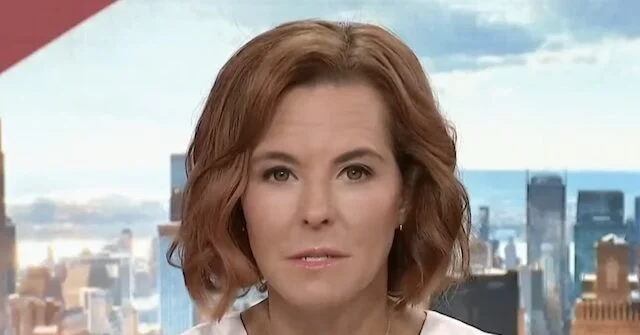
Wednesday on MS NOW’s “Money, Power, Politics,” host Stephanie Ruhle expressed profound heartbreak following a recent Senate hearing featuring former White House chief medical adviser Dr. Anthony Fauci. The segment underscored a growing national tension between the desire for accountability regarding the COVID-19 pandemic response and the emotional burden of relitigating a period marked by unprecedented loss and societal disruption. This televised reaction highlights the deep divisions that persist in how the United States grapples with its recent history, particularly concerning public health measures and the leadership that guided them.
Background to the Hearing and Dr. Fauci’s Enduring Role
Dr. Anthony Fauci, who served as the director of the National Institute of Allergy and Infectious Diseases (NIAID) for 38 years and as the chief medical adviser to seven U.S. presidents, became a central and often polarizing figure during the COVID-19 pandemic. His tenure, which concluded with his retirement from government service in December 2022, placed him at the forefront of the nation’s scientific and public health response to a novel pathogen. Throughout 2020 and 2021, Fauci was a ubiquitous presence, offering scientific guidance, explaining evolving understanding of the virus, and advocating for public health measures such as masking, social distancing, and vaccination.
His prominence, however, also made him a target for criticism, particularly from conservative lawmakers and media figures who questioned the efficacy and economic impact of lockdowns, mask mandates, and vaccine policies. The recent Senate hearing, though not explicitly detailed in its specific committee or full scope in the initial report, is part of an ongoing series of congressional inquiries aimed at reviewing the federal government’s pandemic response. These hearings often seek to scrutinize decision-making processes, the scientific basis for recommendations, and the economic and social consequences of various policies implemented during the crisis. For many Republicans, these inquiries represent a crucial exercise in accountability and transparency, aiming to uncover perceived missteps and ensure better preparedness for future public health emergencies. For others, particularly those who supported Fauci’s approach, these hearings are seen as politically motivated attempts to rewrite history and undermine public health expertise.
MSNBC’s "Money, Power, Politics" Segment: A Raw Emotional Response
The “Money, Power, Politics” segment provided a potent platform for media personalities to articulate their perspectives on the contentious Senate hearing. Stephanie Ruhle, known for her direct and often empathetic approach, conveyed a sense of emotional exhaustion and frustration. Her statement, "It breaks my heart. I can’t believe we’re back here. I can’t believe we’re relitigating this in the way that we are," encapsulates a sentiment shared by many who feel that the continuous political battles over the pandemic prevent collective healing and forward progress. Her reaction suggests a deep weariness with what she perceives as an unproductive rehash of past events, rather than a constructive examination for future improvements.
Network reporter Vaughn Hillyard provided a particularly poignant contribution, grounding the political discourse in the stark reality of personal loss and collective suffering. Hillyard’s assertion, "You can’t revise that history that everybody lived through," directly challenged what he viewed as attempts to distort the past. He underscored this with a deeply personal anecdote: "my grandma, she was in a nursing home at the time. She made it through one round, ended up passing from after getting COVID a later time." This personal testimony serves as a powerful reminder of the individual human tragedies that lie beneath the surface of policy debates.
Hillyard further reinforced the scale of the crisis, stating, "there’s a reality that more than a million people died. You can’t revise history for people in that way." This statistic, representing the official U.S. death toll from COVID-19, provides a factual anchor for his emotional argument. He characterized the questioning from some Republican senators as exhibiting "a certain level of arrogance," arguing that their attempts to hold Dr. Fauci accountable run "counter to what they are trying to hold him seemingly accountable for now" given the lived experiences of people in their own families and communities. This suggests a disconnect between the political rhetoric and the tangible, devastating impact the pandemic had on American families, regardless of political affiliation.
Ruhle’s interaction with another panelist, Dr. Vin Gupta, further highlighted this emotional resonance. Addressing Dr. Gupta, a pulmonologist and critical care physician who frequently appeared on news programs to explain medical developments during the pandemic, Ruhle said, "Just seeing your face this morning, Vin, it takes me back… I’m thankful you were with us for all of those days during COVID." This exchange points to the critical role that medical experts like Dr. Gupta played in communicating complex scientific information to the public during a period of intense uncertainty, and the emotional bond forged through that shared experience.
A Brief Chronology of the COVID-19 Pandemic and Fauci’s Engagement
The timeline of the COVID-19 pandemic reveals the unprecedented challenges faced by public health officials like Dr. Fauci:
- January 2020: The first U.S. case of COVID-19 is confirmed. Dr. Fauci quickly emerges as a key voice, providing scientific briefings alongside political leaders.
- February-March 2020: As the virus spreads, Fauci begins advocating for social distancing, mask-wearing, and eventually, widespread lockdowns to "flatten the curve" and prevent healthcare systems from being overwhelmed. His initial guidance, based on evolving scientific understanding, sometimes shifted, leading to later criticism.
- Summer 2020: Mask mandates become a major point of contention. Fauci often finds himself defending public health measures against political pushback and growing public fatigue. Operation Warp Speed accelerates vaccine development.
- December 2020: The first COVID-19 vaccines receive Emergency Use Authorization. Fauci champions vaccination as the primary tool to end the pandemic.
- 2021: The emergence of new variants (Alpha, Delta, Omicron) leads to new waves of infections, hospitalizations, and deaths. Debates over vaccine mandates, booster shots, and school closures intensify. Fauci continues to advocate for adaptive public health strategies based on the latest scientific data. He faces increasing threats and personal attacks.
- 2022: As vaccines become widely available and treatment options improve, the pandemic shifts to an endemic phase. Fauci announces his retirement, reflecting on his long career and the immense challenges of the pandemic.
- Post-Retirement (2023-2024): Despite his retirement, Dr. Fauci remains a subject of intense congressional scrutiny, with multiple hearings and investigations launched to review the pandemic response, the origins of the virus, and the efficacy of various policies.
Supporting Data: The Profound Impact of COVID-19
Vaughn Hillyard’s mention of "more than a million people died" is a critical data point that underscores the severity of the pandemic in the United States. According to the Centers for Disease Control and Prevention (CDC) and other public health bodies, the U.S. death toll from COVID-19 has surpassed 1.1 million, making it one of the deadliest events in modern American history. Globally, the World Health Organization (WHO) estimates that the actual death toll from COVID-19, including excess deaths attributable to the pandemic, could be as high as 15 million.
Beyond mortality, the pandemic inflicted widespread damage:
- Economic Impact: The initial lockdowns in 2020 led to the sharpest economic contraction in U.S. history, with millions losing jobs. While government stimulus packages mitigated some of the immediate damage, supply chain disruptions, inflationary pressures, and shifts in consumer behavior created lasting economic challenges. The Congressional Budget Office (CBO) estimated that the pandemic could reduce U.S. GDP by trillions of dollars over the long term.
- Healthcare System Strain: Hospitals and healthcare workers were pushed to their limits, facing overwhelming surges of critically ill patients, shortages of personal protective equipment (PPE), and immense emotional and physical burnout. This strain highlighted vulnerabilities in the healthcare infrastructure and exacerbated existing health disparities.
- Social and Mental Health Impact: School closures led to significant learning loss and exacerbated mental health issues among children and adolescents. Adults also experienced increased rates of anxiety, depression, and substance abuse. The isolation and uncertainty of the pandemic created a collective trauma that continues to manifest in various social challenges.
- Long COVID: Millions of individuals continue to suffer from "Long COVID," a condition characterized by persistent symptoms long after the initial infection, impacting productivity, quality of life, and placing an ongoing burden on healthcare systems.
These statistics and impacts provide the sobering context against which the current political debates are unfolding. For many, the desire to hold officials accountable is intertwined with the very real and continuing pain of these consequences.
Inferred Reactions and Broader Implications
While the original article focuses on the MSNBC panel’s reactions, it’s possible to infer the perspectives of other stakeholders:
- Congressional Republicans: Their likely stated rationale for these hearings is to ensure accountability for perceived government overreach, economic damage from lockdowns, and to investigate the origins of the virus, particularly the "lab leak" theory. They often frame their questions as essential oversight, aiming to prevent similar crises in the future and to protect individual liberties. They might argue that a robust examination of Fauci’s advice is necessary to fully understand the pandemic’s trajectory.
- The Public Health Community: Many public health experts and scientists would likely defend Dr. Fauci, emphasizing the unprecedented nature of the pandemic, the rapid evolution of scientific understanding, and the difficult trade-offs that had to be made. They might argue that constant second-guessing of scientific advice undermines public trust in future health crises and that focusing on perceived past errors distracts from the need for robust, evidence-based public health infrastructure.
- Families of COVID-19 Victims: Echoing Vaughn Hillyard, many families who lost loved ones might find these hearings painful and frustrating, especially if they perceive them as minimizing the virus’s severity or politicizing their grief. Their primary concern might be to ensure that the human cost is not forgotten and that lessons are learned to prevent future tragedies.
- Former Administration Officials: Depending on their affiliation, former officials might either defend the actions taken during their tenure, offer alternative perspectives on specific decisions, or highlight the immense pressure under which decisions were made.
The implications of these ongoing debates are multifaceted. Politically, they reinforce the deep partisan chasm that emerged during the pandemic, making it challenging to forge bipartisan consensus on future public health policy. The figure of Dr. Fauci has become a symbol in this cultural war, rather than solely a scientific advisor.
Historically, the tension between "revising history" and seeking accountability is crucial. While a thorough review of the pandemic response is vital for learning, the manner in which it is conducted can either foster understanding or entrench division. The risk is that legitimate historical inquiry becomes conflated with politically motivated attacks, potentially undermining the public’s ability to trust institutions and experts in future crises.
For future pandemic preparedness, these hearings highlight the critical need for clearer communication strategies, robust scientific infrastructure, and a more unified national response that transcends political divides. The challenge lies in extracting genuine lessons without succumbing to the temptation of scapegoating or rewriting the narrative to fit pre-existing political agendas. The raw emotion displayed on MSNBC reflects the difficulty of achieving this reconciliation, as the nation continues to grapple with the profound and lasting impact of a shared, yet intensely personalized, trauma. The ongoing "relitigation" serves as a stark reminder that for millions, the pandemic is not merely a historical event, but a living wound that continues to shape their lives and perspectives.

Related Posts
Democratic Candidates Must Moderate to Win General Elections, Says Rep. Greg Stanton
Lisa Demuth Secures Republican Gubernatorial Nomination in Minnesota, Defeating Trump-Endorsed Mike Lindell