Nigerian Navy Intercepts Oil Tanker Carrying Stolen Crude Worth Over N660 Million in Major Maritime Security Operation
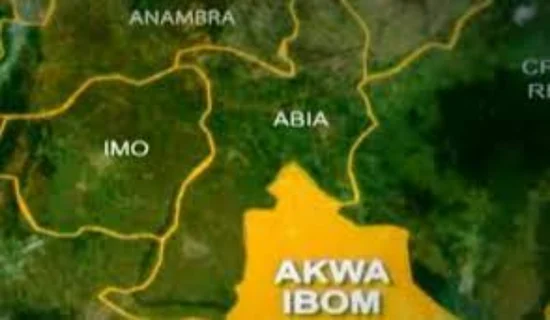
In a significant blow to the criminal syndicates plaguing Nigeria’s oil sector, the Nigerian Navy has successfully intercepted an oil tanker allegedly laden with stolen crude oil valued at over N660 million. The operation, conducted under the auspices of the Eastern Naval Command’s Operation Delta Sentinel, resulted in the apprehension of 12 crew members and the detention of the vessel, MT FILIA (IMO No. 8662684). This high-stakes maritime interdiction, which took place on July 23, 2026, off the coast of Akwa Ibom State, underscores the escalating intensity of the military’s campaign to secure the nation’s critical oil infrastructure against systematic economic sabotage.
The seizure of the vessel, which flies the flag of São Tomé and Príncipe, represents a tactical success in the ongoing, technology-driven surveillance efforts of the Nigerian Navy. As the nation grapples with the persistent threat of crude oil theft—a phenomenon that has historically stifled national revenue and destabilized the downstream sector—this latest development serves as a litmus test for the effectiveness of Operation Delta Sentinel, an initiative spearheaded by the Chief of the Naval Staff, Vice Admiral Idi Abbas.
Chronology of the Interception
The events leading to the arrest of the MT FILIA were characterized by methodical surveillance and rapid tactical deployment. According to official reports provided by the Eastern Naval Command, the vessel had been under the watchful eyes of naval intelligence assets for several days prior to the interception.
Preliminary investigations indicate that the tanker had been loitering in the vicinity of an offshore oil terminal in Akwa Ibom State for over a week. Analysts believe the vessel was waiting for a window of opportunity to bypass security protocols and illicitly access crude oil facilities. The Navy’s maritime domain awareness (MDA) assets, which integrate satellite monitoring and radar surveillance, identified the suspicious loitering pattern, allowing the command to mobilize its patrol units well in advance.
On the morning of July 23, 2026, at approximately 4:00 am, the situation escalated. As the MT FILIA departed the terminal and attempted to navigate toward international waters, a Nigerian Navy patrol boat intercepted the vessel. In a desperate bid to evade capture and destroy evidence of the illicit cargo, the crew allegedly initiated a desperate maneuver, discharging a portion of the stolen crude oil into the sea. This act not only constituted a serious economic crime but also triggered a localized environmental disaster, causing significant maritime pollution in the immediate area.
Following the containment of the vessel, the 12 crew members were detained for questioning. Subsequent investigations and the formal confession provided by the captain of the vessel confirmed that the tanker had successfully loaded approximately 650 metric tonnes of crude oil before the Navy’s intervention.
Strategic Significance of Operation Delta Sentinel
Launched in January 2026, Operation Delta Sentinel was designed to address the multifaceted challenges of the Niger Delta maritime environment. Vice Admiral Idi Abbas introduced the strategy to move beyond conventional patrols toward a more intelligence-led, technology-driven architecture.
The operation focuses on four core pillars:
- Maritime Domain Awareness (MDA): Utilizing real-time data to track vessels with suspicious behavioral patterns.
- Inter-Agency Collaboration: Strengthening the synergy between the Navy, the Nigerian Maritime Administration and Safety Agency (NIMASA), and other security intelligence services.
- Infrastructure Protection: Providing a permanent security presence around vulnerable offshore platforms and pipelines.
- Law Enforcement and Prosecution: Ensuring that captured vessels are not merely seized, but that their crews and sponsors are processed through the judicial system to act as a deterrent.
Commodore AA Umar, the command operations officer, emphasized that the arrest of MT FILIA validates the efficacy of these pillars. By utilizing technology to detect the vessel’s prolonged presence at the terminal, the Navy was able to act with precision, preventing a larger-scale theft that could have cost the Nigerian economy billions more in lost revenue.
The Economic Context of Crude Oil Theft
The value of the seized crude—pegged at over N660 million—highlights the immense scale of the financial drain caused by illegal bunkering. Crude oil theft in Nigeria is not merely a local security issue; it is a complex, transnational criminal enterprise. These syndicates often employ sophisticated logistics, including large-scale tankers, to move illicit products through the Gulf of Guinea to international black markets.
The loss of 650 metric tonnes from a single vessel represents a significant volume of production that fails to reach the government’s revenue targets. For an economy heavily reliant on oil exports, these losses directly impact the national budget, funding for public services, and the ability of the Nigerian National Petroleum Company Limited (NNPC) to meet its obligations to international partners. Furthermore, the environmental degradation caused by the spillage during the arrest adds a long-term cost to the coastal communities, whose livelihoods depend on unpolluted marine ecosystems.
Official Responses and Judicial Implications
Following the interception, the Eastern Naval Command held a briefing in Calabar to address the media and reaffirm the military’s commitment to maritime security. Commodore AA Umar was firm in his message to those involved in the illicit trade: the Navy is determined to dismantle the networks behind these operations.
"Investigations from our end and the confession by the captain of the team show that the vessel loaded about 650 metric tonnes of crude oil," Umar stated. "A thorough investigation is still ongoing to determine the full circumstances surrounding the alleged theft and identify other individuals connected to the operation."
The Navy has signaled that the MT FILIA and its 12 crew members will be processed according to Nigerian law. This process typically involves a handover to the relevant investigative agencies for formal charging. Legal experts suggest that the use of an international vessel adds a layer of complexity to the prosecution, potentially involving international maritime law and diplomatic notifications to the flag state of São Tomé and Príncipe.
Broader Implications for Maritime Security
The arrest of MT FILIA serves as a potent reminder of the persistent nature of maritime crime in the Gulf of Guinea. While the Navy has recorded significant gains under Operation Delta Sentinel, the incident highlights the need for continued investment in naval assets and regional cooperation.
Impact on Stakeholders
- Oil and Gas Operators: For companies operating in the offshore terminals, the increased presence of the Navy provides a necessary security buffer. However, the incident also highlights the vulnerability of these terminals to sophisticated criminal infiltration.
- Environmental Agencies: The intentional dumping of crude oil during the interception creates a new mandate for environmental cleanup and assessment in the affected waters, potentially necessitating inter-agency involvement from bodies like the National Oil Spill Detection and Response Agency (NOSDRA).
- The International Community: The involvement of a vessel flying a foreign flag underscores the importance of the Yaoundé Architecture—a regional framework designed to promote maritime safety and security in the Gulf of Guinea. Cooperation between coastal states is essential to prevent tankers from using foreign registration to mask illegal activities.
Future Outlook
As the investigation continues, the Nigerian Navy remains in a state of high alert. The command has appealed to the public, stakeholders in the oil sector, and other security agencies to continue providing actionable intelligence. This collaborative approach is viewed as the only viable path to curbing the systemic theft that has plagued the nation’s maritime domain for years.
The Navy’s focus is now shifting toward the "sponsors"—the individuals or entities behind the chartering of the MT FILIA and the financing of the illegal bunkering operation. Breaking the cycle of theft requires identifying not just the crew, but the logistical and financial nodes that make these illegal voyages possible.
In his concluding remarks, Commodore Umar warned that there would be no safe haven for criminals operating within Nigeria’s territorial waters and Exclusive Economic Zone. "The Navy remains determined to bring perpetrators to justice," he stated. "We will continue to safeguard our nation’s maritime resources and protect our critical oil and gas infrastructure from those who seek to undermine our economic stability."
As the legal proceedings against the 12 suspects begin, the case of the MT FILIA will likely become a benchmark for the success of the current naval administration. It stands as a testament to the fact that while the challenges of maritime security are immense, the integration of intelligence, technology, and robust enforcement remains the most effective tool in the state’s arsenal to protect its economic lifeblood.