Saudi Aramco Halts Operations at Abqaiq Facility Following Houthi Attack, Igniting Global Energy Market Fears Amid Broader Regional Conflict
Saudi Arabia’s state-owned oil giant, Aramco, has reportedly suspended operations at its pivotal Abqaiq oil processing and stabilisation facility, a move that sent immediate shockwaves through global energy markets. The cessation of activities follows a significant Houthi drone and missile attack on Monday, July 27, 2026, targeting the vital infrastructure in the Kingdom’s Eastern Province. This latest assault, confirmed through various reports emerging on July 28, occurs amidst an already volatile regional landscape, shadowed by what many observers describe as an escalating "War on Iran" – a complex web of proxy conflicts and heightened tensions across the Middle East.
The Abqaiq facility, often dubbed the "heart" of Saudi Arabia’s oil industry, is the world’s largest crude oil processing plant and a linchpin of global energy supply. Its operational status directly impacts the availability of millions of barrels of crude oil to international markets daily. The news of its suspension immediately triggered a sharp spike in crude oil prices, with Brent futures surging by over 6% in early trading, reflecting profound investor anxiety over supply disruptions. This incident underscores the extreme vulnerability of critical energy infrastructure to asymmetric attacks and highlights the precarious state of security in the Gulf region.
The Abqaiq Incident: A Detailed Account
The Houthi attack on Abqaiq on July 27 was reportedly executed with a combination of drones and cruise missiles, a tactic reminiscent of previous assaults on Saudi oil installations. While Saudi officials have yet to release a full damage assessment or officially confirm the operational halt, credible reports from intelligence sources and industry insiders indicated that Aramco made the decision to suspend operations as a precautionary measure and to assess the full extent of the damage. The sheer scale and strategic importance of Abqaiq necessitate a thorough review before resuming full capacity, even if initial damage is contained. The facility processes approximately 70% of Saudi Arabian crude oil, transforming sour crude into sweet crude suitable for export and refining. It also has a significant gas processing capacity. Any prolonged disruption at Abqaiq would severely curtail Saudi Arabia’s ability to meet its export commitments, potentially leading to a global supply deficit.
Initial reports suggest that the attack targeted multiple points within the vast complex, aiming to maximise disruption. Emergency response teams were reportedly deployed immediately to contain any fires and mitigate further damage. The precise number of projectiles that struck the facility, and whether they were successfully intercepted by Saudi air defences, remains under investigation. However, the decision to suspend operations suggests a level of impact that warranted a complete shutdown, rather than a partial or localised one.
Abqaiq’s Critical Role in Global Energy
The Abqaiq facility, located roughly 60 kilometres (37 miles) southwest of the Dhahran Aramco headquarters, plays an indispensable role in Saudi Arabia’s oil production chain. It acts as a central hub for processing crude from several of the Kingdom’s largest oilfields, including Ghawar, the world’s largest conventional oilfield. Here, hydrogen sulphide is removed from crude oil, and natural gas liquids (NGLs) are separated, stabilising the crude for transport and refining. Its daily processing capacity can exceed 7 million barrels of crude oil.
The plant’s strategic significance was starkly demonstrated in September 2019 when a similar Houthi attack temporarily knocked out half of Saudi Arabia’s oil production, amounting to about 5.7 million barrels per day, or roughly 5% of global supply. That incident, which also targeted the Khurais oil field, caused oil prices to surge by nearly 20% in a single day, marking the largest jump in decades. The global community collectively held its breath, witnessing how a single, well-coordinated attack on a critical piece of infrastructure could destabilise international energy markets. The 2026 attack on Abqaiq serves as a grim reminder of this persistent vulnerability, even with enhanced security measures put in place since the previous incident.
The Houthi Front: Actors and Motives
The Houthi movement, officially known as Ansar Allah, is an Iran-backed Shiite political and armed organisation that emerged in northern Yemen in the 1990s. They rose to prominence during the Yemeni civil war, which escalated dramatically in 2014-2015 when a Saudi-led coalition intervened to support the internationally recognised government against the Houthis. Since then, the Houthis have repeatedly launched missiles and drones targeting Saudi Arabia, including its airports, oil facilities, and other civilian infrastructure, often claiming these attacks are in retaliation for the Saudi-led military campaign in Yemen.
Their sophisticated arsenal, which includes ballistic missiles, cruise missiles, and various types of drones, has raised international concerns about the source of their weaponry and training, with many nations, including the United States and Saudi Arabia, directly accusing Iran of supplying them. Tehran denies direct military support but openly expresses political solidarity with the Houthis as part of its "Axis of Resistance" against Saudi and Western influence. The timing and target selection of the Abqaiq attack suggest a calculated move designed to inflict maximum economic and psychological damage on Saudi Arabia, a key rival in the broader regional power struggle. It also serves as a potent demonstration of their capabilities and a message to the Saudi-led coalition that their air campaign in Yemen will be met with severe consequences.
Escalating Regional Tensions: The Shadow of a "War on Iran"
The attack on Abqaiq cannot be viewed in isolation. It is a significant escalation within a wider and increasingly dangerous regional conflict that many analysts are now calling a de facto "War on Iran." This "war" manifests not through direct state-on-state conventional warfare, but through a complex web of proxy conflicts, cyber warfare, economic sanctions, and strategic assassinations across the Middle East.
The context includes:

- Persistent US-Iran Tensions: The fallout from the US withdrawal from the JCPOA (Iran nuclear deal) in 2018, renewed sanctions, and ongoing naval confrontations in the Persian Gulf.
- Israel-Iran Shadow War: Frequent Israeli airstrikes against alleged Iranian targets in Syria and Lebanon, and reported Iranian retaliatory actions or cyberattacks.
- Iraq and Syria: Continued skirmishes involving Iranian-backed militias, US forces, and other regional actors.
- Lebanon: The entrenched influence of Hezbollah, another Iran-backed group, frequently clashing with Israel.
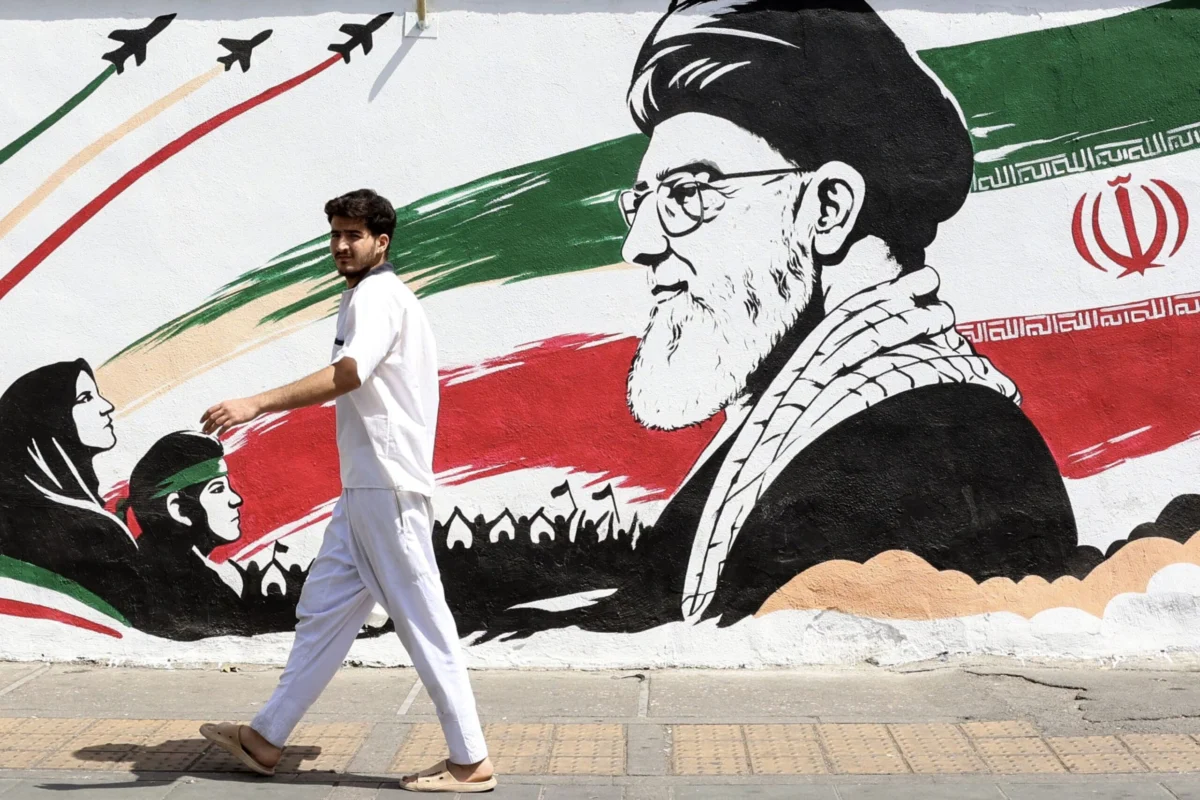
Against this backdrop, the Houthi attack on Saudi Arabia is seen as a direct extension of this broader geopolitical confrontation. It serves Iran’s strategic interests by putting pressure on Saudi Arabia, diverting Riyadh’s resources, and demonstrating the reach of its regional allies. The image of Ali Khamenei, Iran’s Supreme Leader, prominently displayed in Tehran in July 2026, reinforces the perception of a nation bracing for or actively engaged in a multifaceted struggle, with its allies playing crucial roles on various fronts. The Abqaiq attack signals that the "War on Iran" is intensifying, with economic warfare and infrastructure targeting becoming increasingly prominent tools.
Immediate Market Reaction and Economic Fallout
The reported suspension of operations at Abqaiq immediately sent jitters through global financial markets. Beyond the initial 6% surge in Brent crude, West Texas Intermediate (WTI) futures also saw significant gains, indicating a broad-based fear of supply shortages. Energy analysts scrambled to revise their forecasts, with some predicting sustained price increases if the disruption proved prolonged.
The implications extend far beyond the oil sector. Higher oil prices translate to increased costs for transportation, manufacturing, and consumer goods, potentially fueling global inflation and dampening economic growth already struggling with post-pandemic recovery and geopolitical uncertainties. Central banks, already grappling with inflation, would face renewed pressure to tighten monetary policy, risking further economic slowdowns. Stock markets, particularly those with heavy reliance on energy imports, also experienced declines as investors braced for the economic ramifications. Governments worldwide began to assess their strategic petroleum reserves and consider coordinated releases to stabilise markets, a measure typically reserved for severe supply crises.
Statements and International Responses
While official confirmations were still pending, the expected statements and reactions are critical to understanding the evolving situation:
- Saudi Arabia: Likely to issue a strong condemnation of the Houthi attack, reaffirm its commitment to protecting its vital infrastructure, and reassure global markets of its capacity to restore supply. There will be calls for international action against the Houthis and their alleged Iranian backers, potentially leading to increased military retaliation against Houthi targets in Yemen.
- Houthi Spokesperson: Expected to claim full responsibility for the attack, framing it as a legitimate response to Saudi aggression in Yemen. They will likely warn of further attacks if the Saudi-led coalition continues its military operations.
- United States: The US State Department and Pentagon are anticipated to condemn the attack unequivocally, reaffirming Washington’s commitment to Saudi Arabia’s security and its role as a global energy provider. This could involve increased military support, intelligence sharing, and possibly even discussions of direct retaliatory actions or sanctions against entities perceived to be supporting the Houthis. The US will likely link the attack to Iran’s destabilising regional activities.
- Iran: Tehran is expected to deny any direct involvement in the Abqaiq attack while reiterating its support for the Houthi movement as a "resistance force" against foreign intervention. Iranian officials will likely deflect blame, accusing Saudi Arabia and its allies of escalating regional tensions.
- United Nations & European Union: International bodies will likely issue statements calling for immediate de-escalation, condemning attacks on civilian infrastructure, and expressing grave concern over the humanitarian situation in Yemen and the broader regional stability. Calls for renewed diplomatic efforts to resolve the Yemeni conflict are also anticipated.
Historical Precedents and Vulnerabilities
The 2019 Abqaiq attack provided a stark lesson in the vulnerabilities of vast, interconnected energy infrastructure. Despite significant investments in air defence systems, including Patriot missile batteries, the sheer size of facilities like Abqaiq and the nature of low-flying drone and cruise missile threats make them challenging to defend comprehensively. Following 2019, Saudi Arabia and its allies reportedly enhanced their layered air defence capabilities and intelligence gathering. However, the 2026 incident suggests that these measures, while perhaps mitigating the extent of damage, have not entirely deterred or prevented such sophisticated assaults.
The Houthis’ evolving tactics, employing swarms of drones and combining them with cruise missiles, present a complex challenge for conventional air defence systems. The ability to launch from distant locations in Yemen and navigate complex terrain makes interception difficult. This highlights a broader global challenge for critical infrastructure protection, forcing nations to reconsider their defence strategies against non-state actors equipped with increasingly advanced weaponry.
The Humanitarian Crisis in Yemen
It is crucial to remember that these attacks are rooted in the devastating Yemeni civil war, which has created one of the world’s worst humanitarian crises. Years of conflict, famine, and disease have claimed hundreds of thousands of lives and displaced millions. Houthi attacks on Saudi Arabia are often framed as retaliatory actions for the Saudi-led coalition’s military campaign, which includes airstrikes that have caused civilian casualties and damaged infrastructure in Yemen. Any escalation stemming from the Abqaiq attack, whether through increased Saudi military action or heightened regional tensions, will undoubtedly exacerbate the suffering of the Yemeni people, who remain caught in the crossfire of a protracted and brutal conflict.
Broader Geopolitical Implications
The Abqaiq attack holds profound geopolitical implications:
- US Foreign Policy: It will test the Biden administration’s approach to the Middle East, balancing its desire to de-escalate with Iran against its commitment to allies like Saudi Arabia. It could lead to a more assertive US military posture in the Gulf.
- Saudi Arabia’s Defense Posture: Riyadh will face renewed pressure to bolster its air defences and potentially rethink its strategy in Yemen. The economic cost of such attacks, even if temporary, is immense.
- Iran’s Strategic Calculations: The attack, whether directly orchestrated or indirectly supported, reinforces Iran’s strategy of using proxy forces to exert influence and challenge rivals without direct military engagement, complicating international efforts to curb its regional ambitions.
- Global Energy Transition: While immediate concerns focus on fossil fuels, such events also fuel arguments for accelerating the transition to renewable energy sources to enhance energy security and reduce reliance on volatile regions.
- Regional Security Architecture: The incident underscores the fragility of existing security arrangements and the urgent need for a more comprehensive and inclusive regional dialogue, though prospects for such dialogue remain dim amidst current tensions.
In conclusion, the reported suspension of operations at Saudi Arabia’s Abqaiq facility following a Houthi attack on Monday is far more than an isolated incident. It is a potent symbol of escalating regional tensions, a direct challenge to global energy security, and a grim indicator of the widening scope of the ongoing "War on Iran." The world now watches anxiously for official confirmations, damage assessments, and the inevitable geopolitical fallout, understanding that the repercussions of this attack could reverberate through energy markets, diplomatic channels, and conflict zones for weeks and months to come, further destabilising an already volatile region.

Related Posts
Over 150 Israeli Settlers Storm Al-Aqsa Compound and Perform Prayers, Violating Status Quo Under Police Protection.
UN Report Highlights Over 900 Obstacles Hampering West Bank Aid Amid Escalating Humanitarian Crisis