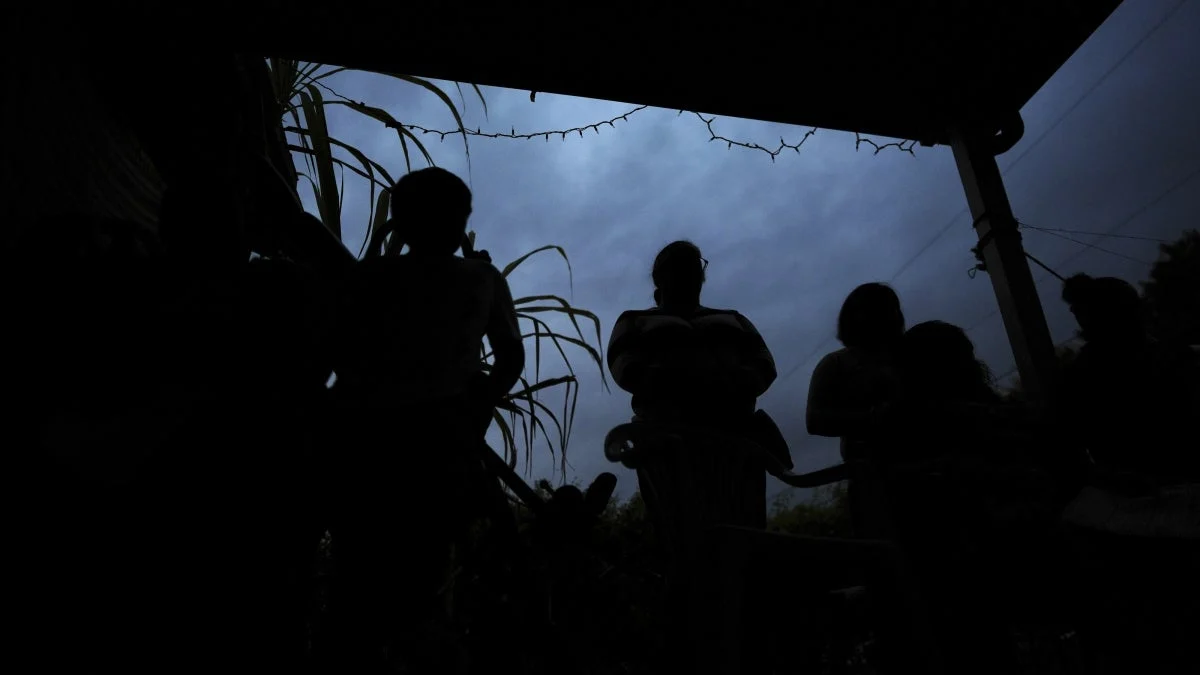
Proposed Department of Homeland Security Policy Threatens to Limit Work Authorization for Immigrant Survivors of Domestic Violence
The Department of Homeland Security (DHS) has formally introduced a regulatory proposal that seeks to overhaul the issuance of discretionary employment authorization documents (EADs), a move that legal advocates and human rights organizations warn could have devastating consequences for vulnerable immigrant populations. Published in the Federal Register on June 5, 2026, the proposed rule, titled "Clarification of Discretionary Employment Authorization for Certain Aliens," aims to tighten the criteria for work eligibility among several categories of non-citizens. While the administration frames the policy as a measure to ensure the integrity of the immigration system and prioritize those with the most acute needs, the proposal has sparked significant concern regarding its impact on survivors of domestic violence, human trafficking, and other serious crimes. For these individuals, the ability to work legally in the United States is often the only pathway to escaping abusive environments and achieving the financial independence necessary for long-term safety.
The Mechanics of the Proposed Policy Change
The DHS proposal introduces several restrictive layers to the current employment authorization framework. Under existing regulations, many immigrants awaiting the adjudication of their status—including those who have been granted "deferred action"—can apply for work permits. Deferred action is a discretionary determination by the government to defer the removal of an individual, often used to protect those in sensitive legal or humanitarian positions.
The new policy would introduce a mandatory "economic necessity" requirement for all discretionary EAD applicants. While economic necessity has been a factor in some categories previously, the proposed rule would standardize and heighten the evidentiary burden. Applicants would be required to provide exhaustive documentation of their financial status, including bank statements, tax records, and proof of expenses. Furthermore, the proposal seeks to limit the duration of employment authorization to a maximum of one year. Currently, many EADs are issued for two-year or longer increments, providing a modicum of stability for both the employee and the employer.
Perhaps most controversially, the rule stipulates that individuals seeking to renew their work permits must be employed by businesses that participate in E-Verify. E-Verify is a web-based system through which employers confirm the eligibility of their employees to work in the United States. While many large corporations utilize the system, a significant portion of small businesses and non-profit organizations do not, potentially barring survivors from working in the very sectors that are often most accessible to them.
A Timeline of Shifting Immigration Protections
The June 2026 proposal does not exist in a vacuum but follows a series of administrative shifts that have incrementally narrowed the path to legal employment for immigrants. In early 2025, DHS ended the policy of automatic extensions for certain employment authorization categories. Previously, if an individual filed a renewal application before their current permit expired, they were granted an automatic 180-day or 540-day extension to account for government processing delays. The termination of these extensions has already led to thousands of legal workers losing their jobs simply because the government could not process their paperwork in time.
The current timeline for the new proposal is as follows:
- June 5, 2026: The proposed rule is published in the Federal Register, initiating the 60-day public comment period.
- July 2026: Advocacy groups and legal clinics begin a nationwide push to gather testimonials and data to challenge the rule.
- August 4, 2026: The public comment period is scheduled to close.
- Late 2026/Early 2027: DHS is expected to review the comments and issue a final rule, which may be subject to litigation in federal courts.
Impact on VAWA and U-Visa Applicants
The groups most acutely affected by these changes are those seeking relief under the Violence Against Women Act (VAWA) and the U-Visa program. VAWA allows certain spouses, children, and parents of U.S. citizens or permanent residents to file a petition for status without the abuser’s knowledge or participation. Similarly, U-Visas are designated for victims of specific crimes (including domestic violence and sexual assault) who have suffered mental or physical abuse and are helpful to law enforcement or government officials in the investigation or prosecution of criminal activity.
The backlog for these programs has reached historic levels. As of mid-2026, the processing time for a U-Visa can exceed seven to ten years due to a statutory cap of 10,000 visas per year and a pending caseload that has ballooned to over 200,000. During this waiting period, many applicants are granted "deferred action" or "bona fide determination" status, which allows them to work. By adding the "economic necessity" hurdle and the one-year limit, the new DHS policy would force these survivors into a perpetual cycle of re-application. In a system where the government itself takes months to process a single application, a one-year permit practically ensures that the worker will spend half of their time in a state of legal limbo, waiting for a renewal.
The Financial Trap: Domestic Violence and Economic Dependency
Sociological research and data from domestic violence shelters highlight a consistent theme: financial dependence is one of the primary reasons survivors remain in or return to abusive relationships. According to the National Network to End Domestic Violence, financial abuse occurs in 99% of domestic violence cases. Abusers often forbid their victims from working, control access to bank accounts, and ruin their credit scores.
For an immigrant survivor, this dependency is magnified. Abusers frequently use a victim’s immigration status as a tool of coercion, threatening to report them for deportation if they attempt to leave or seek help. The ability to obtain a work permit is the "silver bullet" that breaks this cycle. It allows a survivor to secure housing, pay for childcare, and afford legal representation.
The requirement to prove "economic necessity" is particularly burdensome in this context. If an abuser has withheld financial documents or if the survivor fled their home with nothing but the clothes on their back, they may find it impossible to meet the evidentiary standards set by DHS. This creates a paradoxical situation where the most desperate survivors—those with no access to their own financial records—are the ones most likely to be denied the right to work.
The E-Verify Mandate and Labor Market Implications
The inclusion of the E-Verify mandate for renewals introduces a new level of complexity. According to data from the U.S. Small Business Administration, small businesses (those with fewer than 500 employees) represent 99.9% of all U.S. businesses. Many of these smaller entities, particularly in the service, agricultural, and domestic work sectors, do not use E-Verify due to the administrative costs or technical requirements.
By limiting work permits to E-Verify-compliant employers, DHS is effectively narrowing the labor market for immigrant survivors. This could force survivors into the "underground" economy, where they lack legal protections and are at higher risk of labor exploitation, wage theft, and further abuse. Furthermore, for employers, the one-year limit on work permits makes immigrant survivors less attractive hires. The cost of recruiting and training a new employee is significant; if an employer knows a worker’s authorization may expire in 12 months with no guarantee of a timely renewal, they may opt not to hire them at all.
Responses from Advocacy Groups and Legal Experts
The reaction from the legal community has been swift and critical. Organizations such as Her Justice and Human Rights Watch have issued statements arguing that the policy essentially weaponizes administrative bureaucracy against victims of crime.
"Work authorization is a safety issue," a representative from a prominent New York-based legal aid society stated in response to the filing. "When you take away a survivor’s right to work, you are effectively handing a tool of control back to the abuser. This policy ignores the reality of how domestic violence operates."
Conversely, proponents of the rule within the administration argue that the changes are necessary to prevent the "abuse of discretionary categories." They contend that by requiring proof of economic necessity and limiting permit duration, the government can better manage the massive backlog of applications and ensure that work permits are not being used as a "backdoor" to permanent residency for those who do not truly qualify.
Broad Implications for Community Safety and Economic Stability
Beyond the immediate impact on survivors, the proposed DHS policy has broader implications for community safety and the U.S. economy. The U-Visa program was specifically designed to encourage victims to cooperate with law enforcement. If victims believe that coming forward will lead to a decade of financial instability and a precarious legal status with no right to work, they are far less likely to report crimes. This allows violent offenders to remain on the streets, posing a risk to the entire community.
From an economic perspective, the loss of legal workers contributes to labor shortages in key industries. Immigrant workers contribute billions of dollars in federal, state, and local taxes annually. Forcing a segment of this workforce into unemployment or unauthorized work reduces tax revenue and increases the strain on social services, such as food banks and emergency housing, which survivors will be forced to rely upon if they cannot earn a living.
Conclusion and the Path Forward
The Department of Homeland Security’s proposed rule represents a significant shift in how the United States treats some of its most vulnerable residents. By introducing rigorous financial testing, shortening the lifespan of work permits, and mandating E-Verify for renewals, the policy creates a high-stakes environment for those attempting to rebuild their lives after trauma.
As the public comment period continues until August 4, 2026, the legal and advocacy communities are mobilizing to provide DHS with data-driven evidence of the potential harms. The outcome of this regulatory battle will determine whether thousands of survivors are granted the economic tools to achieve safety or are instead forced back into the shadows of dependency and abuse. The final decision by DHS will serve as a definitive statement on the balance between administrative stringency and humanitarian protection in the American immigration system.

Related Posts

Human Rights Watch Calls for Investigation into Death of Detainee Following Removal from Najaf Hospital by Iraqi Drug Police

Human Rights Watch Urges UN Security Council to Extend Lebanon Peacekeeping Mission Amid Escalating Conflict and Humanitarian Crisis