DRC Oil Pollution: Human Rights Watch Demands Transparency as Perenco Operations Linked to Health Crisis in Muanda
Severe environmental pollution linked to the Democratic Republic of Congo’s sole oil producer, the French-British firm Perenco, is posing critical health risks to communities situated near its extraction sites, according to an extensive investigation released today by Human Rights Watch. Despite a government-commissioned environmental audit initiated in December 2024 following years of reported ecological degradation, the Congolese authorities have yet to release any findings, leaving thousands of residents in the dark regarding the toxicity of their air, soil, and water.
The urgency of the situation was highlighted by Agathe Bounfour, a senior fossil fuel researcher at Human Rights Watch, who emphasized that the Congolese government has a legal and moral obligation to provide immediate transparency. "Residents of nearby communities have a right to know the extent of pollution in their environment and the risks to their health," Bounfour stated. The lack of public disclosure regarding the audit’s interim findings or a concrete timeline for its final publication has exacerbated fears among the local population in the coastal city of Muanda, where Perenco’s operations are concentrated.
Extensive Field Research and Satellite Analysis
The Human Rights Watch report is the culmination of a rigorous multi-month investigation. In January 2026, researchers conducted interviews with 45 individuals, including local residents, oil industry workers, healthcare professionals, and environmental experts. These testimonies were corroborated by an analysis of satellite imagery and geolocated visual evidence, which provided a comprehensive view of the industrial practices occurring within the Perenco concession.
The findings point to a systemic failure in pollution containment. Researchers documented active gas flaring—the process of burning off natural gas associated with oil extraction—at five major storage and processing sites. These flares are often situated dangerously close to residential areas. In one instance in northeast Muanda, flaring was observed just 80 meters from local housing. Residents living in these areas reported a high prevalence of respiratory illnesses, persistent headaches, and eye irritation, which they attribute directly to the black smoke and heat generated by the flares.
Chronology of Environmental Neglect and Official Audits
The history of environmental concerns surrounding Perenco’s activities in the Kongo Central province is long and fraught with calls for accountability. The current crisis follows a decade of documented warnings:
- 2013: A Congolese Senate investigation report revealed elevated levels of sulfur dioxide and nitrogen dioxide near flaring sites. It also identified hydrocarbon contamination in groundwater and high concentrations of toxic heavy metals.
- December 2024: Amid mounting pressure from civil society, the Congolese government commissioned an environmental and fiscal audit of Perenco’s operations to assess the damage caused by decades of extraction.
- January 2025 – March 2026: Remote sensing data analyzed by Human Rights Watch confirmed daily flaring activity at the Kinkazi Tank Farm and other sites including Mibale and Liawenda.
- November 2025: The Minister of Hydrocarbons announced a one-year extension of the audit contract without disclosing any preliminary data or explaining the necessity for the delay.
- May 2026: Human Rights Watch formally requested information from the Congolese government regarding remediation and monitoring efforts. As of this report, no response has been received.
The Toxic Toll: Air Quality and Waste Combustion
Gas flaring is not merely a visual nuisance; it is a source of complex chemical pollutants. When natural gas is burned in the open air, it releases particulate matter (PM2.5), volatile organic compounds (VOCs), carbon monoxide, and black carbon. These substances are known to cause chronic obstructive pulmonary disease (COPD), asthma, and various cardiovascular conditions.
Beyond flaring, the investigation highlighted hazardous waste management practices at a 10-hectare treatment facility located two kilometers from Kinkazi village. Visual evidence verified by Human Rights Watch shows paraffin—a waxy hydrocarbon byproduct—being burned in open-air incinerators at night. "When they burn the waste at night, the smells drift toward the village. We experience nausea and chest pain," a 40-year-old resident told researchers.
Independent experts, including Daniel Bain of the University of Pittsburgh, reviewed the evidence and confirmed that such open-air burning inevitably leads to elevated levels of atmospheric particulate matter, further compromising the health of the surrounding population.
Soil and Water Contamination: A Threat to the Food Chain
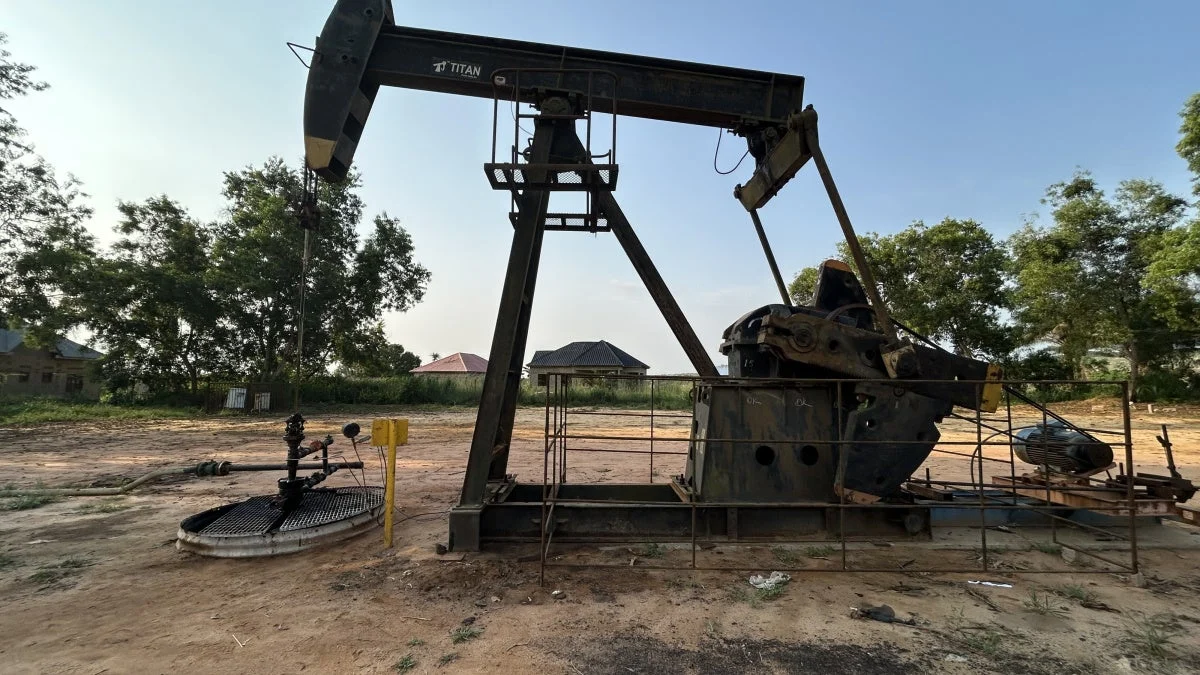
The impact of Perenco’s operations extends beneath the surface. The investigation found that poorly maintained infrastructure has led to frequent oil spills. Residents described how crude oil often overflows from wellheads during heavy tropical rains, seeping into agricultural land and local riverbeds.
Scientific backing for these claims was provided by a 2025 study conducted by researchers from universities in the DRC and Cameroon. The study identified high levels of total petroleum hydrocarbons (TPHs) in the soil surrounding the villages of Kinkazi, Kitombe, and Tshiende. These pollutants not only destroy the fertility of the soil but also pose a risk of bioaccumulation in the local food supply.
Furthermore, the 2013 Senate report—the findings of which remain relevant due to the lack of updated data—detected mercury and lead in water samples at levels exceeding World Health Organization guidelines. Chronic exposure to lead is particularly dangerous for children, as it can cause irreversible neurological damage, while mercury exposure can lead to severe immune system and kidney dysfunction.
Corporate Defense and Government Inaction
In response to the allegations, Perenco has denied that its operations cause acute health conditions or significant environmental harm. The company claims to have invested over $100 million since 2021 in infrastructure maintenance and the decommissioning of old pipelines. Perenco also stated it has extinguished 220 "flare points" and is working with the government on gas "valorization"—using the gas for energy rather than burning it.
Perenco has also pointed toward external factors, such as fuel trafficking, vandalism, and the local population’s use of rivers for washing vehicles, as alternative sources of pollution. However, the company declined to share its internal pollutant monitoring data with Human Rights Watch or local NGOs.
The Congolese government’s role has also come under fire. While the country’s 2011 Environmental Protection Law prohibits practices that harm public health, enforcement remains virtually non-existent in Muanda. The Office Congolais de Contrôle (OCC) admitted to having limited access to Perenco’s monitoring sensors, and provincial assembly members have expressed frustration over the lack of transparency from national ministries.
Human Rights Implications and Necessary Actions
Under the International Covenant on Economic, Social and Cultural Rights, the DRC is obligated to protect its citizens’ right to the highest attainable standard of health. This includes preventing third-party entities, such as multinational corporations, from polluting vital resources like air and water.
"The Congolese government needs transparency on oil pollution levels to meet its obligations," said Lewis Mudge, Central Africa director at Human Rights Watch. "The authorities should acknowledge the threat to people’s health in oil concession areas, immediately report on pollution levels, and act to reduce population exposure."
The implications of this crisis extend beyond Muanda. As the DRC seeks to expand its extractive industries to bolster its economy, the situation in Kongo Central serves as a cautionary tale. Without robust regulatory oversight, independent monitoring, and the transparent publication of environmental audits, the expansion of the oil and gas sector may come at an unacceptable cost to human life and ecological stability.
Human Rights Watch is calling for the immediate publication of the December 2024 audit and the establishment of a permanent, independent environmental monitoring system in Muanda. For the residents of Kinkazi, Tshiende, and the city of Muanda, these measures are not just bureaucratic requirements—they are essential for their survival in a region where the pursuit of "black gold" has increasingly turned their environment toxic.

Related Posts
Human Rights Watch Calls for Investigation into Death of Detainee Following Removal from Najaf Hospital by Iraqi Drug Police
Human Rights Watch Urges UN Security Council to Extend Lebanon Peacekeeping Mission Amid Escalating Conflict and Humanitarian Crisis