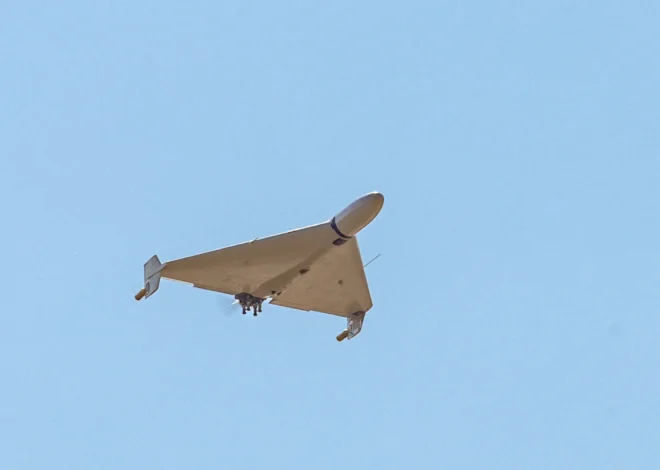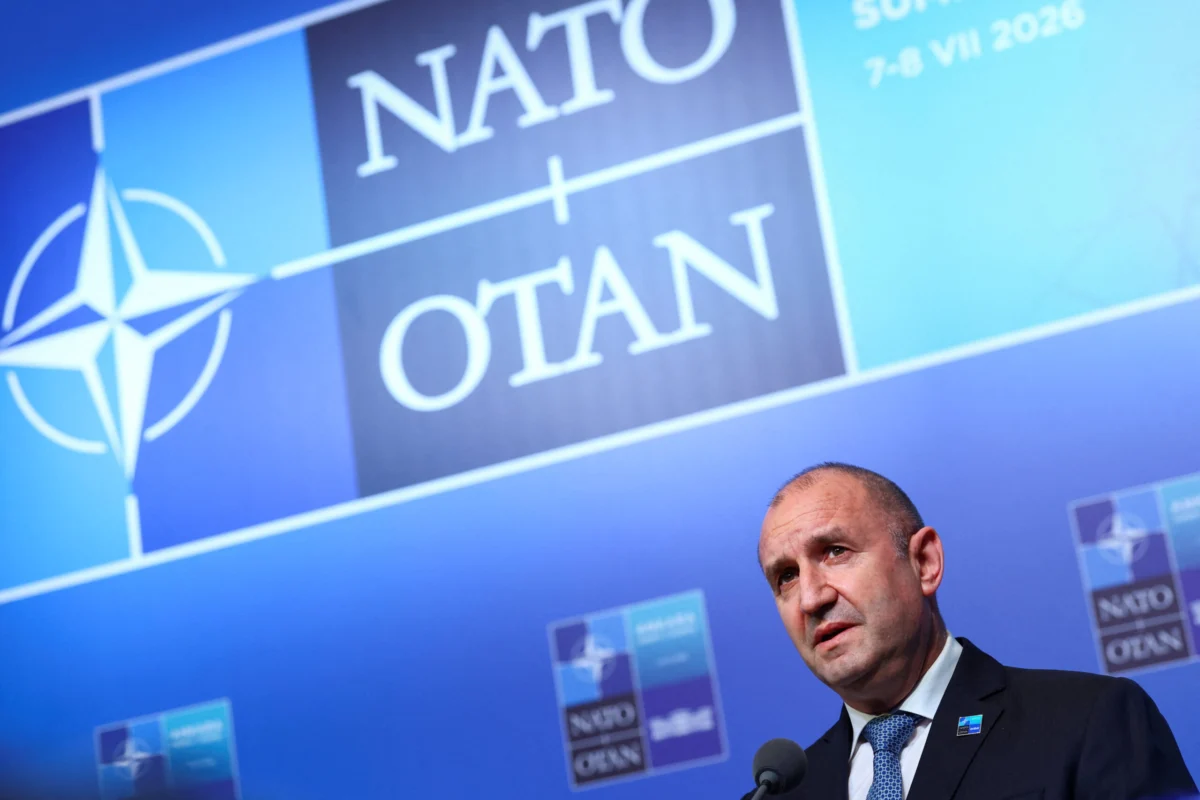
Iran Warns Bulgaria Against Hosting United States Military Aircraft Amid Rising Middle East Tensions and Breakdown of Interim Ceasefire
The Iranian Ministry of Foreign Affairs issued a formal warning to the Bulgarian government on Tuesday, cautioning the Balkan nation against allowing the United States military to utilize its sovereign territory for operations directed at the Islamic Republic. This diplomatic intervention follows an announcement from Sofia indicating that the Bulgarian administration intends to seek parliamentary authorization for the stationing of up to eight U.S. Air Force tanker aircraft at the Bezmer military facility. The move marks a significant escalation in regional military positioning as the United States and Iran teeter on the brink of a broader conflict following the collapse of a short-lived interim ceasefire agreement.
Esmail Baghaei, the spokesman for the Iranian Foreign Ministry, articulated Tehran’s position during a press briefing, asserting that any nation facilitating U.S. military strikes against Iran would be viewed as a direct participant in the hostilities. According to reports from Iranian state media, Baghaei characterized such logistical support as complicity in "aggression and war crimes." He urged Bulgarian officials to reconsider their alignment with Washington’s strategic objectives, warning Sofia not to become an "accomplice of aggressors and lawbreakers" in a conflict that could have far-reaching consequences for European and Middle Eastern stability.
The proposed deployment centers on the Bezmer Air Base, situated approximately 160 miles southeast of the Bulgarian capital, Sofia. The facility is one of the primary joint-use military bases established under the 2006 Defense Cooperation Agreement between the United States and Bulgaria. While the base has historically hosted joint exercises and rotational forces, the permanent or semi-permanent stationing of heavy tanker aircraft represents a strategic shift in the U.S. Air Force’s operational footprint in Eastern Europe, specifically designed to project power toward the Eastern Mediterranean and Southwest Asia.
The Strategic Role of Tanker Aircraft and the Bezmer Facility
The aircraft in question are primarily aerial refueling tankers, such as the KC-135 Stratotanker or the newer KC-46 Pegasus. These platforms are considered "force multipliers" in modern aerial warfare. By providing mid-air refueling to fighter jets and bombers, they significantly extend the operational range and loitering time of combat aircraft. In the context of potential strikes against Iranian targets, tanker support from Bulgarian soil would allow U.S. aircraft launched from bases in Central Europe or the United Kingdom to reach targets in the Middle East without relying solely on bases in the Persian Gulf, which are often within range of Iran’s ballistic missile arsenal.
Bezmer Air Base is uniquely suited for this role due to its geographical location and infrastructure. Located near the city of Yambol and close to the Black Sea, the base features a high-capacity runway capable of handling heavy transport and refueling aircraft. Its proximity to the Turkish border also provides a strategic corridor for U.S. aircraft to transit toward the Levant and the Iranian plateau. For Bulgaria, a member of both NATO and the European Union, the decision to host these assets is framed as a fulfillment of treaty obligations and a contribution to collective defense, though the Iranian warning suggests that Tehran views it through a much more aggressive lens.
Chronology of the Current Escalation
The tension between Washington and Tehran has reached a critical juncture following a series of military and diplomatic failures over the past year. To understand the gravity of the current warning to Bulgaria, it is necessary to examine the timeline of events that led to this mobilization:
- Early 2026: The Interim Ceasefire. Following months of back-channel negotiations facilitated by regional intermediaries, the United States and Iran signed an interim ceasefire agreement intended to freeze enrichment activities and halt proxy attacks on U.S. personnel in exchange for limited sanctions relief.
- June 2026: Breakdown of Diplomacy. The ceasefire began to unravel as both sides accused the other of non-compliance. Tehran cited the continuation of "shadow sanctions," while Washington pointed to the persistence of drone and missile technology transfers to regional militias.
- July 20, 2026: The Jordan Attack. A significant turning point occurred when an Iranian-linked drone strike targeted a U.S. military outpost in Jordan. The Pentagon subsequently identified the American soldiers killed in the attack, prompting a vow of "decisive retaliation" from the White House.
- August 2026: U.S. Military Realignment. In response to the Jordan attack and the failure of the ceasefire, the U.S. Department of Defense began moving significant assets into the European and Central Command theaters. This included the movement of warplanes to Bulgaria and increased naval presence in the Eastern Mediterranean.
- Present Day: The Bulgarian government formally moves to seek parliamentary approval for the U.S. tanker deployment, triggering the direct diplomatic warning from the Iranian Foreign Ministry.
Bulgarian Domestic Politics and International Obligations
The Bulgarian government’s move to host U.S. tankers is not without domestic political complexity. As a parliamentary republic, the administration must secure a majority vote to allow the long-term stationing of foreign military assets for active combat support. While the current governing coalition has maintained a staunchly pro-NATO stance, opposition factions have expressed concerns that Bulgaria could be drawn into a Middle Eastern conflict that does not directly involve the defense of the North Atlantic alliance’s borders.
Proponents of the deployment argue that Bulgaria’s security is inextricably linked to its partnership with the United States. They contend that providing logistical support reinforces Bulgaria’s standing within NATO and ensures American commitment to the defense of the alliance’s eastern flank, particularly given the ongoing instability in the Black Sea region. However, critics within the Bulgarian parliament have raised questions regarding the legal definitions of "defensive" versus "offensive" support, echoing some of the concerns regarding the international legal implications of facilitating strikes.
The Bulgarian Ministry of Defense has sought to downplay the escalatory nature of the deployment, characterizing the presence of the tankers as a routine measure to enhance interoperability. Nevertheless, the explicit nature of the Iranian warning has forced the issue into the forefront of Bulgarian public discourse, highlighting the risks inherent in hosting high-value military assets during a period of active international hostilities.
Supporting Data and Military Implications
The deployment of eight tanker aircraft is a substantial commitment. Each tanker can carry tens of thousands of gallons of fuel, capable of supporting a full squadron of fighter aircraft. From a logistics standpoint, the use of Bezmer Air Base offers several advantages:
- Diversification of Basing: By utilizing Bulgarian bases, the U.S. reduces its dependence on traditional hubs like Al Udeid in Qatar or Incirlik in Turkey, which may be subject to local political pressures or direct threats during a conflict with Iran.
- Operational Depth: Bulgaria provides a "rear area" that is significantly further from Iran’s short-range and medium-range missile systems compared to bases in the Persian Gulf.
- Transit Efficiency: The Balkan route allows for more direct flight paths for aircraft originating from the continental United States or Northern Europe heading toward the Middle East.
From Iran’s perspective, the presence of these tankers is a clear indicator of "strike preparation." Iranian military analysts argue that tankers are rarely deployed in such numbers unless a sustained aerial campaign is being planned. This perception fuels the rhetoric of "complicity" and "aggression" used by Esmail Baghaei, as Tehran seeks to use diplomatic pressure to prevent European nations from providing the logistical backbone for U.S. military operations.
Official Responses and International Context
The international community has watched the developing situation with growing concern. While the United States has not issued a direct response to Baghaei’s specific warning to Bulgaria, the State Department has repeatedly affirmed the right of sovereign nations to make their own security arrangements. A spokesperson for the U.S. Department of Defense emphasized that the U.S. values its "robust defense relationship" with Bulgaria and remains committed to the security of all NATO allies.
In Brussels, EU officials have remained cautious, generally deferring to individual member states on matters of national defense and bilateral military agreements. However, there is an underlying anxiety that a conflict between the U.S. and Iran could lead to an energy crisis or a surge in regional instability that would directly impact Europe.
Iran’s strategy of targeting individual NATO members with diplomatic warnings is seen by some analysts as an attempt to fracture the alliance’s unity. By singling out Bulgaria, Tehran hopes to create a domestic political cost for Sofia, potentially leading to delays in parliamentary approval or the imposition of restrictions on how the U.S. can use the Bezmer facility.
Analysis of Broader Impact and Implications
The warning to Bulgaria is a symptom of a much larger shift in global geopolitics. The unraveling of the interim ceasefire suggests that the window for a diplomatic resolution to the U.S.-Iran standoff is closing. As both nations move toward a "maximum pressure" and "maximum resistance" footing, the role of third-party nations like Bulgaria becomes increasingly precarious.
For Bulgaria, the implications are both economic and existential. While the U.S. military presence brings investment in infrastructure and base facilities, it also places the country on the target list of a nation with sophisticated cyberwarfare and unconventional military capabilities. Iran has previously demonstrated its ability to conduct operations far beyond its borders, and while a direct conventional strike on a NATO member like Bulgaria is unlikely due to the Article 5 collective defense treaty, "gray zone" tactics—such as cyberattacks or diplomatic retaliation—remain a viable threat.
Furthermore, the situation highlights the limits of NATO’s current strategic ambiguity. While the alliance is designed for the collective defense of its members, the use of member-state territory for offensive operations in a non-NATO theater (like the Middle East) creates a legal and political gray area. If Iran were to retaliate against Bulgarian soil for hosting U.S. tankers, the question of whether that would trigger NATO’s Article 5 would become a subject of intense and potentially divisive debate among alliance members.
As the Bulgarian parliament prepares to debate the deployment, the eyes of both Washington and Tehran will be on Sofia. The outcome of this decision will not only determine the logistical capabilities of the U.S. Air Force in the coming months but will also serve as a barometer for the willingness of European nations to support American military objectives in an increasingly volatile Middle East. For now, the warning from Tehran serves as a stark reminder that in the interconnected world of modern warfare, no territory is truly distant from the front lines of conflict.

Related Posts
Pentagon Forges Landmark Seven-Year Agreements with Boeing and RTX to Accelerate Standard Missile-3 Production and Stabilize Defense Supply Chains
Boeing Unveils Ultra Low-Cost Seeker to Enhance Missile Inventory and Combat Cost Challenges in Modern Warfare