The Enforced Disappearance of Muwanga Kivumbi and the Escalating Crackdown on Political Opposition in Uganda
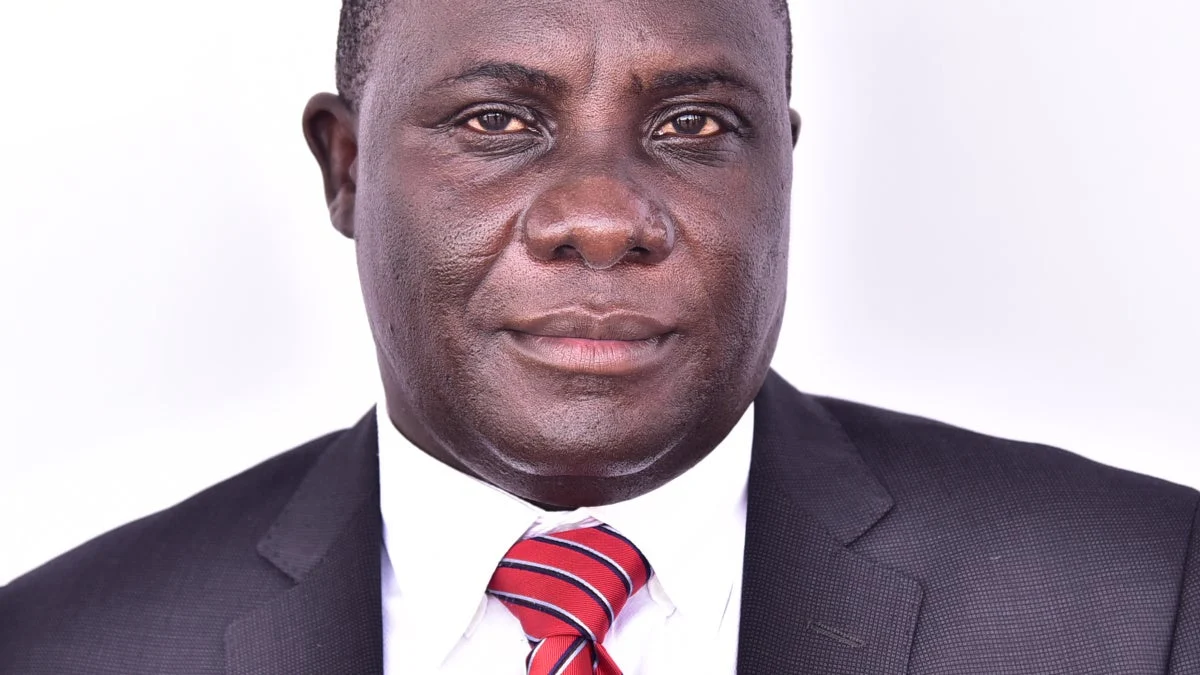
Thirteen days have passed since Muwanga Kivumbi, a prominent Deputy President of the National Unity Platform (NUP), was forcibly seized by armed state agents, marking a grim escalation in the ongoing tension between Uganda’s security apparatus and the political opposition. Kivumbi, a high-ranking official in the country’s primary opposition party, has not been seen or heard from since his abduction on July 10. Despite a growing chorus of international concern and a formal legal challenge filed by his family, Ugandan authorities have failed to provide a credible account of his whereabouts or the legal basis for his continued detention.
The incident occurred just twenty-four hours after Kivumbi had been granted bail by a civilian court following months of incarceration on politically motivated terrorism charges. Witnesses and video evidence from the scene depict a harrowing scene: as Kivumbi traveled through a police roadblock on the outskirts of Kampala, his vehicle was intercepted by a coordinated team of armed personnel in both civilian attire and military uniforms. He was forcibly removed from his car and bundled into an unmarked vehicle, which then sped away to an undisclosed location. This method of "re-arrest"—often referred to locally as being "kidnapped" by the state—has become a hallmark of Ugandan security operations against high-profile critics of the administration.
A Pattern of Judicial Defiance and Re-arrests
The disappearance of Muwanga Kivumbi is not an isolated event but rather a continuation of a long-standing practice within the Ugandan security services. For over two decades, human rights organizations have documented a recurring pattern where individuals granted bail or acquitted by the High Court are immediately seized at the court gates or shortly thereafter by paramilitary units. This practice, often executed by groups such as the Internal Security Organisation (ISO) or specialized military wings, effectively nullifies the power of the judiciary and places the accused in a legal "black hole."
In Kivumbi’s case, the abduction took place on July 10, following his release on July 9. He had been in custody since January 22, 2026, when he was arrested alongside other NUP leaders, including Jolly Jackline Tukamushaba and Lina Zedriga Waru. While his colleagues were eventually released after being held incommunicado for several days, Kivumbi was singled out for more severe treatment. He was charged with terrorism—a capital offense in Uganda—under allegations that he orchestrated violent attacks on state infrastructure during the January 14 general election period. Kivumbi has consistently denied these charges, maintaining that they are a fabrication intended to neutralize his political influence and intimidate the NUP leadership.
The Legal Vacuum: Habeas Corpus and State Denial
Faced with the silence of the state, Kivumbi’s family and legal team took the urgent step of filing a writ of habeas corpus. This legal instrument is intended to compel the state to produce a detainee before a judge to justify their detention. However, the judicial response has highlighted the limitations of the legal system when confronted with military interference.
During the court proceedings this week, the Uganda Police Force officially denied having Kivumbi in their custody. This denial is a characteristic feature of an "enforced disappearance," defined under international law as the arrest, detention, or abduction of a person by state agents followed by a refusal to acknowledge the deprivation of liberty. By denying custody, the police shift the burden of proof back onto the victims’ families, even when eyewitness accounts clearly point to state involvement.
The presiding judge, rather than demanding the immediate production of the missing politician, opted to grant the government an additional week to "conclude investigations" into his whereabouts. This delay has been met with sharp criticism from civil society groups, who argue that every hour Kivumbi remains outside the protection of the law increases the risk of torture, extrajudicial killing, or permanent disappearance.
Chronology of the Kivumbi Case
To understand the gravity of the current situation, it is necessary to examine the timeline of events leading to the current crisis:
- January 14, 2026: Uganda holds general elections characterized by heavy military presence and reports of widespread irregularities. The National Unity Platform (NUP) emerges as the primary challenger to the incumbent administration.
- January 22, 2026: Security forces launch a sweep of opposition leaders. Muwanga Kivumbi, Jolly Jackline Tukamushaba, and Lina Zedriga Waru are arrested.
- Late January 2026: Tukamushaba and Waru are released after international pressure, but Kivumbi is formally charged with terrorism and remanded to a maximum-security facility.
- February – June 2026: Kivumbi remains in pre-trial detention. His legal team makes multiple applications for bail, citing lack of evidence and deteriorating health.
- July 9, 2026: A High Court judge grants Kivumbi bail, citing the constitutional right to liberty and the prosecution’s failure to commence trial.
- July 10, 2026: Kivumbi is intercepted at a roadblock on the outskirts of Kampala and abducted by armed soldiers.
- July 22, 2026: (12 days post-abduction) The High Court hears a habeas corpus application. The government denies holding him; the judge orders a one-week investigation.
- Current Status: Kivumbi’s whereabouts remain unknown for the 13th consecutive day.
Supporting Data: The Human Rights Landscape in Uganda
The plight of Muwanga Kivumbi is part of a broader statistical trend of political repression in the country. According to data compiled by Human Rights Watch (HRW) and local legal aid clinics, the 2026 election cycle saw a significant spike in "short-term disappearances."
Between January and July 2026, an estimated 150 opposition supporters and activists were reportedly taken by security forces using unmarked "drone" vans. Of these, approximately 40% were held for more than 30 days without charge, often in "safe houses" or military barracks where they were subjected to interrogation techniques that violate international bans on torture.
Furthermore, the use of the General Court Martial to try civilians remains a point of contention. While Kivumbi was initially processed through a civilian court, the military’s intervention in his release suggests a "shadow legal system" where the army exercises ultimate veto power over judicial decisions. This environment has created a climate of fear, where legal victories—such as being granted bail—often serve as a precursor to even more dangerous extra-legal detentions.
International Reactions and Diplomatic Pressure
The international community has begun to react to the news of Kivumbi’s disappearance. Human rights advocates have called on Uganda’s development partners, including the United States and the European Union, to hold the government accountable under the terms of their security cooperation agreements.
"The enforced disappearance of a senior political figure like Muwanga Kivumbi is a direct assault on the rule of law," stated a representative from an international human rights monitoring group. "When a state ignores its own courts and disappears its citizens, it signals a breakdown of the social contract. The authorities must immediately disclose where he is being held and ensure his safety."
Within Uganda, the National Unity Platform has issued several statements demanding the "unconditional release" of their Deputy President. Party leader Robert Kyagulanyi, popularly known as Bobi Wine, has frequently highlighted the use of state-sanctioned abductions as a tool to break the spirit of the opposition. The party maintains that Kivumbi is being targeted not for any criminal act, but for his role in mobilizing the youth vote and his vocal criticism of the administration’s economic policies.
Implications for the Future of Ugandan Democracy
The continued disappearance of Muwanga Kivumbi carries profound implications for the future of democratic governance in Uganda. It suggests that the traditional avenues of political contestation—elections and the judiciary—are increasingly being superseded by military force.
Firstly, the incident undermines the authority of the Ugandan judiciary. If the orders of a High Court judge can be ignored by soldiers at a roadblock, the very concept of "legal protection" becomes illusory for political actors. This encourages a shift toward more radical or clandestine forms of political expression, as faith in the constitutional process erodes.
Secondly, the case highlights the risks of "normalization." By frequently utilizing re-arrests and enforced disappearances, the state may be attempting to desensitize the public and the international community to these violations. However, the high profile of Kivumbi makes this case a litmus test for the resilience of Uganda’s civil society and the willingness of the international community to move beyond rhetoric and toward substantive action.
Finally, there is the immediate humanitarian concern. Enforced disappearance is a crime that affects not just the individual, but their family and community. The psychological toll on Kivumbi’s relatives, who are left in a state of perpetual uncertainty regarding his life or death, is a recognized form of mental torture.
Conclusion
As the one-week deadline for the government’s "investigation" approaches, the eyes of the nation and the world remain fixed on the Ugandan authorities. The demand is clear: Muwanga Kivumbi must be accounted for. If he has committed a crime, he must be charged in a transparent, civilian court of law. If there are no grounds for his detention—as the previous grant of bail suggests—he must be released immediately.
The resolution of this case will serve as a definitive indicator of whether Uganda intends to uphold its international human rights obligations or whether it will continue down a path where the shadow of military intervention looms over the halls of justice. For now, the 13-day silence surrounding Kivumbi’s fate remains a haunting testament to the precarious state of political freedom in the region.

Related Posts

Human Rights Watch Calls for Investigation into Death of Detainee Following Removal from Najaf Hospital by Iraqi Drug Police
Human Rights Watch Urges UN Security Council to Extend Lebanon Peacekeeping Mission Amid Escalating Conflict and Humanitarian Crisis