
Oil Tanker Explodes in Strait of Hormuz After Striking Naval Mine, Iranian Media Reports Amid Escalating Regional Tensions
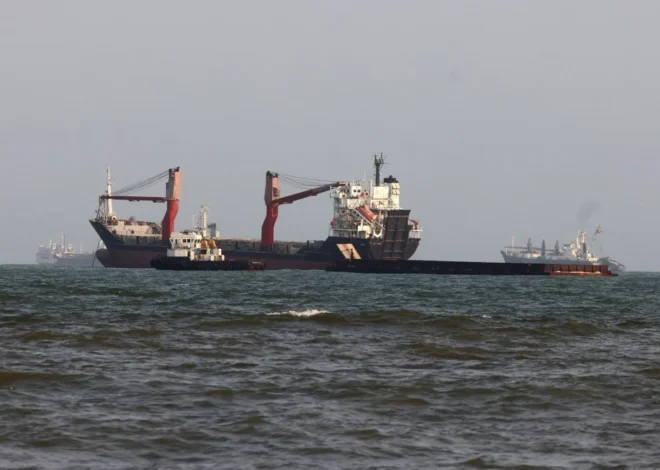
An oil tanker reportedly exploded after colliding with a naval mine in the Strait of Hormuz, according to Iranian media reports issued on 26 July 2026 at 13:32 BST. The incident, which Tasnim news agency stated occurred after the vessel exited a route in the critical waterway approved by Tehran, immediately intensified concerns over maritime safety and regional stability, particularly given the ongoing designation of "War on Iran" within live blog updates. The precise identity of the tanker, its flag state, and the extent of damage or casualties remain unconfirmed by independent sources, but the nature of the reported incident points to a significant escalation in an already volatile geopolitical landscape.
The Incident: Details Emerge from Iranian Sources
Initial reports from Tasnim, a prominent Iranian news agency, indicated that the explosion occurred when an oil tanker struck a naval mine. The agency highlighted that the incident took place specifically after the vessel had deviated from a designated shipping lane, implying potential negligence or a breach of maritime protocols set by Iranian authorities for transit through its territorial waters in the Strait. Naval mines are indiscriminate weapons that pose a severe threat to both military and civilian vessels, and their reported presence in such a critical international shipping lane is likely to trigger alarm across global maritime industries and world powers. The Strait of Hormuz, a narrow passage between the Persian Gulf and the open ocean, is arguably the world’s most important oil transit choke point, making any disruption or threat to shipping there a matter of international concern.
The Strategic Importance of the Strait of Hormuz
The Strait of Hormuz is a geopolitical flashpoint by its very nature. Approximately one-fifth of the world’s total oil consumption and one-third of the world’s liquefied natural gas (LNG) transits through this 21-mile wide channel daily. This translates to roughly 17 to 20 million barrels of crude oil and petroleum products every day, destined for major economies in Asia, Europe, and North America. The strait is bordered by Iran to the north and Oman and the United Arab Emirates to the south. Its strategic importance makes it a frequent focal point of regional tensions, with any threat to its navigability having immediate and profound global economic repercussions.
Historically, Iran has on multiple occasions threatened to close the strait in response to international pressure or sanctions, leveraging its geographical position as a potent strategic asset. The presence of a naval mine, regardless of its origin, directly challenges the principle of freedom of navigation and raises questions about the security assurances for vessels transiting this vital artery of global commerce.
Background: Escalating Tensions and the "War on Iran" Context
The designation "War on Iran" within the live blog update signifies a period of heightened and sustained conflict or severe geopolitical friction involving Iran. While the precise nature and commencement of such a "war" are not detailed in the initial report, it implies a backdrop of military confrontations, proxy conflicts, cyber warfare, or severe economic sanctions and political pressure that have reached a critical threshold.
For years, tensions between Iran and various international actors, including the United States, Saudi Arabia, and Israel, have simmered and occasionally flared. Key drivers of this persistent friction include Iran’s nuclear program, its ballistic missile development, its support for regional proxy groups (such as Hezbollah in Lebanon, Houthi rebels in Yemen, and various militias in Iraq and Syria), and its revolutionary ideological stance. Sanctions, naval exercises, and intermittent attacks on shipping in the Gulf region have been features of this ongoing standoff.
Previous incidents involving attacks on oil tankers and commercial vessels in the Gulf of Oman and near the Strait of Hormuz have occurred in recent years, often attributed to state actors or proxies. These incidents, which sometimes involved limpet mines or drone attacks, underscored the vulnerability of maritime trade in the region and the potential for rapid escalation. The current reported incident, involving a naval mine, represents a potentially more sophisticated and dangerous threat, as naval mines can remain active for extended periods and are harder to detect and clear.
Chronology of Immediate Events (Inferred)
While specific details remain scarce, a plausible sequence of events following the initial reports could be inferred:

- 26 July 2026, 13:32 BST: Iranian media, specifically Tasnim news agency, breaks the news of an oil tanker explosion in the Strait of Hormuz due to a naval mine strike.
- Shortly After (Within hours): International maritime security agencies and global shipping organizations would issue immediate alerts to vessels transiting the Strait of Hormuz, advising extreme caution and potentially recommending alternative routes if feasible, or increased vigilance.
- Initial Hours to Day 1: Global oil markets react swiftly. Futures prices for Brent crude and West Texas Intermediate (WTI) would likely experience an immediate spike, driven by supply disruption fears and geopolitical risk premiums. Stock markets of major shipping companies and energy firms might also see volatility.
- Day 1-2: Iranian authorities would likely launch an immediate investigation into the incident, potentially deploying naval assets to the area. Statements would likely follow, either condemning the act if they attribute it to an external party or asserting their right to manage maritime traffic within their waters if the mine was of their own deployment for defensive purposes.
- Day 1-3: International bodies, such as the United Nations Security Council, and major world powers would likely issue statements calling for de-escalation, adherence to international maritime law, and a thorough investigation. Naval forces from various nations with interests in the region (e.g., the U.S. Fifth Fleet, European naval presences) would likely increase their surveillance and readiness.
Official Responses and International Reactions (Inferred)
Iranian Authorities:
Iran’s Ministry of Foreign Affairs or the Islamic Revolutionary Guard Corps (IRGC) Navy would likely issue statements. Depending on the origin of the mine, their response could vary:
- If the mine is attributed to an external party, Iran would condemn the act as terrorism or an act of aggression against its sovereignty and international shipping. They might vow retaliation.
- If the mine is of Iranian origin, perhaps part of a defensive posture or an undeclared minefield, they might assert their right to defend their territorial waters and warn against unauthorized navigation. However, deliberately placing mines in international shipping lanes without clear warnings would be a severe violation of international law. An investigation into how a commercial vessel struck such a mine would be promised.
International Shipping and Energy Organizations:
- International Maritime Organization (IMO): Would likely express grave concern, reiterate the importance of freedom of navigation, and call for enhanced maritime security measures.
- Oil & Gas Industry: Major oil companies and insurers would reassess risk premiums for shipments through the Strait, potentially leading to higher transport costs and increased prices at the pump for consumers globally. Ship owners would demand clearer security guarantees.
Major World Powers:
- United States: The U.S. Fifth Fleet, based in Bahrain, would likely enhance its presence and surveillance. Official statements would likely condemn any act threatening international shipping, call for immediate de-escalation, and possibly warn against actions that could destabilize the region further.
- European Union/European States: Would likely call for restraint from all parties, emphasize the need for diplomatic solutions, and stress the critical importance of maintaining open shipping lanes.
- China and India: As major importers of oil transiting the Strait, these nations would likely express deep concern about energy security and advocate for stability and peaceful resolution.
Broader Impact and Implications
The reported naval mine incident carries significant multi-faceted implications:
Economic Impact:
- Oil Prices: The immediate and most visible impact would be a sharp rise in global oil prices. Sustained disruption or fear of further incidents could keep prices elevated, potentially triggering inflationary pressures worldwide.
- Insurance Premiums: War risk insurance premiums for vessels operating in the Persian Gulf and Strait of Hormuz would skyrocket, making shipping more expensive and potentially deterring some vessels from transiting the area.
- Supply Chain Disruptions: Delays or rerouting of tankers could disrupt global energy supply chains, impacting industries reliant on oil and gas.
- Global Economy: A prolonged crisis in the Strait of Hormuz could significantly hamper global economic recovery or even trigger a downturn, given the world’s reliance on this energy artery.
Geopolitical and Security Implications:
- Escalation Risk: The incident dramatically increases the risk of miscalculation and direct military confrontation. Attribution of the mine becomes paramount; if a state actor is clearly implicated, it could trigger retaliatory measures.
- Freedom of Navigation: The incident directly challenges the principle of freedom of navigation in international waters, a cornerstone of global trade and maritime law.
- Regional Stability: The already fragile stability of the Middle East could further deteriorate, drawing more regional and international actors into a dangerous standoff.
- Naval Presence: Expect an increased naval presence from international forces aiming to secure shipping lanes and deter further attacks. This could lead to closer encounters and potential flashpoints.
- Mine Countermeasures: There would be an immediate and urgent need for mine countermeasure operations, involving specialized naval vessels and techniques, which are resource-intensive and time-consuming.
Humanitarian and Environmental Concerns:
- Environmental Disaster: An explosion on an oil tanker carries the inherent risk of a massive oil spill, which could devastate the marine ecosystem of the Persian Gulf, impacting fisheries, desalination plants, and coastal communities.
- Crew Safety: The safety of seafarers operating in the region becomes a paramount concern.
The Path Forward: De-escalation and Investigation
In the immediate aftermath, the international community would face immense pressure to de-escalate tensions and ascertain the facts surrounding the incident. A transparent and impartial investigation into the origin of the naval mine and the circumstances of the explosion would be crucial. Without clear attribution, accusations and counter-accusations could further inflame an already critical situation.
Diplomatic efforts would be intensified, with calls for all parties to exercise restraint, adhere to international law, and prioritize the safety of commercial shipping. The Strait of Hormuz incident serves as a stark reminder of the delicate balance in global energy security and the ever-present dangers of geopolitical friction in critical maritime choke points. The reported event, occurring against a backdrop of a perceived "War on Iran," underscores the profound risks inherent in the region and the urgent need for robust mechanisms to prevent wider conflict.

Related Posts
Over 150 Israeli Settlers Storm Al-Aqsa Compound and Perform Prayers, Violating Status Quo Under Police Protection.

UN Report Highlights Over 900 Obstacles Hampering West Bank Aid Amid Escalating Humanitarian Crisis