Manuel Orellana and Two Teachers Rescued After Six Nights Stranded in Chilean Andes, Government Considers Recouping Rescue Costs
A dramatic rescue operation in the remote Cajón del Maipo region of Chile has concluded with the safe recovery of Manuel Orellana, known colloquially as "El Chino," and two kindergarten teachers, Martina Micaela Núñez Hermosilla, 22, and Magdalena María Retamal Pelz, 31. The trio found themselves isolated for six nights following a severe storm that battered the area. While their survival is a testament to their resilience and the effective deployment of emergency services, the Chilean government is now reportedly considering whether to seek reimbursement for the significant public resources expended on their rescue, a move that has sparked debate about personal responsibility and the limits of state-funded emergency responses.
The ordeal began on the night of Wednesday, July 15th, when Orellana, accompanied by Núñez Hermosilla and Retamal Pelz, embarked on a late-night excursion. Their initial destination was the Terrazielo nightclub in Peñalolén. However, upon arriving at the venue, they reportedly decided against entering and opted to alter their plans. After a brief period outside the nightclub, the three agreed to travel to Baños Morales, a popular hot springs destination nestled within the mountainous terrain of the Cajón del Maipo.
The journey from Peñalolén to Baños Morales covers approximately 115 kilometers and typically takes between two and a half to three hours by vehicle. Crucially, the vehicle in which they were traveling was not a four-wheel-drive model, a significant disadvantage given the challenging conditions of the mountain roads, especially during inclement weather. Compounding their risky decision, authorities had already issued a preventative closure of Route G-25, the primary access road to the area, at the San Gabriel Carabineros post due to severe weather alerts. This measure was a clear indication of the dangerous meteorological conditions prevailing and the potential for hazardous travel.
Despite the official warnings and road closures, the group proceeded. Their vehicle was unable to advance as far as planned due to the adverse conditions. Consequently, they disembarked and proceeded on foot for approximately ten minutes to reach their intended destination.
The Unexpected Refuge and the Storm’s Fury
Their objective was a refuge at the Termas del Valle de Colina. This location, usually a frequented spot for visitors, had been evacuated by its owner, Nano Covarrubias, in anticipation of the storm’s severity. However, in a gesture of preparedness for unforeseen circumstances, Covarrubias had reportedly left the refuge doors unlocked, allowing access for anyone who might become stranded in the area. This foresight proved to be a critical factor in the survival of Orellana and the two teachers.
Inside the refuge, the trio found essential provisions that would sustain them through their unexpected confinement. The shelter was equipped with food supplies, bedding, warm clothing, and firewood. These resources became instrumental in their ability to endure the six days of isolation. They were able to prepare meals, maintain a fire for warmth against the biting cold and heavy snowfall, and shelter themselves from the harsh elements.
The Search and Rescue Operation
Meanwhile, as the storm intensified and the trio remained out of contact, their families reported them missing. This initiated a concerted search and rescue effort by the Chilean authorities. The Policía de Investigaciones de Chile (PDI), the country’s investigative police force, began reconstructing the group’s movements. Investigators meticulously reviewed security camera footage and vehicle registration data. A crucial piece of information emerged from a witness who reported seeing the group heading towards Baños Morales. This witness reportedly observed the women in good condition and noted no signs that they had been coerced into undertaking the journey.
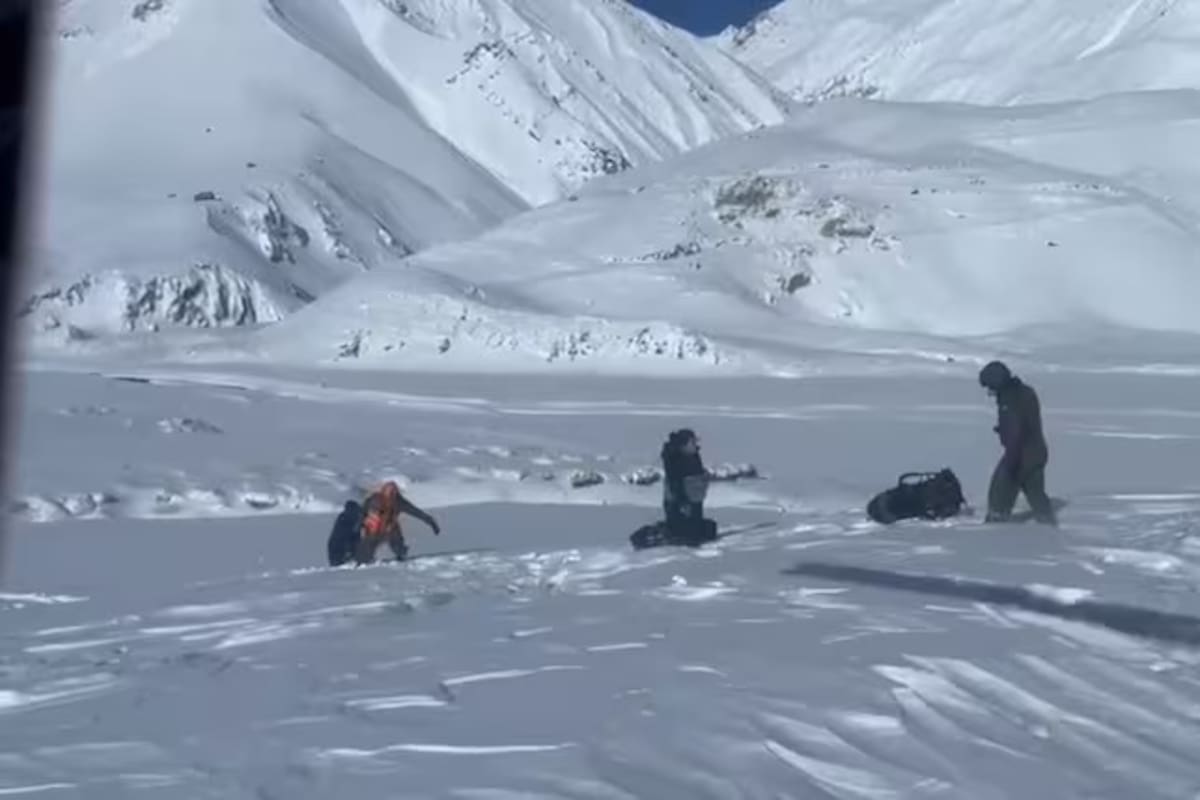
As the weather conditions showed signs of improvement on Wednesday, July 22nd, a specialized rescue operation was launched. A Carabineros helicopter, carrying personnel from the Grupo de Operaciones Policiales Especiales (GOPE), a highly trained tactical unit, took off from the Tobalaba aerodrome. Their mission was to survey the affected mountainous terrain in search of the missing individuals.
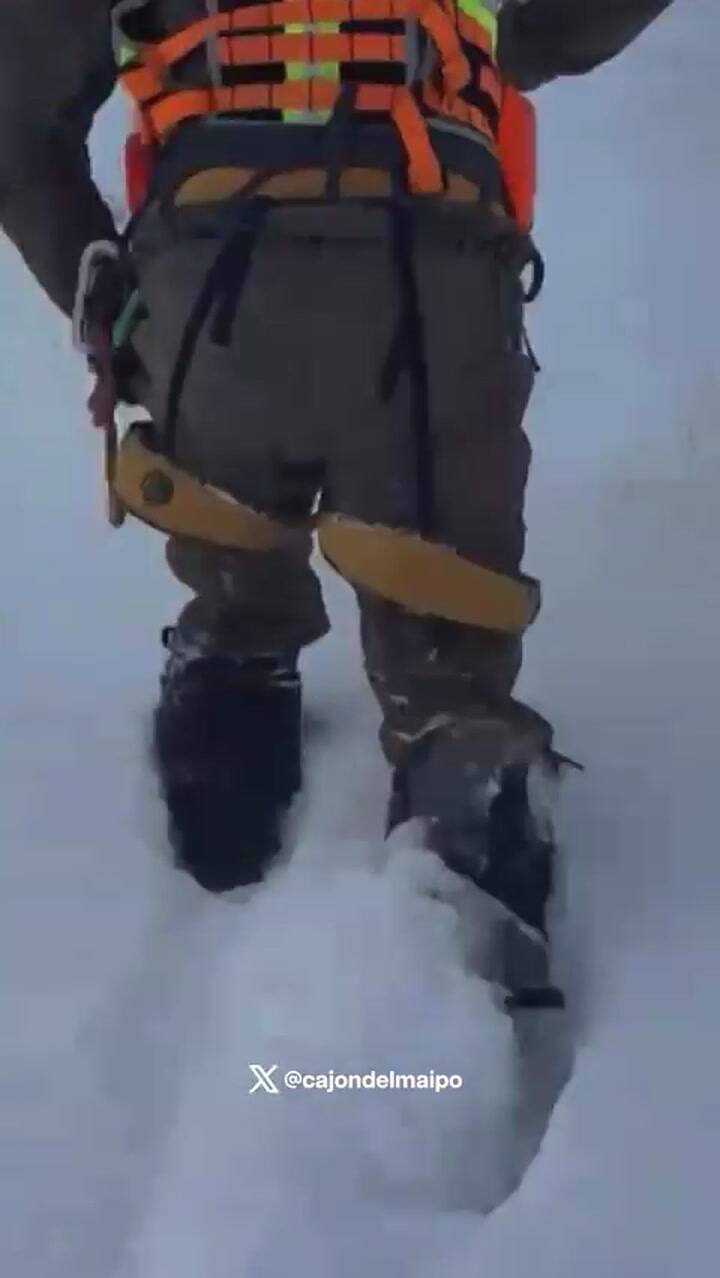
Upon spotting the helicopter, Orellana emerged from the refuge and began signaling with his arms. The pilot successfully located a suitable landing spot, and the GOPE team initiated the evacuation. In a carefully coordinated effort, Orellana was first transported to safety. The helicopter then returned to the refuge to pick up Núñez Hermosilla and Retamal Pelz.
Safe Return and Emerging Questions
All three individuals were flown to the nearby town of San Gabriel, where they underwent immediate medical assessments. Initial examinations confirmed that they were in good health, although understandably affected emotionally by the harrowing experience of being stranded for nearly a week.
Following their rescue, Lieutenant Colonel Tatiana García-Huidobro, head of the Metropolitan Missing Persons Brigade of the PDI, provided further details. She stated that the rescued individuals had acknowledged the imprudence of their decision. "Today they feel regretful, they said they should never have gone up, that it was a bad decision," she reported, reflecting their expressed remorse.
The successful rescue, while a cause for relief, has introduced a complex new dimension. Reports from publications like El Mostrador indicate that the Metropolitan Presidential Delegation has consulted with the State Defense Council (CDE) to explore the legal and financial feasibility of recovering the public funds utilized in the extensive search and rescue operation. This intervention involved a significant deployment of resources, including the helicopter, GOPE personnel, army troops, firefighters, emergency medical services (SAMU), and municipal officials. The estimated cost of such an operation, particularly one involving aerial assets and specialized personnel over multiple days, can run into hundreds of thousands of dollars, or potentially over 100 million Chilean pesos, as suggested by some preliminary reports.
The Broader Implications: Responsibility and Resource Allocation
The potential move by the Chilean government to seek reimbursement from the rescued individuals raises pertinent questions about personal responsibility in emergency situations. While the state has a fundamental duty to protect its citizens and respond to emergencies, the circumstances surrounding this incident – namely, venturing into a known hazardous area after official warnings and closures – could be interpreted as contributing to the need for rescue.
This situation highlights a recurring tension in disaster response and emergency services. On one hand, there is a moral and legal imperative to save lives, regardless of the circumstances that led to the individual being in peril. On the other hand, the allocation of finite public resources necessitates careful consideration. When individuals knowingly disregard safety warnings and place themselves in situations that require extensive and costly rescue efforts, questions about accountability naturally arise.
Chile, like many countries, faces the challenge of managing its emergency response budgets effectively. The Cajón del Maipo, a popular tourist and recreational area, is susceptible to natural hazards, including landslides, flash floods, and extreme weather events, particularly during the winter months. The recent storm that led to this rescue was part of a broader meteorological phenomenon that affected large parts of central Chile, causing significant damage and disruption, and prompting declarations of catastrophe in some areas. The economic impact of such events, coupled with the costs of rescue operations, places a considerable strain on national resources.
The decision by the government to investigate the possibility of recouping costs could set a precedent. It may encourage greater caution among individuals venturing into remote or potentially dangerous areas. However, it also risks creating a disincentive for people to report themselves missing or to seek help in emergencies, fearing the financial repercussions. This is a delicate balance that emergency management agencies and policymakers must navigate carefully, ensuring that the primary goal of saving lives remains paramount while also promoting responsible behavior and sustainable resource management.
The case of Manuel Orellana and the two teachers serves as a stark reminder of the unpredictable power of nature and the vital role of emergency services. It also underscores the complex ethical and financial considerations that accompany such life-saving missions in an era of increasing environmental volatility and constrained public budgets. The final decision regarding the potential cost recovery will undoubtedly be closely watched, both within Chile and internationally, as it may offer insights into evolving approaches to managing the intersection of individual risk-taking and public emergency response.

Related Posts

The Electric Vehicle Battery Health Debate Emerges as Argentina’s EV Market Accelerates

President Donald Trump Confirms Secret Departure from Turkey Amidst Assassination Threat