China’s Growing Animal Welfare Movement Faces Systematic Suppression Amid Rising Instances of Cruelty
The summer of 2024 has marked a significant turning point in the Chinese public’s relationship with animal welfare, as two high-profile incidents of extreme cruelty toward stray animals triggered a nationwide wave of outrage. While the incidents themselves—occurring in Guangdong and Chongqing—shocked the conscience of the nation, the subsequent response from Chinese authorities has followed a familiar pattern of censorship, physical intimidation, and the systematic dismantling of grassroots activism. These events have highlighted a growing friction between a modernizing society that increasingly views pets as companions and a legal system that offers virtually no protection for non-wildlife animals.
The first of these incidents gained national attention in late June when graphic footage from Jieyang, Guangdong province, began circulating on social media platforms. The videos depicted four young boys engaged in the prolonged torture and eventual burning of a stray dog and her litter of puppies. The visceral nature of the footage caused an immediate and massive outcry across Chinese digital spaces. However, rather than facilitating a public dialogue on animal rights, the government’s reaction was characterized by a swift effort to contain the narrative. By June 30, local authorities acknowledged the abuse and stated that the individuals involved had been dealt with, yet they simultaneously issued directives urging "netizens not to spread related information," signaling the start of a broader crackdown on the discourse surrounding the event.
A Chronology of Escalation and Public Mobilization
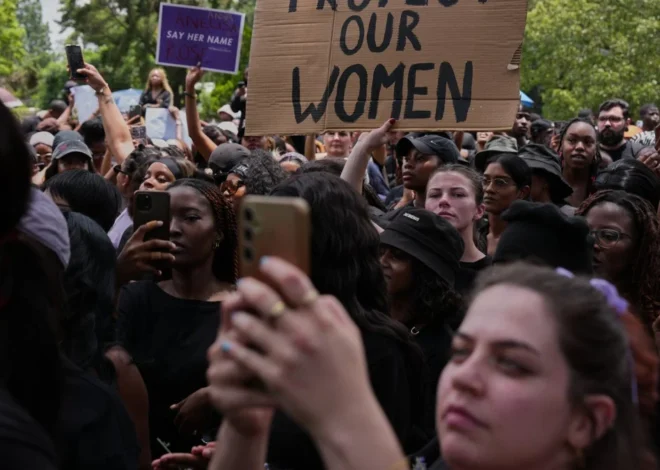
The events in Jieyang did not occur in a vacuum but followed a similar incident in the municipality of Chongqing earlier that month. In early June, reports surfaced of a delivery driver allegedly torturing a dog. This incident sparked an immediate physical gathering of hundreds of residents who surrounded the residential area where the alleged abuser lived, demanding accountability. For several days, the standoff persisted, representing a rare instance of large-scale public assembly in a country where such gatherings are strictly regulated.
The timeline of the summer’s unrest reveals a rapid escalation of public sentiment. By mid-June, the Chongqing protests reached a breaking point when police moved in to forcibly disperse the crowds. Reports and eyewitness videos indicated that several protesters were injured during the clearance, and dozens were briefly detained. It was only under intense sustained public pressure that authorities eventually detained the alleged abuser.
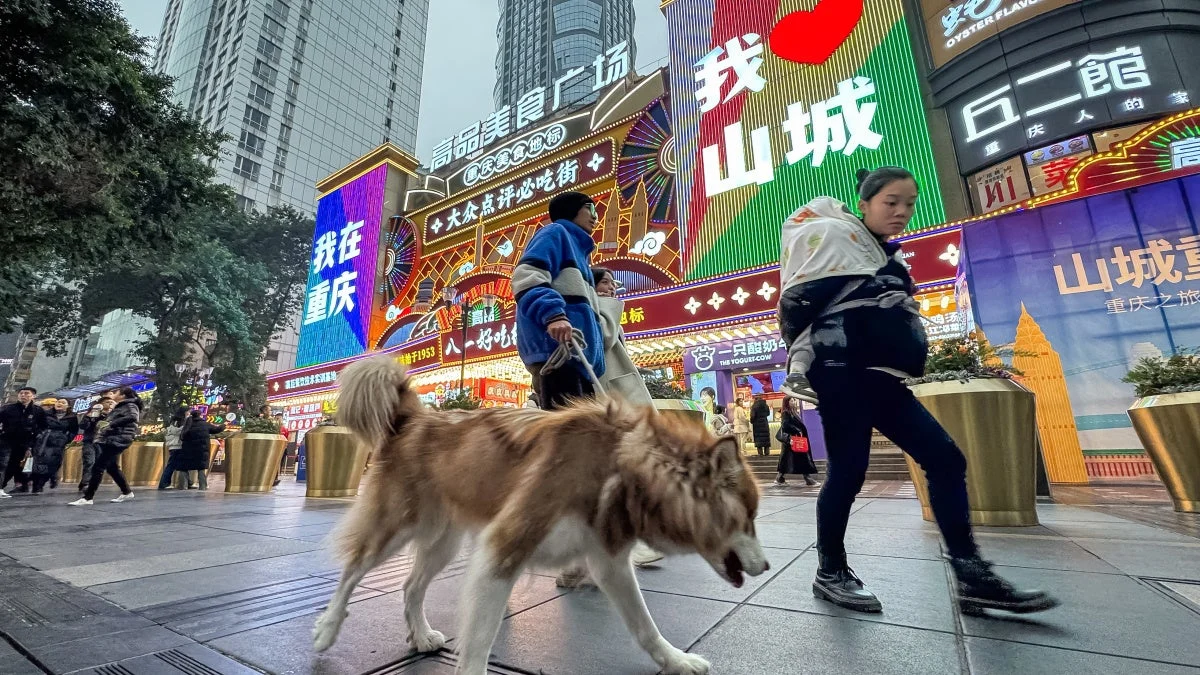
Following the Jieyang incident in late June, the movement shifted from physical protests to a sophisticated, multi-city advertising and petition campaign. Throughout July, animal protection supporters utilized crowdfunding to purchase billboard space and digital screen advertisements in over 100 cities across mainland China. These advertisements did not merely mourn the loss of the animals—referred to affectionately by the collective name "Wang Wang"—but explicitly called for the enactment of a national animal protection law. This mobilization extended beyond the mainland, with supporters funding high-profile displays in Hong Kong’s Mong Kok district, Taipei, and New York’s Times Square, effectively internationalizing the domestic crisis.
Data and the Socio-Economic Context of Pet Ownership
The intensity of the public reaction can be attributed to the massive demographic shift in Chinese pet ownership over the last decade. According to the 2023-2024 China Pet Industry White Paper, the number of pet owners in urban areas has surpassed 75 million, with the total pet population (dogs and cats) exceeding 120 million. The "pet economy" in China is now estimated to be worth over 270 billion yuan (approximately $38 billion USD), reflecting a society where animals are increasingly integrated into the domestic and emotional lives of the middle class.
For many young professionals and "empty nest" youth in China’s tier-1 and tier-2 cities, pets have become essential sources of companionship amid rising social isolation and economic pressure. This cultural shift has created a significant "empathy gap" between the younger generation and an older administrative apparatus that often views stray animals as a public nuisance or a hygiene issue rather than sentient beings deserving of legal protection. The lack of a comprehensive animal welfare law remains the primary grievance; while China has the Wildlife Protection Law, it does not have a statute that specifically criminalizes the abuse of domestic or stray animals, leaving a legal vacuum that allows acts of cruelty to go largely unpunished unless they happen to infringe on property rights or public order.
The Mechanism of State Suppression
As the "Wang Wang" movement grew, the Chinese state’s stability-maintenance (weiwen) apparatus began to view the activism as a threat to social harmony. The suppression manifested in several layers, ranging from digital censorship to direct police intervention.
On social media platforms like Weibo and WeChat, the term "Wang Wang" became a sensitive keyword. Posts featuring the term, particularly those linked to memorial efforts or calls for legal reform, were systematically removed. The Cyberspace Administration of China (CAC) reportedly directed platforms to block trending topics related to the Jieyang case. Even high-profile voices were not immune; a statement by a prominent celebrity condemning the abuse and supporting the call for legislation was reportedly scrubbed from Weibo after gaining significant traction.
Beyond the digital sphere, the crackdown turned physical. In several cities, police reportedly ordered the immediate removal of memorial advertisements from public screens, citing "unauthorized messaging" or "disruption of public order." Organizers of the crowdfunding campaigns reported being summoned by police for questioning. According to reports from the BBC and other international outlets, dozens of activists were threatened with legal consequences if they continued their advocacy. The message from the authorities was clear: while the abuse of animals was regrettable, the organized public response to it was considered a greater threat to state security.
Official Responses and the Legal Vacuum
The official response from local governments has been consistently reactive rather than proactive. In both the Jieyang and Chongqing cases, authorities only took action against the perpetrators after the incidents had already caused significant social unrest. Even then, the punishments meted out were often minimal, typically involving short-term administrative detention or "criticism and education," because there is no specific criminal statute for animal cruelty.
In 2009, a group of legal scholars led by Chang Jiwen of the Chinese Academy of Social Sciences proposed a draft for a "Prevention of Cruelty to Animals Law." The proposal included provisions for fines and jail time for those who mistreat animals. However, the draft never made it to the National People’s Congress for a vote. Opponents of such laws often argue that China is not yet socio-economically ready for animal welfare legislation, or that protecting animals is a "Western" concept that conflicts with local priorities.
However, the 70,000 signatures on the recent Change.org petition and the widespread participation in the billboard campaigns suggest that a significant portion of the Chinese public disagrees with this assessment. The demand for a national law is no longer a fringe movement; it is a mainstream sentiment driven by a citizenry that views legal reform as a necessary step in the country’s civilizational progress.
Broader Implications for Civil Society and Governance
The suppression of the animal welfare movement this summer has broader implications for the state of civil society in China. Animal rights activism has traditionally been seen as a "safe" or "non-political" space for civic engagement, similar to environmental protection or consumer rights. By cracking down on this movement, the authorities are signaling that any form of organized collective action—regardless of the cause—is subject to the same level of scrutiny as more overtly political dissent.
Furthermore, the violence reported in Chongqing during the dispersal of protesters highlights the government’s willingness to use force to maintain "social stability" even when the protesters’ demands are peaceful and focused on moral or legal clarity. The use of intimidation against those mourning "Wang Wang" suggests that the state is increasingly wary of "emotional mobilization," where shared grief or outrage becomes a catalyst for networking and organization outside of state-sanctioned channels.
As the summer ends, the tension remains unresolved. The videos of abuse have been deleted, the billboards have been taken down, and the protesters have been dispersed, but the underlying issues persist. The lack of a legal framework to address animal cruelty continues to leave a void that will inevitably be filled by more graphic content and subsequent public anger in the future.
The events of this summer demonstrate that for a growing segment of the Chinese population, the protection of animals is intrinsically linked to the rights of the public and the desire for a more compassionate society. Until the Chinese government addresses the legislative gap and allows for a peaceful public discourse on these issues, the cycle of cruelty, outrage, and suppression is likely to repeat. The "Wang Wang" incidents have shown that while the state can remove a billboard or block a keyword, it cannot so easily erase the evolving moral expectations of its citizens. The call for an animal protection law is, at its core, a call for a legal system that reflects the values of a modern, empathetic society—a demand that is unlikely to disappear despite the current climate of suppression.

Related Posts

Human Rights Watch Calls for Investigation into Death of Detainee Following Removal from Najaf Hospital by Iraqi Drug Police

Human Rights Watch Urges UN Security Council to Extend Lebanon Peacekeeping Mission Amid Escalating Conflict and Humanitarian Crisis