Greece Solidifies Strategic Defense Modernization with Multi-Billion Euro Israeli Air Defense Deal and International Procurement Packages
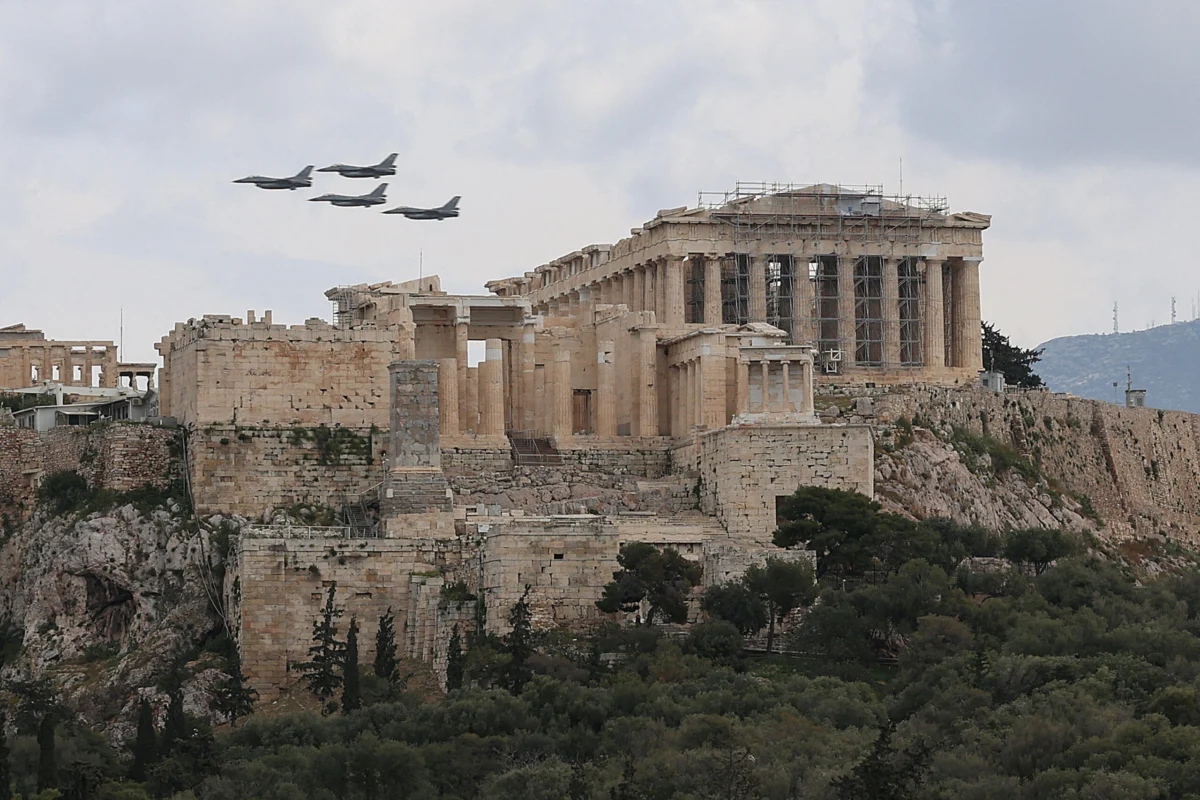
ATHENS — In a move that significantly alters the security landscape of the Eastern Mediterranean, the Greek government has formally ratified a series of major defense contracts, headlined by a €3.5 billion ($4 billion) agreement with Israel for a sophisticated, multi-layered air defense system. Greek Defense Minister Nikos Dendias announced on Thursday that the Governmental Council for National Security (KYSEA) has moved from initial conceptual approval to the final procurement phase, signaling a comprehensive overhaul of the nation’s military capabilities. The deal, which includes the acquisition of Israeli-made radar and missile technology, is part of a broader €28 billion modernization roadmap scheduled through 2036. Beyond the air defense umbrella, the council approved the purchase of Brazilian-made Embraer C-390 transport aircraft, specialized British mini-submarines, and a diverse fleet of unmanned aerial vehicles (UAVs) from both the United States and Israel.
The Achilles Shield: A New Era of Greek Air Sovereignty
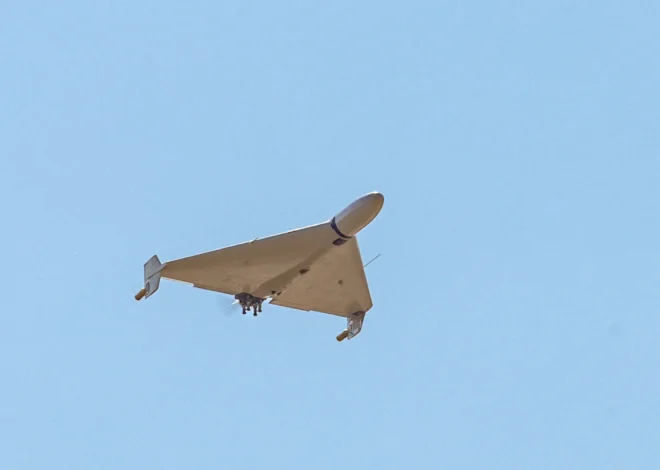
At the heart of the latest procurement is the "Achilles Shield" project, a multi-layered defensive network designed to provide 360-degree protection against a wide array of aerial threats. The system is specifically engineered to intercept ballistic missiles, cruise missiles, conventional aircraft, and the increasingly prevalent threat of loitering munitions and tactical drones.
The core components of the Achilles Shield will be provided by Israel’s leading defense contractors, Rafael Advanced Defense Systems and Israel Aerospace Industries (IAI). While the specific technical configurations remain classified, the system is expected to integrate technologies similar to those found in Israel’s proven Iron Dome, David’s Sling, and Arrow interceptors, customized for the unique geography of the Greek archipelago.
Defense Minister Nikos Dendias emphasized the urgency of the project, stating that the system is projected to be fully operational within 35 months. A critical caveat of the contract is the requirement for domestic industrial participation. Greek defense firms are slated to produce at least 25% of the system’s components, a move intended to revitalize the local defense industry and ensure long-term maintenance autonomy. This domestic involvement is seen as a strategic necessity, reducing reliance on foreign supply chains during potential conflicts.
Chronology of the Modernization Effort
The approval granted this Thursday is the culmination of a multi-year strategic shift in Greek defense policy. Following a decade of economic austerity that saw military spending stagnate, the Greek government pivoted in 2020 toward a rapid rearmament program, driven by escalating tensions in the Aegean and Eastern Mediterranean.
- 2020–2021: Greece initiates the "Agenda 2030" defense plan, prioritizing the acquisition of French Rafale fighter jets and Belharra-class frigates.
- 2023: Athens completes a €650 million deal for 36 Israeli-made rocket artillery systems, establishing a precedent for deep defense cooperation with Jerusalem.
- Early 2026: KYSEA gives initial "approval in principle" for a comprehensive air defense upgrade, citing the obsolescence of existing Soviet-era hardware.
- July 23, 2026: The Greek security council formally approves the contracts for the Achilles Shield, C-390 aircraft, VICTA mini-submarines, and multiple UAV platforms.
- 2029 (Projected): Full operational capability of the Achilles Shield system.
- 2036: Scheduled completion of the €28 billion modernization roadmap, including the full integration of F-35 Lightning II squadrons.
Diversifying the Arsenal: Naval, Aerial, and Unmanned Assets
While the Israeli air defense deal represents the largest financial commitment of the latest round, the KYSEA approvals cover a broad spectrum of military needs.
Tactical Airlift: The Embraer C-390 Millennium
Greece has officially selected the Brazilian Embraer C-390 Millennium to replace its aging fleet of C-130 Hercules transport planes. The approval for three aircraft marks a significant win for Embraer in the European market. The C-390 offers higher speed, greater payload capacity, and lower operational costs compared to older turboprop models, providing the Hellenic Air Force with enhanced rapid-deployment capabilities across the Mediterranean theater.
Maritime Special Operations: VICTA Mini-Submarines
In a move focused on asymmetric naval warfare, Greece will procure 10 British-built VICTA mini-submarines. These craft are designed for special operations forces, capable of transitioning from surface high-speed transit to submerged stealth operations. Given the thousands of islands and islets in the Aegean, these assets provide a critical tool for clandestine reconnaissance and the protection of remote maritime infrastructure.
Unmanned Systems: V-BAT and Heron
The drone package includes the U.S.-made V-BAT, a vertical take-off and landing (VTOL) UAV known for its small footprint and ability to operate from the decks of frigates or rugged land terrain. Additionally, Greece will expand its use of the Israeli Heron UAV, a medium-altitude long-endurance (MALE) platform already utilized by the Hellenic Air Force for maritime surveillance and border monitoring.
Supporting Data: The Cost of Security
Greece’s defense spending remains among the highest in the North Atlantic Treaty Organization (NATO) when measured as a percentage of Gross Domestic Product (GDP). Currently, Athens allocates approximately 3.5% of its GDP to defense, consistently exceeding the NATO-mandated 2% target.
This financial commitment is reflected in the long-term budget:
- Total Modernization Budget (through 2036): €28 billion.
- Air Defense Allocation: €3.5 billion.
- F-35 Procurement: Approximately $8.6 billion for up to 40 aircraft.
- Naval Modernization: Including French FDI frigates and potential Italian corvette deals, exceeding €5 billion.
The shift toward Israeli technology is also data-driven. The performance of Israeli systems in recent regional conflicts has provided Athens with real-world proof of concept, particularly regarding the interception of low-cost suicide drones—a threat that has become a primary concern for Greek military planners.
Strategic Context: The Pivot Away from Russian Hardware
The procurement of the Achilles Shield marks the beginning of the end for Greece’s reliance on Russian-made defense systems. For decades, Greece was an anomaly within NATO, operating the S-300 long-range surface-to-air missile system and Tor-M1 short-range units.
However, the geopolitical fallout from the war in Ukraine and the resulting difficulty in procuring spare parts and technical support from Moscow have rendered these systems a strategic liability. Furthermore, the need for full interoperability with the incoming fleet of U.S. F-35 fighter jets necessitates a move toward Western and Israeli systems that can share data seamlessly across the NATO Link-16 network. The Achilles Shield is intended to bridge this gap, offering a modern, NATO-compatible alternative to the aging S-300s.
Official Responses and Diplomatic Implications
Defense Minister Nikos Dendias framed the decision as a sovereign necessity. "Our goal is to create an impenetrable wall over the Aegean and our national territory," Dendias told reporters. "The Achilles Shield is not merely a purchase; it is a strategic investment in the future of our national security and the development of our domestic defense industry."
While official statements from Ankara have yet to be released regarding this specific deal, the move is widely viewed as a response to Turkey’s own "Steel Dome" air defense project and its burgeoning domestic drone industry. Diplomatic analysts suggest that the strengthening of the Greece-Israel defense axis serves as a stabilizing force in the Eastern Mediterranean, aligning two of the region’s most capable militaries against shared threats ranging from energy security to regional instability.
In Israel, defense officials have welcomed the deal as a testament to the "unprecedented depth" of the bilateral relationship. The collaboration extends beyond procurement; the two nations already operate a joint air training center in Kalamata and participate in frequent "Blue Flag" and "Agapinor" military exercises.
Fact-Based Analysis of Implications
The ripple effects of this €3.5 billion deal are three-fold:
- Regional Power Balance: The integration of a multi-layered Israeli defense system alongside F-35 jets will likely grant Greece a qualitative edge in electronic warfare and airspace denial. This complicates any potential adversarial plans for "anti-access/area denial" (A2/AD) strategies in the Aegean.
- NATO Integration: By phasing out Russian equipment and adopting Israeli/U.S. standards, Greece is reinforcing its position as a central pillar of NATO’s southeastern flank. This move facilitates better intelligence sharing and joint operations with the U.S. 6th Fleet and other allied forces in the Mediterranean.
- Industrial Revitalization: The 25% domestic production clause is a lifeline for the Hellenic Aerospace Industry (EAB) and private Greek defense firms. If successful, this could transform Greece from a pure importer of military hardware into a regional hub for maintenance, repair, and component manufacturing.
As the 35-month countdown begins, the Hellenic Armed Forces are set to undergo their most significant transformation since the end of the Cold War. The "Achilles Shield" represents more than just a missile battery; it is the cornerstone of a new Greek grand strategy aimed at ensuring stability in an increasingly volatile corner of Europe.

Related Posts
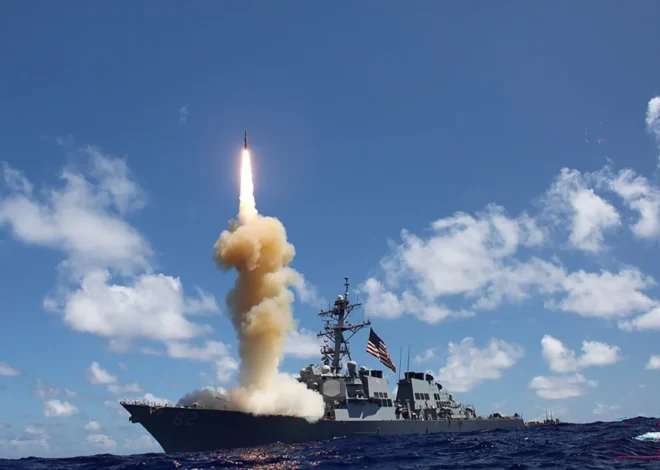
Pentagon Forges Landmark Seven-Year Agreements with Boeing and RTX to Accelerate Standard Missile-3 Production and Stabilize Defense Supply Chains
Boeing Unveils Ultra Low-Cost Seeker to Enhance Missile Inventory and Combat Cost Challenges in Modern Warfare