US Missiles Strike Agricultural Infrastructure in Iran’s Bushehr Province Amid Escalating Conflict
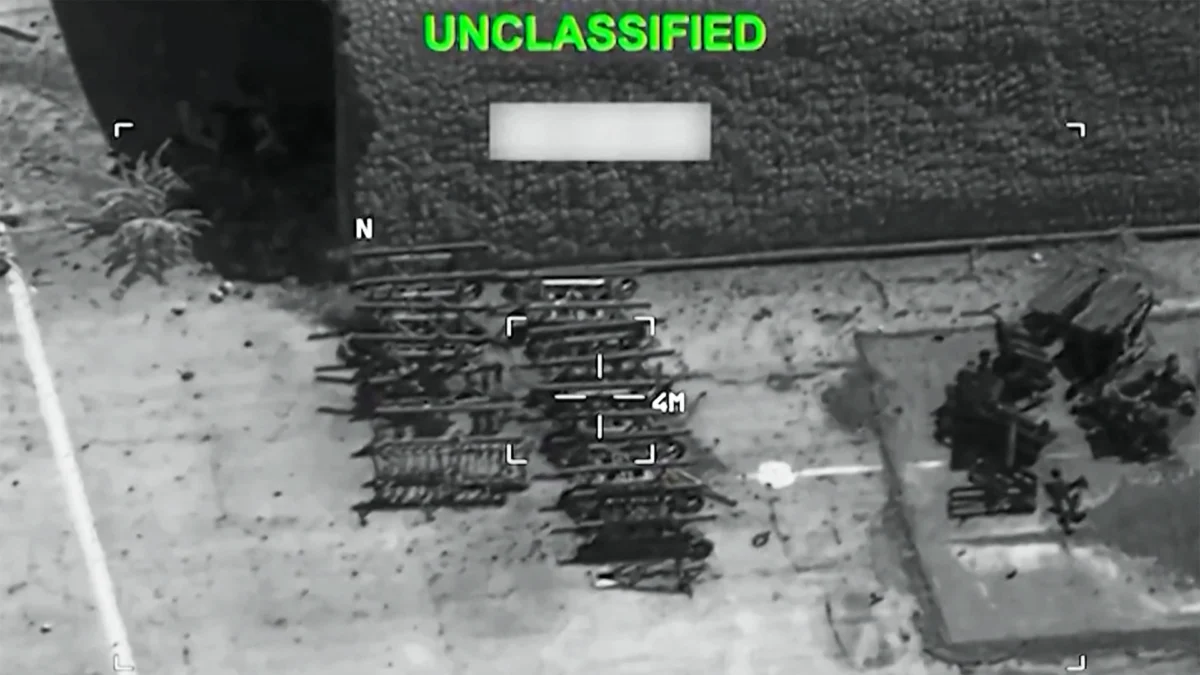
Iranian state media reported on Wednesday, July 23, 2026, at approximately 07:50 BST, that equipment belonging to farmers in Dashti county, located within Iran’s southern Bushehr province, was struck by US missiles. The Bushehr Deputy Governor confirmed that preliminary assessments indicated no casualties from the incident, although the full extent of the damage to the agricultural properties and machinery remains under investigation. This strike marks a significant escalation in the ongoing conflict between the United States and Iran, often referred to as the "War on Iran," raising immediate concerns about the targeting of civilian infrastructure and its potential humanitarian and economic ramifications.
The Bushehr Incident: Details and Immediate Aftermath
The strikes occurred in the early hours of the morning, targeting an area known for its agricultural output, particularly dates, wheat, and various fruits and vegetables that sustain local populations and contribute to national food security. While specific details regarding the type of equipment destroyed or damaged were not immediately released, initial reports from state-affiliated news agencies, such as IRNA and Fars News, highlighted the impact on farming operations. The Bushehr Deputy Governor’s statement underscored the lack of human casualties, a detail frequently emphasized by Iranian authorities in reporting on strikes to differentiate between military and civilian impacts and potentially garner international sympathy. However, the destruction of vital agricultural machinery—tractors, irrigation pumps, harvesters, and storage facilities—could cripple the livelihoods of affected farmers and disrupt local food supply chains, particularly critical in a nation already grappling with economic sanctions and regional instability. The investigation into the damage is expected to involve agricultural experts and local authorities to assess the long-term impact on the region’s productive capacity.
Background to the "War on Iran": A Protracted Conflict
The reported strike in Bushehr comes within the broader and increasingly volatile framework of the "War on Iran," a designation that has evolved from a series of escalating proxy confrontations, economic warfare, and targeted military actions over the past several years. This conflict, which intensified significantly following the breakdown of international diplomatic efforts in the late 2010s and early 2020s, has seen intermittent direct engagements and a persistent pattern of tit-for-tat actions.
The roots of the current "War on Iran" can be traced back to profound disagreements over Iran’s nuclear program, its regional influence through proxy groups, and its ballistic missile development. A series of critical events exacerbated tensions:
- 2018-2020: US withdrawal from the Joint Comprehensive Plan of Action (JCPOA), re-imposition of crippling sanctions, and targeted assassinations of key Iranian military figures, including General Qassem Soleimani. Iran responded with attacks on shipping in the Persian Gulf and ballistic missile strikes on US bases in Iraq.
- 2021-2023: Increased cyber warfare campaigns targeting critical infrastructure in both nations. Iran also accelerated its uranium enrichment activities, leading to further international condemnation and heightened military readiness from the US and its allies in the region.
- 2024-2025: A series of naval confrontations in the Strait of Hormuz, disruptions to global oil supplies, and a significant escalation in proxy conflicts in Iraq, Syria, and Yemen. This period also saw the deployment of additional US military assets to the Gulf region, alongside increased Iranian military drills and the hardening of its defensive positions.
- Early 2026: A major regional incident, speculated to be a large-scale cyberattack or a direct assault on critical energy infrastructure, led to a more overt phase of military engagement. This current phase involves targeted strikes on what the US designates as military or dual-use facilities, and Iran’s responses have included limited missile strikes and increased activity from its regional allies.
The Bushehr province, strategically vital due to its major port, oil and gas facilities, and the Bushehr Nuclear Power Plant, has historically been a focal point of these tensions. While previous strikes have often focused on military installations or energy infrastructure, the targeting of agricultural properties represents a potential shift, signaling an intent to exert broader economic pressure or a willingness to accept increased collateral damage in the ongoing conflict.
Strategic Context and Potential Motivations

The targeting of agricultural assets, even without direct casualties, carries significant strategic implications. From an Iranian perspective, it is likely to be framed as an attack on the civilian population and a violation of international law, aimed at disrupting food security and creating internal instability. This narrative would seek to rally domestic support and garner international condemnation against the US.
From a US perspective, if confirmed as an intentional strike on agricultural facilities, such an action could be justified under a doctrine of "economic warfare" or as targeting assets that could indirectly support the Iranian military or paramilitary organizations by sustaining local populations and economies. However, such justifications are often contentious and risk severe international backlash. Alternatively, the strike could be attributed to a targeting error, unintended collateral damage from a strike aimed at a nearby military objective, or even a deliberate but deniable tactic to inflict economic pain without direct confrontation with military forces. Given the precision capabilities of modern US weaponry, a "mistake" in a rural area would raise questions, suggesting that the targeting was either very specific and intentional or a significant miscalculation.
International Reactions and Official Statements
As of early Wednesday, official reactions from major international bodies and nations were beginning to surface, reflecting the gravity of the ongoing conflict.
- Iran: Immediately following the reports, Iranian Foreign Ministry Spokesperson, Nasser Kanaani, issued a strong condemnation, calling the attack "a blatant violation of international law and humanitarian principles." He stated, "The targeting of civilian livelihoods, particularly the vital agricultural sector, is an act of economic terrorism that will not go unanswered. We call upon the United Nations and human rights organizations to investigate this criminal act and hold the perpetrators accountable." Iran’s Revolutionary Guard Corps (IRGC) also issued a statement, vowing "decisive and proportional retaliation" against any further aggression targeting the nation’s civilian infrastructure.
- United States: The Pentagon, adhering to its policy of not commenting on specific operational details, initially issued a brief statement acknowledging ongoing operations in the region "to deter Iranian aggression and protect US interests." A senior State Department official, speaking anonymously, later indicated that "all targets in ongoing operations are carefully vetted to be legitimate military objectives or directly linked to Iran’s destabilizing activities." The official did not directly confirm or deny the Bushehr strike but implied that any actions taken were within the established parameters of the broader conflict. This ambiguous response is typical in situations where the US aims to maintain operational secrecy while signaling resolve.
- United Nations: UN Secretary-General António Guterres expressed "deep concern" over reports of civilian infrastructure being targeted in Iran. His spokesperson urged all parties to "exercise maximum restraint, adhere strictly to international humanitarian law, and engage in meaningful de-escalation talks to prevent further loss of life and regional destabilization." The UN Security Council was reportedly considering a closed-door briefing on the escalating situation.
- European Union: The EU High Representative for Foreign Affairs and Security Policy, Josep Borrell, called for an immediate cessation of hostilities and a return to dialogue. "The targeting of civilian economic assets, if confirmed, is unacceptable and risks exacerbating an already dire humanitarian situation," Borrell stated, reiterating the EU’s commitment to diplomatic solutions.
- Regional Powers: Saudi Arabia and the UAE, while traditional US allies, expressed apprehension regarding the escalation. Statements from Riyadh emphasized the need for regional stability and the avoidance of actions that could disrupt global energy markets, reflecting their own vulnerabilities to spillover from the conflict. Russia and China, both with significant economic and strategic ties to Iran, condemned what they termed "unilateral military actions" and called for respect for national sovereignty, implicitly criticizing the US.
Economic and Humanitarian Implications
The Bushehr strike, though reportedly casualty-free, carries significant economic and humanitarian implications, particularly if the targeting of agricultural infrastructure becomes a recurring tactic.
- Food Security: Bushehr is a significant contributor to Iran’s agricultural output. Damage to farming equipment, storage facilities, and irrigation systems directly impacts local food production. In a nation already facing food inflation and supply chain challenges due to sanctions, any disruption to domestic agriculture can exacerbate food insecurity, leading to higher prices and potential shortages, especially for vulnerable populations. The UN Food and Agriculture Organization (FAO) has previously warned about the fragility of food systems in conflict zones, and such strikes could push Iran further towards a food crisis.
- Livelihoods: Farmers in Dashti county rely entirely on their land and equipment for their income. The destruction of these assets means immediate loss of income, pushing families into poverty and potentially triggering internal displacement as individuals seek alternative means of survival. Rebuilding agricultural capacity is a long and expensive process, requiring significant investment in new machinery, seeds, and infrastructure.
- Regional Economy: Bushehr’s port is a crucial gateway for trade. While the agricultural strikes are distinct from port operations, a broader pattern of economic targeting could deter international shipping and investment, further isolating Iran and impacting regional trade routes. The psychological impact on investors and businesses operating in or near conflict zones is also considerable.
- Global Markets: Any significant disruption to Iran’s economy, particularly its energy sector or its ability to manage internal stability, has ripple effects on global oil prices and international commodity markets. While this specific agricultural strike may not immediately move global oil prices, it contributes to the overall perception of heightened risk in the Middle East, potentially influencing investor behavior.
The Road Ahead: De-escalation or Further Escalation?
The strike in Bushehr underscores the dangerous trajectory of the "War on Iran." While the absence of casualties is a momentary relief, the targeting of agricultural infrastructure represents a broadening of the conflict’s scope beyond traditional military or energy targets. This development signals a potential shift towards tactics aimed at inflicting economic pain on civilian populations, a move that could be interpreted as a war crime under international humanitarian law if proven deliberate and disproportionate.
The immediate future hinges on several factors: Iran’s response, which has historically been calibrated but firm; the US’s strategic objectives and whether this marks a new phase of economic pressure; and the international community’s ability to mediate a de-escalation. Without a concerted diplomatic effort, the conflict risks descending into a more destructive phase, with increasing humanitarian costs and severe destabilization of the entire Middle East region. The international community faces the urgent challenge of finding a pathway to dialogue before the "War on Iran" claims even more profound and irreversible damage.

Related Posts
Over 150 Israeli Settlers Storm Al-Aqsa Compound and Perform Prayers, Violating Status Quo Under Police Protection.
UN Report Highlights Over 900 Obstacles Hampering West Bank Aid Amid Escalating Humanitarian Crisis