Zelenskyy Appoints Reformist Maj. Gen. Mykhailo Drapatyi as Commander-in-Chief to Resolve Military Leadership Crisis and Public Unrest
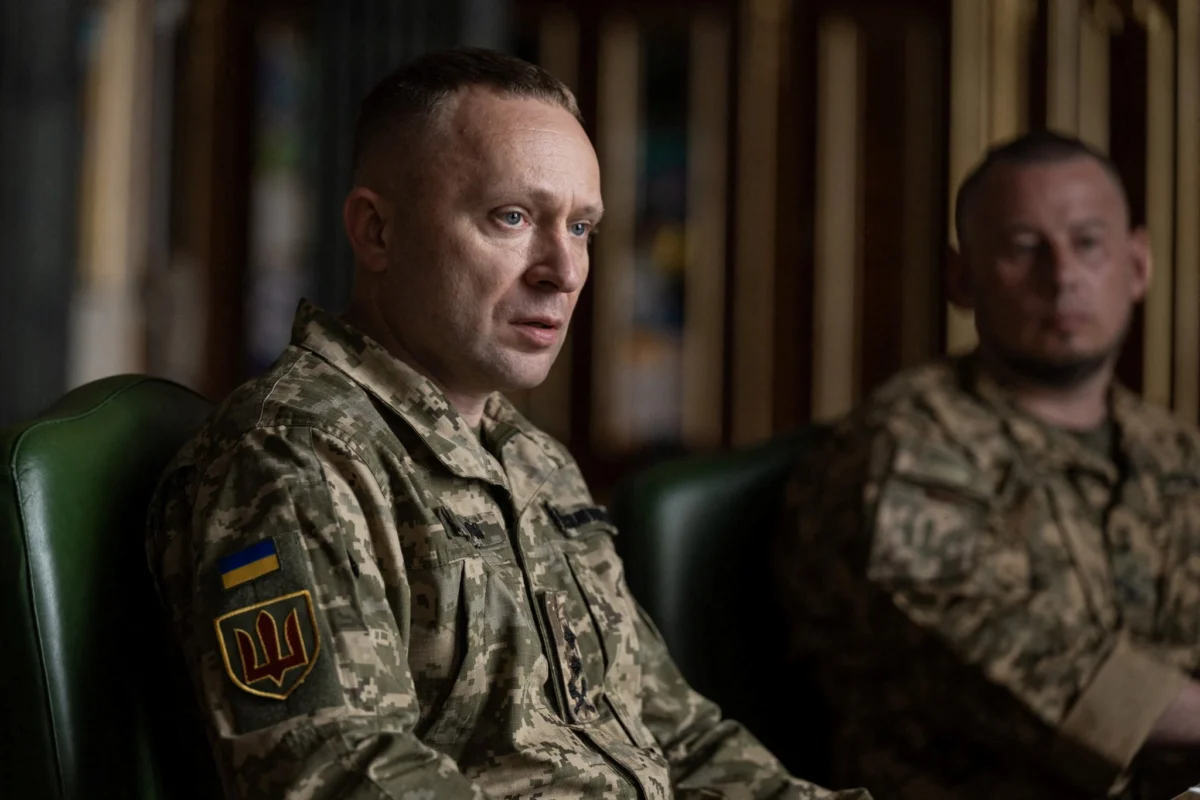
KYIV, Ukraine — President Volodymyr Zelenskyy enacted a sweeping overhaul of the Ukrainian Armed Forces’ top leadership late Tuesday, appointing 43-year-old Major General Mykhailo Drapatyi as the new Commander-in-Chief. The high-stakes decision follows a week of escalating domestic political turmoil and nationwide protests triggered by a deepening rift between the military’s high command and the Ministry of Defense. Drapatyi replaces General Oleksandr Syrskyi, who had led the military since February 2024 but recently became a focal point for public frustration over perceived bureaucratic stagnation and the controversial removal of reform-minded Defense Minister Mykhailo Fedorov.
The transition, announced shortly before midnight via the President’s official social media channels, represents the most significant restructuring of the Ukrainian military hierarchy since the early years of the full-scale invasion. In his statement, Zelenskyy acknowledged Syrskyi’s pivotal contributions to the nation’s defense while signaling that a shift in leadership style was necessary to meet the evolving demands of a war entering its fifth year.
"It is a fact that Oleksandr Syrskyi ensured Ukraine’s success in defending Kyiv, in the Kharkiv offensive operation, and in the Kursk operation," Zelenskyy wrote. "I am grateful to Oleksandr Syrskyi and every one of our soldiers for their strong positions on the front lines. I am grateful to Mykhailo Drapatyi for his vision."
Drapatyi, a career tank officer widely respected for his "soldier-first" philosophy, accepted the appointment with a pledge to prioritize transparency and accountability. Writing on Facebook, the new Commander-in-Chief stated, "I will work responsibly, focused and with respect for the people who are defending our state today."
A Week of Turmoil: The Catalyst for Change
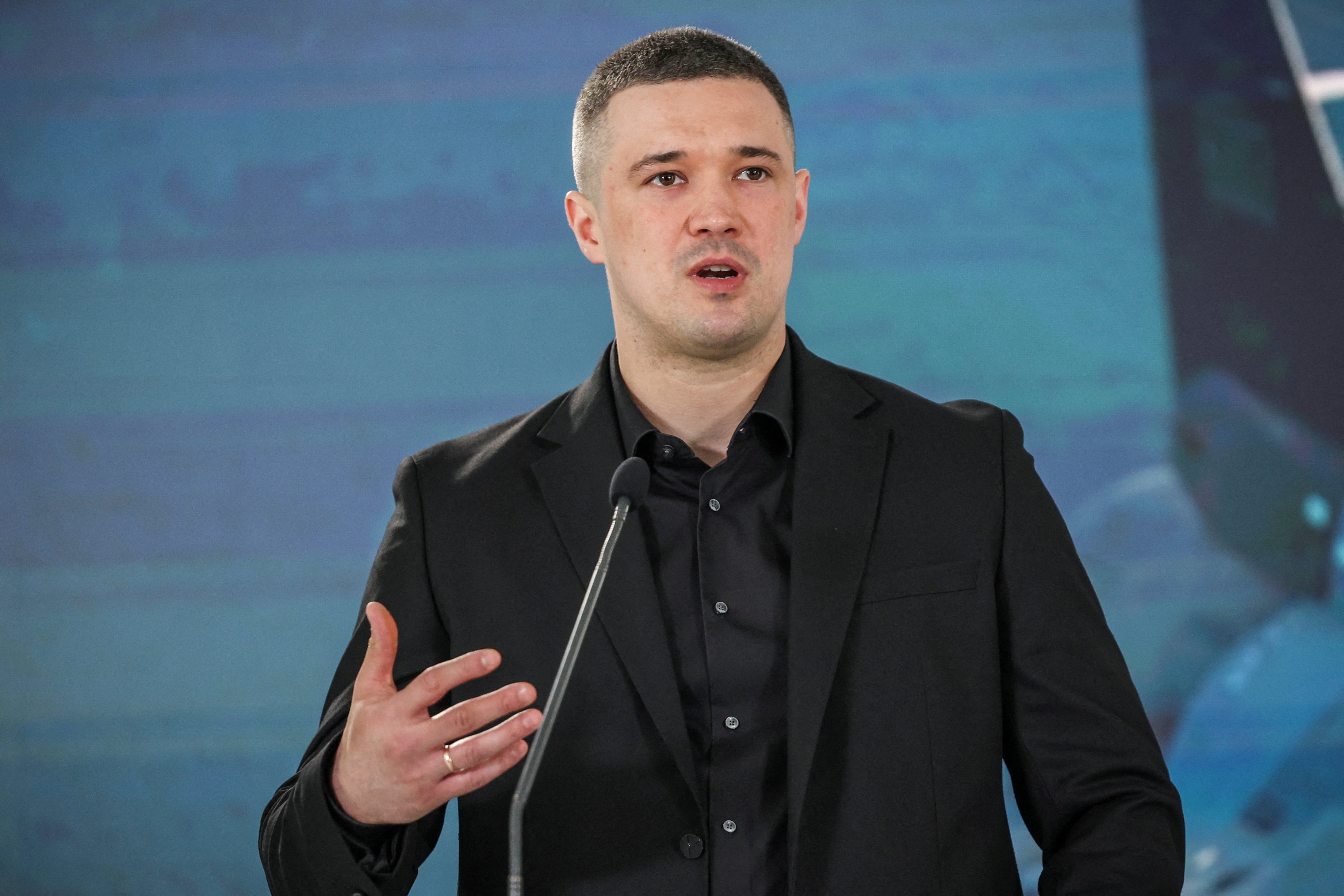
The leadership shuffle was precipitated by a political crisis that began early last week with the resignation of Prime Minister Yulia Svyrydenko. Under Ukrainian law, the Prime Minister’s resignation triggers the dissolution of the entire cabinet, requiring the reappointment of all ministers. By mid-week, it became evident that Mykhailo Fedorov, the tech-savvy Defense Minister who had become a popular symbol of military modernization, would not be reinstated.
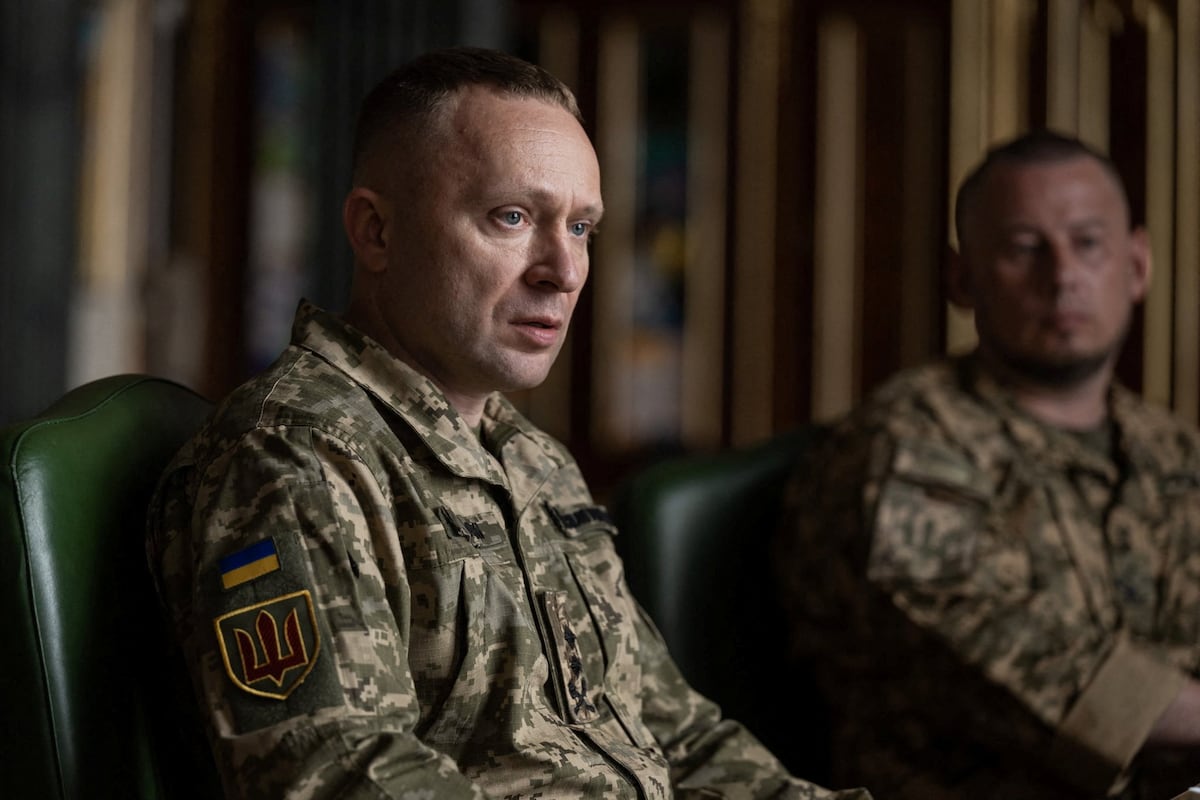
The decision to exclude Fedorov from the new cabinet ignited immediate backlash within the military and civil society. On Thursday, Colonel Pavlo Yelizarov, a key figure in the Air Force’s drone and missile defense operations, resigned in protest, labeling Fedorov’s removal "a great evil for the country’s defense capability." He was followed shortly by Serhii Sternenko, a prominent activist and drone-warfare advisor, who cited "bureaucratic obstacles and artificial delays" by those resistant to army reform as the reason for his departure.
By Thursday afternoon, the political disagreement had spilled into the streets. Protests erupted in more than a dozen cities, including Kyiv, Lviv, and Dnipro. Demonstrators carried signs with slogans such as "Removing Fedorov = helping the Russians" and "Don’t change what works, change for the better." These gatherings quickly evolved into the largest public demonstrations in Ukraine since the anti-corruption protests of the previous summer, reflecting a deep-seated public desire for a military leadership that embraces 21st-century technology and decentralized command structures.
The Clash of Military Philosophies
The crisis laid bare a fundamental ideological divide within the Ukrainian security establishment. On one side stood General Syrskyi, a Soviet-trained officer known for a centralized, top-down approach to command. While his tactical successes in Kyiv and Kharkiv are undisputed, critics—and some rank-and-file soldiers—faulted him for a rigid culture that they claimed led to unnecessary casualties. The grueling defense of Bakhmut, in particular, earned Syrskyi the grim moniker "the Butcher" among certain units who felt the human cost of holding the city outweighed its strategic value.
On the other side was Mykhailo Fedorov, who, during his brief tenure as Defense Minister, championed the rapid expansion of drone technology and "asymmetric warfare." Fedorov’s supporters viewed him as a disruptor capable of cutting through the military’s traditional red tape to provide frontline units with the tools needed to counter a numerically superior Russian force.
The tension between the two reached a breaking point last week. In a press conference following his dismissal, Fedorov alleged that his reform efforts had been met with "a complete blocking" by the military leadership. President Zelenskyy later confirmed the friction, noting that the "difficult dialogue" between the Ministry of Defense and the General Staff had become unmanageable at multiple levels.
In an eleventh-hour attempt to de-escalate, General Syrskyi published an op-ed on Monday in the military outlet Militarnyi. He denied resisting technological innovation and even offered a public apology to Fedorov for any personal offense. "If I offended anyone: Mykhailo Albertovich, I’m sorry," Syrskyi wrote. "But I ask you… let’s focus not on the personal, but on the global. On victory." However, the gesture proved insufficient to stem the tide of public and political pressure.
Profile of Mykhailo Drapatyi: The "Flying BMP"
Major General Mykhailo Drapatyi enters the role of Commander-in-Chief with a reputation built on both battlefield bravery and administrative accountability. He first gained national fame in 2014 during the initial Russian aggression in eastern Ukraine. A viral video from that era, which earned him the nickname "The Flying BMP," showed Drapatyi at the helm of an infantry fighting vehicle, brazenly smashing through a pro-Russian roadblock in Mariupol to lead his troops to safety.
Beyond the memes, Drapatyi has distinguished himself as a commander willing to take responsibility for failure—a trait that stands in stark contrast to the perceived culture of the old guard. In late 2024, while serving as commander of the Ground Forces, Drapatyi oversaw the 155th Mechanized Brigade, a unit trained by Western allies that nonetheless suffered from high desertion rates. Rather than blaming his subordinates or foreign partners, Drapatyi publicly admitted that flaws in Ukraine’s own recruitment and training systems were to blame.
His commitment to accountability was most visible following a tragic Russian missile strike on a training ground in Dnipropetrovsk Oblast that killed 12 soldiers. Despite official reports suggesting the troops were in shelters, Drapatyi acknowledged that his orders for dispersal had not been effectively implemented. He tendered his resignation at the time, stating, "An army where no one is responsible for the losses is dying from within." Zelenskyy rejected the resignation then, choosing instead to move him to the Joint Forces Command, where he successfully led operations to retake territory around Kupiansk.
Data and Public Sentiment
The urgency of Zelenskyy’s decision is underscored by recent polling data. An independent survey conducted by Gradus Research on July 16–17 revealed that over 60% of Ukrainians opposed the removal of Mykhailo Fedorov. Furthermore, nearly 50% of respondents expressed fear that his ousting would significantly weaken the country’s defensive capabilities.
The public’s embrace of Drapatyi appears to be a direct response to these concerns. During the week of protests, Drapatyi was one of the few high-ranking officers whose name was chanted alongside Fedorov’s by the crowds. His appointment is seen by many analysts as a strategic move by the President to restore public trust and bridge the gap between the military’s traditionalists and its modernizers.
Strategic Implications and the Road Ahead
The appointment of Drapatyi signals a likely shift toward the "asymmetric" strategy advocated by Fedorov and other reformers. By placing a general who has publicly supported the need for military justice and administrative change at the helm, Zelenskyy is signaling a departure from the Soviet-inflected command style that has faced increasing scrutiny.
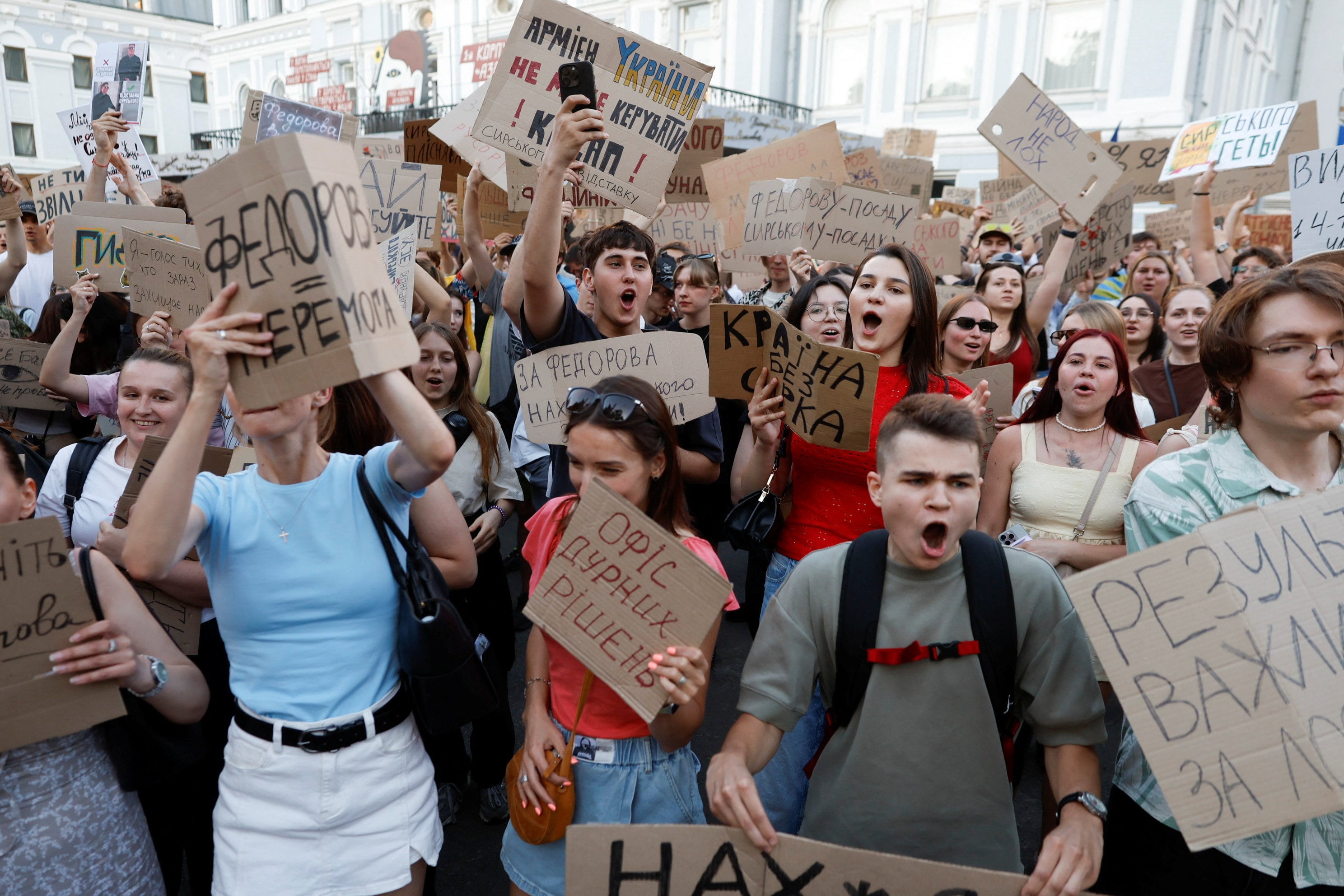
However, several questions remain unanswered. The future of Mykhailo Fedorov himself is still in limbo. While he welcomed Drapatyi’s appointment as "a new era and a new hope," Fedorov has reportedly declined offers for secondary roles focused solely on technology, insisting that he will only return to the government as Defense Minister.
Additionally, the transition comes at a critical juncture on the battlefield. As Russia continues its attritional campaign in the east, Drapatyi will be tasked with integrating new Western technologies, managing a weary force, and maintaining the momentum of drone-led operations that have become central to Ukraine’s survival.
The official formalization of Drapatyi’s role is expected on Wednesday. Military analysts suggest that his first priority will be a comprehensive audit of the General Staff’s current operations and a potential restructuring of the command chain to reflect the "vision" Zelenskyy referenced in his announcement.
By appointing a commander who is both a decorated war hero and a vocal advocate for reform, President Zelenskyy has managed to navigate—at least temporarily—the gravest domestic crisis of his wartime presidency. Whether Drapatyi can translate his reputation for accountability into a decisive advantage on the front lines will be the defining challenge of his tenure. As Fedorov noted in his final social media post of the night, "We need to move even faster and write new chapters, correcting all previous mistakes." For the Ukrainian people, the hope is that this new chapter leads more swiftly toward a just and lasting peace.

Related Posts
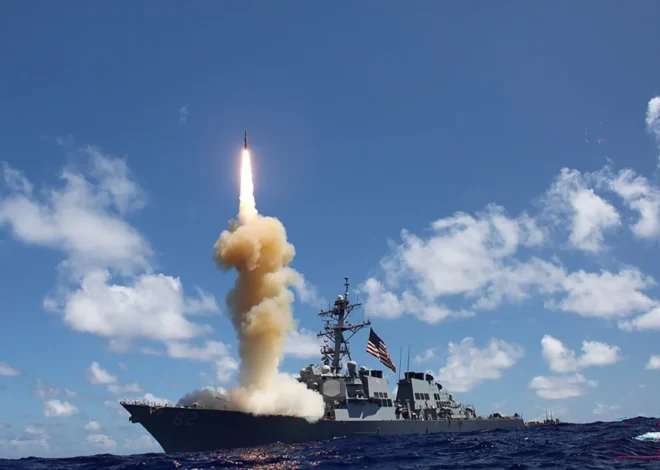
Pentagon Forges Landmark Seven-Year Agreements with Boeing and RTX to Accelerate Standard Missile-3 Production and Stabilize Defense Supply Chains
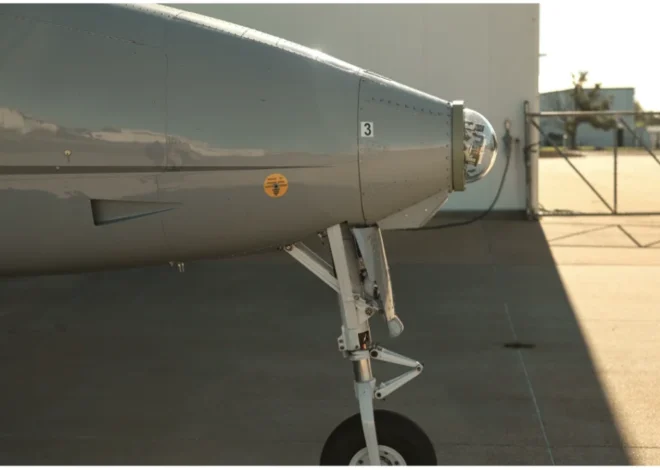
Boeing Unveils Ultra Low-Cost Seeker to Enhance Missile Inventory and Combat Cost Challenges in Modern Warfare