Bulgaria Approves US Request to Host Tanker Aircraft for Military Operations Against Iran
The Bulgarian Parliament’s Defence Committee has formally endorsed a draft decision that permits the United States Air Force to deploy tanker aircraft and support personnel to a strategic air base in eastern Bulgaria. This legislative move authorizes the use of Bulgarian territory for aerial refueling operations specifically designated to support potential military actions against Iran. The decision, reached on July 21, marks a significant escalation in Sofia’s defense cooperation with Washington and comes amid a backdrop of heightened regional tensions and explicit warnings from Tehran.
The committee’s approval follows a formal diplomatic note from the United States government requesting the temporary stationing of up to eight Boeing KC-135 Stratotanker aircraft at the Bezmer Air Base. Along with the aircraft, the request includes the deployment of approximately 250 U.S. military personnel and the necessary technical equipment to maintain high-tempo refueling sorties. The mission is scheduled to commence on July 24 and is slated to conclude by October 1, providing a critical logistical window for U.S. operations in the broader Middle East and Black Sea regions.
Legislative Framework and the 2006 Defense Cooperation Agreement
The legal foundation for this deployment is rooted in the 2006 Defense Cooperation Agreement (DCA) between the United States and Bulgaria. Under this landmark treaty, Bulgaria granted the U.S. military access to several joint-use facilities, including the Bezmer Air Base, the Novo Selo Training Range, the Graf Ignatievo Air Base, and the Aytos Logistics Center.
The DCA was designed to enhance interoperability between the two NATO allies and provide the United States with "forward operating sites" and "cooperative security locations" in Southeastern Europe. While the agreement allows for the presence of up to 2,500 U.S. troops on a rotational basis, specific operations—particularly those involving combat missions or direct support for external conflicts—often require additional parliamentary oversight to address domestic political sensitivities and international legal standing.
Defense Minister Dimitar Stoyanov, testifying before the committee, emphasized that the current request falls within the spirit of the 2006 agreement but noted that the specific nature of the mission necessitated a clear mandate from the National Assembly. Stoyanov reported that the Bulgarian Military Intelligence Service has conducted a thorough risk assessment, concluding that while the U.S. presence increases Bulgaria’s profile in the eyes of adversaries, it does not pose a "direct or imminent threat" to the nation’s territorial integrity.
Technical Specifications: The Role of the KC-135 and Bezmer Air Base
The Boeing KC-135 Stratotanker is a cornerstone of American power projection. By providing mid-air refueling, these aircraft allow fighter jets and bombers to stay airborne for extended periods, significantly increasing their operational range. In the context of operations against Iran, tankers based in Bulgaria can bridge the gap between European or Mediterranean bases and targets in the Persian Gulf or Western Asia, particularly if overflight rights in other neighboring countries are restricted.
Bezmer Air Base, located near the city of Yambol in southeastern Bulgaria, is ideally situated for this purpose. It is one of the few bases in the region capable of handling heavy military transport and tanker aircraft, boasting a runway of approximately 2,500 meters. Historically, Bezmer was a primary base for the Bulgarian Air Force’s Su-25 ground-attack aircraft. In recent years, it has undergone significant modernization funded by both Bulgarian and NATO investments to bring its infrastructure up to alliance standards.
The deployment coincides with the "Thracian Star 25" exercise, a multinational aerial drill intended to hone the combat readiness of Bulgarian and U.S. pilots. While the tankers are officially requested for operations concerning Iran, their presence during Thracian Star 25 provides a dual benefit of logistical support for the exercise and a ready posture for real-world contingencies.
Chronology of the Decision and Political Climate
The path to the July 21 vote was paved by several months of quiet diplomatic maneuvering and a notable shift in Bulgaria’s domestic political landscape.
- Early 2025: Initial U.S. military aircraft, including logistics and refueling platforms, were observed at the Vasil Levski Sofia Airport. This civilian facility, serving the nation’s capital, became a flashpoint for public debate as citizens expressed concern over the visible presence of foreign military assets in a non-military environment.
- June 2025: The Bulgarian government requested that the U.S. relocate these assets to dedicated military facilities to alleviate public anxiety.
- July 15, 2025: The U.S. submitted a formal diplomatic note requesting the specific deployment of eight KC-135s to Bezmer for the July-October window.
- July 20, 2025: Iranian officials issued a public warning to Bulgaria, stating that any nation providing "launchpads or logistical support for aggression against the Islamic Republic" would be held accountable. This was viewed by Sofia as a direct attempt to influence the upcoming parliamentary vote.
- July 21, 2025: The Defense Committee voted 10-9 in favor of the deployment.
The ruling Progressive Bulgaria party, led by Prime Minister Rumen Radev, holds a decisive majority in the 240-seat National Assembly with 131 seats. The party’s dominance ensured the committee’s success and is expected to carry the motion through the full plenary session without significant obstacles.
Domestic Strategy and the "Quid Pro Quo"
The decision to host U.S. tankers is not merely a matter of treaty obligation; it is also a calculated move in Bulgaria’s broader foreign policy strategy. Slavi Vassilev, deputy chairman of the Progressive Bulgaria parliamentary group, signaled that the government expects a return on its cooperation.
In a social media statement that resonated across Bulgarian political circles, Vassilev noted that the transparency regarding the deployment—moving the aircraft from a civilian airport to a military base and seeking a public parliamentary mandate—puts Bulgaria in a position of strength. "It will be our turn to politely ask for something else. And we will get it," Vassilev wrote.
Analysts suggest that Sofia may be seeking several concessions or upgrades from Washington, including:
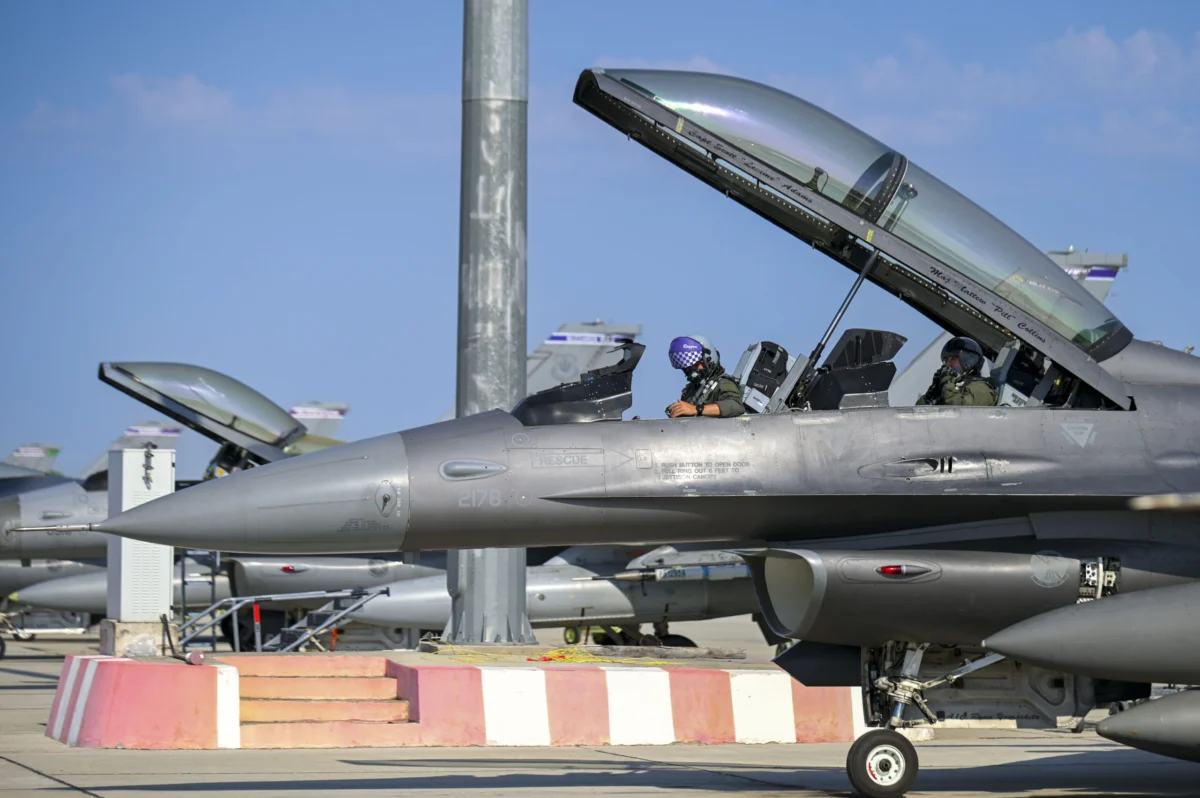
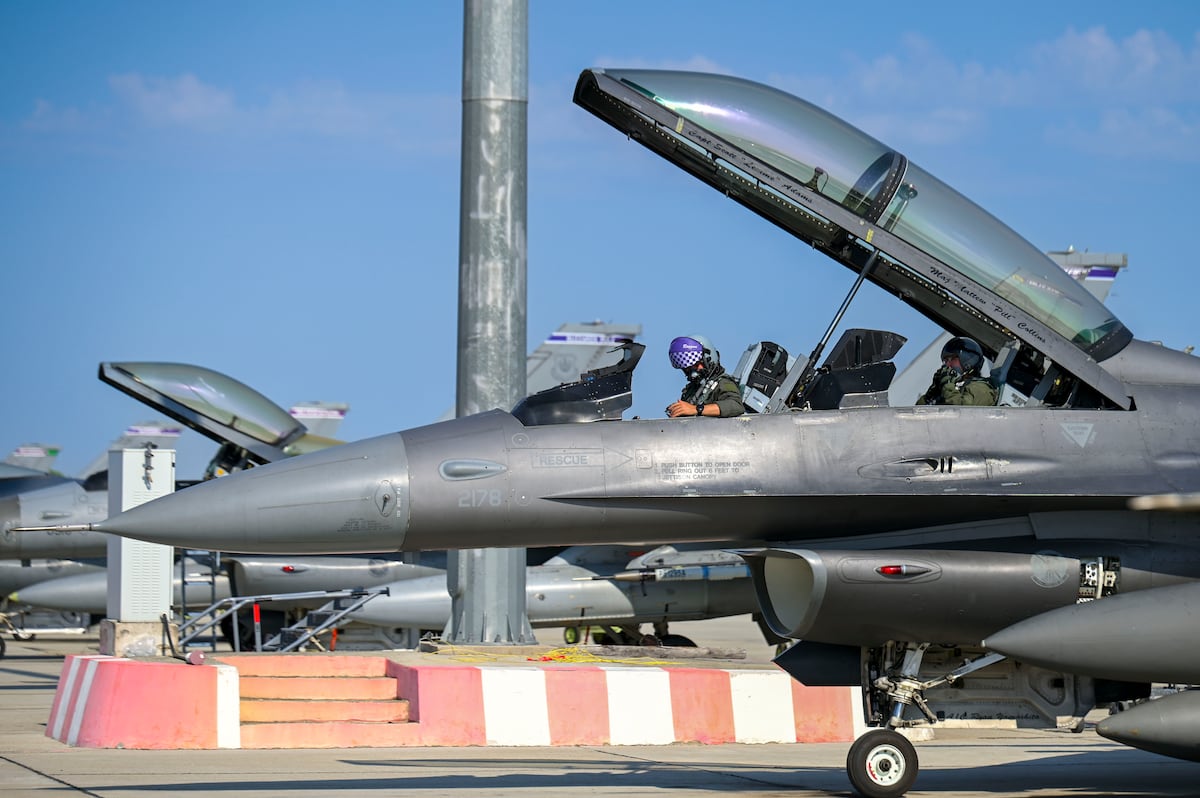
- Accelerated F-16 Deliveries: Bulgaria has been waiting for the delivery of Lockheed Martin F-16 Block 70 fighters to replace its aging Soviet-era MiG-29 fleet. Delays have left a gap in the country’s air policing capabilities.
- Advanced Air Defense Systems: Given the threats from Tehran and the proximity to the conflict in Ukraine, Bulgaria is keen to acquire U.S.-made Patriot missile batteries or similar advanced air defense systems.
- Schengen and Eurozone Support: While primarily a European Union matter, strong U.S. backing can provide diplomatic leverage in Bulgaria’s long-standing bid for full integration into the Schengen Area and the Eurozone.
International Reactions and Security Implications
The international community has reacted with a mixture of support and caution. NATO officials in Brussels welcomed the move, stating that Bulgaria’s willingness to host critical assets strengthens the alliance’s "360-degree approach" to security. The deployment reinforces the Black Sea region as a vital corridor for Western strategic interests.
Conversely, Iran’s rhetoric has sharpened. Following the committee’s vote, Iranian state media characterized Bulgaria’s decision as a "hostile act" that serves "extra-regional interests." There are concerns that Bulgaria could become a target for Iranian-backed hybrid warfare, including cyberattacks or disinformation campaigns aimed at destabilizing the Radev government.
From a strategic standpoint, the presence of eight tankers at Bezmer significantly alters the tactical calculus in the Eastern Mediterranean and Middle East. It provides the U.S. with a redundant and reliable refueling hub that is less susceptible to the political volatility sometimes found in other regional partner nations.
Future Outlook
As the National Assembly prepares for the final plenary vote, the Bulgarian public remains divided. While the government emphasizes the importance of the U.S. alliance and the lack of a direct threat, opposition voices have raised concerns about the risk of "entrapment" in a conflict that is not Bulgarian in origin.
However, the geopolitical reality of 2025 has forced Sofia to make a definitive choice. By anchoring itself more firmly to U.S. military objectives, Bulgaria is betting that the benefits of a modernized military and strengthened Western ties will outweigh the risks of Iranian retaliation. The deployment of the KC-135s to Bezmer Air Base is more than a logistical exercise; it is a clear signal that Bulgaria is prepared to play a more active and consequential role in global security operations.
The operation, set to run until October, will be closely monitored by regional powers. Should the mission lead to a permanent increase in U.S. presence or the expedited modernization of the Bulgarian Armed Forces, it may well define the nation’s defense policy for the next decade. For now, Bezmer Air Base stands ready to transform from a quiet eastern outpost into a central hub for international power projection.

Related Posts
Pentagon Forges Landmark Seven-Year Agreements with Boeing and RTX to Accelerate Standard Missile-3 Production and Stabilize Defense Supply Chains
Boeing Unveils Ultra Low-Cost Seeker to Enhance Missile Inventory and Combat Cost Challenges in Modern Warfare