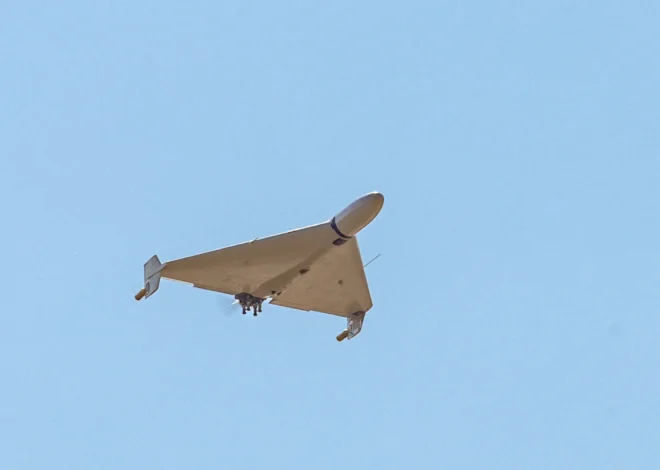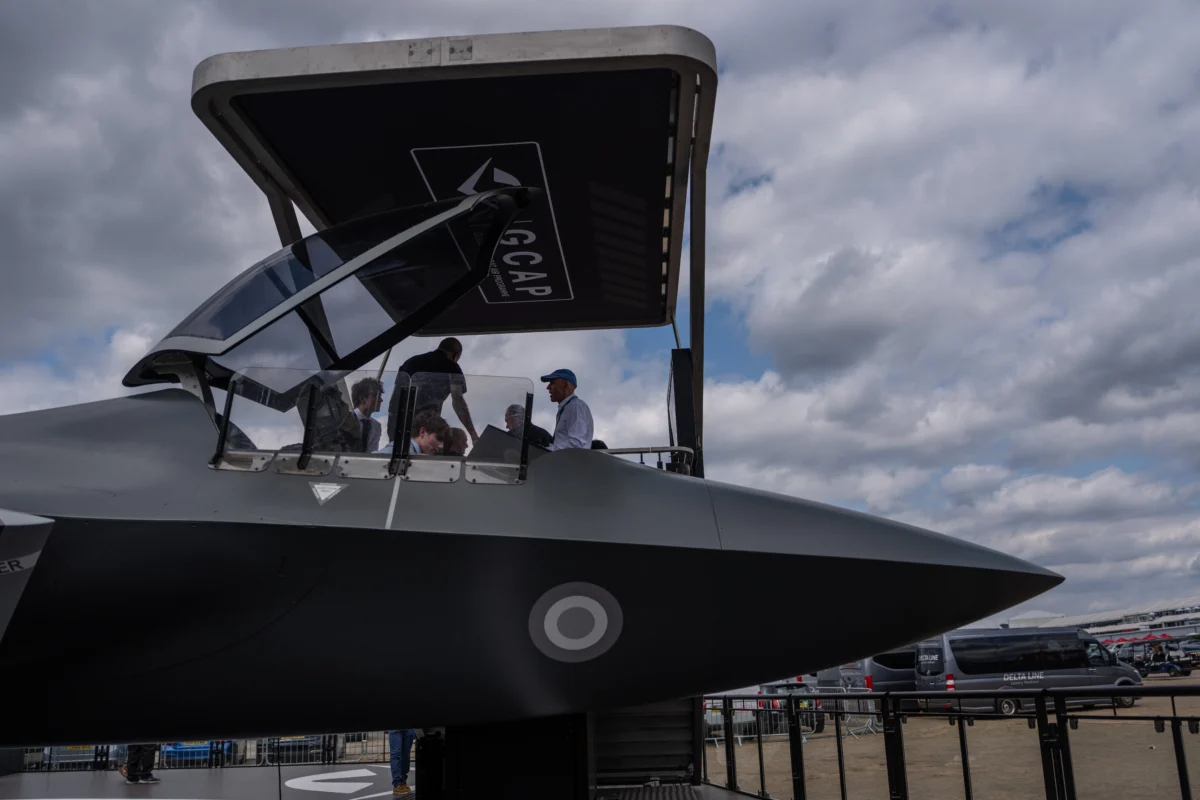
Canada Joins Global Combat Air Programme as Observer as New British Government Signals Major Defense Spending Shift at Farnborough 2026
The opening days of the 2026 Farnborough International Airshow have been marked by a significant recalibration of Western military alliances and British industrial policy, headlined by Canada’s formal entry into the Global Combat Air Programme (GCAP) as an observer. This landmark development, announced on July 21, 2026, represents the first expansion of the sixth-generation fighter jet project beyond its founding partners—the United Kingdom, Italy, and Japan. The move arrives at a pivotal moment for the British government under newly elected Prime Minister Andy Burnham, whose administration is signaling a more aggressive stance on national security and a commitment to domestic aerospace manufacturing.
The inclusion of Canada as an observer in GCAP is widely viewed by geopolitical analysts as a strategic effort by Commonwealth and European allies to diversify their defense portfolios and mitigate a long-standing reliance on United States military technology. While Canada remains a significant purchaser of American-made hardware, including the F-35 Lightning II, its participation in GCAP suggests a desire for greater sovereign control over future air superiority platforms and a seat at the table for the next generation of aerospace innovation.
The Evolution of the Global Combat Air Programme
The GCAP initiative, which aims to deliver a supersonic, stealth-capable, and AI-integrated fighter jet by 2035, has seen rapid acceleration since its formalization in late 2022. The project merged the British-led "Tempest" program with Japan’s F-X project, creating a trilateral powerhouse intended to rival the U.S. Next Generation Air Dominance (NGAD) program and the Franco-German-Spanish Future Combat Air System (FCAS).
Canada’s entry as an observer does not currently involve a financial commitment or a guarantee of procurement. However, it provides Ottawa with access to sensitive developmental data and allows Canadian aerospace firms to explore potential supply chain integration. Should Canada transition to full membership, it would share the multi-billion-dollar development costs, which are estimated to exceed £25 billion ($32 billion) over the next decade.
Industry leaders at Farnborough noted that Canada’s involvement strengthens the program’s viability. By expanding the potential customer base, the founding nations can achieve greater economies of scale, reducing the per-unit cost of an aircraft that is expected to be one of the most expensive and technologically complex platforms ever built.
A New Political Era for British Defense
The 2026 Farnborough Airshow serves as the first major international stage for Prime Minister Andy Burnham’s government. In a move that surprised some observers but heartened the defense industry, Burnham appointed John Healey as Finance Minister and Wes Streeting as Defense Secretary. Healey, a long-time advocate for robust military spending, has previously criticized conservative fiscal constraints, arguing that the UK must reach a defense spending target of 3% of GDP by 2030 to meet the rising threats in Eastern Europe and the Indo-Pacific.
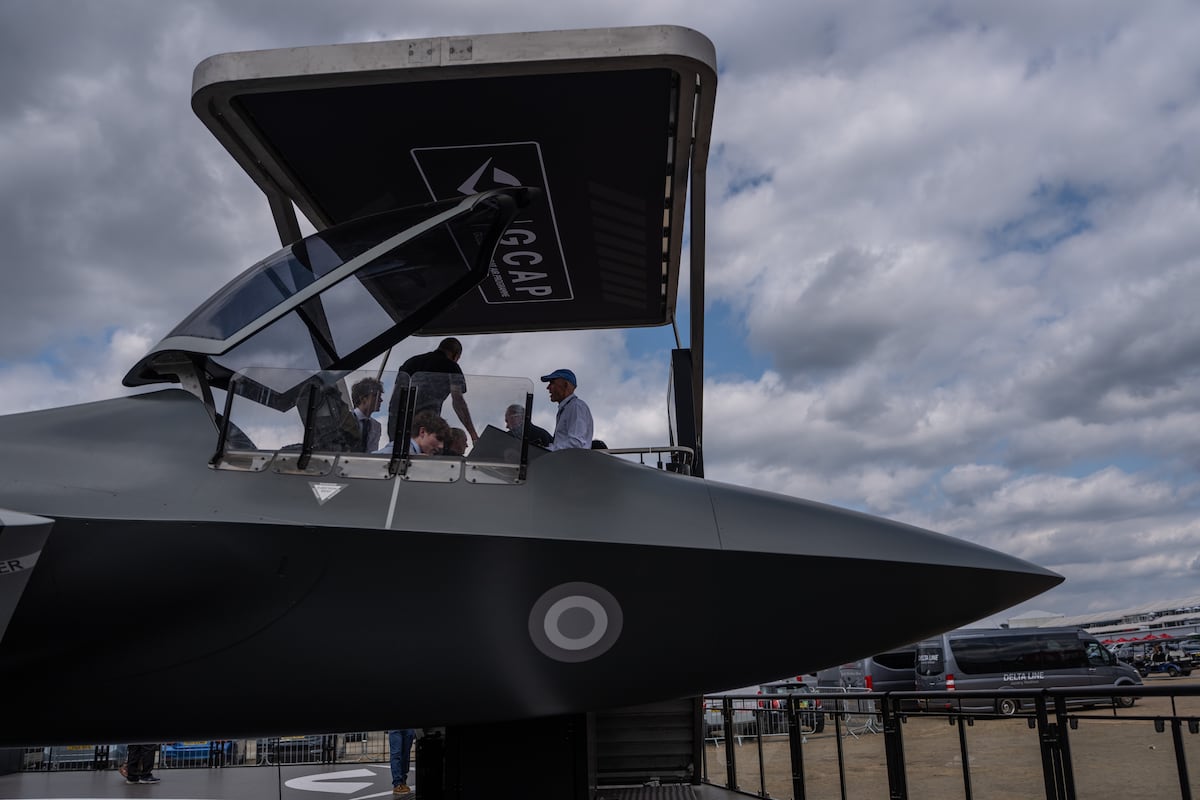
This shift in leadership had an immediate impact on the London Stock Exchange. Shares in BAE Systems, Rolls-Royce, and QinetiQ saw gains of between 2% and 4% following the ministerial appointments. Investors appear confident that the Burnham administration will prioritize "war-readiness" and provide the long-term funding certainty required for multi-decade projects like GCAP.
Tufan Erginbilgic, CEO of Rolls-Royce, expressed optimism about the new cabinet during a press briefing at the show. He emphasized that the government’s understanding of the nexus between national security and economic growth is vital for the success of the UK’s high-value manufacturing sector. Rolls-Royce is currently leading the development of the GCAP’s advanced power and propulsion systems, which are designed to provide unprecedented levels of electrical power to support directed-energy weapons and high-capacity sensors.
Strategic Partnerships: Replacing the Aging Hawk Fleet
Beyond the GCAP announcement, the airshow provided a platform for other critical industrial milestones. BAE Systems, Boeing, and Saab signed a memorandum of understanding to advance a partnership aimed at providing the Royal Air Force (RAF) with a new fast-jet pilot training system.
The proposed solution is based on the Boeing T-7 Red Hawk, a digital-first trainer currently being integrated into the U.S. Air Force. The UK is seeking a replacement for its aging fleet of Hawk T2 trainers, which have faced availability issues and are increasingly unsuited for training pilots destined for fifth- and sixth-generation cockpits.
The collaboration between BAE Systems and Boeing is particularly notable, as it blends British expertise in pilot training and domestic support with an American-designed airframe. For BAE Systems, the deal ensures a continued role in the RAF’s training pipeline, while for the UK government, it offers a path to modernize flight training without the astronomical costs of a clean-sheet domestic design.
Chronology of Defense Integration: 2022–2026
To understand the significance of the 2026 announcements, it is necessary to look at the timeline of European and Global defense integration:
- December 2022: The UK, Italy, and Japan officially announce the merger of their respective fighter programs into the Global Combat Air Programme.
- February 2024: First major hardware tests for the GCAP engine are conducted at Rolls-Royce facilities in Bristol.
- November 2025: Amid rising tensions in the Middle East, the UK Ministry of Defence fast-tracks funding for autonomous "loyal wingman" drones intended to fly alongside the GCAP fighter.
- May 2026: General Election in the UK leads to the formation of the Burnham government, with a platform centered on industrial revitalization and enhanced national defense.
- July 21, 2026: Canada joins GCAP as an observer at the Farnborough Airshow, and BAE-Boeing-Saab announce the T-7 partnership.
Economic Data and the Shift to Defense Dominance
The 2026 Farnborough Airshow reflected a broader trend in the global aerospace industry: the resurgence of defense over commercial aviation. For the first time in the show’s history, defense companies accounted for more than 50% of the 1,600 exhibitors.
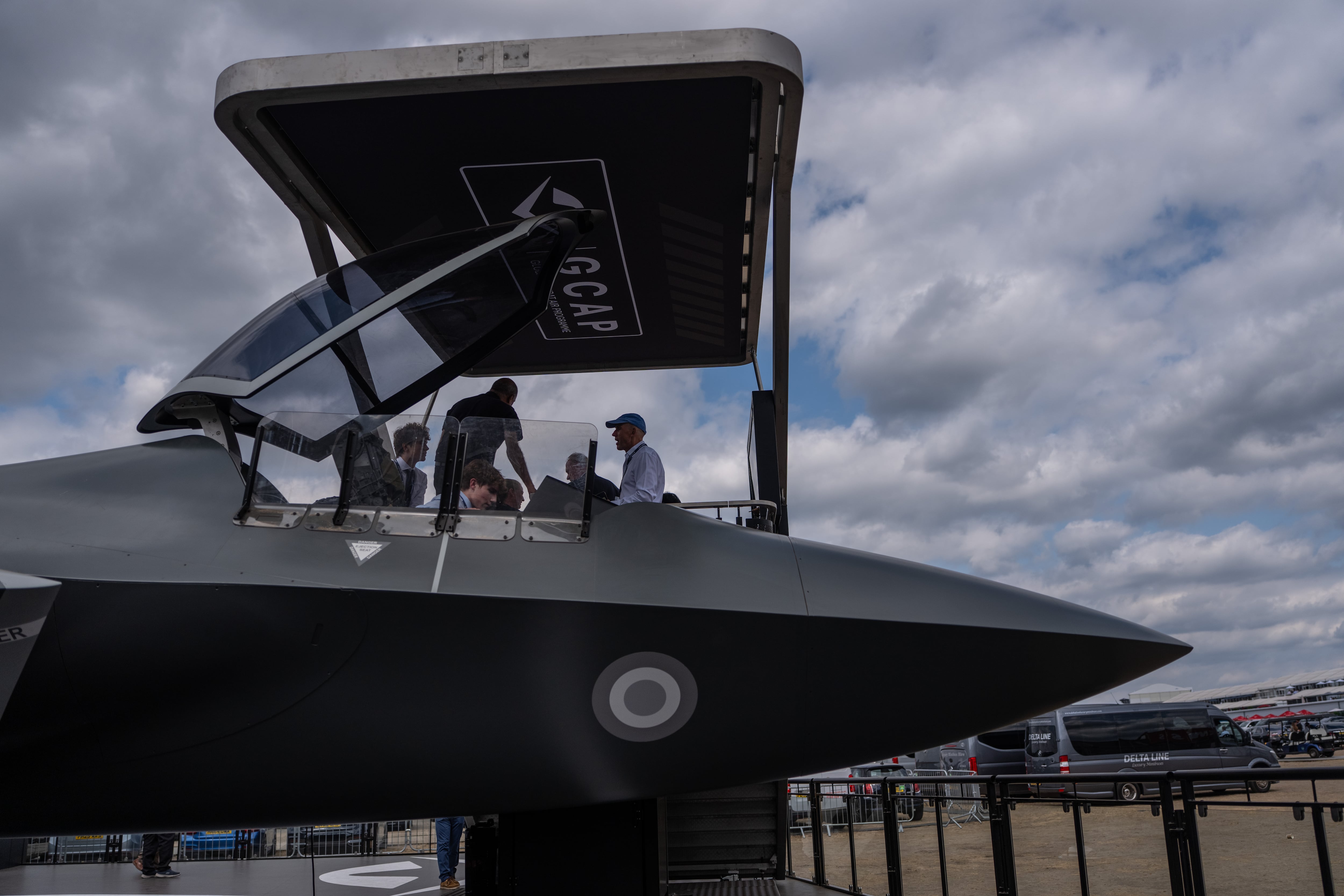
This shift is driven by a massive surge in global defense spending, which reached a record $2.44 trillion in 2025. The ongoing conflict in Ukraine has depleted Western stockpiles of conventional munitions, leading to a "re-industrialization" of the defense sector. Furthermore, the rapid advancement of AI-enabled military software and unmanned aerial vehicles (UAVs) has brought a wave of Silicon Valley-style tech firms to Farnborough, challenging the traditional "primes" like Lockheed Martin and BAE Systems.
In the UK, the defense sector contributes approximately £12 billion annually to the economy and supports over 200,000 jobs. The Burnham government’s commitment to the 3% GDP spending target would represent an additional £15 billion in annual defense contracts by 2030, a prospect that has led to calls for increased vocational training and STEM investment to fill the resulting skills gap.
Implications for Transatlantic Relations
Canada’s decision to look toward a European-Japanese consortium for its future air combat needs is a subtle but clear signal to Washington. Under various administrations, the U.S. has increasingly restricted the export of sensitive "source code" and high-end technology, even to its closest "Five Eyes" allies. By participating in GCAP, Canada is positioning itself to be a co-developer rather than a mere customer, ensuring that its own aerospace industry—led by firms like CAE and Bombardier—can benefit from intellectual property sharing.
Italian Defense Minister Guido Crosetto and Japanese Defense Minister Shinjiro Koizumi, present at the London ceremony, welcomed the Canadian delegation, noting that the "open architecture" of GCAP is designed to accommodate partners who share democratic values and a commitment to a rules-based international order.
However, the expansion of GCAP also raises questions about the future of European defense unity. With the FCAS program (France, Germany, Spain) progressing on a parallel track, the continent remains divided between two competing sixth-generation projects. Analysts suggest that the high costs of these programs may eventually force a consolidation, though political hurdles regarding workshare and national sovereignty remain formidable.
Conclusion and Future Outlook
As the Farnborough Airshow continues, the focus will remain on how the Burnham government intends to fund its ambitious defense agenda. While the market has reacted positively to the prospect of increased spending, the Finance Ministry will face the difficult task of balancing military modernization with domestic social priorities.
For the GCAP program, the next two years will be critical. The partners must finalize the "design freeze" and begin the construction of a flying demonstrator. The addition of Canada, even in an observer capacity, provides a psychological and strategic boost, suggesting that the "Global" in Global Combat Air Programme is more than just a branding exercise. It is a reflection of a new era of multi-polar defense cooperation, where the skies of the 2040s will be patrolled by aircraft born of international necessity and shared technological ambition.

Related Posts
Pentagon Forges Landmark Seven-Year Agreements with Boeing and RTX to Accelerate Standard Missile-3 Production and Stabilize Defense Supply Chains
Boeing Unveils Ultra Low-Cost Seeker to Enhance Missile Inventory and Combat Cost Challenges in Modern Warfare