Crackdown on Artistic Dissent in Morocco: The Arrest of Mehdi Black Wind and the Shrinking Space for Freedom of Expression
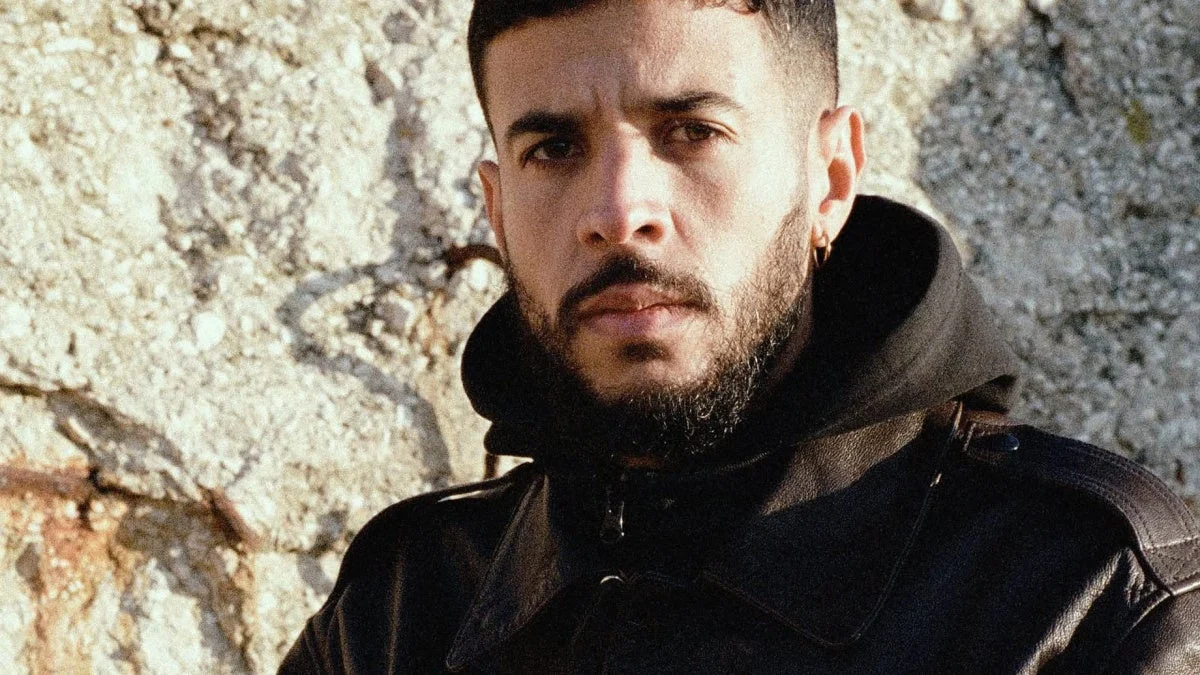
The detention of 34-year-old Moroccan rap artist Mehdi Lyoubi, known professionally as Mehdi Black Wind, has ignited a renewed international debate regarding the limits of free speech and the legal protection of the monarchy in the North African kingdom. Lyoubi, a prominent figure in the Moroccan hip-hop scene who resides in Marseille, France, was intercepted by authorities at Rabat-Salé Airport on July 10, 2026, as he attempted to return to Europe. His subsequent remand to Oukacha prison in Casablanca on charges of offending the King and the Crown Prince marks a significant escalation in the Moroccan government’s efforts to police digital and artistic content that crosses established political "red lines."
The charges against Lyoubi stem from his provocative lyrical content, which often critiques the socio-political status quo in Morocco. In one of his most polarizing verses, Lyoubi invokes the memory of Tazmamart, a clandestine and brutal detention center used during the "Years of Lead" under the late King Hassan II. By daring the state to "reopen Tazmamart and throw me in," Lyoubi tapped into a deep-seated historical trauma, using the imagery of past repression to highlight contemporary grievances. Under current Moroccan law, specifically statutes governing the "inviolability" of the monarch, such expressions can carry a prison sentence of up to four years.
A Detailed Chronology of the Arrest and Legal Proceedings
The legal trajectory of Mehdi Lyoubi’s case unfolded rapidly over the course of a week, beginning with a travel ban and culminating in a judicial order for pre-trial detention. The timeline of events, as reconstructed from legal representatives and family statements, provides a window into the procedural methods employed by the Moroccan security apparatus in high-profile dissent cases.
On July 10, 2026, Lyoubi was stopped by border police at Rabat-Salé Airport. While he expected a routine departure to Marseille, he was informed that he was under a border alert and was prohibited from leaving the country. According to his spouse, the police did not immediately arrest him but directed him to report to the local police station in his hometown of Salé.
On July 11, Lyoubi complied with the order and presented himself at the Salé police station. It was there that he was served with a formal summons from the National Brigade of the Judiciary Police (BNPJ). The BNPJ is an elite unit based in Casablanca, typically reserved for high-stakes investigations including counter-terrorism, organized crime, and sensitive state security matters. Its involvement signaled that the authorities viewed Lyoubi’s lyrics not merely as artistic expression, but as a potential threat to state institutions.
Lyoubi was transferred to the BNPJ headquarters in Casablanca on July 13 for an intensive interrogation session that lasted nearly 48 hours. Following this period of police custody (garde à vue), he was brought before a public prosecutor on July 15. The prosecutor referred the case to a judge, who ordered Lyoubi’s immediate transfer to Oukacha prison—one of the largest and most notorious correctional facilities in Morocco—pending a formal trial. His next hearing is currently scheduled for July 22, 2026.
The Context of the 2025 Protests and Gen Z Activism
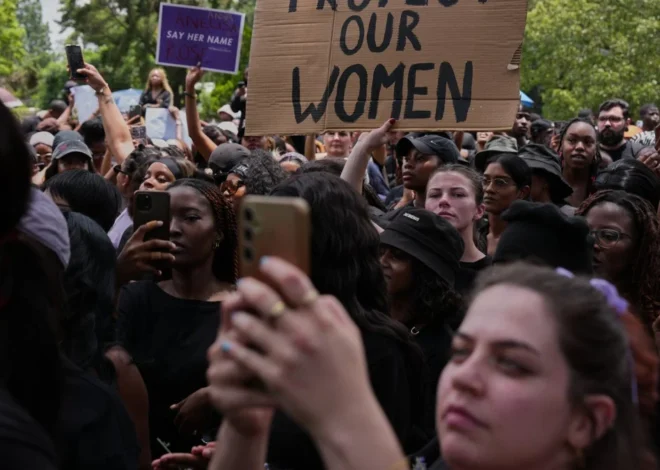
The arrest of Mehdi Black Wind cannot be viewed in isolation from the broader socio-economic tensions that have simmered in Morocco over the last several years. Lyoubi’s popularity peaked following his vocal support for the "Gen Z" protest movement that swept through major Moroccan cities in 2025. These demonstrations were characterized by a younger demographic that utilized social media and urban art forms to voice frustration over the government’s spending priorities.
The 2025 protests were sparked by a perceived imbalance in national investment. While the government allocated billions of dirhams to world-class sports infrastructure and international stadium projects, critics pointed to a decaying public education system and a healthcare sector struggling with chronic underfunding and staff shortages. Lyoubi’s music became a soundtrack for these grievances, articulating the disconnect between the "prestige projects" of the state and the daily struggles of the youth.
The state’s response to the 2025 movement was criticized by international human rights monitors. Reports from Human Rights Watch (HRW) indicated that police interventions during the peak of the protests resulted in three fatalities and hundreds of arrests. By championing the cause of these protesters, Lyoubi positioned himself as a "voice of the voiceless," a role that likely drew the scrutiny of the Ministry of the Interior and the judicial system.
Parallel Cases: The Detention of Ali Lmrabet
Lyoubi’s arrest coincides with the detention of another high-profile critic, Ali Lmrabet. A veteran journalist and longtime dissident, Lmrabet was arrested at Tangier airport on July 12, 2026, just two days after Lyoubi was stopped in Rabat. Lmrabet, who has spent decades navigating the legal hazards of Moroccan journalism, was reportedly questioned regarding content in his podcasts that criticized top-tier government advisors and security officials.
While Lmrabet was released after three days of custody following a wave of international condemnation from press freedom advocacy groups, his case underscores a pattern of heightened surveillance of Moroccan nationals residing abroad. Both Lyoubi and Lmrabet live primarily in Europe, yet both found themselves ensnared by the Moroccan judiciary upon their return to the kingdom. This suggests a "long-arm" approach to monitoring dissent, where digital content produced outside of Morocco’s borders is used as grounds for prosecution the moment the creator enters Moroccan jurisdiction.
Legal Framework and International Human Rights Standards
The primary legal mechanism used against Lyoubi is the Moroccan Penal Code, which contains several articles protecting the "sacredness" of the monarchy and the person of the King. While the 2011 Constitution, adopted in the wake of the Arab Spring, removed the word "sacred" in reference to the monarch, it maintained that the King’s person is "inviolable" and that "respect is due to him."
Article 179 of the Penal Code specifically criminalizes "any offense committed towards the person of the King or the Crown Prince." Legal experts argue that the definition of an "offense" is broad and subject to wide judicial interpretation, allowing authorities to target metaphorical or symbolic speech, such as Lyoubi’s rap lyrics.
From an international perspective, these laws are frequently cited as being in direct conflict with the International Covenant on Civil and Political Rights (ICCPR), to which Morocco is a signatory. The United Nations Human Rights Committee has consistently maintained that the mere fact that forms of expression are considered to be insulting to a public figure is not sufficient to justify the imposition of penalties. International law provides heightened protection for political speech and criticism of public officials, arguing that such discourse is essential for a functioning civil society.
The Role of Rap as a Political Tool in Morocco
Hip-hop has long served as a potent medium for political expression in Morocco. Since the early 2000s, artists like El Haqed (The Rancorous One) have faced repeated imprisonment for lyrics that challenged the "Makhzen"—the traditional power structure surrounding the monarchy. The genre’s use of "Darija" (Moroccan Arabic) allows artists to communicate directly with the working class and youth, bypassing the more formal and state-aligned traditional media.
Mehdi Black Wind represents a new generation of this movement. His lyrics are described by fans as "hard-hitting" and "uncompromising," often using vivid metaphors to describe the economic disparity in the country. By mentioning Tazmamart, Lyoubi did more than just criticize; he breached a historical silence. Tazmamart, which operated in total secrecy from 1972 to 1991, remains a symbol of the state’s capacity for absolute repression. To invoke it in a contemporary rap song is viewed by the authorities as an attempt to delegitimize the modern reforms the kingdom has promoted over the last two decades.
Implications for Civil Society and Future Outlook
The outcome of Mehdi Lyoubi’s trial on July 22 will serve as a bellwether for the state of civil liberties in Morocco. If the court pursues a maximum sentence, it may signal a period of "zero tolerance" for artistic dissent, potentially driving other artists toward self-censorship or permanent exile. Conversely, a dismissal of charges or a suspended sentence might suggest a response to the international pressure that often follows the detention of high-profile cultural figures.
Human rights organizations have already begun mobilizing. Preliminary statements from regional advocacy groups emphasize that Lyoubi should be released immediately, arguing that his detention violates the fundamental right to freedom of expression. They argue that a state confident in its stability should be able to withstand the lyrical critiques of a musician without resorting to the mechanisms of the criminal justice system.
As Morocco continues to position itself as a modern, stable gateway between Africa and Europe—and as a future co-host of the 2030 FIFA World Cup—its handling of internal dissent remains under a global microscope. The case of Mehdi Black Wind highlights the ongoing tension between the kingdom’s desire for a modern international image and its internal reliance on stringent laws to protect the traditional foundations of its political system. For now, the rap star remains behind the bars of Oukacha, a stark reminder of the risks faced by those who choose to turn their art into a weapon of political critique.

Related Posts
Human Rights Watch Calls for Investigation into Death of Detainee Following Removal from Najaf Hospital by Iraqi Drug Police
Human Rights Watch Urges UN Security Council to Extend Lebanon Peacekeeping Mission Amid Escalating Conflict and Humanitarian Crisis