US Service Member Killed in Iraq During Ordnance Disposal as Regional Tensions with Iran Escalate
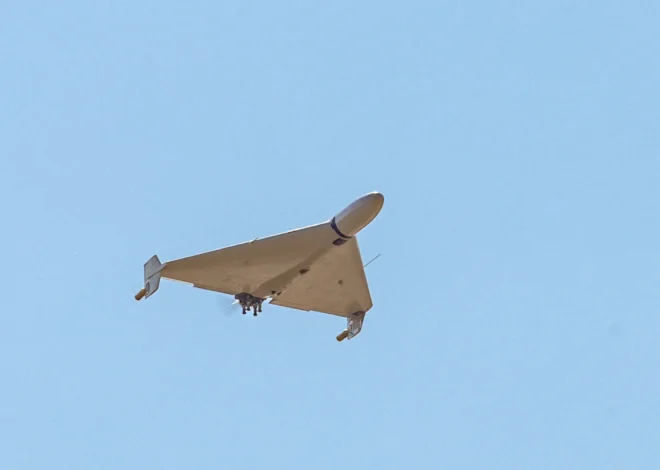
A United States service member was killed on Saturday during a controlled detonation of unexploded ordnance in northern Iraq, marking a somber milestone in an intensifying period of regional instability. U.S. Central Command (CENTCOM) confirmed the fatality on Sunday, noting that the incident occurred while personnel were attempting to safely dispose of a downed Iranian one-way attack drone. This latest casualty underscores the persistent dangers faced by American forces operating in the Middle East, where the threat of sophisticated unmanned aerial systems (UAS) and proxy-led strikes has become a daily reality.
The death in northern Iraq follows closely on the heels of a devastating ballistic missile and drone strike on Friday, which targeted U.S. and partner forces stationed in Jordan. That attack resulted in the deaths of two U.S. service members and left several others wounded, highlighting a significant escalation in the lethality of strikes attributed to Iranian-backed elements. As the Department of Defense grapples with these losses, the total number of American service members killed in the ongoing campaign against Iranian-aligned threats has risen to 18 since hostilities began earlier this year.
Fatal Incident During Controlled Detonation in Iraq
The Saturday incident in northern Iraq highlights the secondary dangers inherent in modern drone warfare. While the primary threat of a "one-way attack drone"—often referred to as a "kamikaze drone"—is its intended impact, the failure of such a device to detonate upon landing creates a lingering hazard. U.S. Central Command stated that the service member was involved in a "controlled detonation" of the unexploded ordnance (UXO) when the fatal accident occurred.
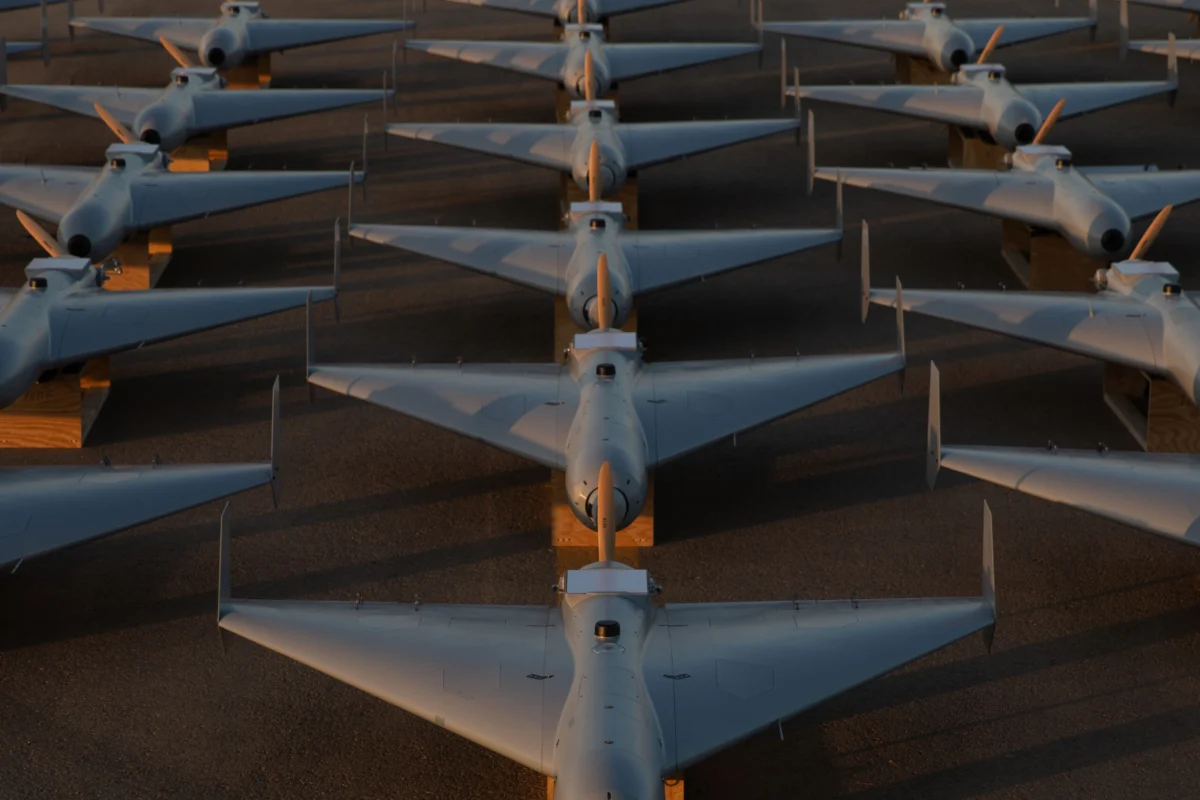
Explosive Ordnance Disposal (EOD) teams are tasked with the high-risk mission of neutralizing these threats to ensure they do not harm civilians or military personnel. Iranian-manufactured drones, such as the Shahed series or the LUCAS platforms recently deployed by CENTCOM for regional deterrence, often carry sophisticated warheads designed for maximum fragmentation. When these systems are downed—whether through electronic warfare, kinetic interception, or mechanical failure—they remain volatile. The investigation into the specific circumstances of the Saturday explosion is ongoing, as officials seek to determine if a technical malfunction or environmental factor contributed to the premature detonation.
Escalation in Jordan: Ballistic Missiles and Drone Strikes
The loss of life in Iraq cannot be viewed in isolation from the events that transpired less than 24 hours earlier in Jordan. On Friday, a coordinated assault involving both Iranian-produced ballistic missiles and one-way attack drones struck a facility housing U.S. and partner forces. CENTCOM initially reported that two service members were killed in action during the height of the bombardment.
The scale of the Jordan attack required a significant medical response. Four additional service members were medically evacuated to hospitals within Jordan for specialized care. While those four individuals have since been discharged and are expected to make full recoveries, the psychological and operational toll on the unit remains substantial. Furthermore, several other personnel were evaluated for minor injuries, including traumatic brain injuries (TBI) common in the wake of high-explosive blasts, before being cleared to return to duty.
A period of uncertainty followed the attack regarding a third service member who was initially reported as missing. However, in a statement released on Sunday, CENTCOM officials confirmed a grim discovery. "After a thorough search, U.S. military personnel found unidentified remains at the location earlier today," the command stated. An examination process is currently underway to verify the identity of the remains, which are believed to belong to the missing service member. Following standard Department of Defense protocol, the identities of all deceased personnel are being withheld for 24 hours after the notification of next of kin.
Chronology of the Current Conflict and Rising Casualties
The current campaign, which the Department of Defense has increasingly characterized as a direct confrontation with Iranian-backed aggression, officially began on February 28. Since that date, the region has seen a steady increase in the frequency and complexity of attacks targeting U.S. interests in Iraq, Syria, and Jordan.
The human cost of this campaign has been significant:
- February 28: Commencement of the current campaign following a series of proxy attacks on U.S. bases.
- July 1: Cmdr. Gabriel Edwards, the commanding officer of the Navy’s Helicopter Sea Combat Squadron 5, was killed when his MH-60S Sea Hawk helicopter went down in the Arabian Sea. While three other sailors were rescued, the loss of a senior officer highlighted the operational strain on forces maintaining a high-tempo presence in the region.
- Recent Days: The deaths of three service members in Jordan and one in Iraq bring the total death toll to 18.
- Wounded in Action: More than 400 U.S. troops have been wounded or injured since the start of the campaign, ranging from shrapnel wounds to long-term neurological damage from concussive blasts.
The Role of Iranian Drone Technology in Regional Instability
The use of "one-way attack drones" has fundamentally altered the security landscape of the Middle East. These systems, which are relatively inexpensive to produce but difficult to intercept, allow Iranian-backed groups to project power across borders with a degree of deniability. The LUCAS platforms mentioned in recent CENTCOM briefings are part of a broader strategy to counter these threats by deploying similar capabilities for deterrence and regional security.
However, the proliferation of these drones means that U.S. forces must constantly adapt. The incident in northern Iraq serves as a reminder that the "neutralization" of a drone in the air is only the first step. The recovery and disposal of these systems require specialized EOD expertise, and as the number of downed drones increases, so too does the exposure of EOD technicians to lethal risks.
Official Responses and Strategic Implications
The White House and the Pentagon have remained steadfast in their commitment to maintaining a U.S. presence in the region to prevent the resurgence of extremist groups and to counter Iranian influence. However, the recent spike in fatalities is likely to increase domestic political pressure regarding the safety and necessity of these deployments.
U.S. Central Command has reiterated its mission of "strengthening regional security and deterrence." The deployment of one-way attack drone squadrons is intended to signal to Tehran that the U.S. possesses reciprocal capabilities and the will to use them. Nevertheless, critics argue that the current posture has yet to successfully deter Iranian-backed militias, who continue to utilize a mix of low-tech mortars and high-tech drones to harass U.S. installations.
Military analysts suggest that the Saturday death in Iraq might lead to a review of EOD protocols for handling Iranian-made hardware. If the ordnance involved possessed "anti-tamper" mechanisms or volatile chemical components, the procedures for "controlled detonations" may need to be revised to include greater standoff distances or the use of robotic platforms to minimize human exposure.
Broader Impact on U.S. Middle East Policy
The death of 18 service members in less than six months represents a significant escalation in a theater that many had hoped would stabilize following the territorial defeat of ISIS. The geographical spread of the attacks—from the Arabian Sea to the borders of Jordan and the plains of northern Iraq—indicates a multi-front challenge that tests the limits of U.S. integrated air and missile defense systems.
As CENTCOM continues the process of identifying the fallen and notifying their families, the broader military community is reflecting on the risks of what has become a "gray zone" conflict. Unlike traditional warfare, this campaign is characterized by sporadic but lethal strikes, where the line between "peacekeeping" and "active combat" is increasingly blurred.
The 400 wounded service members also represent a long-term challenge for the Department of Veterans Affairs. Many of these injuries are "invisible," such as TBI and post-traumatic stress, resulting from the constant threat of drone swarms and missile strikes. The resilience of the force is being tested, even as the U.S. maintains its strategic focus on the Indo-Pacific, forced back into a costly and dangerous entanglement in the Middle East by the persistent actions of Iranian-aligned forces.
In the coming days, as the identities of the deceased are made public, the nation will once again confront the reality of its overseas commitments. The "controlled detonation" in northern Iraq was meant to be a routine safety procedure; instead, it became a tragic reminder of the volatility of the modern battlefield and the high price of maintaining a presence in one of the world’s most contested regions.

Related Posts
Pentagon Forges Landmark Seven-Year Agreements with Boeing and RTX to Accelerate Standard Missile-3 Production and Stabilize Defense Supply Chains
Boeing Unveils Ultra Low-Cost Seeker to Enhance Missile Inventory and Combat Cost Challenges in Modern Warfare